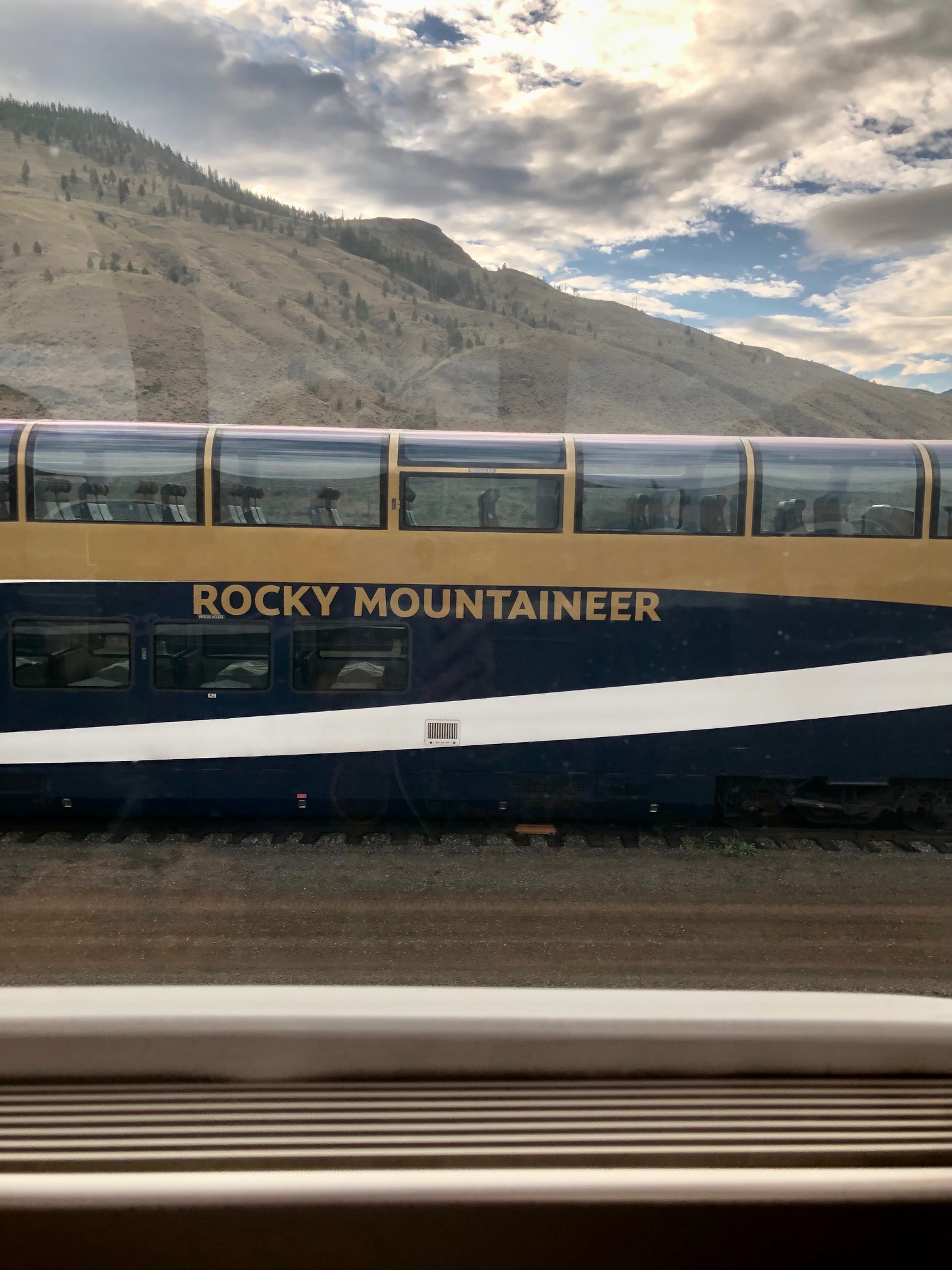
Crossing the Continental Divide while gazing intently to view the next peak or spot the next bear all the while listening to fascinating facts delivered by an enthusiastic expert while eating delicious cuisine paired with lovely wines: oh, to be back onboard the Rocky Mountaineer from Vancouver to Banff.
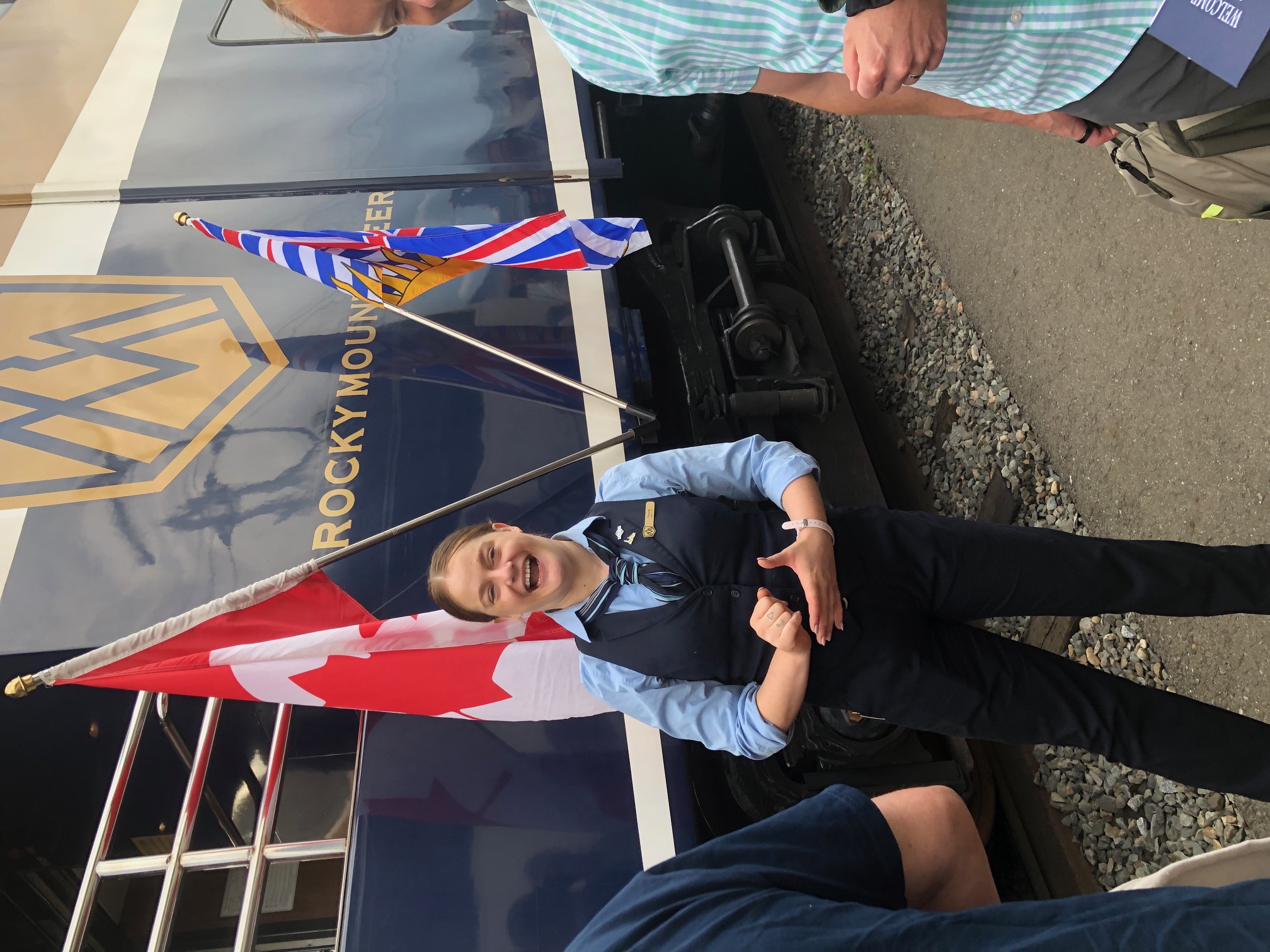
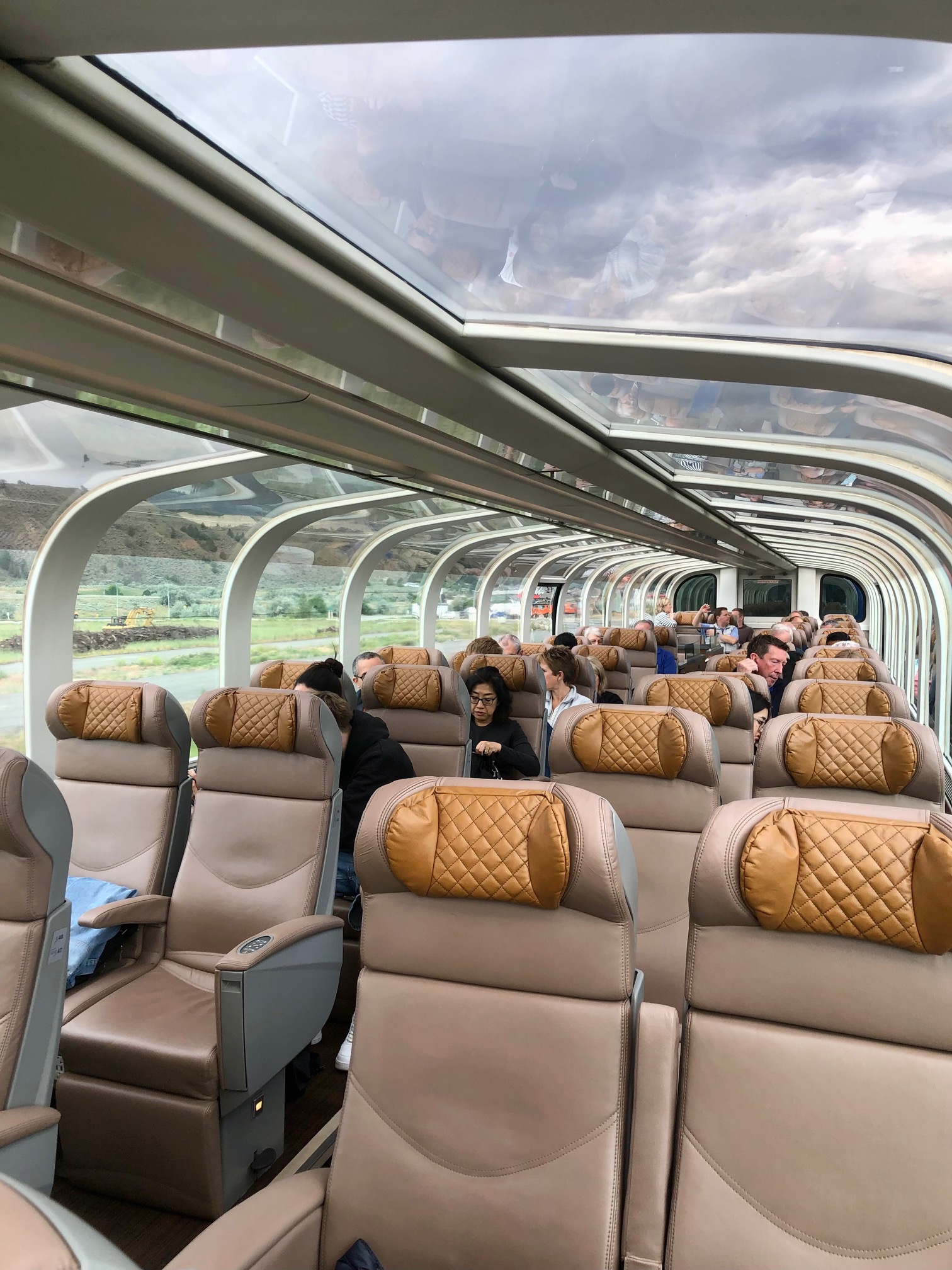
Waving flags, a bagpiper and smiling staff welcomed us aboard last week for two days in the Gold Leaf dome car section of the-all daylight luxury tour which runs mid-April until mid-October through spectacular scenery in Canada and now in the American west for tours of different lengths. At night guests are ferried to hotel rooms—for us in Kamloops and Banff—with room keys personally delivered on the train and luggage awaiting in your rooms. Breakfast and dinner are served in the dining floor below the dome section, approximately 60-72 people in each car while drinks of all sorts are available above along with frequent hors d’oeuvres.
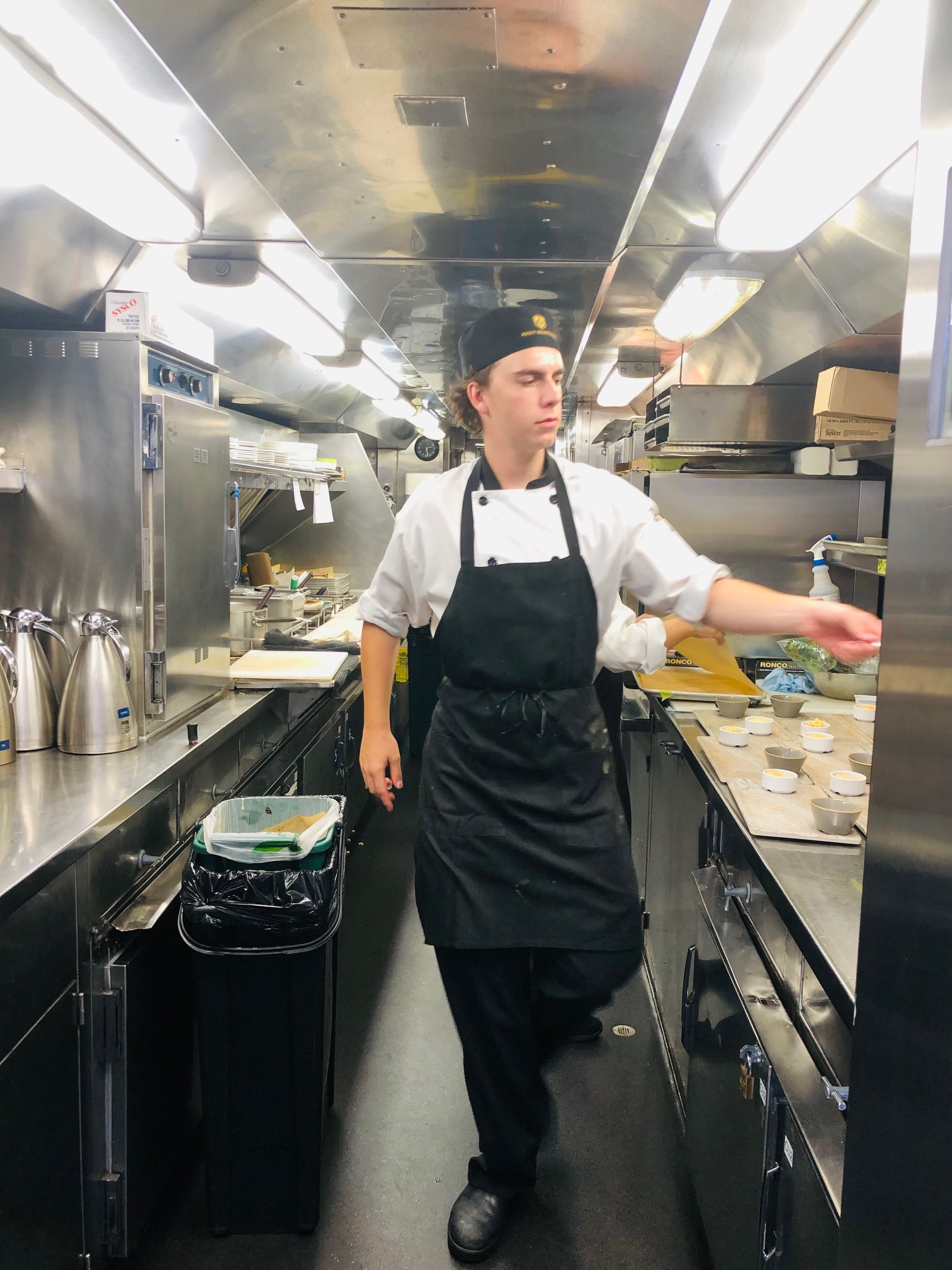
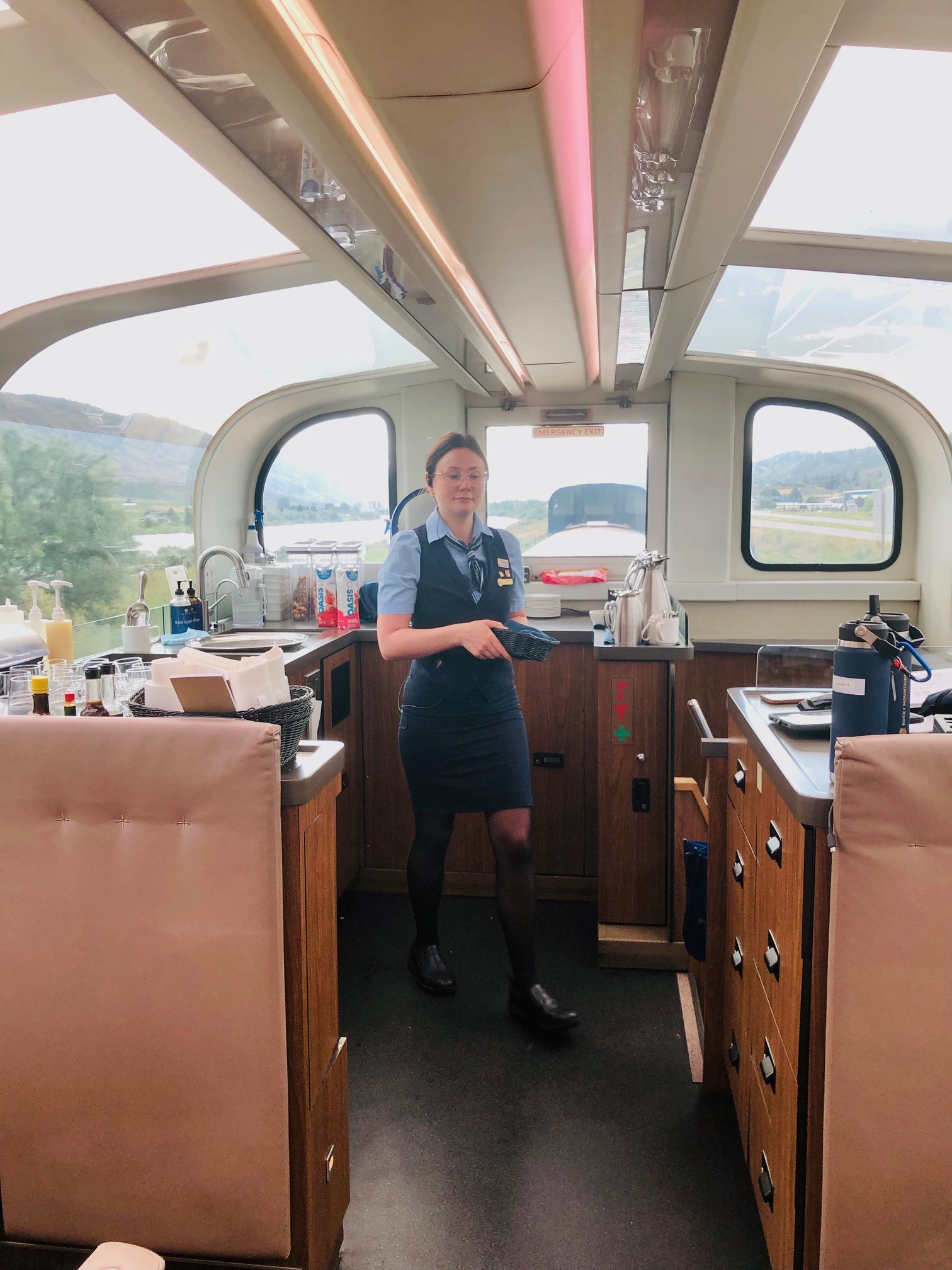
Appreciating the majesty of this land though was what it was all about.
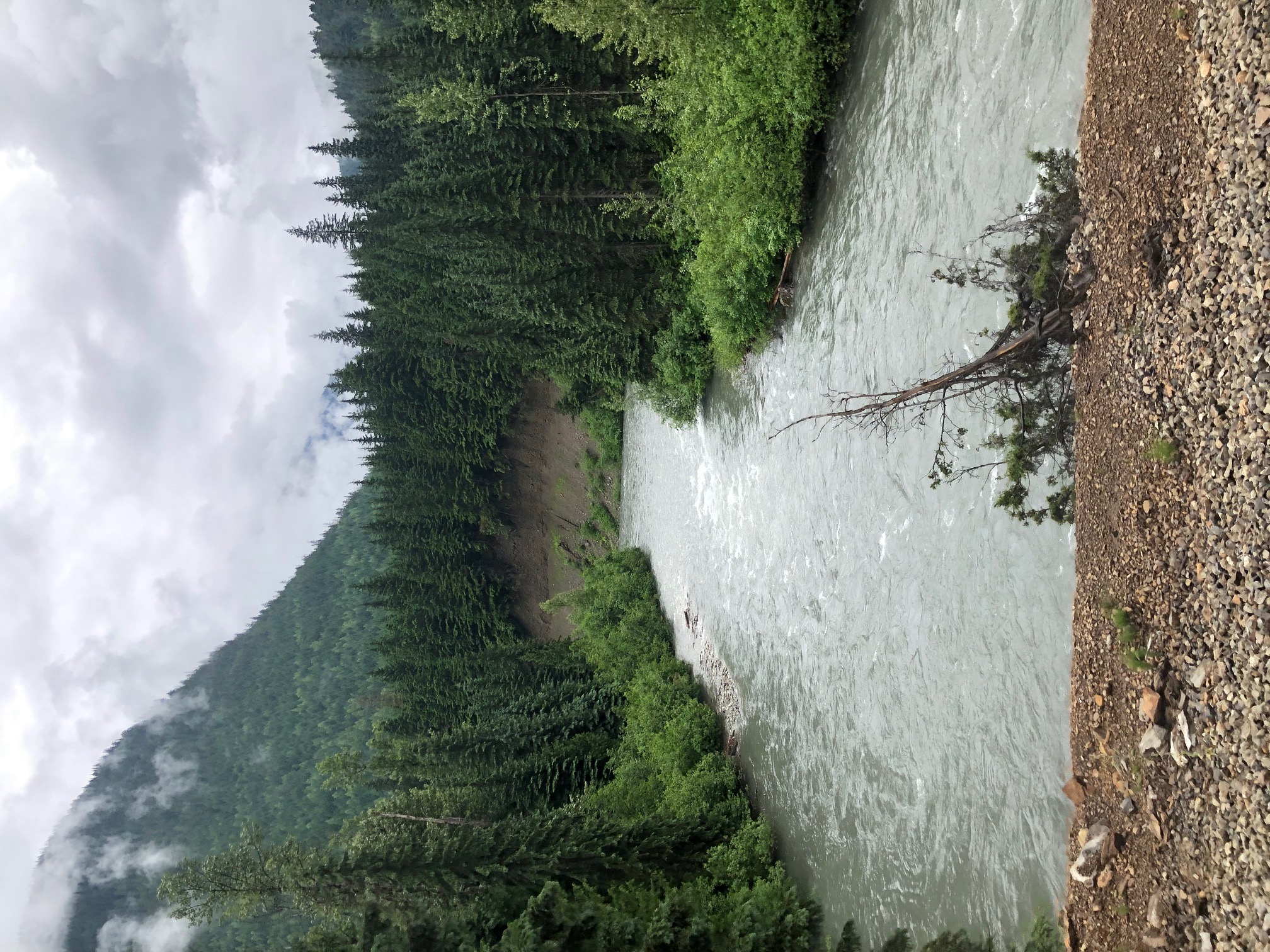
While humankind laid the tracks to navigate through the wilderness, it is the wild forests, rugged terrains, steep slopes, rushing rivers and untamed sprit which still prevails. The vistas appeal to that part of ourselves that thrives on exploration, discovery and the realization that our existence is just one small part of this great world in which we live. It is the vastness that continues to draw you in at each mile marker.
Part of the awe along the way is appreciating how the train was built with corkscrew tunnels to wind through and heights to scale.
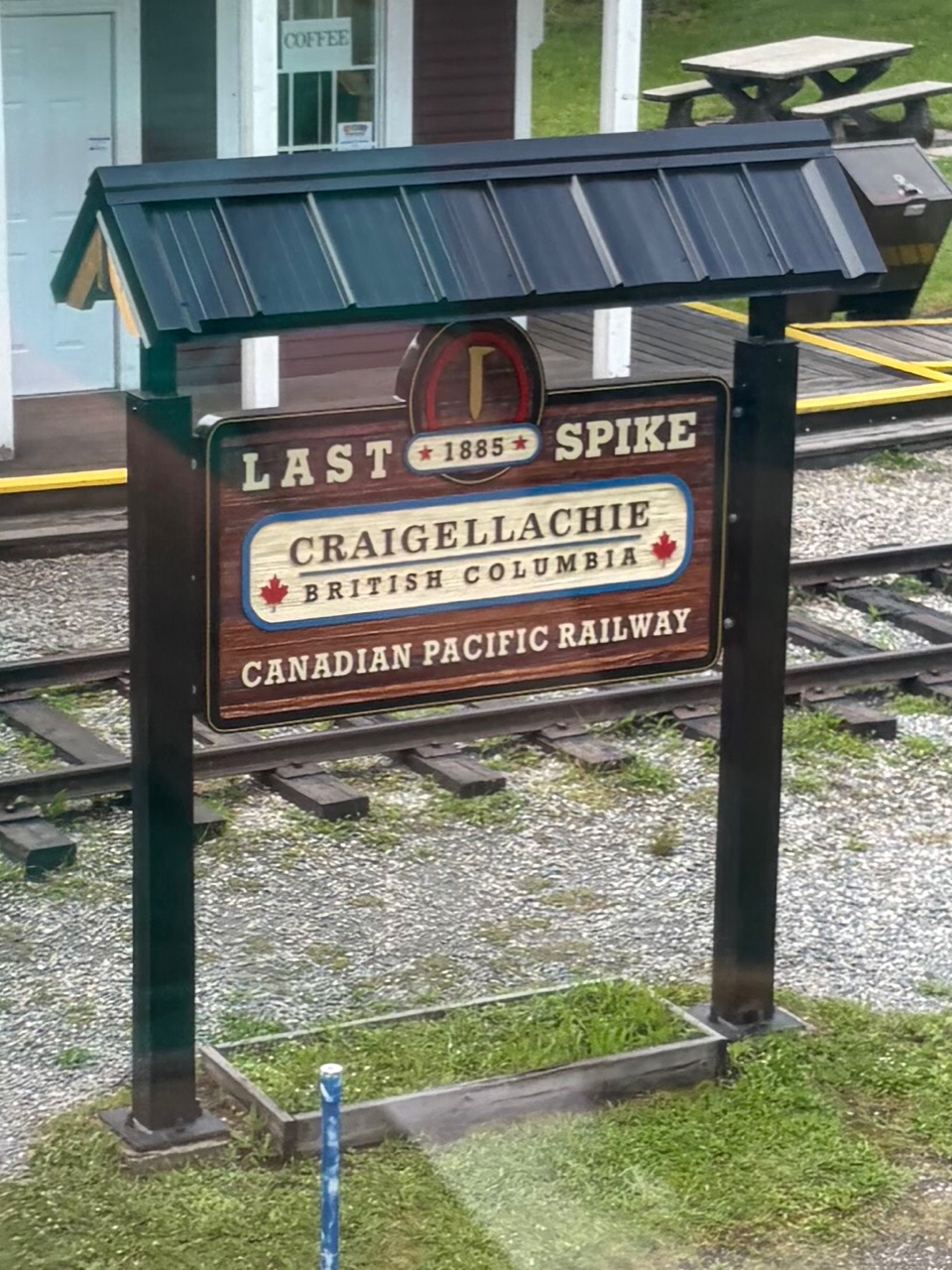
Canada became an independent country in 1867 and the then Prime Minister Sir John A. Macdonald wanted to make sure that the western part of what is now Canada didn’t join the United States. The original plan was to have the government fund construction but to have the railway built and operated by private business. Soon it was discovered that the government didn’t have the funds to construct and Macdonald had to build a private financial syndicate. After the transcontinental Canadian Pacific Railway drove in the last spike at Craigellachie, a tiny town along our route, in 1885, the demand for more railways increased, particularly in the west. Between 1886 and 1905, new rail lines were built in the Canadian Northern system and by 1915 they had pushed all the way to Vancouver.
Along the way the achievements of technologies of yore create wonder.
Before arriving in Banff, the spiral tunnels of the Kicking Horse Pass demonstrate the difficulties that the early engineers had to face to get the train up what was called the “Big Hill.” The steep grade posed a serious challenges, and the first train to attempt the hill in 1884 derailed tragically killing three workers. An assistant Chief Engineer J.E. Schwitzer came up with a Swiss way to use a more gradual grade. The tunnel shaped in the direction of a cursive letter L was built from both sides and when workers met in the middle there was a variation of only two inches!
Crossing over the Continental Divide close to the spiral tunnels seemed very special when you observe that the rivers now flow east while the ones you just past flow to the Pacific.
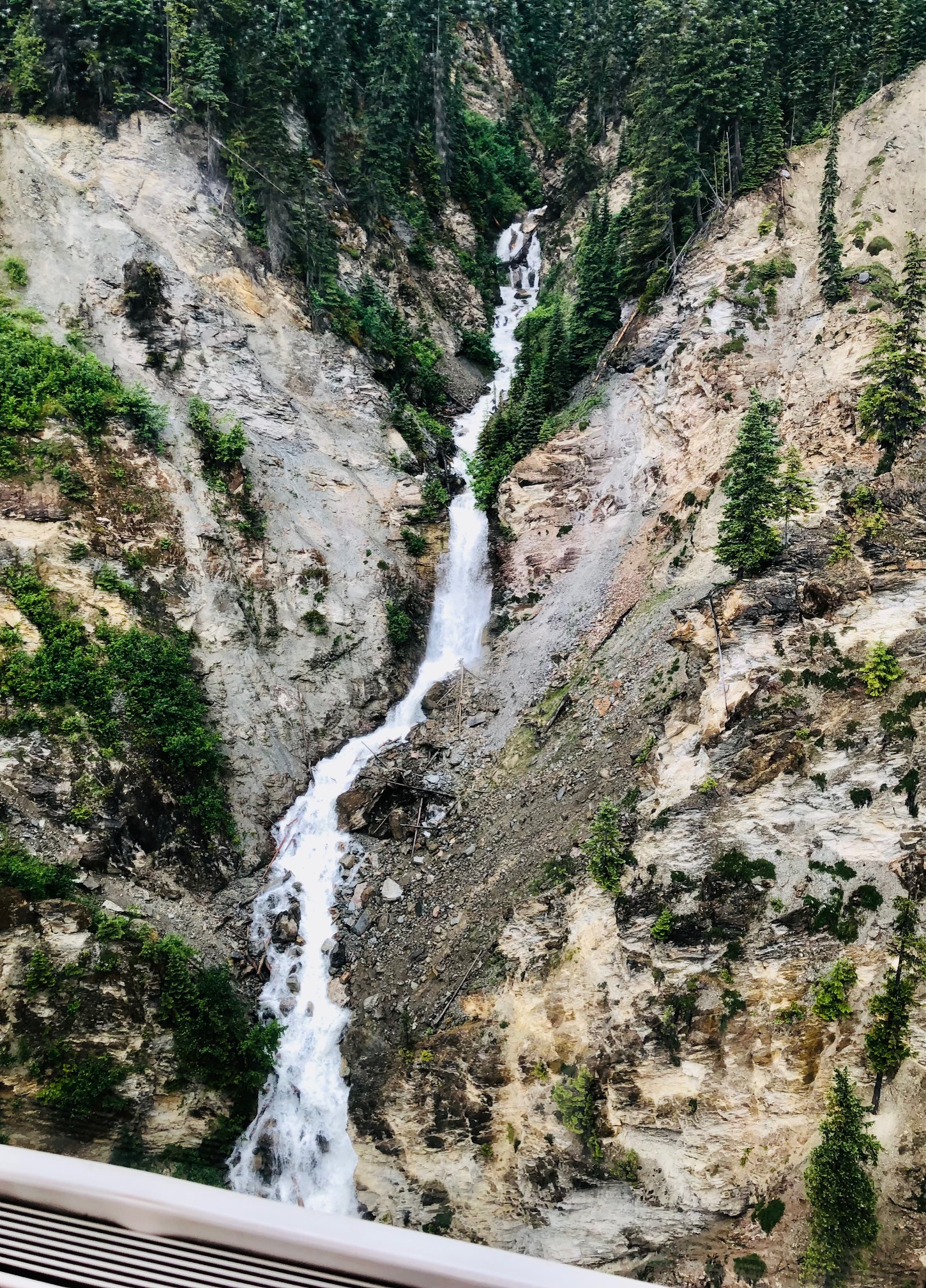
The Rocky Mountaineer is part of the Armstrong Collective group whose inaugural train tour occurred on March 26, 1990 when the train pulled out of its own Vancouver station. Founder Peter Armstrong launched Canada’s tourist train just two months after hearing that his bid was accepted and he drew on family and friends to help staff. They wore rented tuxedos as the company didn’t have uniforms yet. In 2021, the Collective launched the first full route in the United States: Rockies to Red Rocks, which travels between Colorado and Utah. It has become the world’s largest privately owned luxury rail company in the world, with over 2.4 million guests onboard. Travelers choose either the Gold Leaf dome car service, with dining call below or the Silver Leaf service which does not have a domed wide-open ceiling.
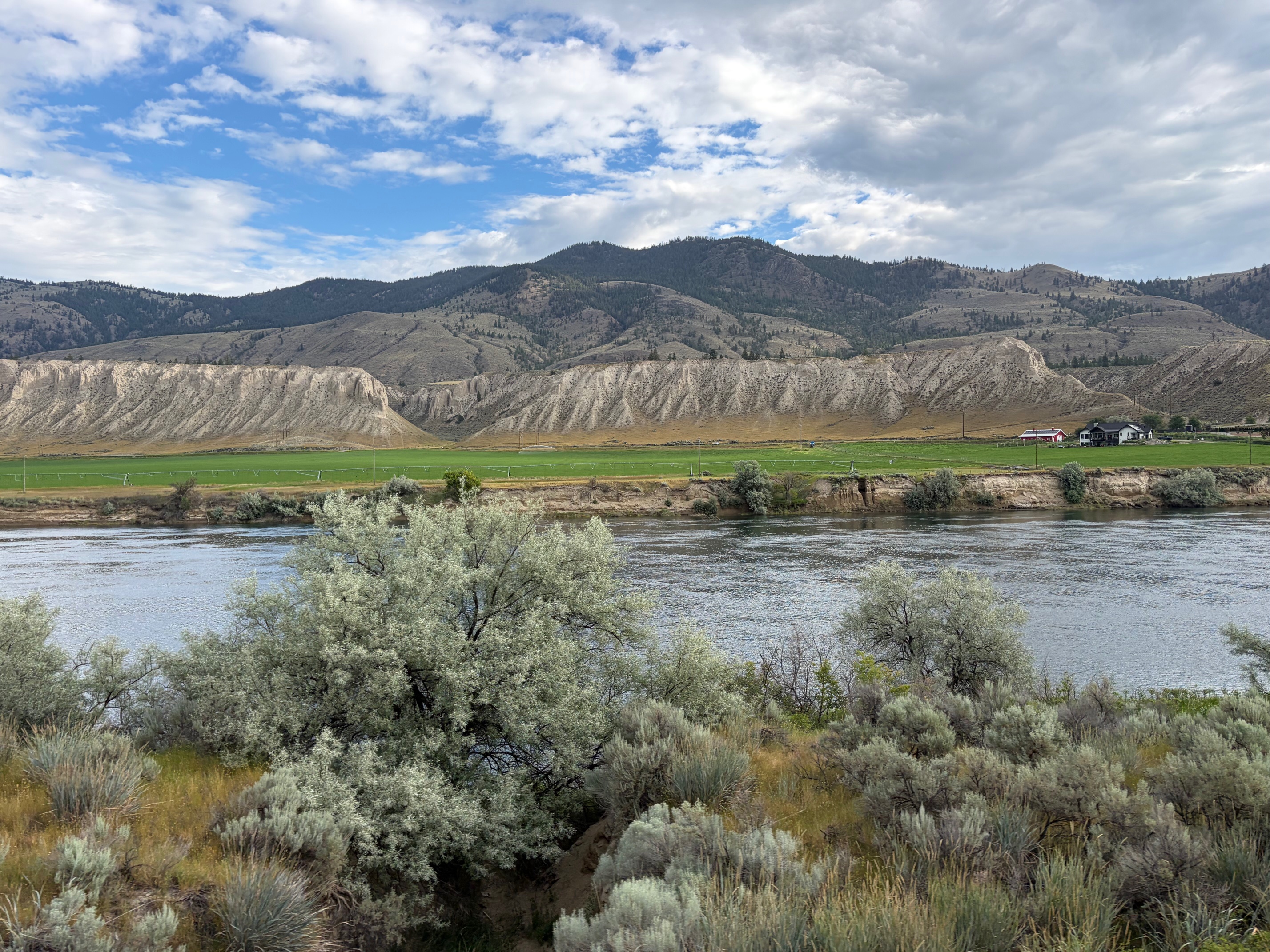
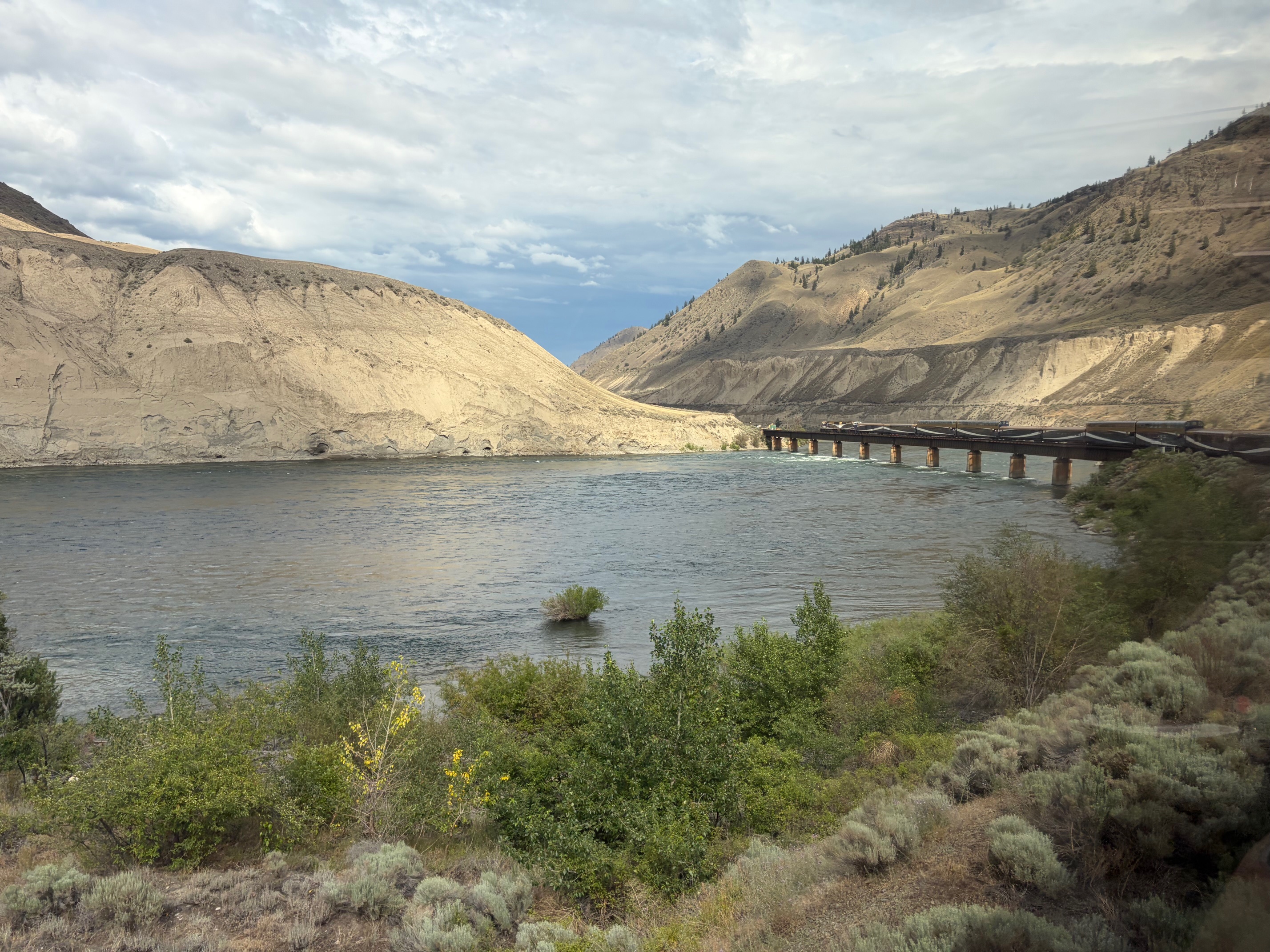
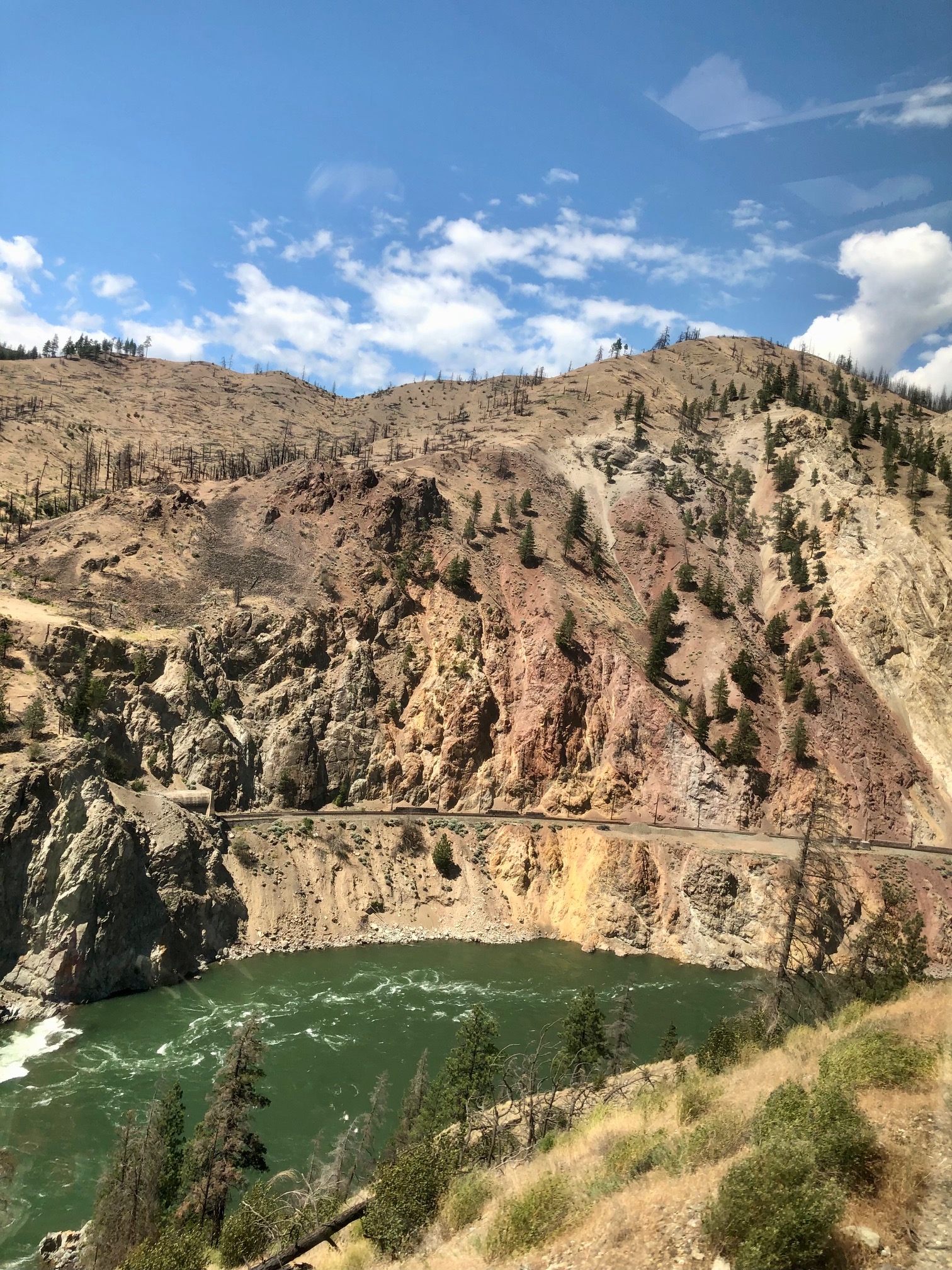
Our winding route outside of Vancouver where cruise ship visitors and World Cup watchers crowded the harbor, was defined by passageways thousands of years old. Sagebrush and high desert define the first day to Kamloops and throughout the trip five rushing rivers, which alternate names for area explorers and animals amazed us with extraordinary colors ranging from pale green to bright blue, some having a milky color due to rock flour, a powder created by the grinding of glaciers, which we traversed on the second day. A lonely vastness fills the first day, with sporadic settlements, some still thriving, many passed into ghost towns. One British entrepreneur advertised a community he hoped to build by tying on apples from the rich Okanagan Valley to the bare trees then photographing them to lure in customers. It actually succeeded for a time and irrigation worked until a natural disaster wiped it out.
Those early settlers, engine drivers and railroad workers who were rescued from flash floods and survived incredible winters where the temperature might dip to 35 degrees below zero all to build communities against all odds are to be celebrated. The Rocky Mountaineer pays tribute to the indigenous people of the region at every turn just as it stresses the importance of preserving the environment so that it isn’t as much about enjoying delicious food and amazing views as to showcase this incredible gift of nature.
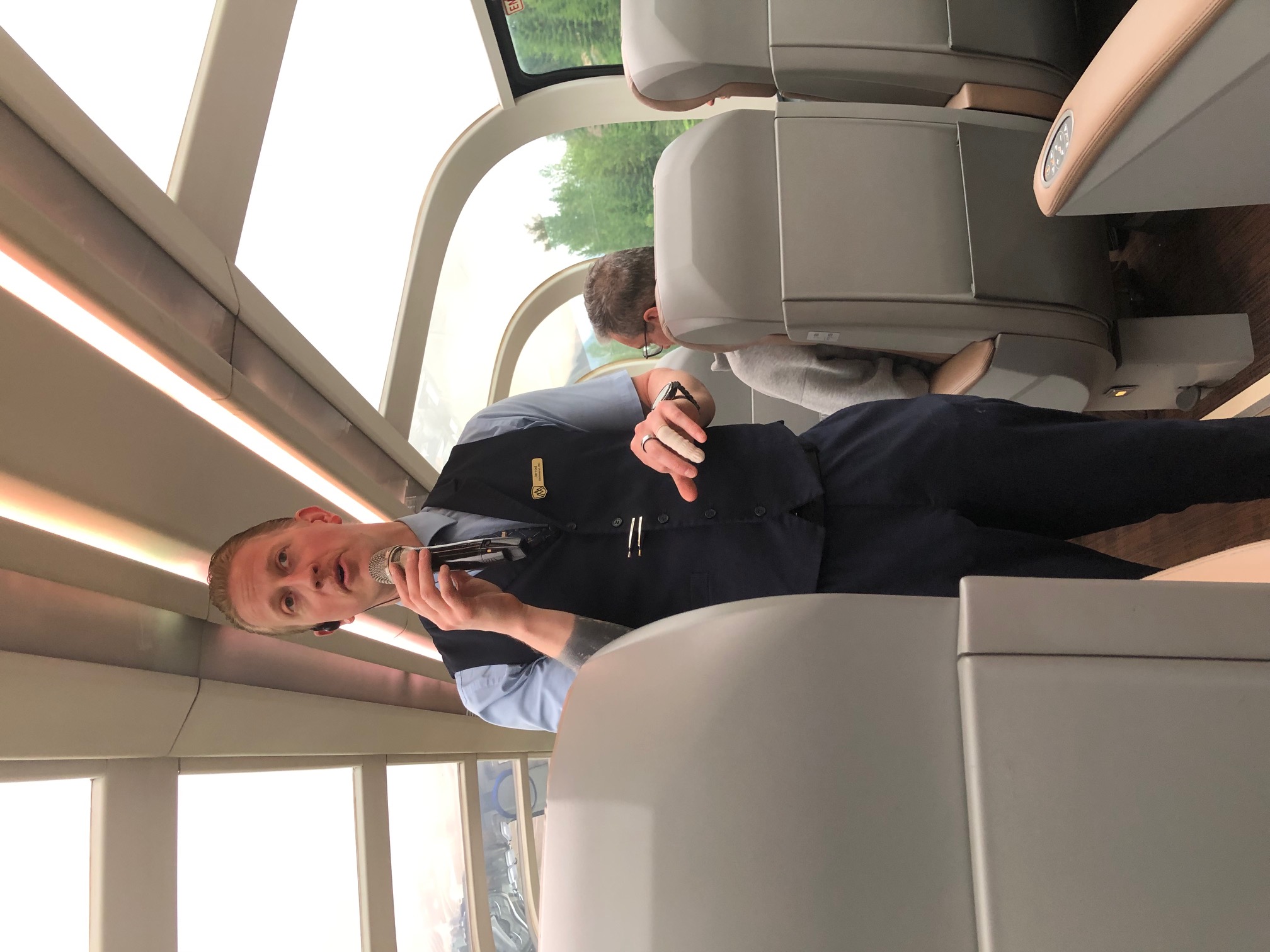
It was not only the amazing guest relations provided by the Canadian staff but also their genuine love of the train that impressed. Regaling us with information on flora and fauna including stories of a big grizzly named The Boss, engineering marvels amidst constant drink service, they typically accomplish 20,000 steps daily just walking in one car. Several had visited a woman in a tiny village along the tracks who had trained her dogs to bark whenever the Rocky Mountaineer was close and she was out to wave at every train just as travelers were waved off with flags at each departure and welcomed in the same way.
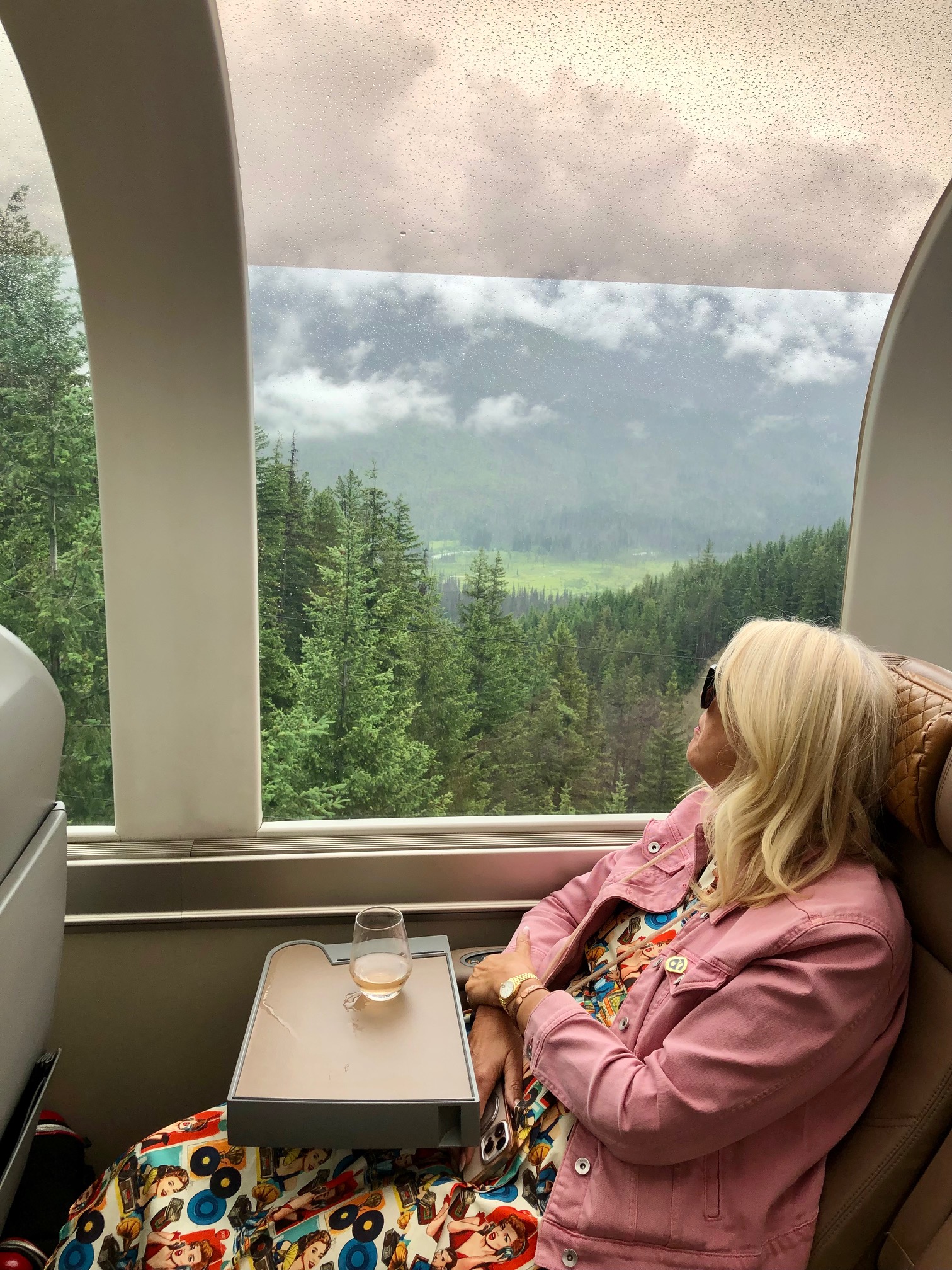
We found that travelers from Australia and England predominated on our tour, cordial conversation at every turn.
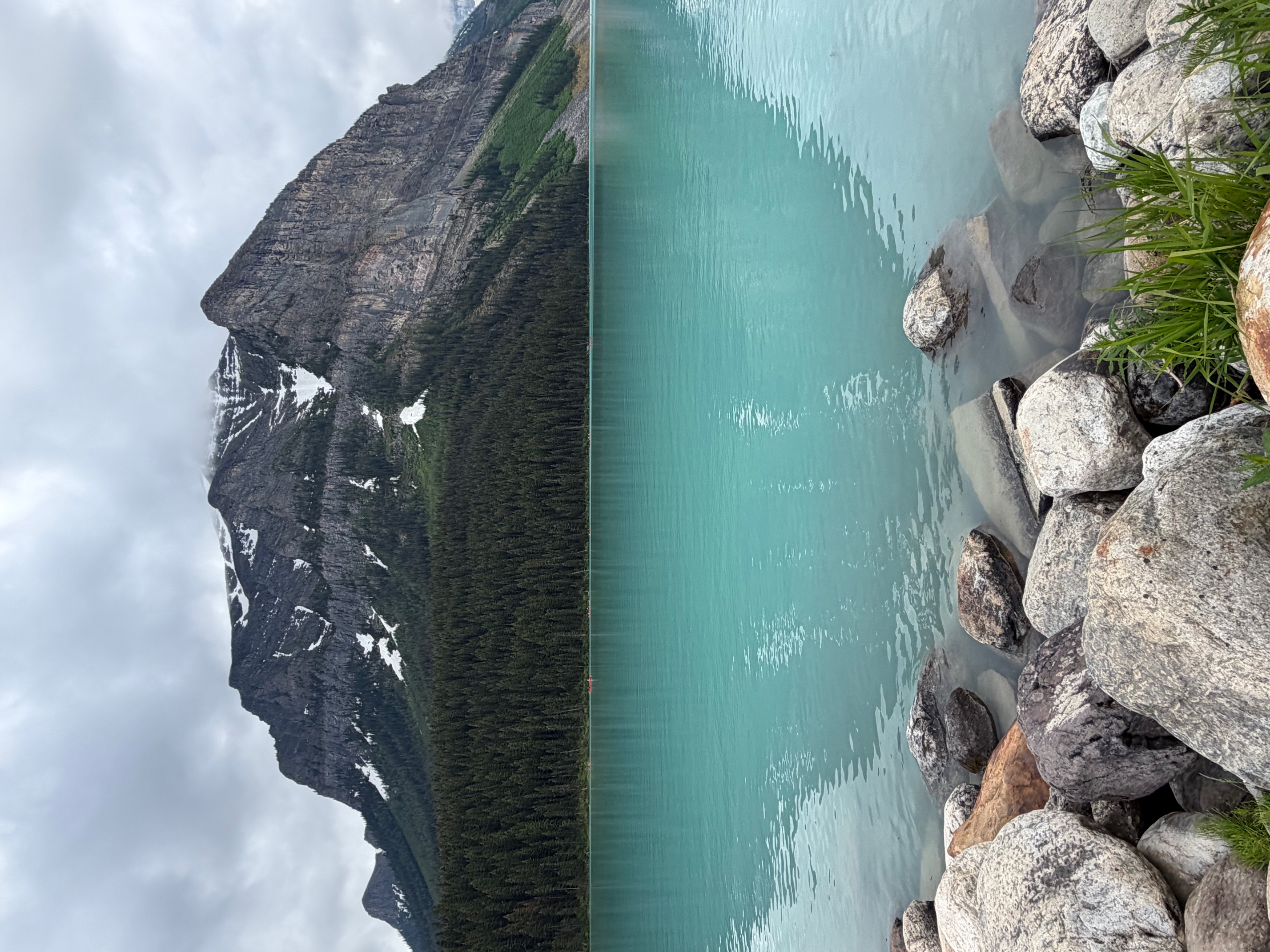
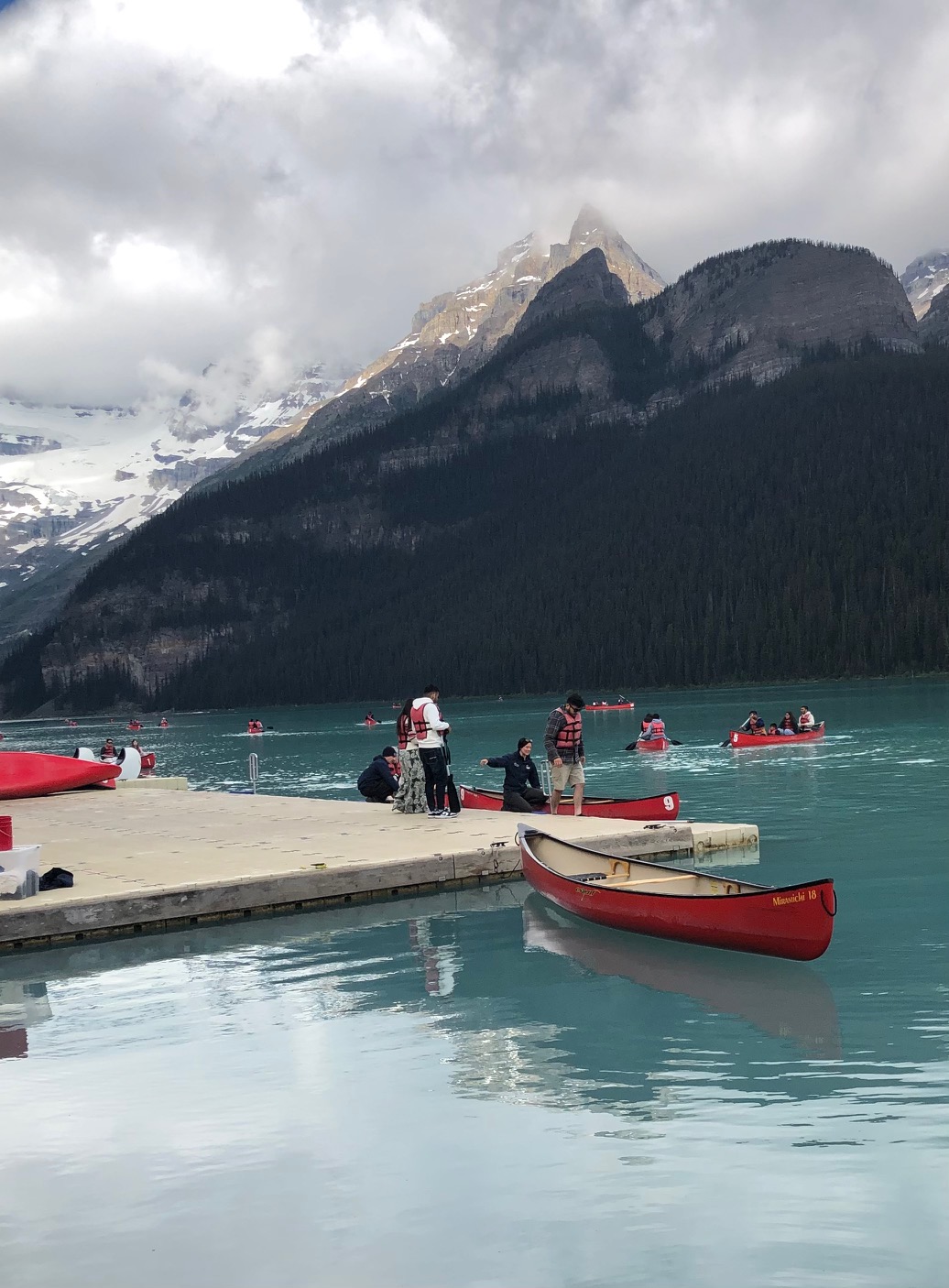
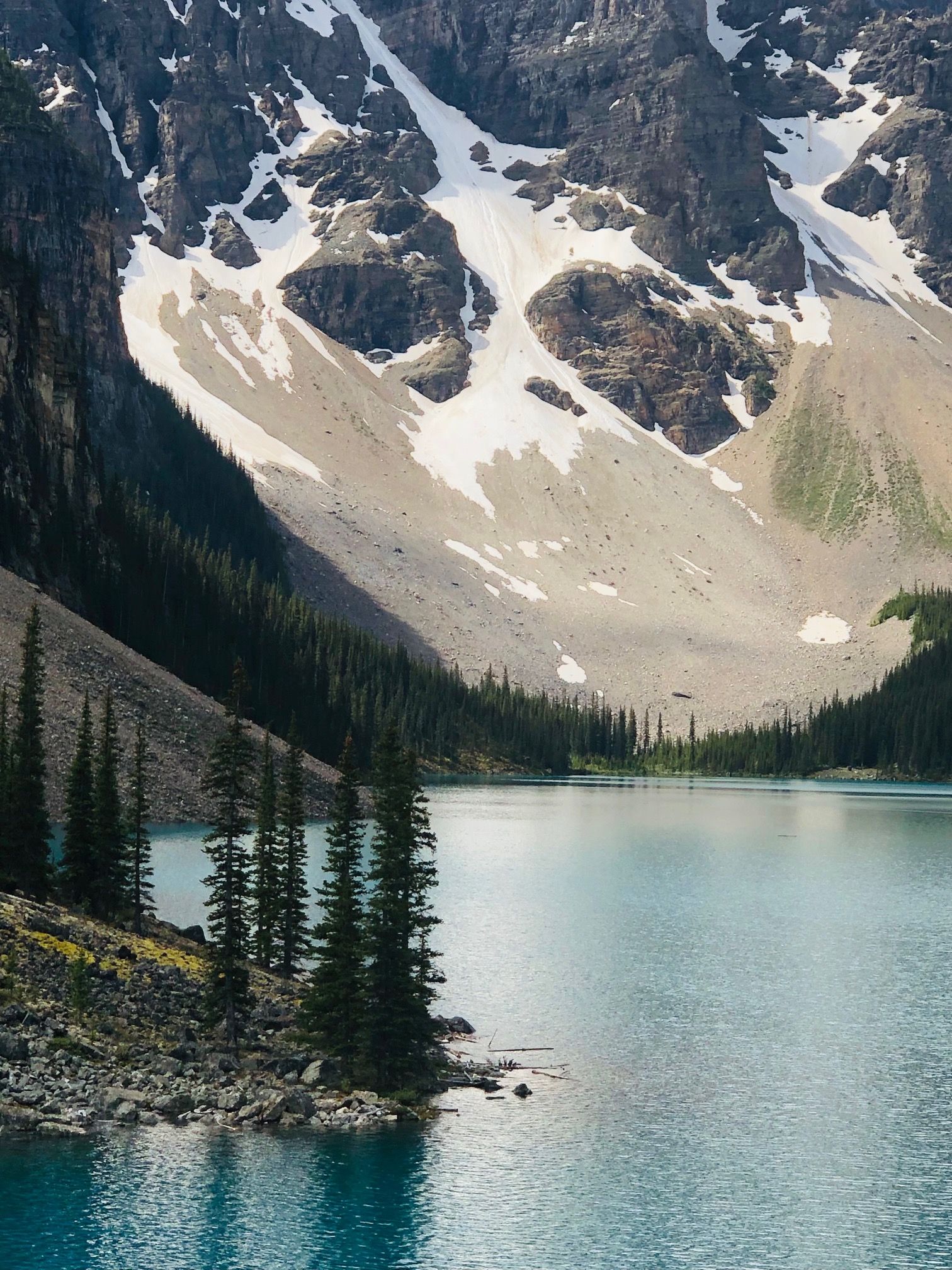
Banff, which we will report on in the next Classic Chicago, featured snow on the mountains and visible ski tracks on the mountains above glaciers. We saw several skiers ready to ascend the slopes while others canoed on glacier made Lake Louise and Lake Moraine in shorts.
We look forward to taking you to Banff next week.