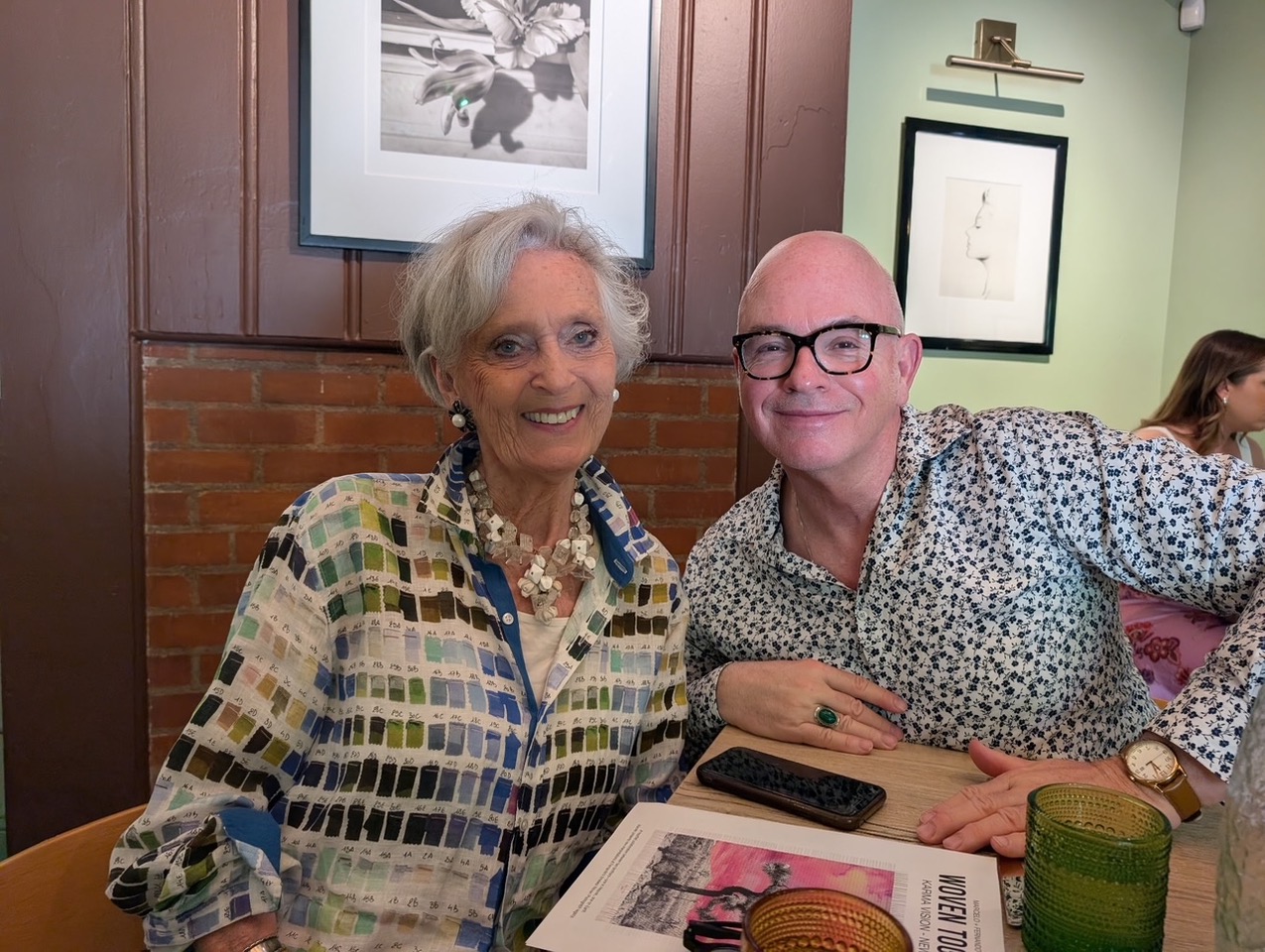
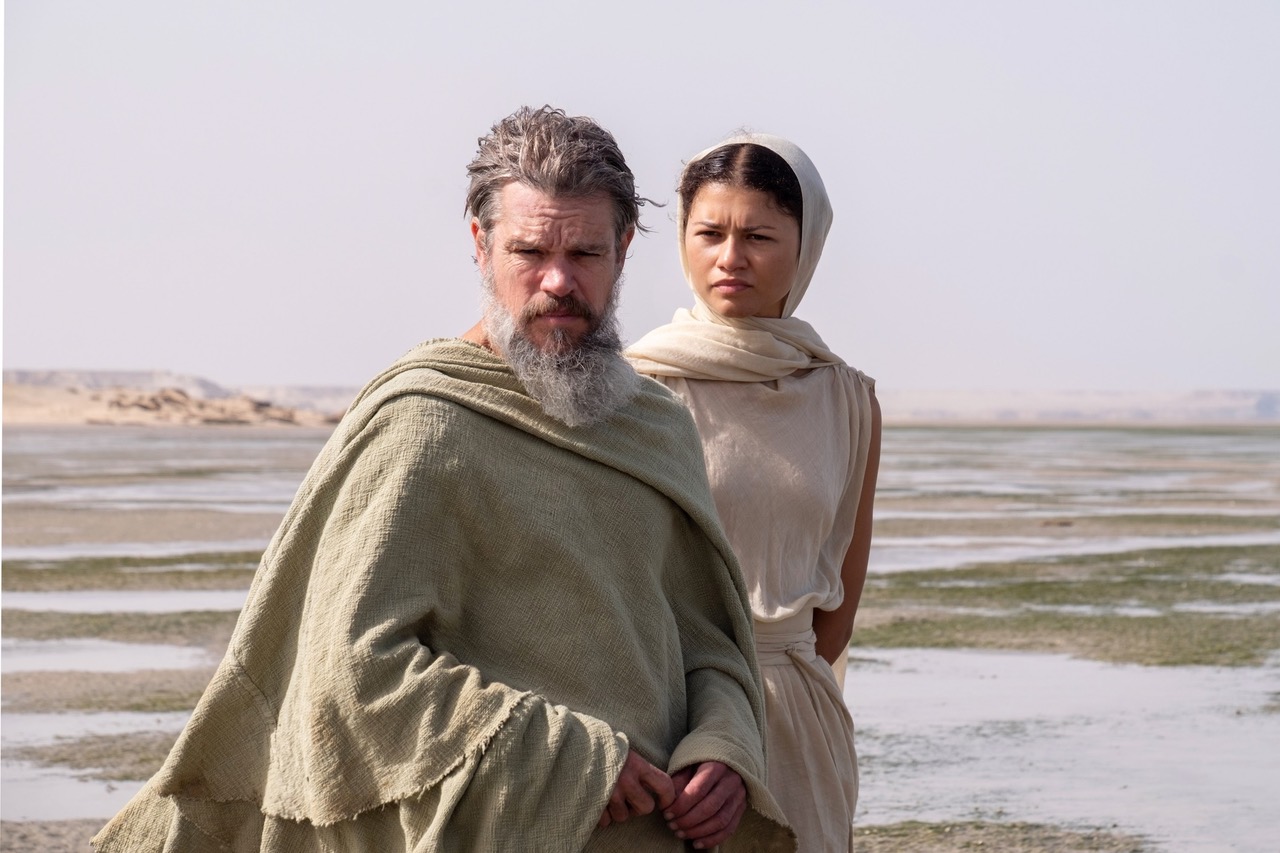
With Christopher Nolan’s “The Odyssey” opening in theaters July 17th, we asked Loyola University’s Associate Professor Emeritus John Makowski, whose scholarship includes Roman literature, Latin language, myth, and the classical world in cinema to share a backdrop for best enjoying the much anticipated movie.
CCM: What are key points about “The Odyssey” that viewers should know before seeing the new Christopher Nolan movie opening in July?
“While Homer’s “Iliad” tells a tale of war, “The Odyssey” narrates the hero’s homecoming or nostos in Greek. Odysseus had spent ten years fighting at Troy and helped bring about its end (the Trojan horse was his idea); he then spent another ten years trying to get back to his island home of Ithaca, where he had left his beloved wife Penelope and his newborn son Telemachus. In his twenty years of absence, his son was growing on the verge of manhood while his wife was being besieged by suitors who were devouring his property and attempting to force his wife into marriage. On his way home driven by two angry deities Poseidon and the sun god Helios Odysseus faces dangers on the sea and from monsters but also temptations from beautiful women both human and divine.”
CCM: Where was Odysseus going and were these places all real?
“Troy is certainly real as is the island of Ithaca, but most of the places Odysseus visited are probably a combination of real and mythical because while the Greeks knew well he geography of the eastern Mediterranean they were a bit fuzzy about what lay west. We will never know where were the islands of Circe and Calypso, but we can speculate with some plausibility that the island of the Cyclops was Sicily and that the land of the lotus-eaters was Djerba off the coast of Tunisia. It’s has been suggested that Corfu is the location where Odysseus shipwrecked and alone narrates the stories of his adventures. At one point Odysseus enters the underworld, but all we can say safely say is that it was somewhere west (because that’s where the sun sets).”
CCM: Why has Homer’s epic tale been so enticing for so many years?
“Homer’s epics “Iliad” and “Odyssey” have endured now for well over two thousand years, and they will continue to be read by generations to come. So why is the Odyssey so compelling? One very simple explanation is that it is a well told tale with original memorable characters and situations—it succeeds purely on the level of entertainment. On a deeper Odysseus’ story represents the human journey of life. In the course of wanderings Odysseus faces many challenges including the ultimate reality of death but in the end he represents the triumph of the human spirit.”
CCM: Tell us about when you first got interested in Greek and Roman history and about the classes that you taught.
“As a child, I was a voracious reader. I remember every Saturday morning during summer vacation going to my local library to return the books I had read during the week and to take out another set for the next week. My interest in things Greek and Roman started when I was in grammar school and then really took off once I started Latin at St. Ignatius College Prep. I was fascinated by Greek myth and read over and over Edith Hamilton’s book “Mythology”. My interest became more serious as I continued my study of Latin while beginning to study classical Greek. In college I enjoyed literature, history, philosophy, art and architecture. so the pursuit of classics which a natural because in this area study I could combine all my interests.”
CCM: Are there certain destinations along the way that most fascinate you and what do they symbolize?
“Yes, I like to read some of the stories in a symbolic way. Certainly, the Lotus-Eaters represent people who are addicted to pleasure which some of Odysseus’ men yield to and lose their ambition to go home. Ever since I wrote a paper for an Odyssey seminar when I was a graduate student at Princeton, I have been fascinated with Odysseus’ visit to the underworld told in Book 11. Almost every hero in ancient literature (Gilgamesh, Odysseus, Hercules, Aeneas) goes down into the realm of death and emerges often with fresh clarity about his identity and purpose. Before he can truly live the hero must confront the ultimate reality.”
CCM: What can you tell us about the key characters and what we should be watching for?
“While Penelope’s main trait is her fidelity and devotion to Odysseus, we should also note her great intelligence which in many ways is a match for that of her husband. We see her mind at work when she devises the trick on the suitors whom she puts off by promising to marry one of them when she completes a weaving project but then she weaves by day and unravels by night. Also, when her husband disguised as a beggar reveals himself as her husband, she in order to make sure of his identity interrogates him with a brilliant line of questioning. Odysseus’ son Telemachus is an intriguing character because his is a story of coming of age as he grows from childhood into manhood told in the context of the father/son relationship. Two minor characters of note are Helen and Menelaus who after the Trojan War are a fabulously rich couple living happily ever after.”
CCM: What are you most interested in seeing in Nolan’s new take on Homer?
“For me the most interesting thing would be to see what Nolan has does with tradition and innovation. The pre-release publicity indicates that the film will contain controversial elements like a Helen with non-Greek features. In many ways I am a traditionalist and believe that a film maker should respect the integrity of Homer’s poem; on the other hand, part of retelling an ancient story to modern audiences make it accessible and fresh. It will be interesting to see what Nolan does.”
CCM: What are some of the places along Odysseus’s journey that you have visited? Tell us about Tunis and your time there.
“When I was exploring Roman ruins in Tunisia years ago, I did get to visit the island of Djerba thought by many to be the land of the Lotus-eaters. While I ate no lotus, I was fascinated to visit one of the oldest synagogues in the world supposedly founded shortly after the destruction of Jerusalem in 70 AD. On my trip to Sicily, I did cross the strait of Messina which in Odysseus’ time was the home of the monster Scylla and the whirlpool Charybdis, but my own crossing was uneventful.”