
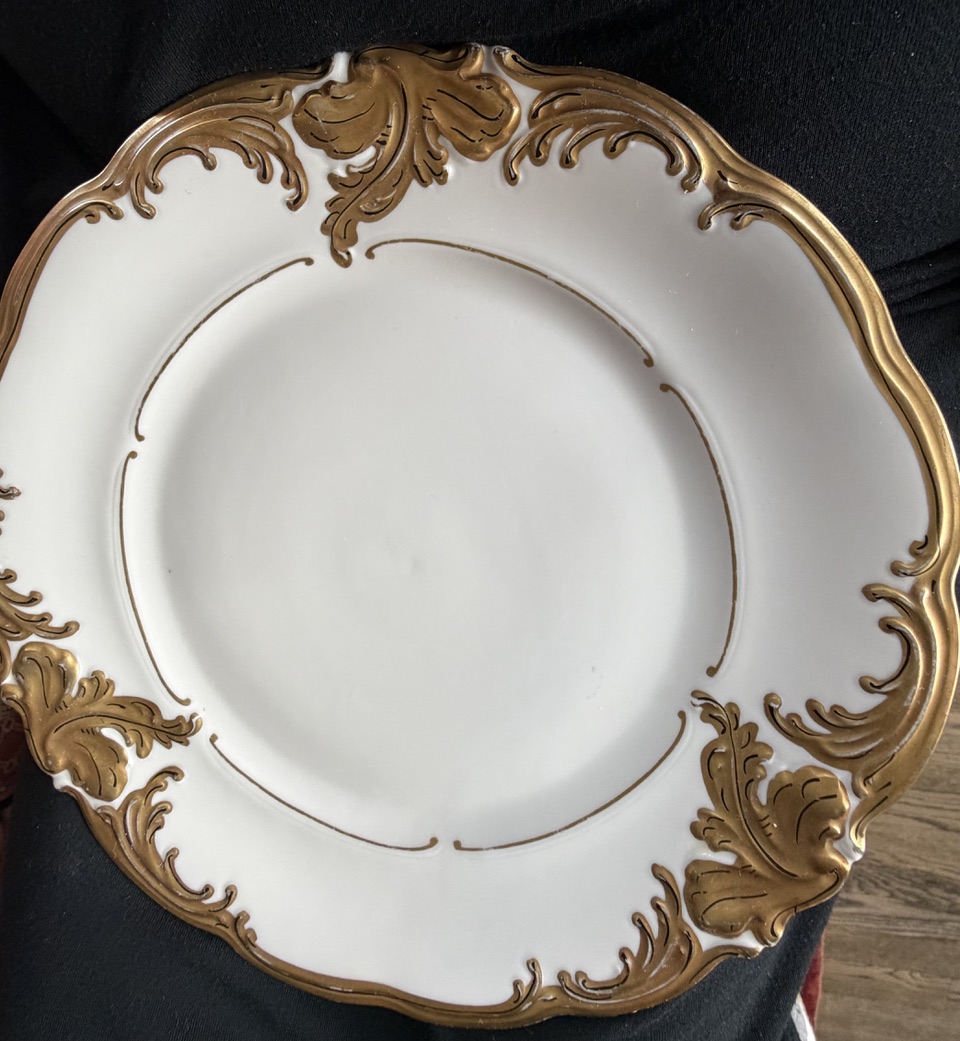
If one has a habit of “using the good dishes” there’s every opportunity of breakage.
With such a gorgeous set of gilded, Polish, porcelain dishes, such as above, the inevitable can occur.
WHAT TO DO WITH A BREAKAGE?
Do you immediately contact Peter Yeung at Kingsmen Restoration? Of course one does.
Peter says :-
“All the "Kingsmen" can put your priceless treasures together again.
When your treasures get broken, do not panic or despair.
Do not attempt to repair it yourself.
Sweep up all broken pieces, whatever is missing our skilled craftsmen can replace.
Wrap each piece separately and place in a box.
Send the box to us at Kingsmen, and we will take care of the rest.
Your treasured piece will be restored in about three weeks.”
What an amazing wizard craftsman! He truly is astonishing.
For dinner dishes or selected treasures this seamless invisible repair seems the only the way to go.
So what then is the place of KINTSUGI - that Japanese art of GOLDEN REPAIR or VISIBLE MENDING?
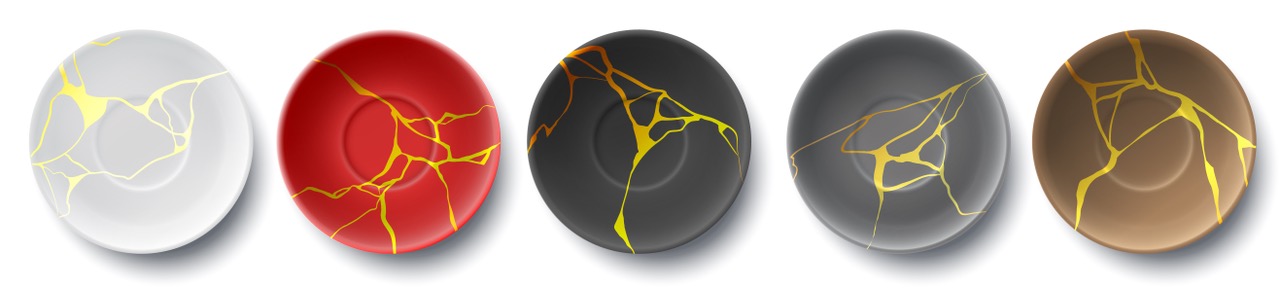
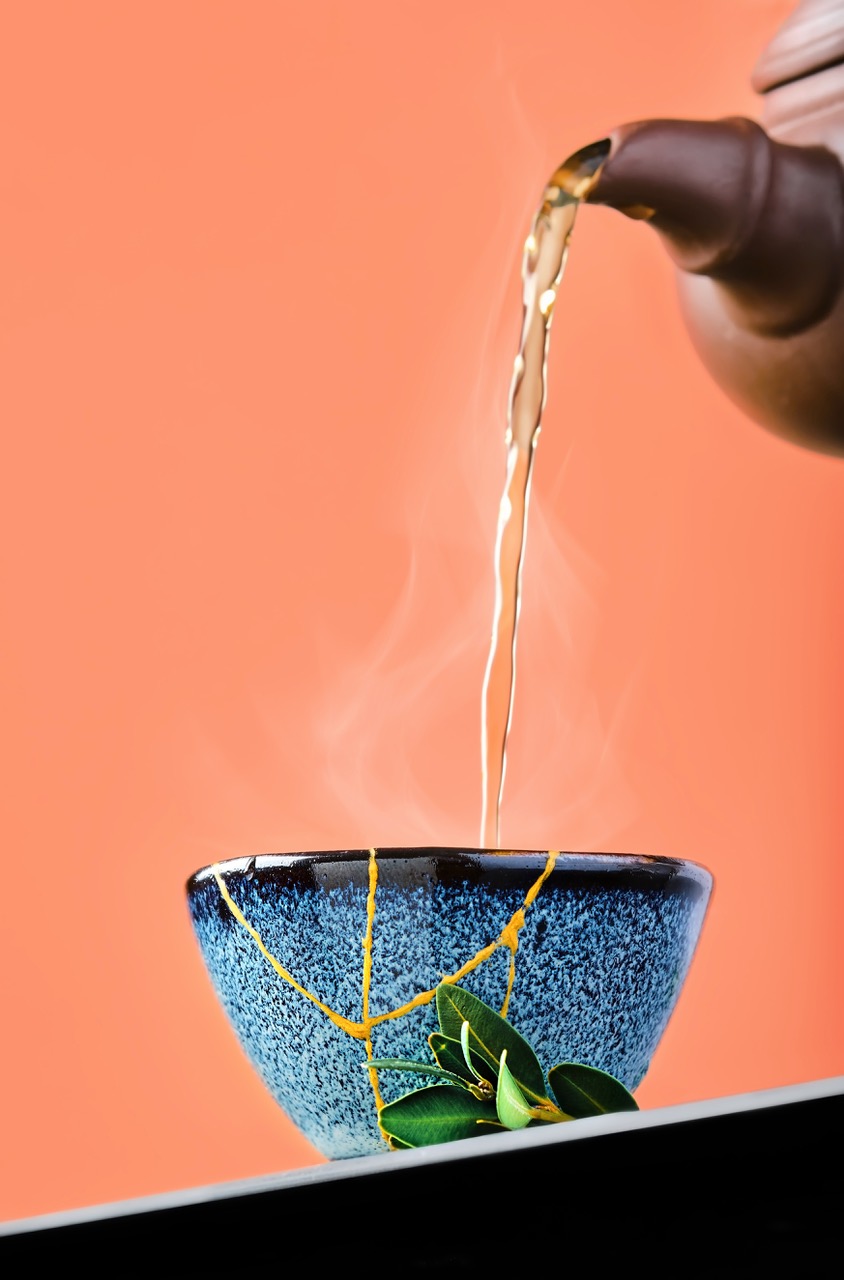
Poetically translated to "golden joinery," kintsugi is the centuries-old Japanese art of fixing broken pottery. Rather than rejoin ceramic pieces with a camouflaged adhesive, the kintsugi technique employs a special lacquer, dusted with powdered gold, silver, or platinum. Once completed, beautiful seams of gold glint in the conspicuous cracks of ceramic wares, giving a one-of-a-kind appearance to each "repaired" piece. The lines of gold or silver run through the ceramic.
This unique method emphasizes its fractures and breaks instead of hiding or disguising them.

Kintsugi emerges from the Japanese philosophy offering profound actionable principles depicted above, to help live a balanced, and purposeful life. The ideas have been shaped by geography, climate and history over thousands of years.
Specifically related to wabi-sabi - the art of embracing imperfection, kintsugi does not attempt to hide the breaks but instead draws attention to them. Fixing an object with kintsugi, a specialized and time-intensive process, not only extends the ceramic’s life but also displays its history and perhaps gives the piece greater emotional value.
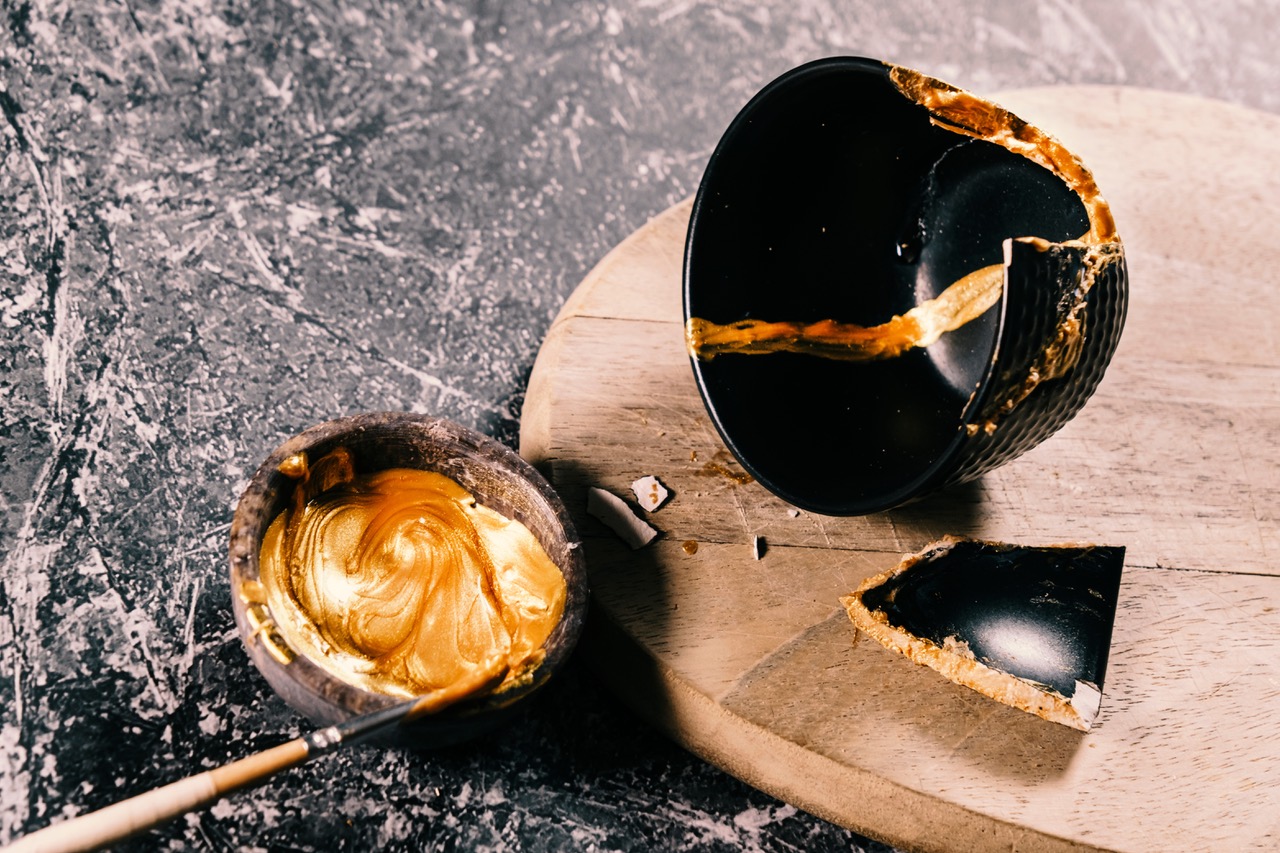
While kintsugi's origins aren't entirely clear, historians believe that it dates back to the late 15th century when shogun Ashikaga Yoshimasa’s favourite Chinese tea bowl was broken. According to the tale, he sent the bowl to China to be repaired. When it returned, it was mended with staples, a practice in which metal is inserted into drilled holes on either side of the break to keep the pieces together.
Yoshimasa disliked the appearance and had Japanese craftspeople come up with a new method that was more aesthetically pleasing, hence the beginnings of kintsugi.
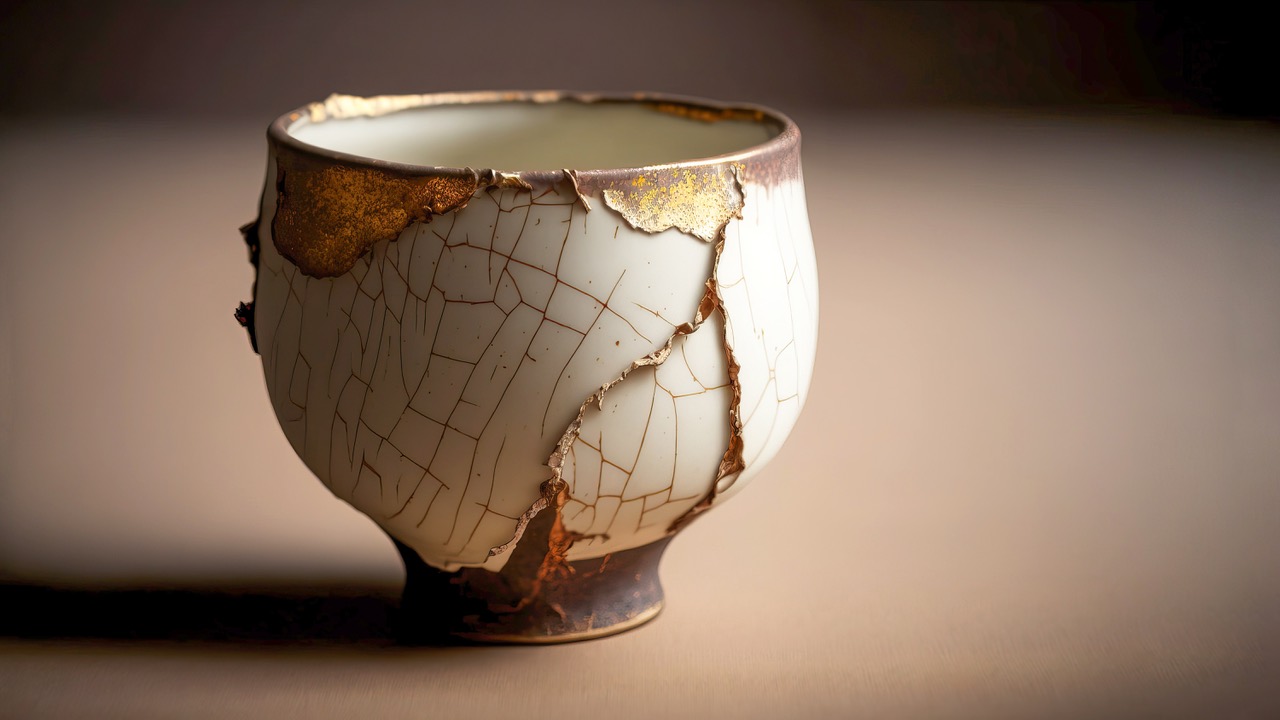
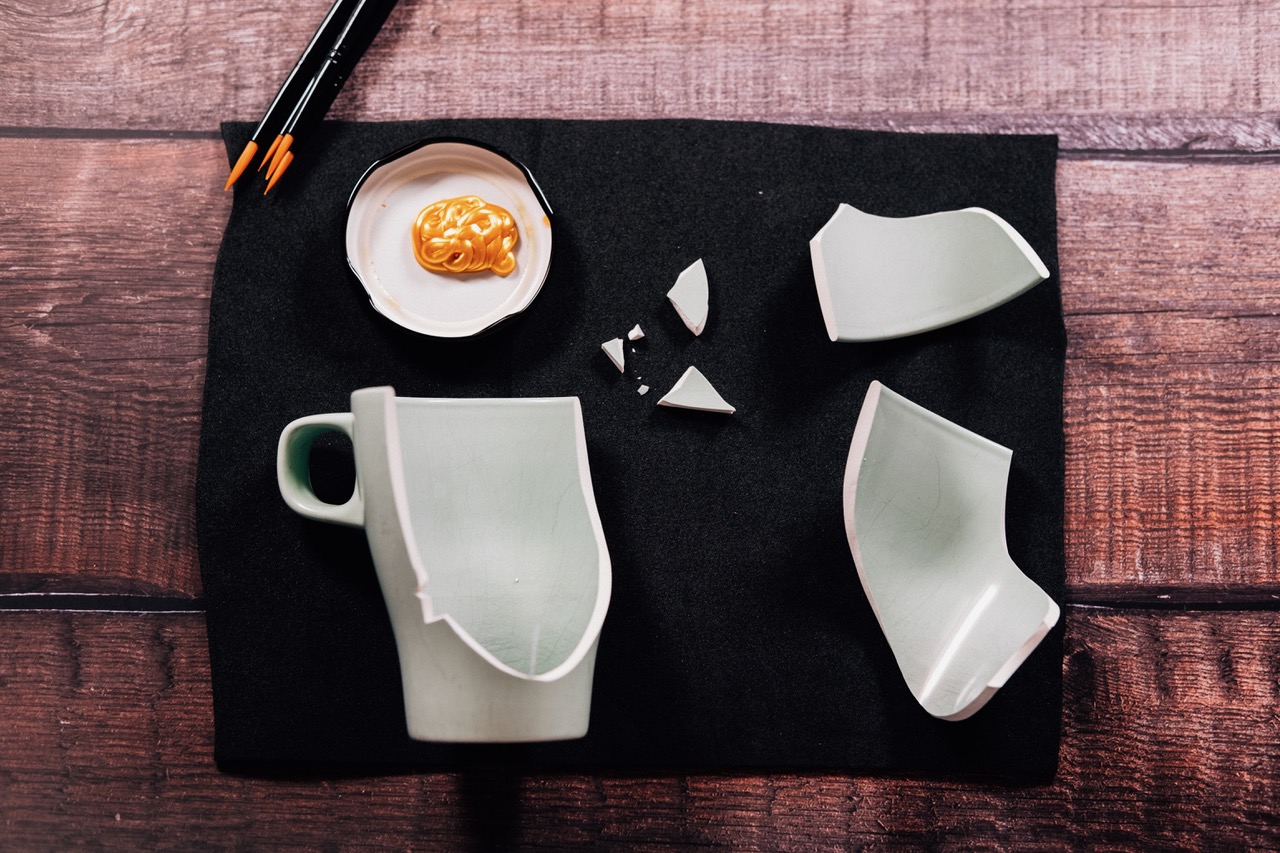

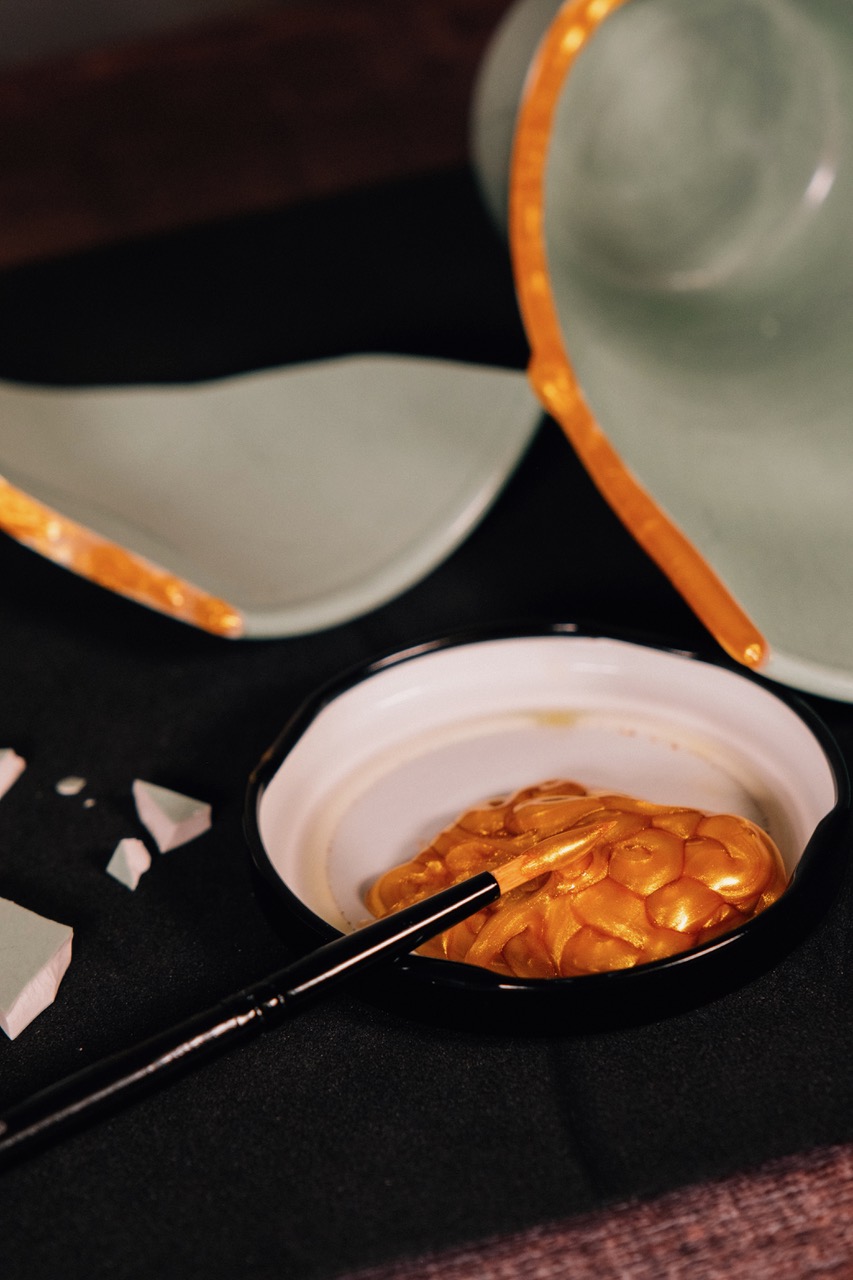
Visible mending is to be kept in mind, but here below is an example of necessary seamless restoration.
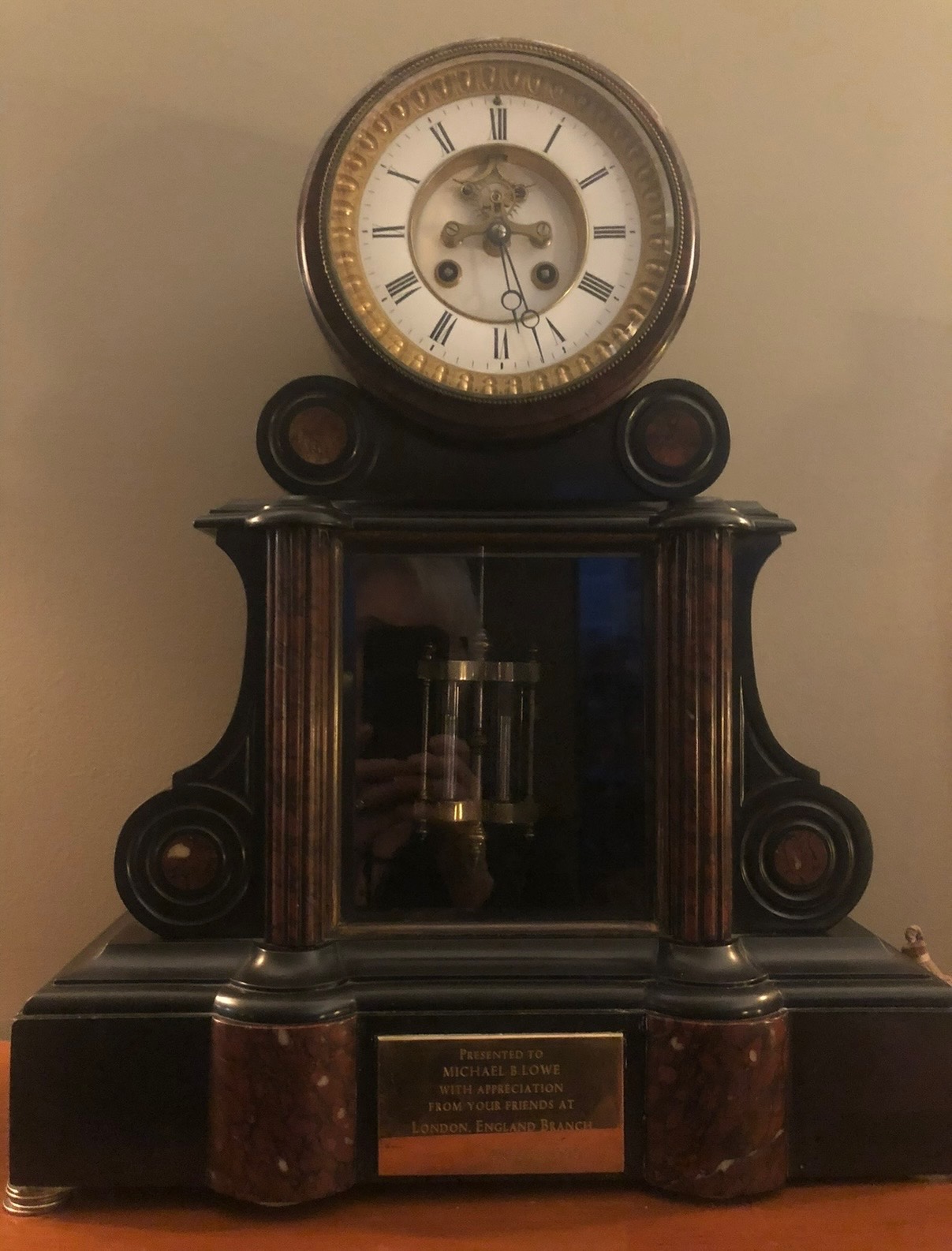
Some years ago we brought back from Europe an antique French marble clock with a stunning mercury pendulum. Clearly we did not choose the correct shipping company, as the clock arrived in North America in 20 pieces! What dreadful dismay. Mercifully the mercury pendulum was intact.
Kingsmen restoration (Peter) did his magic and restored it to as seen today. As a gift from staff to my husband at a London, UK posting it is not only beautiful but of extreme sentimental value.
Over the centuries Kintsugi has served as a profound metaphor for the human experience.
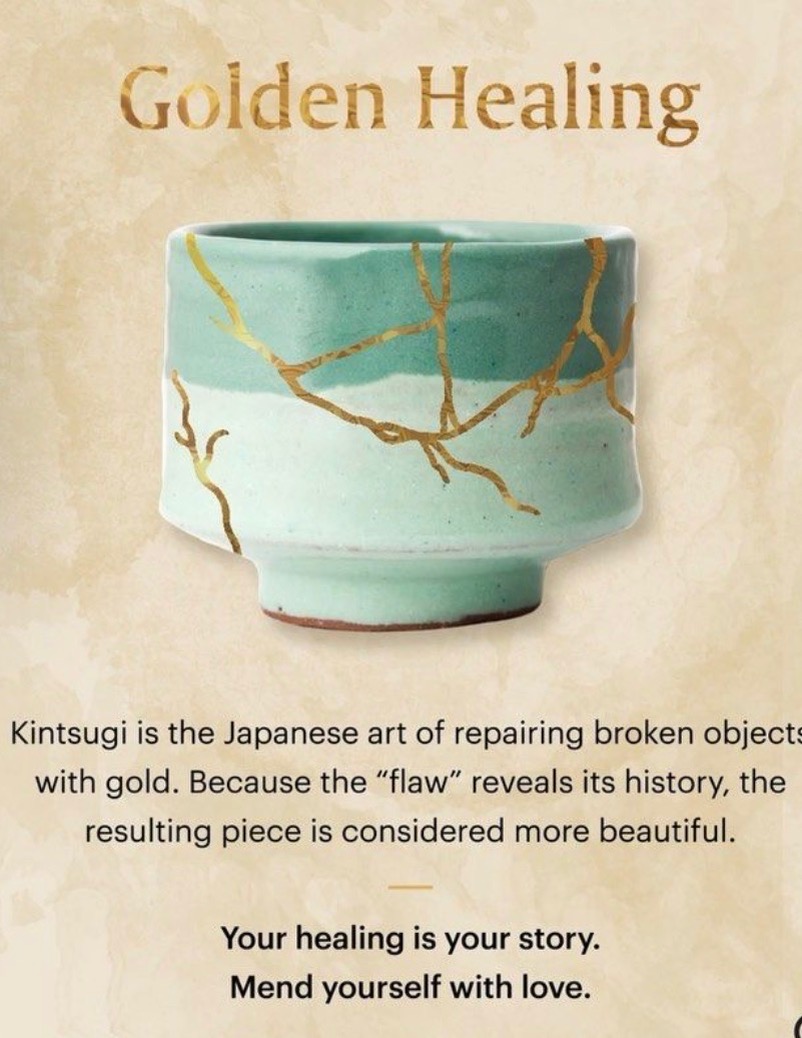
When applied to humans, kintsugi teaches that human traumas, scars, and brokenness are not flaws to hide, but chapters of resilience that make one uniquely beautiful and whole. Various lifestyle coaches and religions have embraced the concept.
Kathleen Tessaro, an American historical novelist quotes:-
“Kintsugi is not just a repair method but also a philosophy: the belief that damage, cracks, and repair should not be hidden but become a treasured and honored part of an object's history. In fact, the piece becomes more beautiful for having been broken."
Further, so appealing is the concept and look of Kintsugi that that one can now purchase art objects made to mimic kintsugi to celebrate Japanese wabi-sabi aesthetics—finding beauty in imperfection—by using gold leaf to highlight cracks. This ranges from intentionally broken, “ faux- repaired” ceramics, trays or even wall sculptures.
Also there are various wallpapers depicting kintsugi patterns.


If one follows Canadian Elaine Dembe’s excellent advice to “Use the Good Dishes”, there are various ways to approach repair if/when one breaks.

"We can restore any damaged treasure, but only God can restore broken lives."
Peter Yeung : Kingsmen Restoration
Kintsugu: the art of beautiful imperfection