A block past Richard Wagner Strasse, adjacent to the glinting azure of Lake Zurich, in timeless repose rests Museum Rietberg. In the villa where a besotted Wagner composed ‘Tristan and Isolde’, and in a city known for its time-keeping masterpieces, this museum in Zurich beckons toward timelessness.
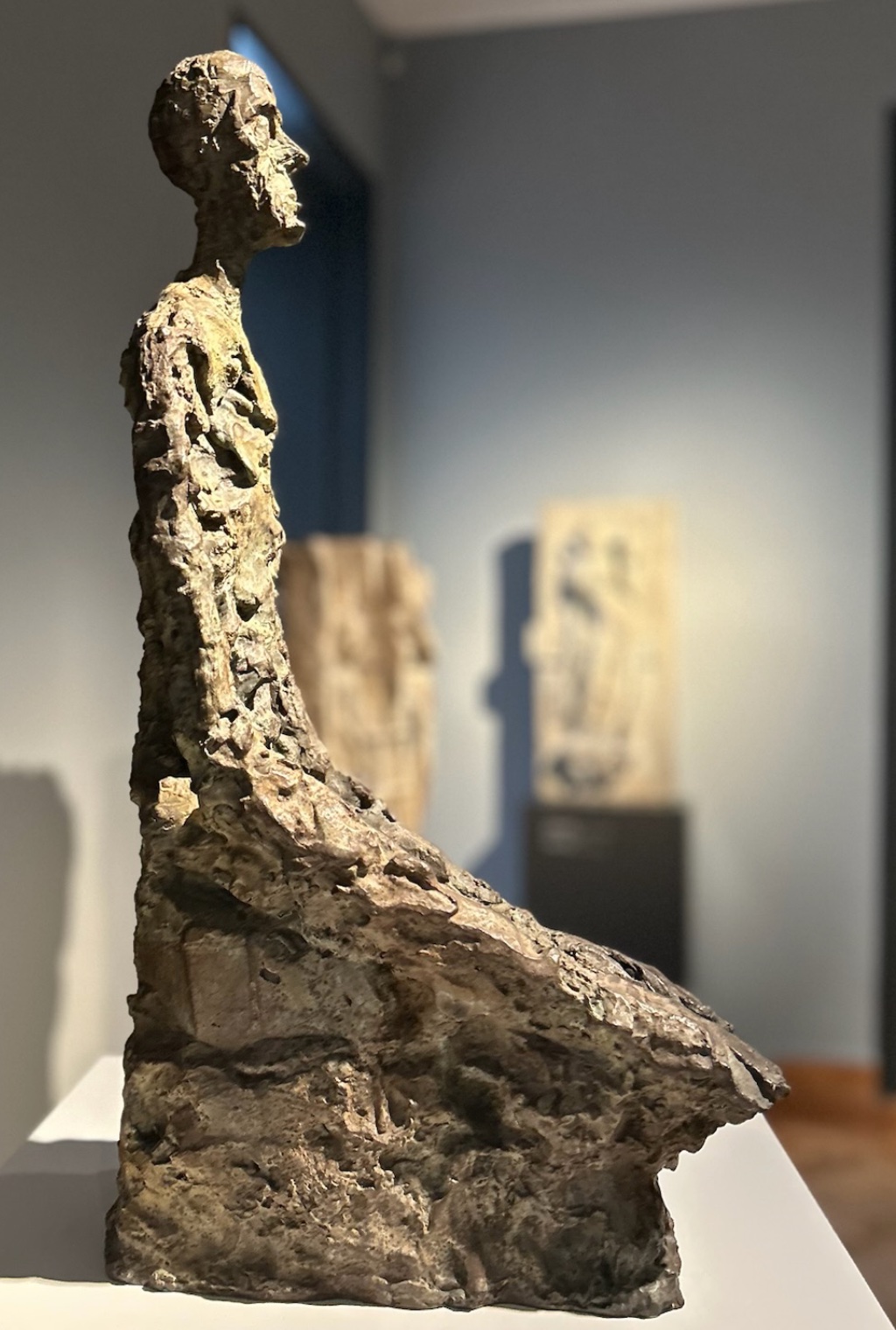
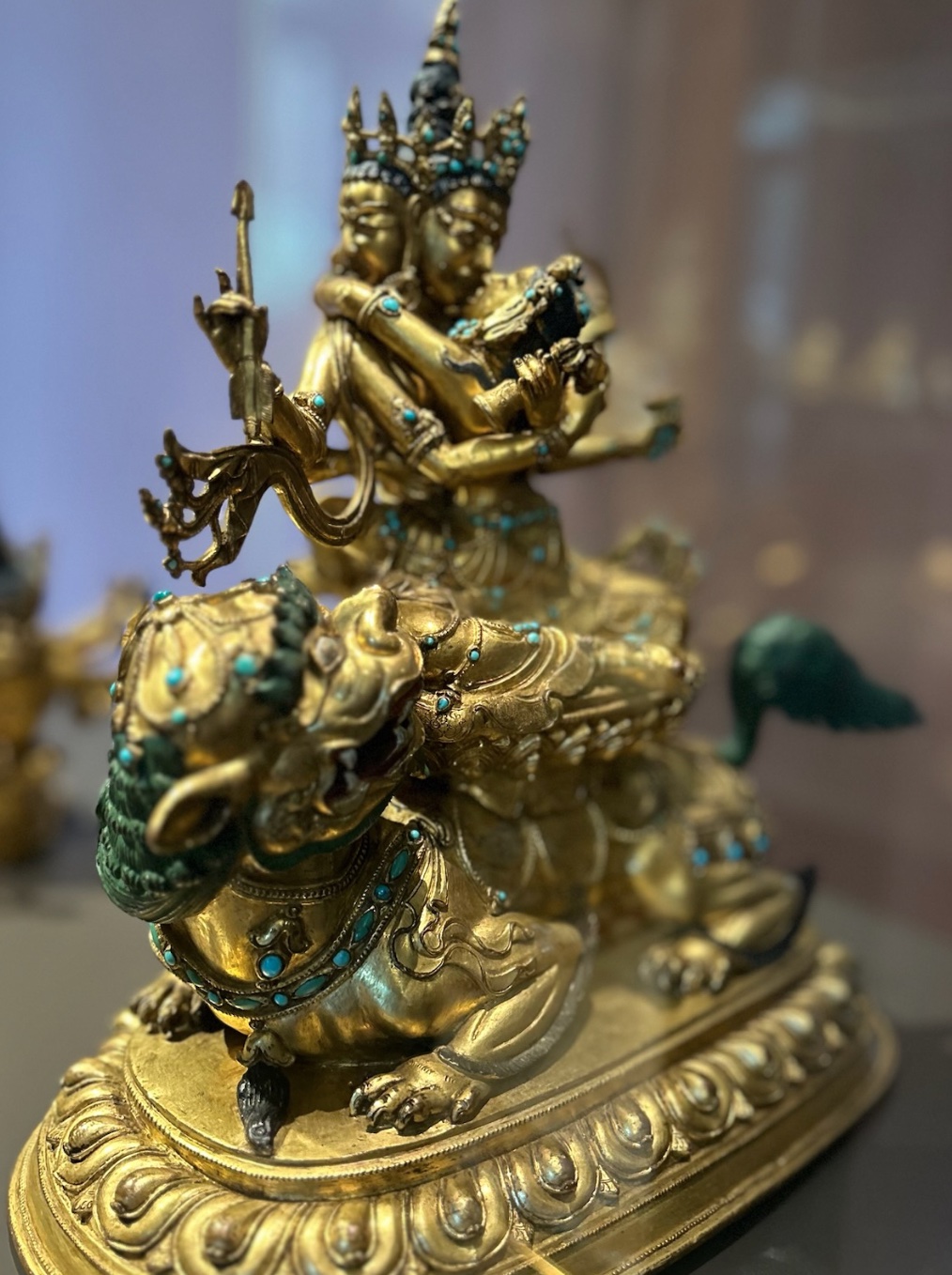
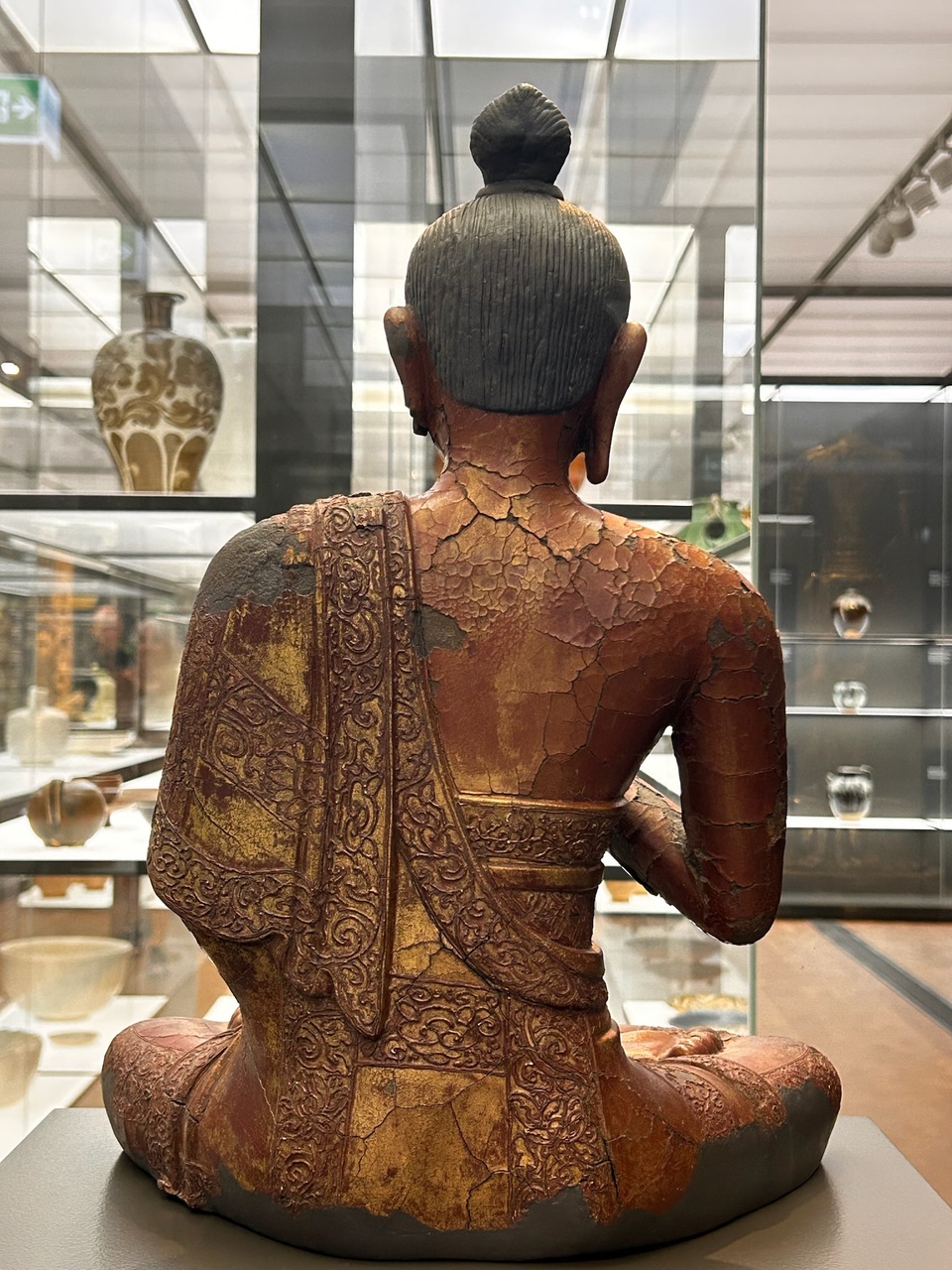
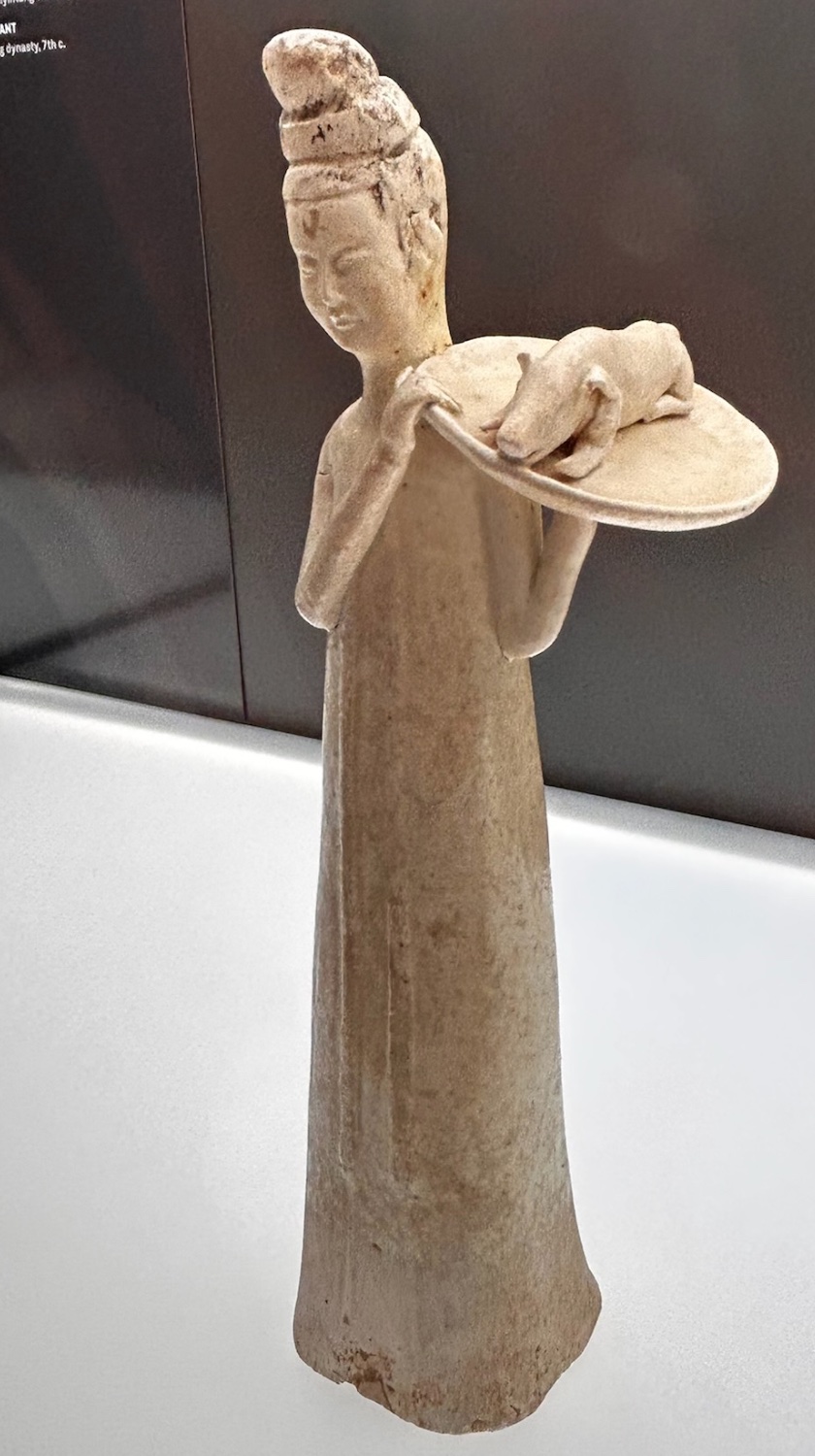
The art collection is spilled in a considered mosaic within contemporary gallery spaces. Juxtaposition—pairings that intrigue, inform, and expand awareness—distinguishes the consistently brilliant curation of this institutional gem. A serene Giacometti meditates opposite a Jain Mahavira and erotically spiritual Tibetan statues are solemn neighbors to playfully painted Indian deities.
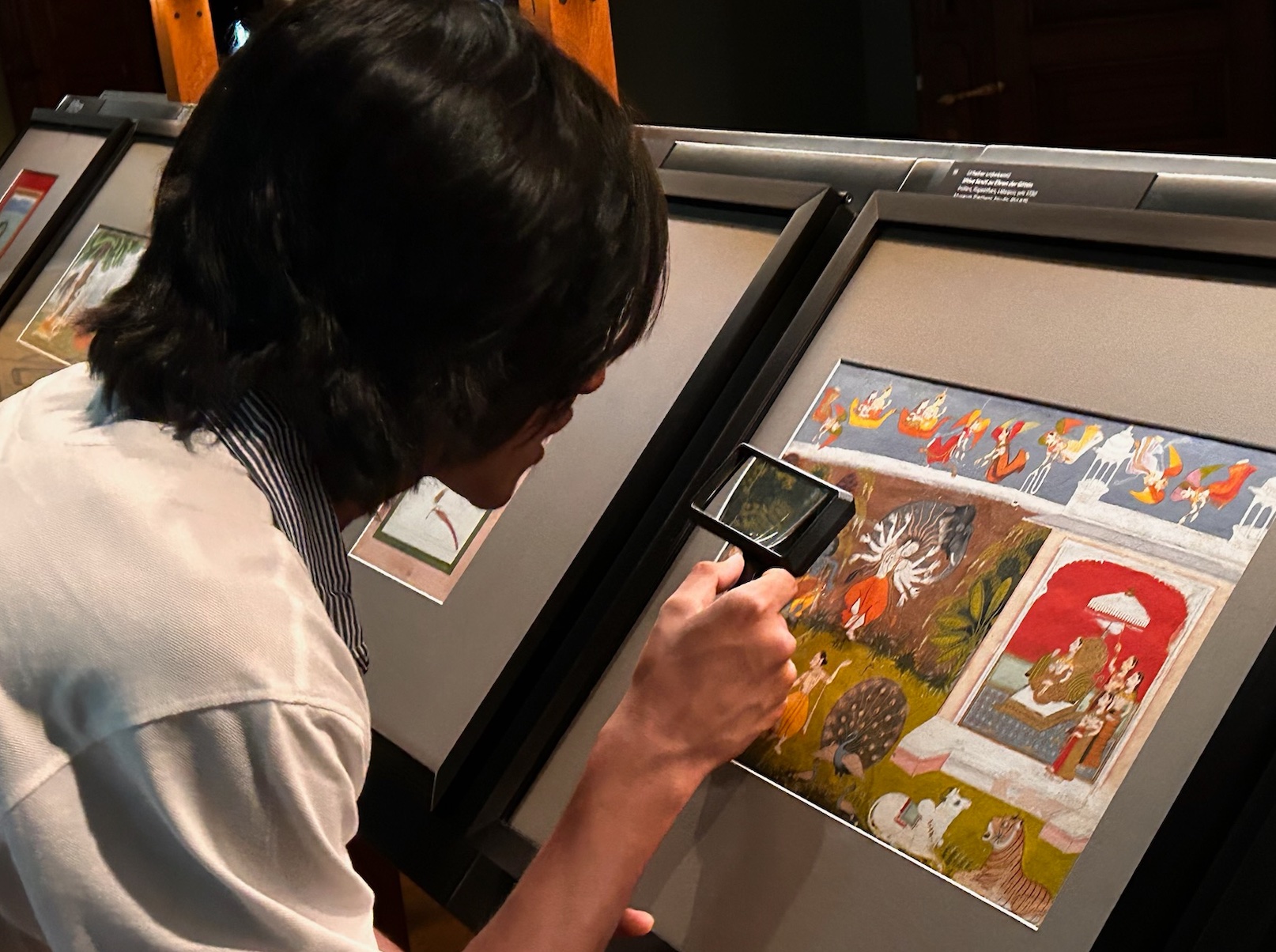
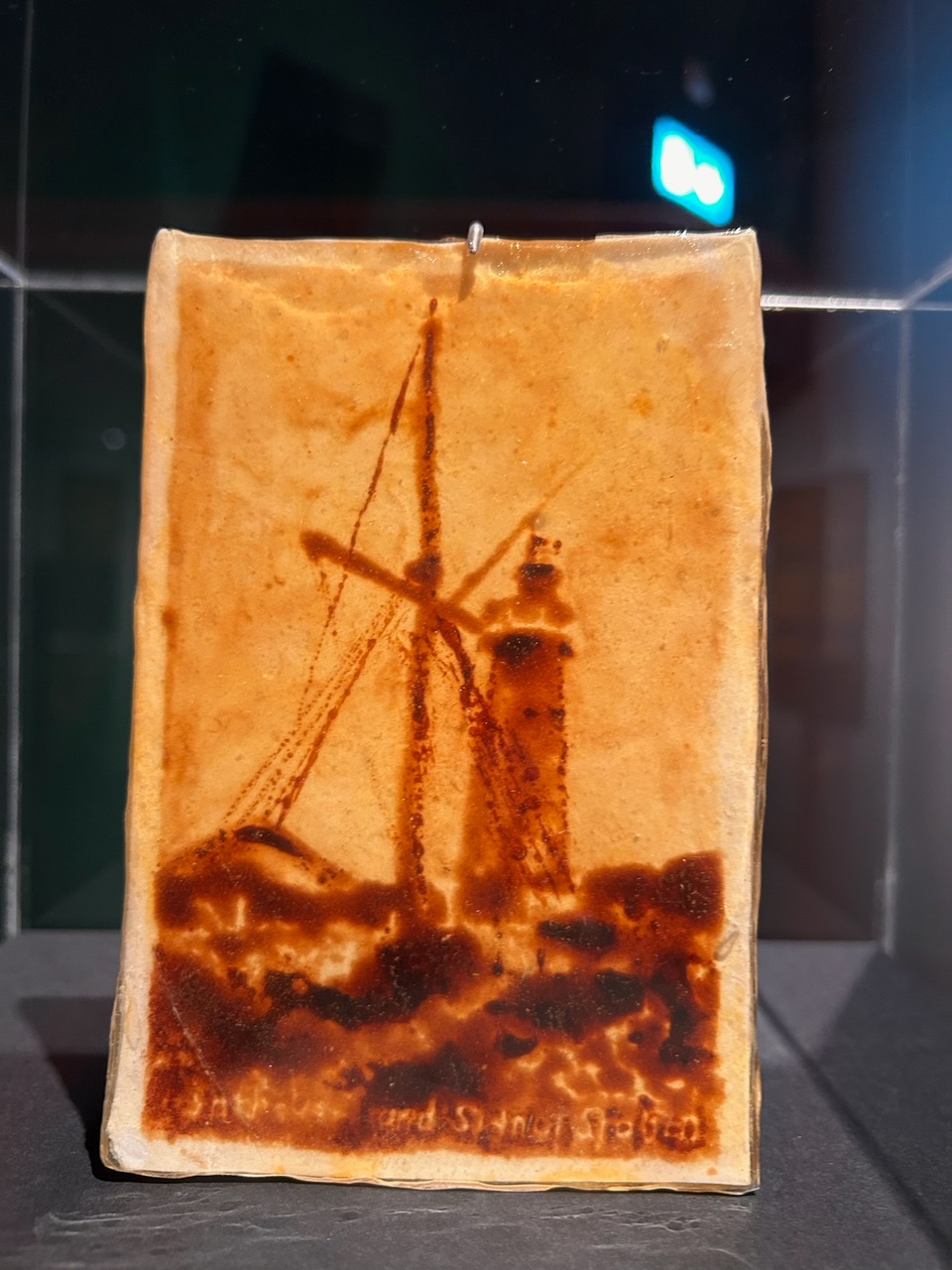
Their current exhibition, ‘A Kind of Paradise’, profound with mnemonic resonance, recalibrates common narratives and the viewer apprehends meanings even when they remain unexpressed.
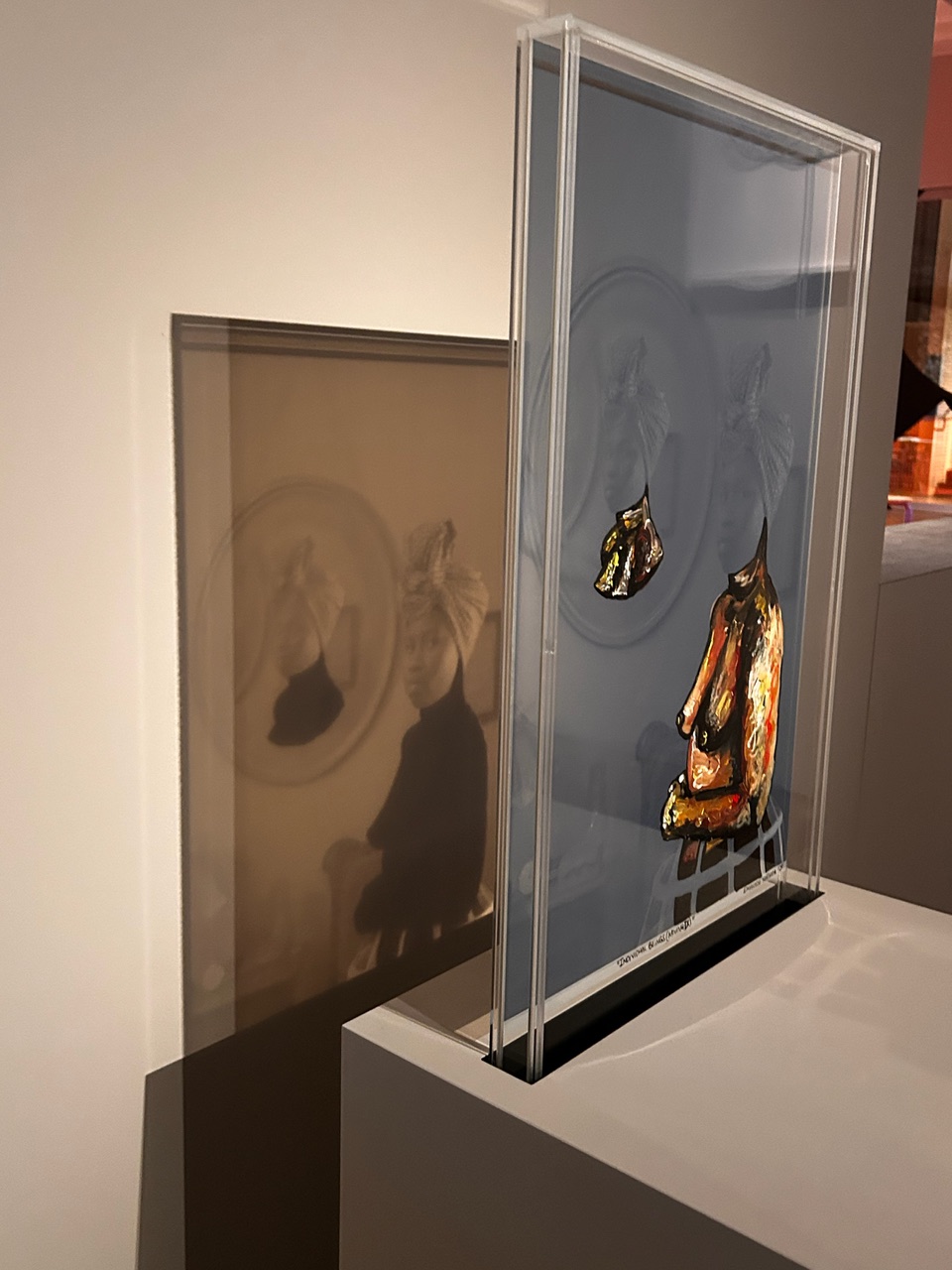
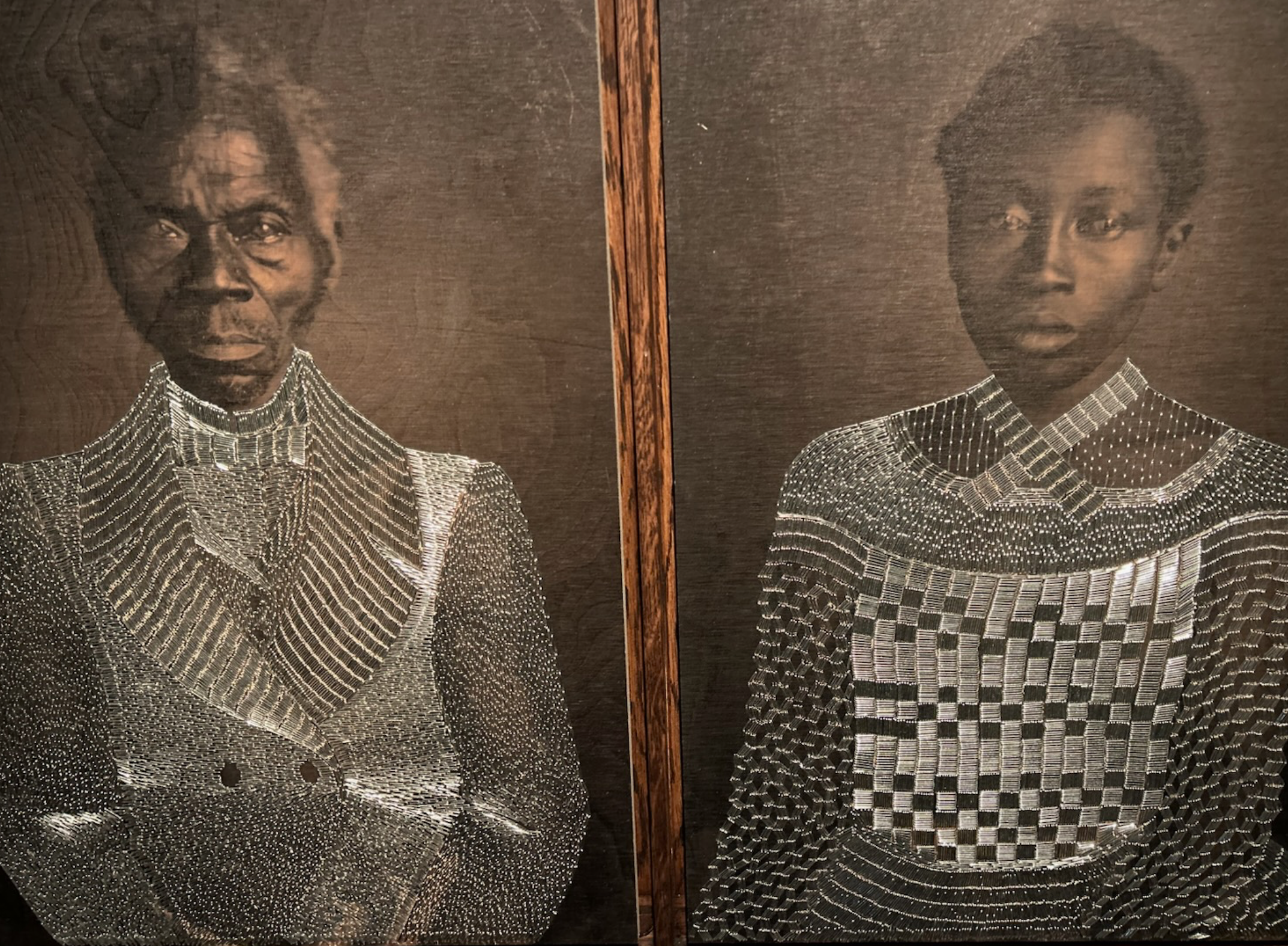
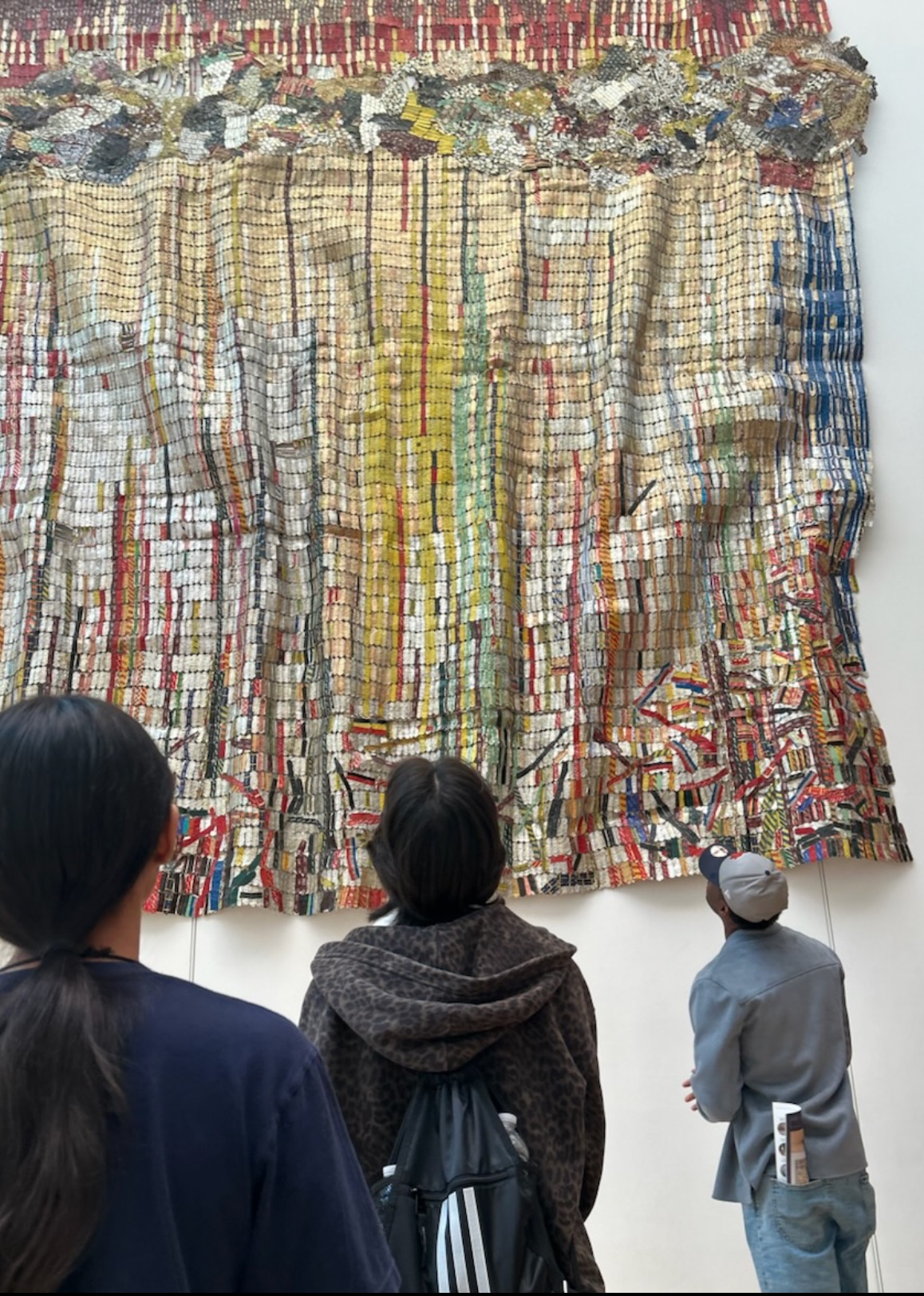
Repurposed materials imbue contemporary works with history, ornamenting them with a communal perspective. This is particularly evident in Sasha Huber’s ‘Tailoring Freedom’, currently on display at Museum Rietberg, and in El Anatsui’s ‘The Deluge’, currently reigning at the Art Institute of Chicago. Upon viewing art-pieces with such delicacy of meaning and metalwork, the students from The Nourishment Projects NFP workshop responded with reverential silence.
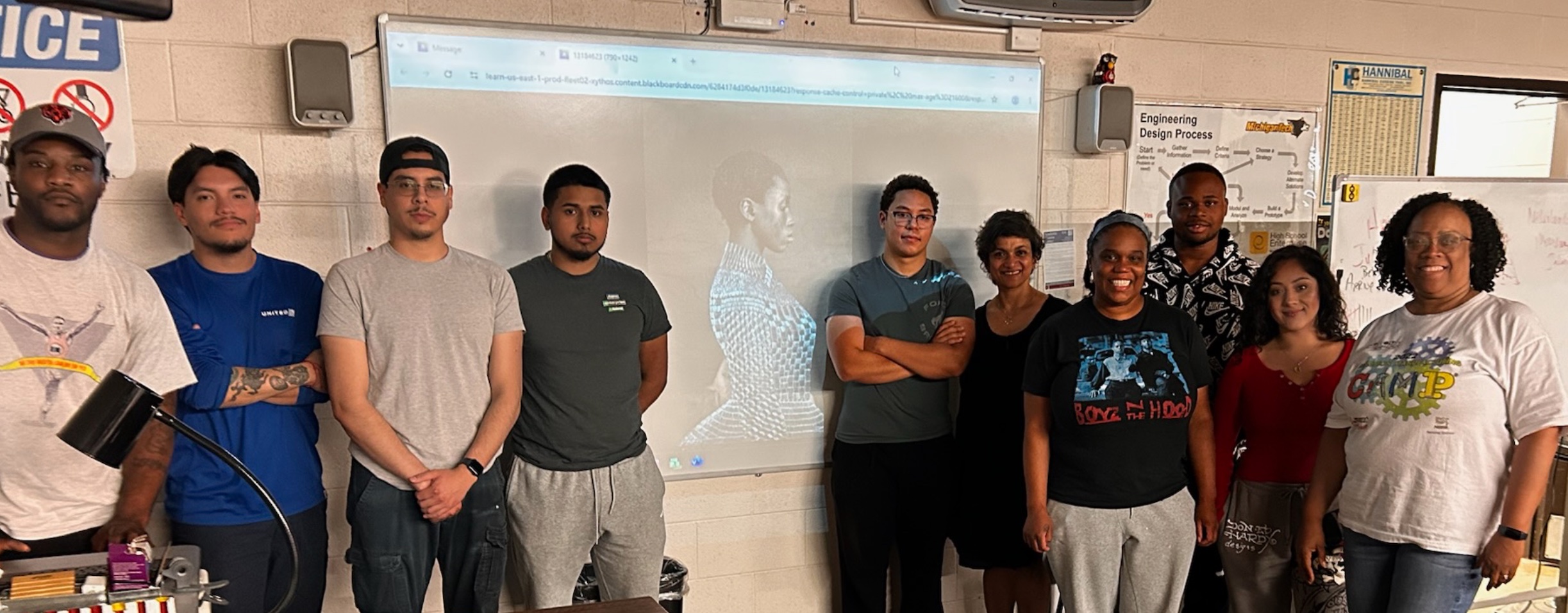
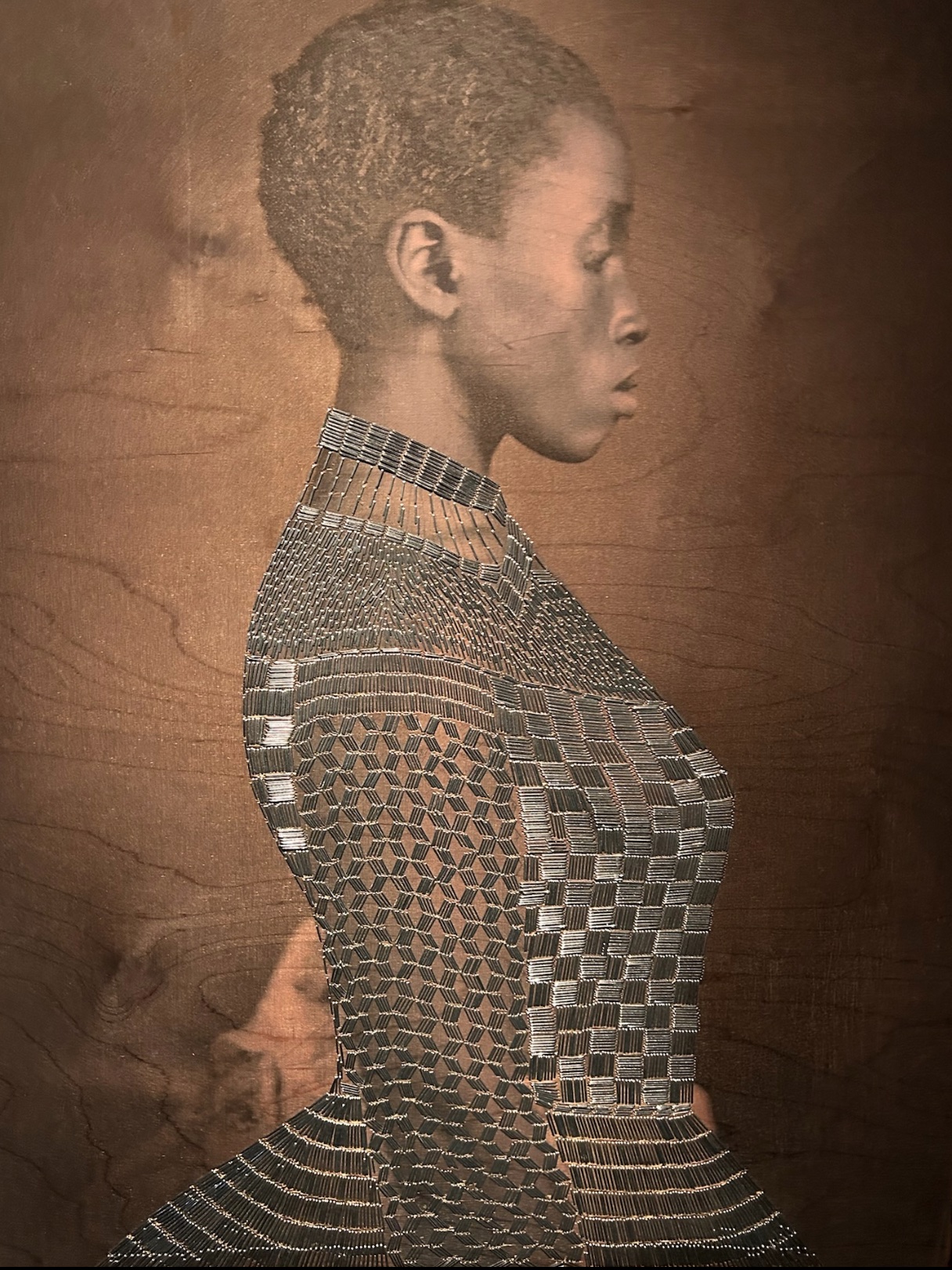
The workshop, designed for residential wiring training classes at a Chicago community college, prepares students for the competitive world of AI by nurturing technological competence into creative craftsmanship. When energized by emotional resonance, art objects come alive with inspiration. As evidenced in Sasha Huber’s images, the mundane staple is elevated into the sublime through its weaving of a garment on archival photographs. With deliberation and a staple gun, Ms. Huber stitches a shield for bodies that had been robbed of dignity when photographed after being forcibly stripped naked. The staple thus serves as both technique and metaphor for suture, a seaming of emotional rupture.
That narrative kindles into universal poignancy through the artwork created by The Nourishment Projects NFP students in Chicago. Their technical curriculum is connected to art and their subsequent creations link to more than different geographies and times. By creating art inspired by online images from Zurich’s Museum Rietberg, the students engage with and imprint themselves upon a world beyond Chicago.
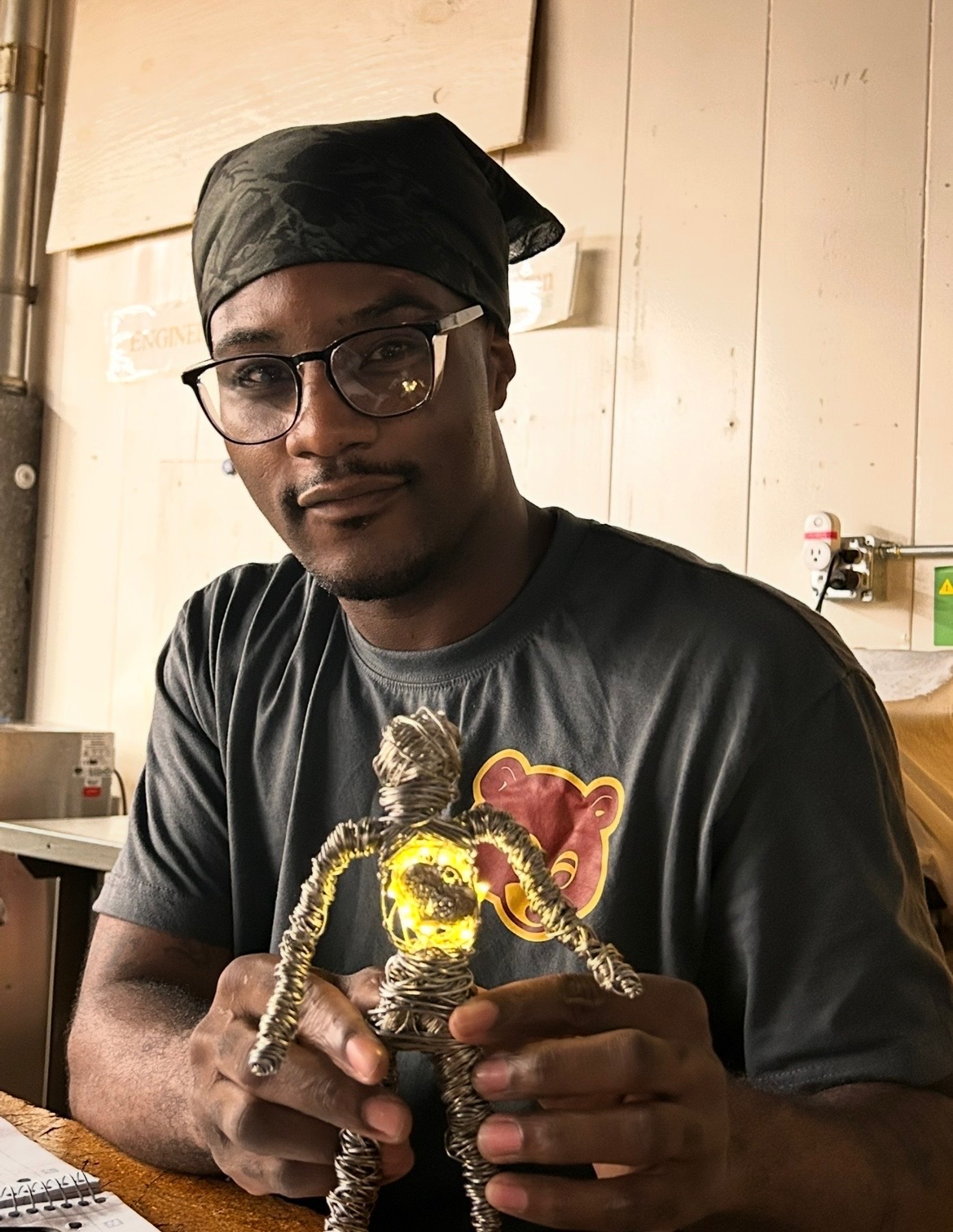
About his open-chested sculpture made of wires, Vernon Houston elucidates:
“The heart needed to be visible instead of hidden. It symbolizes vulnerability and reminds us that opening ourselves to others is how we build trust, relationships, and personal growth. The illuminated heart represents the inner light every person carries. Sometimes that light shines on its own, and sometimes that light needs another person’s encouragement to help us discover it. Just as electricity flows through wire, love is the ultimate current that flows through the human spirit.”
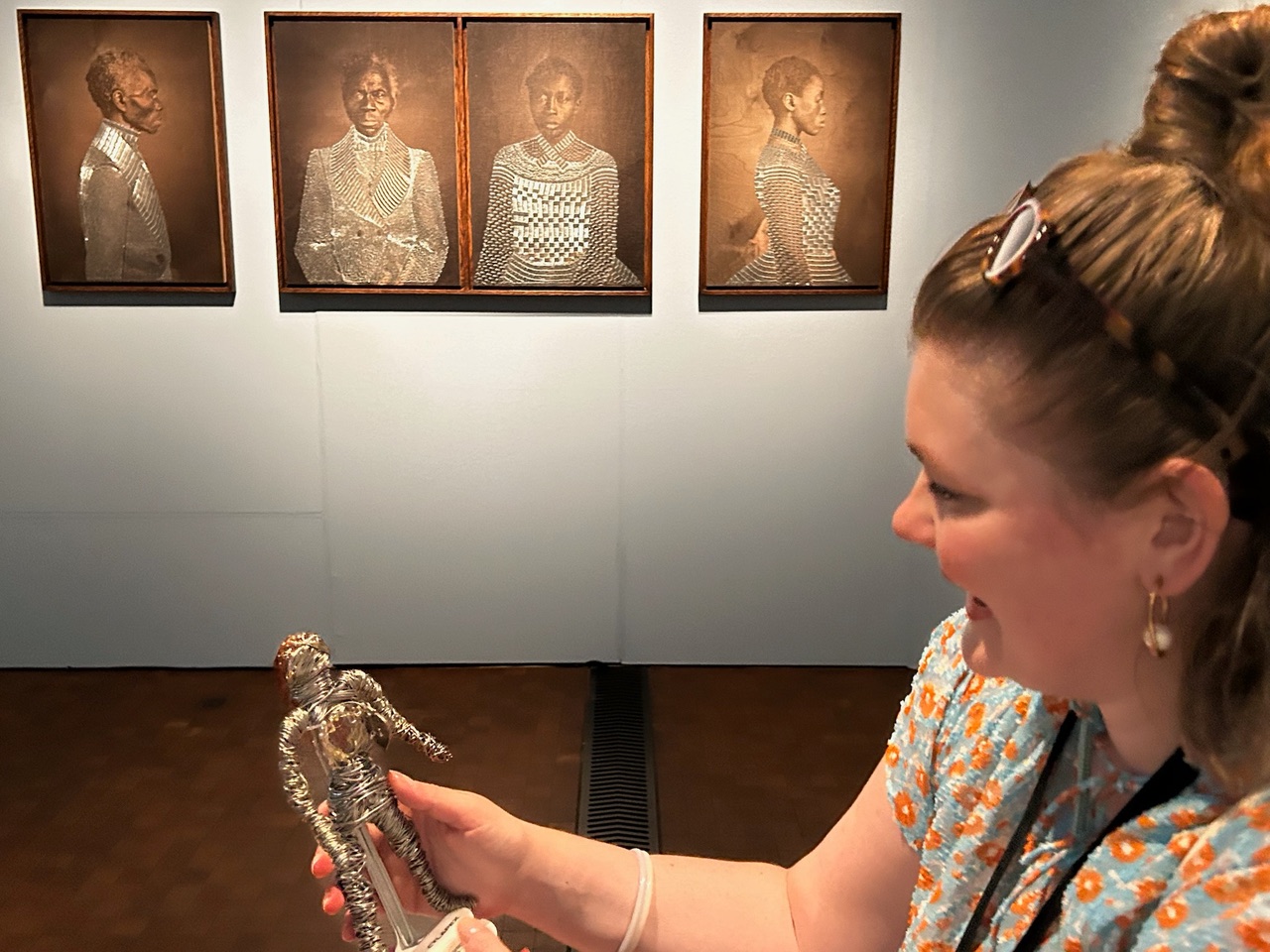
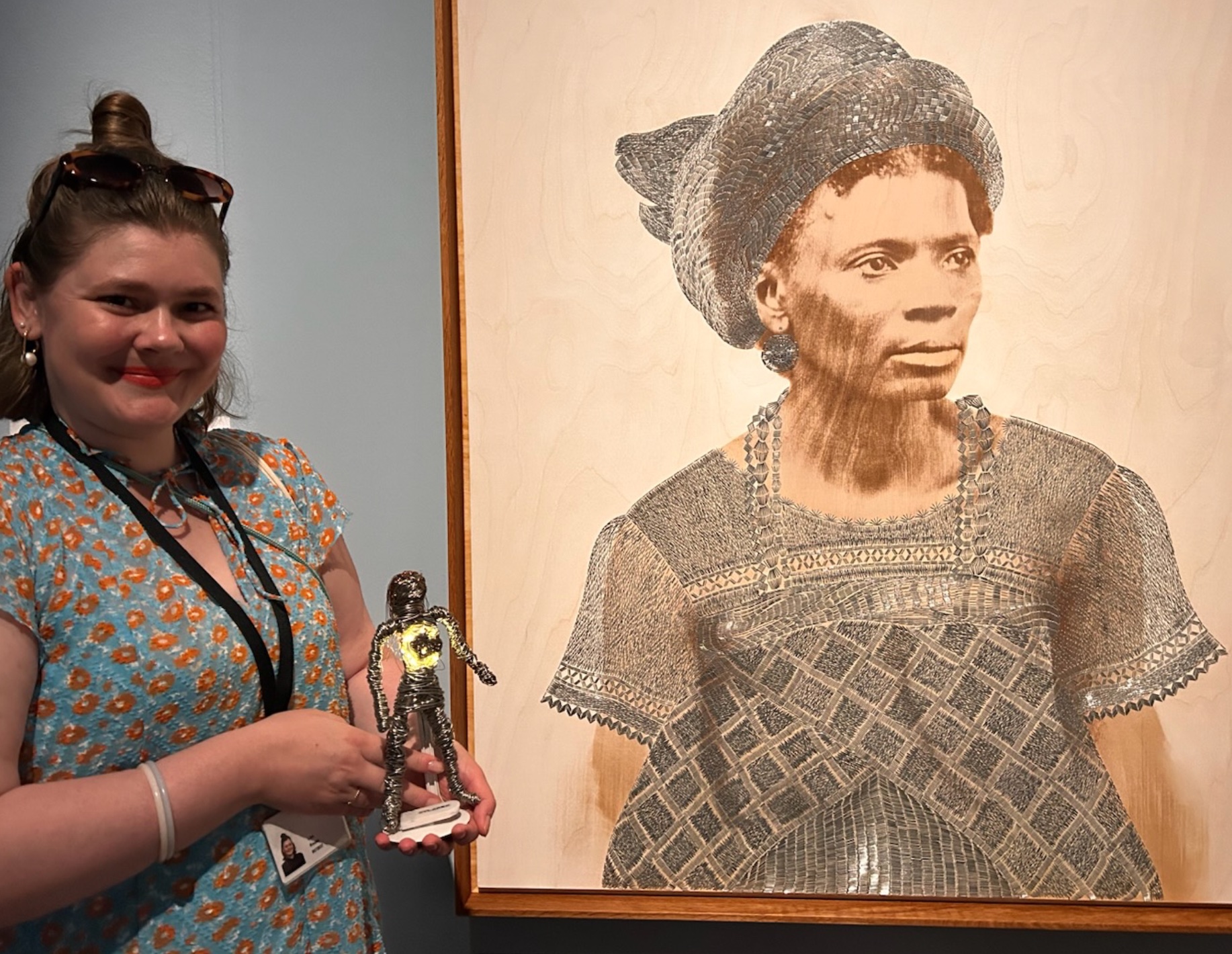
Mr. Houston’s illuminating creation was taken to Zurich and when beheld by Museum Reitberg’s Lisa Roulet, her delight in his interpretation embodied a completion, the homecoming that is recognition. The Museum Rietberg curator’s resonance with the Chicago students’ artworks — which were inspired by the Zurich-based exhibition, ‘A Kind of Paradise’, she had helped organize — reflects an omnipresent linking: our seamless humanity.
For more information about the educational not-for-profit organization, The Nourishment Projects NFP, please visit thenourishmentprojectsnfp.com

