
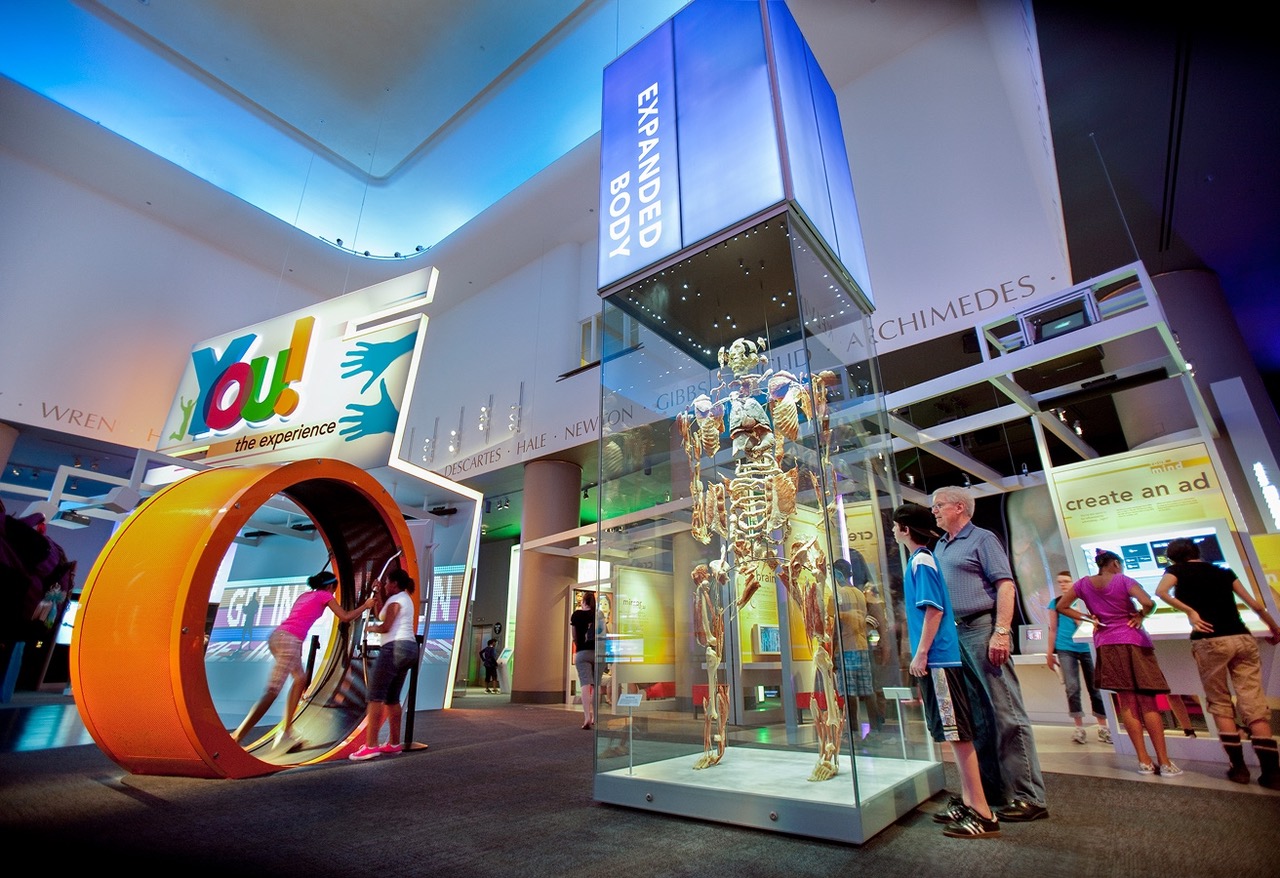
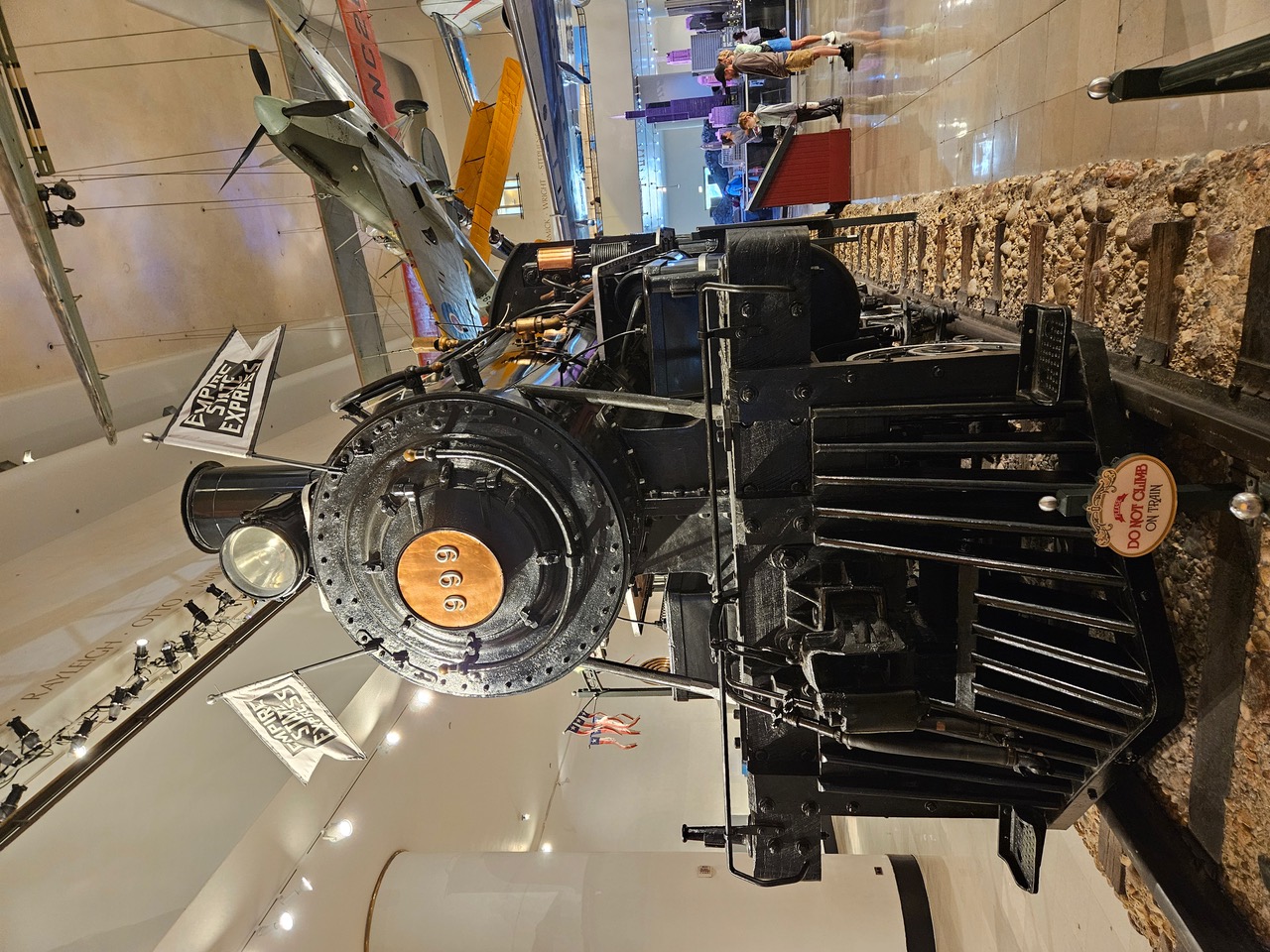
There are splendid exhibits at the Museum of Science and Industry in Jackson Park going on now, but none more spectacular or moving than the exhibition on the life of Anne Frank. A companion and I went there not knowing what to expect, since neither of us had been there before. When we entered to pay our admission, we were awestruck at the size and scale of the interior. The walls toward the center soared up to a circular dome as high as any cathedral and just beyond an exhibit on transportation contained a plane suspended from the ceiling, and the first diesel-powered train in America. Other exhibits on transportation show detailed models of “Ships through the Ages” and a collection of historic racing cars.
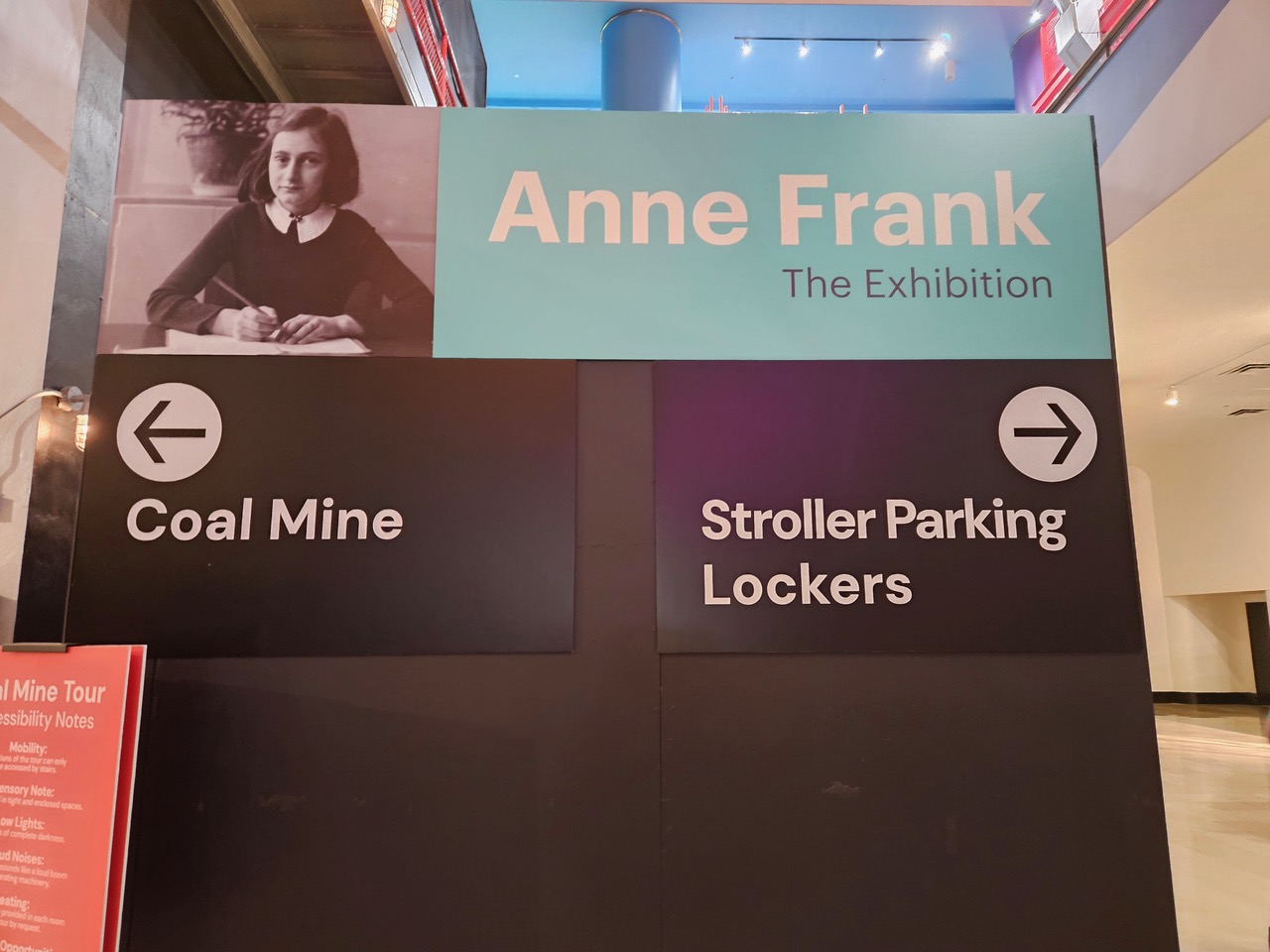
The jewel in the crown, however, was the traveling exhibition on the life of Anne Frank. At the entrance to the exhibit, staff members gave each of us a free audio device which, when activated, told the story of Anne’s life and those of her family. They also supplied the backstory, narrating historical events such as the Nazis’ rise to power that shaped Anne’s life and the circumstances that led to her death. Through photographs, film footage, and actual artifacts from her life (such as her tea set, books and the famous cloth covered diary) the exhibit fleshes out the bare facts and makes history and the life and death of a young girl more immediate and moving. The exhibit is open through January 31, 2027. Admission is free for school field trip groups with advance reservations.
For school age visitors, the museum also has special events and learning labs. The learning labs are linked with classroom curricula and “provide hands-on access to STE(A)M learning” led by the museum’s education team. The goal is to link class work to real world science and engineering. The museum has on-site learning labs, virtual learning labs online and mobile learning labs which can brought to the school’s location.
Among the shows the museum has are special films in the Giant Dome Theatre. Shows now playing include “Extreme Weather”, documenting climate change and its effect on our planet; and “Shark Kingdom”, about one of the ocean’s most ancient creatures. Live Experiences are free science shows led by the museum’s facilitators. One such “experience” is the Eye Dissection Show, which makes use of a real cow eyeball to show how eyes work and delve into common issues and illnesses in human eyes. A particularly exciting show for schoolchildren is “Vortex”, which showcases the science behind tornadoes and lets children stand in the center of a 40-foot vortex—the “eye” of a tornado. These shows are also included with the price of admission.
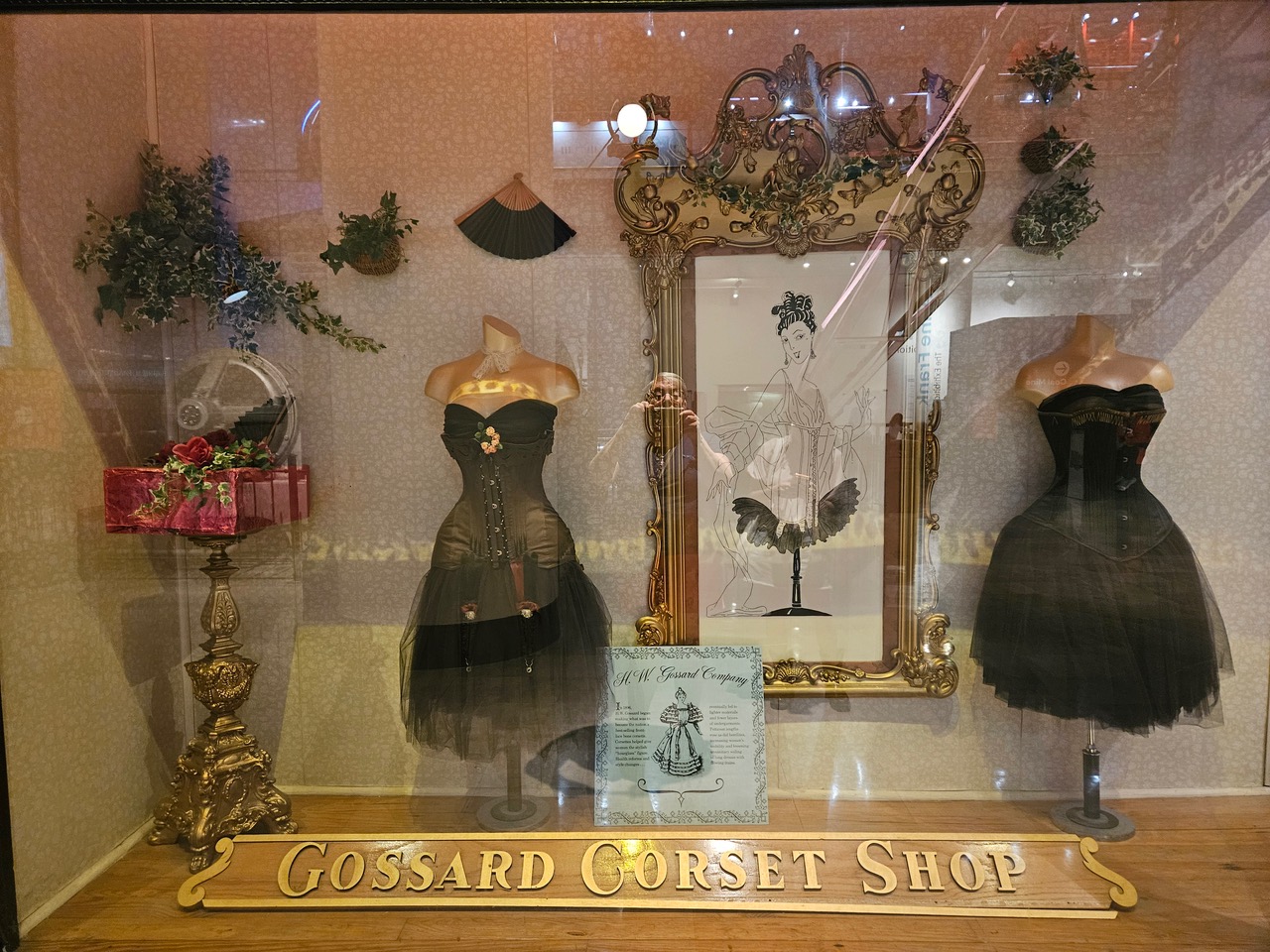
Visitors can also go on a tour of a recreated coal mine. One can see and hear the working equipment once used in the mines. A visitor can form a new perspective on America’s energy history as they see the engineering effort and mechanical might that go into mining coal. Main Street is another exhibition, recalling the typical American main street of a town at the turn of the twentieth century. A recreated shop window features tightly corseted bodice-and-skirt outfits and a cobbler shop with high button shoes on display.
Whether one is a student, an adult or a family, the Griffin Museum of Science and Industry has a wide range of exhibits and shows to feed the curious mind. The museum website is griffinmsi.org and has all the details on exhibits, shows and ticketing.