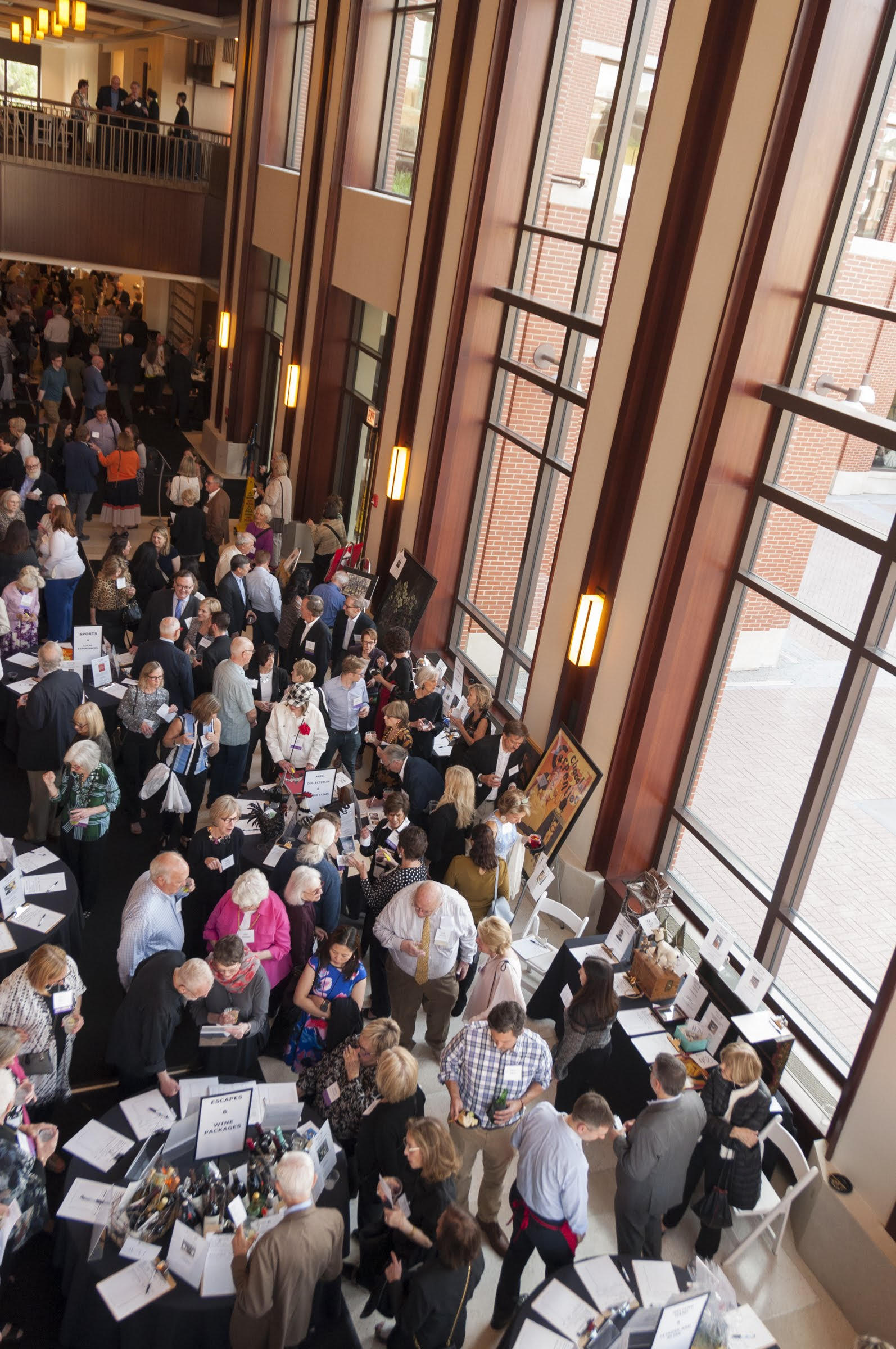
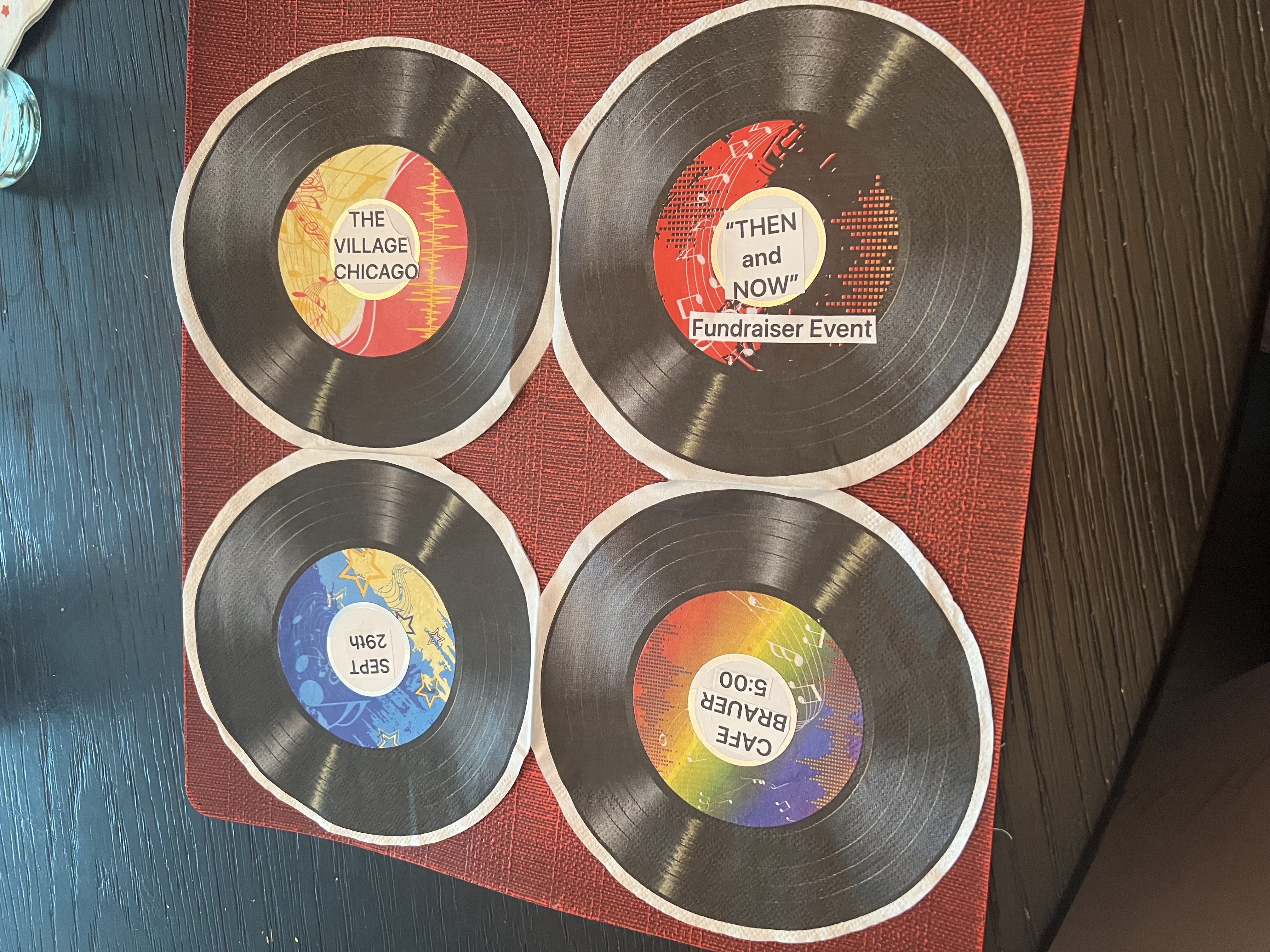
Funny how 40 years can disappear in an instant. It might be a song or an old TV show; a scent or an old Polaroid. Someone mentions one thing and someone else remembers another. Before long, connections are being made and people discover experiences they never knew they shared. That has been happening a lot lately as The Village Chicago gets ready for our September 29th benefit, Then and Now: A Retro Celebration. What started as some fun with the sixties and seventies touched off a wave of nostalgia which got me thinking - what exactly is nostalgia?
It turns out that nostalgia is much more than a nice little moment of remembering. That in fact, it performs the very important functions of reminding us who we are and what has mattered to us; reconnects the past and present; reinforces meaning, and provides the optimism to face whatever comes next.
We know this because of Social Psychologist Constantine Sedikides, who in 1999 moved from North Carolina to the University of Southampton in England.
He found himself really missing Chapel Hill and a clinical colleague suggested he was depressed. He was quite sure he wasn’t, because the reminiscing made him feel rooted, not stuck and he decided to settle the dispute with data.
Thus began the foundational research on nostalgia - seven studies conducted by Sedikides and his colleagues, published in 2006 that put nostalgia to the test, examining what it is, what brings it on, and what it does for us.
Prior to that, it had already been established that personal identity is shaped by memory and that recognizing a past self has warmth and intimacy. It’s your memory, not just something you learned. In 1950, Erik Erikson identified integrating your life’s story as an important developmental task of later life; and in 1979, American sociologist Fred Davis argued that nostalgia is a mechanism that helps do that by preserving continuity of identity across the life course.
Nostalgia is different from memory because it has emotions attached to it. It’s triggered when something in the present (a street sign, a book, a life transition, even a period of uncertainty) activates a meaningful autobiographical memory. We now know that these special memories can strengthen feelings of belonging, of being loved and supported; they can reinforce a sense of identity and self-continuity knowing that the person we were, the person we are, and the person we are becoming are connected. In other words, nostalgia uses the past as a psychological resource for navigating the present and facing the future.
You can practically feel nostalgia doing its job in these moments shared by Village members:
“The smell of a newspaper press room. My father was production manager of the home town newspaper. On Saturday nights, Dad would take me with him when he checked the Sunday paper press run. Until 1992, when the Chicago Tribune moved its presses I often found myself standing in the Trib lobby, breathing in that heavy aroma of ‘old press-room’— metallic grease, oily hydrocarbons, damp paper—and remembering.”
“Sleep-away camp. It’s a place where the rhythms made sense. Bugle, flag ceremony, breakfast, chores, then the good stuff. Simple structure, simple freedom. Camp is where my sister and I became best friends. And now when I see kids get off camp buses it takes me back to that time when life was just lighter.”
“Paddy Clark Ha, Ha, Ha by Roddy Doyle. A book my father loved about a 10 year old boy growing up in 1960s Dublin that started my love of literature.”
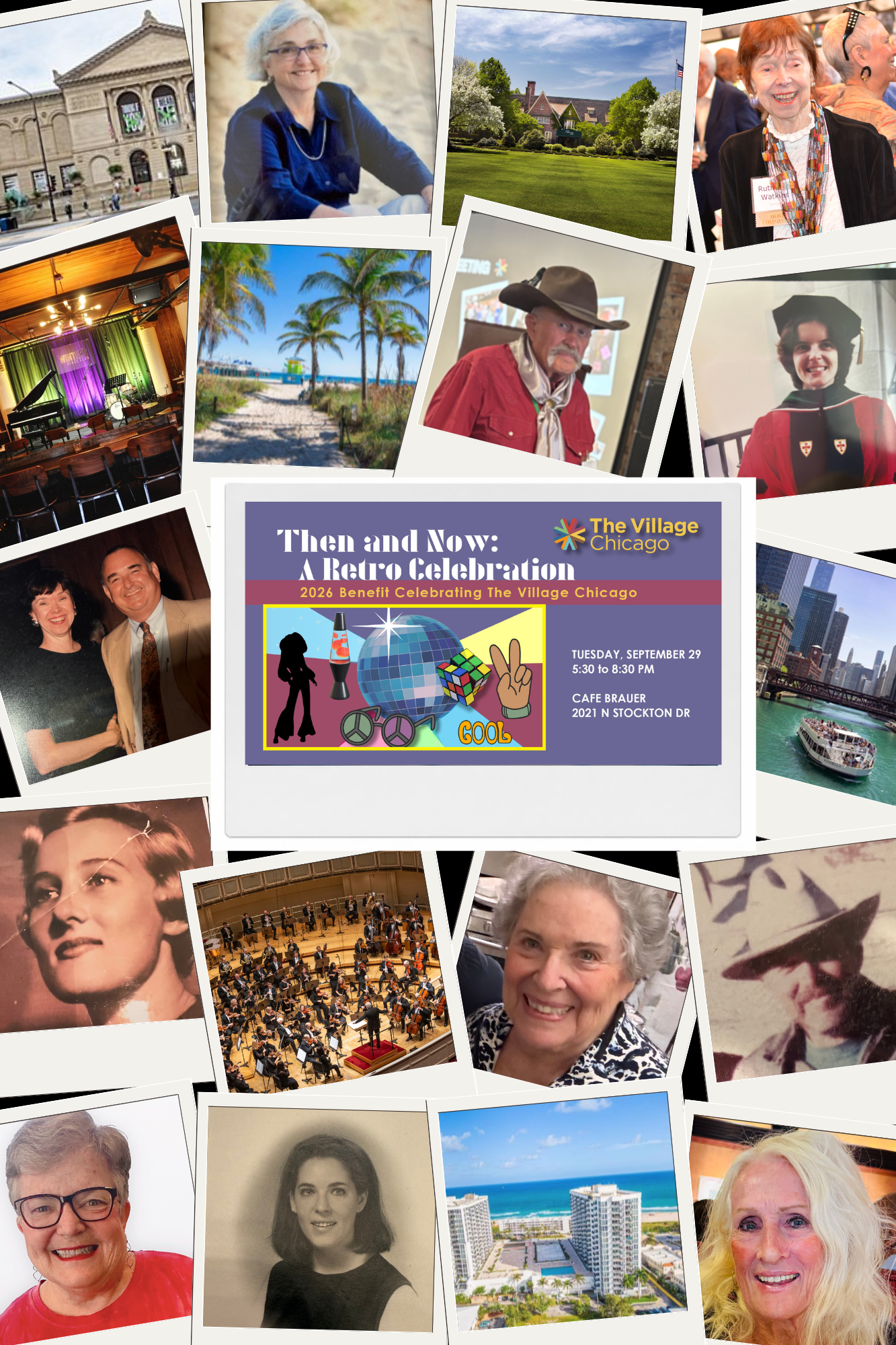
After 17 years as a member of The Village Chicago, I’ve learned that nostalgia isn’t only about the memories we carry with us. It’s also about the memories we’re still making. I hope you’ll join us, or come to our benefit, (or both!) and make a few of your own.