
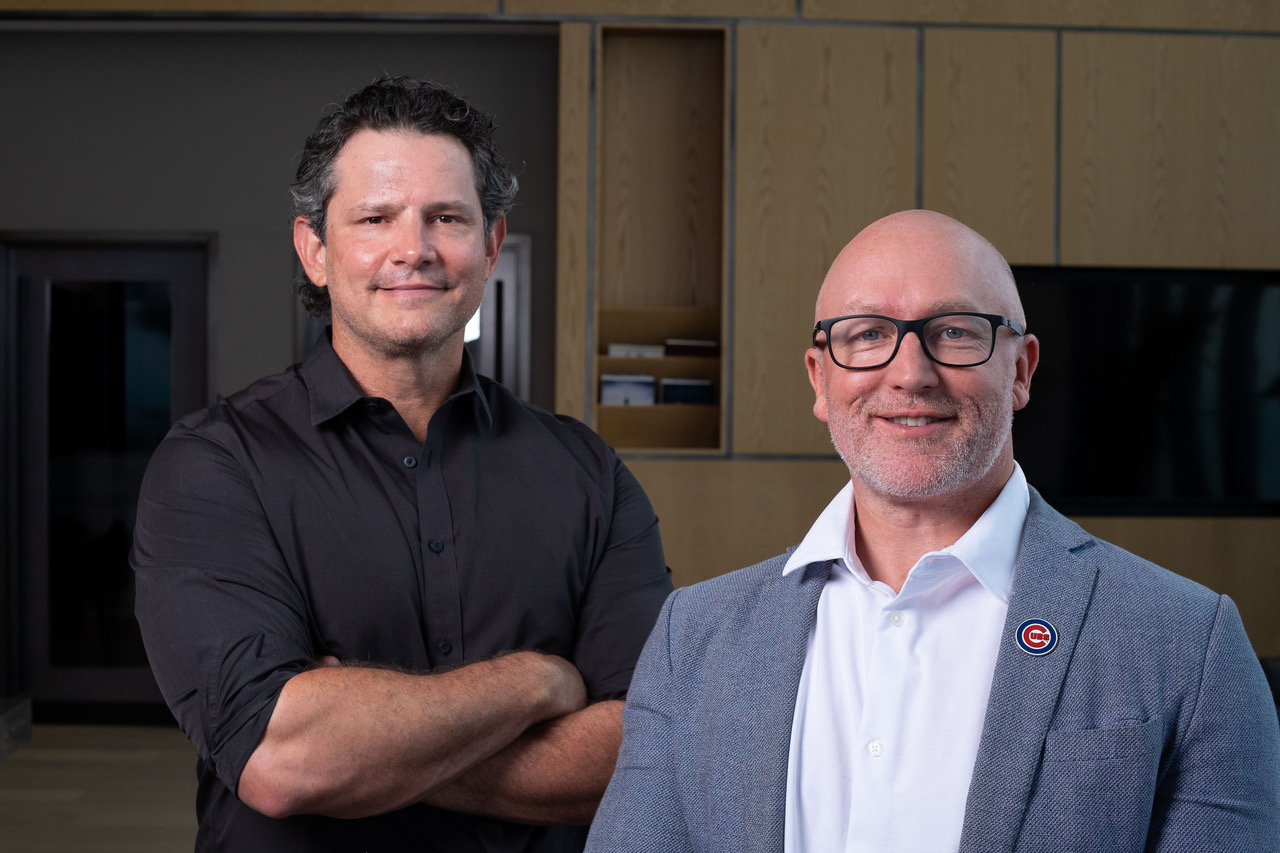
Growing up in Australia, Leigh Taylforth and Rhett Dinsdale were passionate sports fans. Taylforth was obsessed with collecting NBA and NFL trading cards, and he’d memorize the stats on the back; Dinsdale was also enchanted by numbers in sports and followed various baseball teams while playing the game himself for decades.
About 15 years ago, the derivatives traders met in Sydney. More recently, they were looking for new challenges. What do huge sports fans dedicated to trading careers do? Combine derivatives and sports – for the first time.
What emerged is FutureSports. Launched officially this summer after years of under-the-radar work, the 20-person, Chicago-based company has developed contracts designed to hedge risk for sports partners from corporate sponsors to media-rights holders. Each FutureSports Performance Index (FSPI) will move as traders analyze real-time, in-game statistics. The FSPI Sports Index Futures will trade via CME Group, the world’s largest derivatives marketplace. CME Ventures, a part of CME Group, is one of a number of Chicago investors in FutureSports along with DRW, Marquee Ventures and others.
The first indexes will kick off Sept. 28. Contracts will feature the 32 National Hockey League teams, thanks to a partnership between FutureSports and the NHL announced in August. The league’s season opens the following day, and the contracts will trade through the playoffs.
“These indexes are a proxy for the health of clubs,” explained Dinsdale, who grew up with little chance to watch ice hockey Down Under and now loves the sport. “It’s a cumulative index much like the S&P 500.”
As suggested by their name, derivatives are derived from something else. A trader doesn’t own soybeans, for example; just a contract that fluctuates based on the soybeans’ value. But a farmer who grows soybeans can also buy that derivative to protect against low prices for his or her crop, similar to what an NHL corporate partner can do (or even a team season ticketholder). Owners and players, among others, will be prohibited from trading to maintain the integrity of the index.
Dinsdale described how an NHL broadcaster (who paid the league for the right to televise games) might use the new products.
“A broadcaster looks at the schedule and figures out advertising spots and costs for a game,” he said. “They’re taking a risk – will the team be as good as last year?
“If the Knights have two guys injured, and the Hurricanes have performed poorly recently, the game may not be as exciting to watch. The broadcaster could buy exposure in underperforming teams.”
Aligned with more than 70 brands worldwide, the NHL is providing the real-time statistics to FutureSports. Keith Wachtel, President, NHL Business, explained why a multi-year deal with a yet-to-be-proven entity made sense.
“We’re pleased with the financial model we have with them, which is similar to the one we have with the sports betting and prediction markets,” he said. “The product is the hero – we’re a mechanism for delivery. In the end, it comes back to the same thing – how do you get more people to engage in the sport of hockey?”
Taylforth and Dinsdale moved to Chicago three years ago with few financial and sports contacts. They had been persuaded that for their idea to succeed, they needed to be based in the United States. And why will this novel concept in the $650 billion sports industry prosper?
“The feedback that we’ve gotten,” Taylforth said. “A couple of Chicago groups have a lot of conviction that this asset class should exist. There’s no great way to hedge risks in sports.”
For the next five years, “our aim is to create utility,” Taylforth added. “We want groups with significant capital invested in sports to be able to hedge those investments.”
FutureSports hopes to add other U.S. pro leagues and maybe create athlete indexes down the line, but the duo understands the process is slow.

“We’re dealing with traditional institutions. They are deliberate with how they move,” Taylforth said, noting the NHL partnership took years to execute.
Part of their job is to meet with potential clients, which often means traveling to stadiums. Dinsdale, for example, has visited 17 venues during his relatively short time in the United States; Taylforth watched Game 5 of the NBA Finals in San Antonio this year and has attended three Major League Baseball All-Star games.
“It’s living the dream combining our love of sports and markets,” he said.
But still to come is what could be called Opening Day on Sept. 28, when the indexes launch. Noted Taylforth, “I feel like I’m a kid crossing off the days on the calendar before Christmas.”