“This is Chicago’s version of the Oscars,” Ali Velshi, MS Now anchor and business correspondent, Life Trustee of the Chicago Historical Society, and master of ceremonies at the recent Making History Awards.
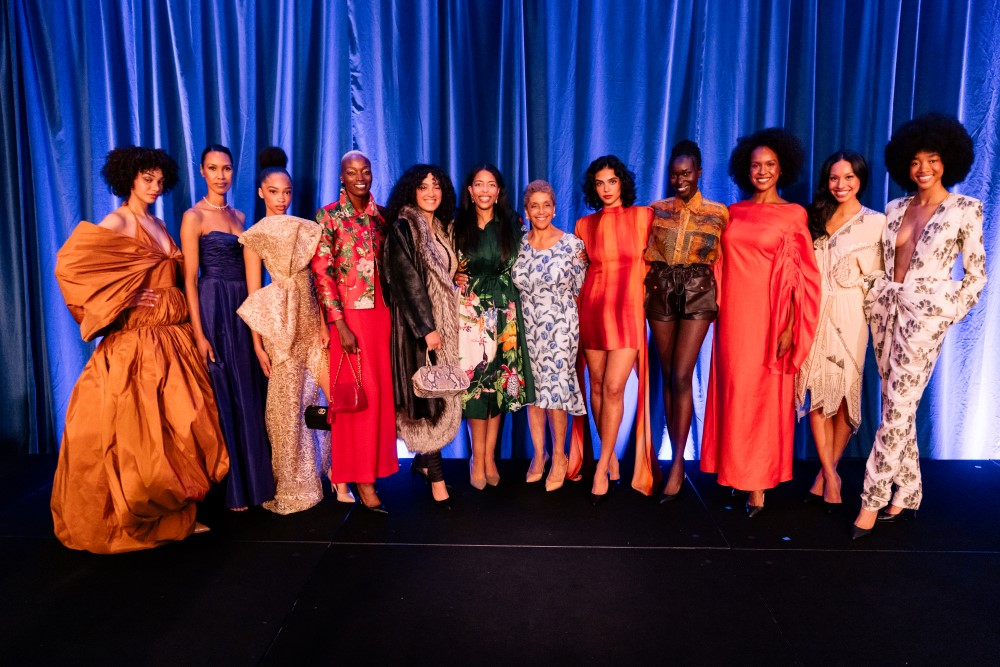
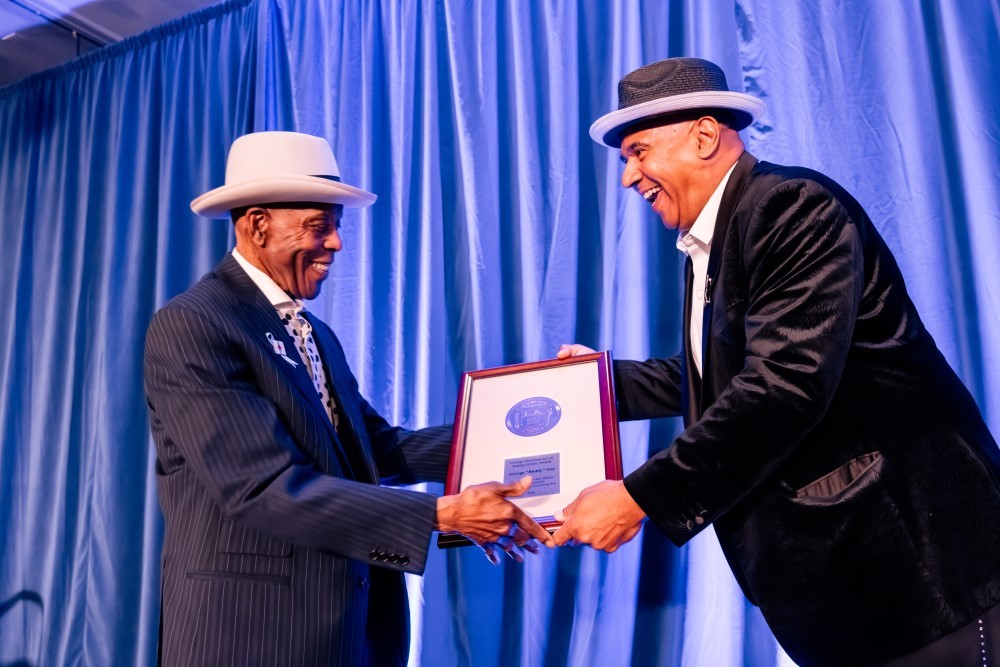
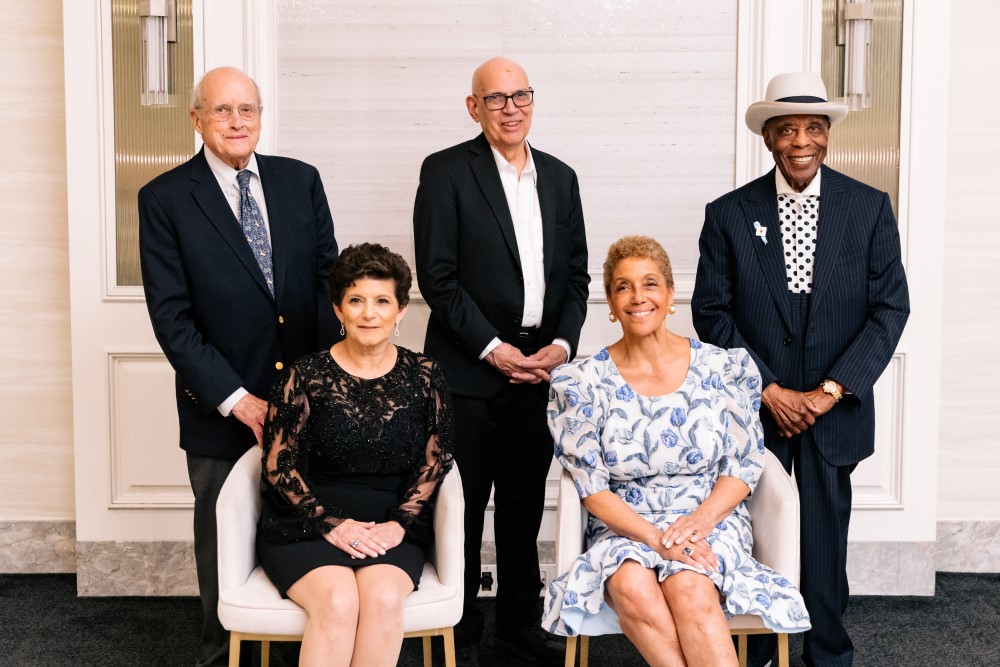
With Buddy Guy at the first recipient and a recreated Ebony Fashion Fair show honoring Linda Johnson Rice and her parents’ legacy starting and closing the Chicago History Museum’s Making History Awards and featuring John McCarter Jr receiving the Marshall Field Making History Award from Marshall Field V and then describing his favorite Chicago streets, to stirring pleas from Fred Eychaner for social change that brought cheers, to Debra Cafaro’s underscoring her goal to give everyone a shot at the American dream, the 450 guests at the Four Seasons Chicago rose frequently to their feet to applaud.
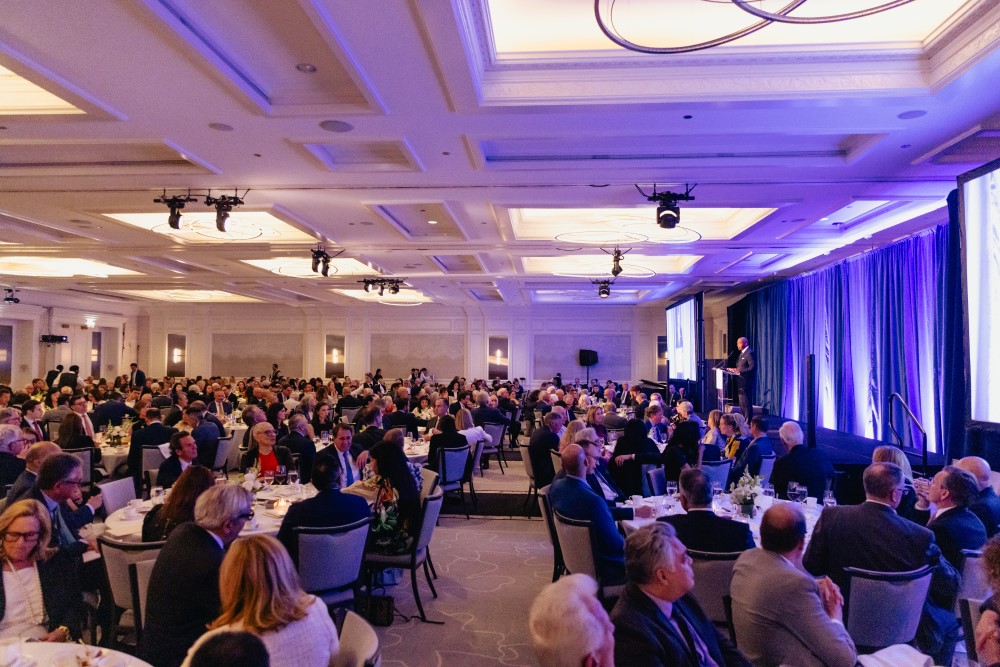
When not applauding, the guests frequently moved from table to table, catching up with friends who as a group represented as Velshi said: “leaders and dreamers, businessmen, athletes, philanthropists and cultural contributors.” Several were from the impressive list of 158 individuals and organizations receiving the award since it began in 1995 are Ernie Banks, Roger Ebert, Rick Bayless, Shirley Ryan and Patrick Ryan, Maria Tallchief, Gwendolyn Brooks, Jo Minow and Minnie Minoso.
By the end of the evening a record-setting $1.5 million was raised for the museum which first opened its doors 20 years after the founding of Chicago and last week saw record crowds at its America 250 Fourth of July celebration.
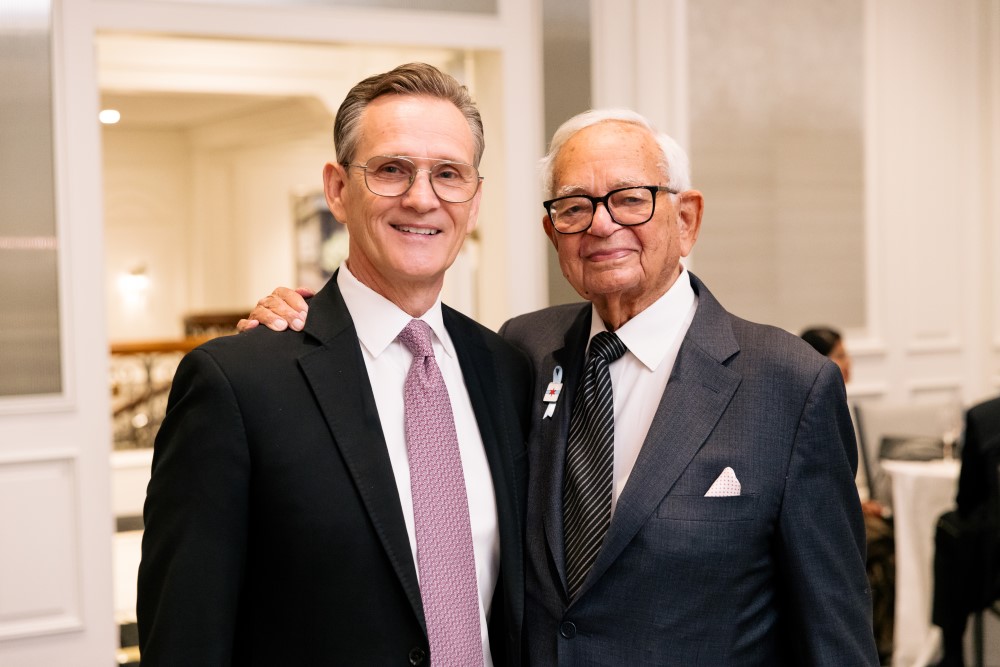
Michael Anderson, President and CEO interim, told the audience that night: “We have millions of items making up one of the most comprehensive collections in the nation but we are much more than a preserver we must interpret and share. History is not just about the past, we must carry it forward with us.”
Anderson pointed out that CHM’s attendance is up by 31 percent with 151,000 visitors and 40,000 students coming through. “We are on the move, expanding our digital footprints and opening a re-imagined Facing Freedom exhibition,” he said.
Board Chair Warren Chapman spoke of the Museum’s staff and how they worked around the clock to save Costume Committee artifacts when a Harvard, Illinois storage facility flooded. Timothy Gilfoyle, the Loyola University Professor of History who head the Making History Awards Committee composed of a diverse group of city leaders, noted women civic leaders including Bertha Palmer.
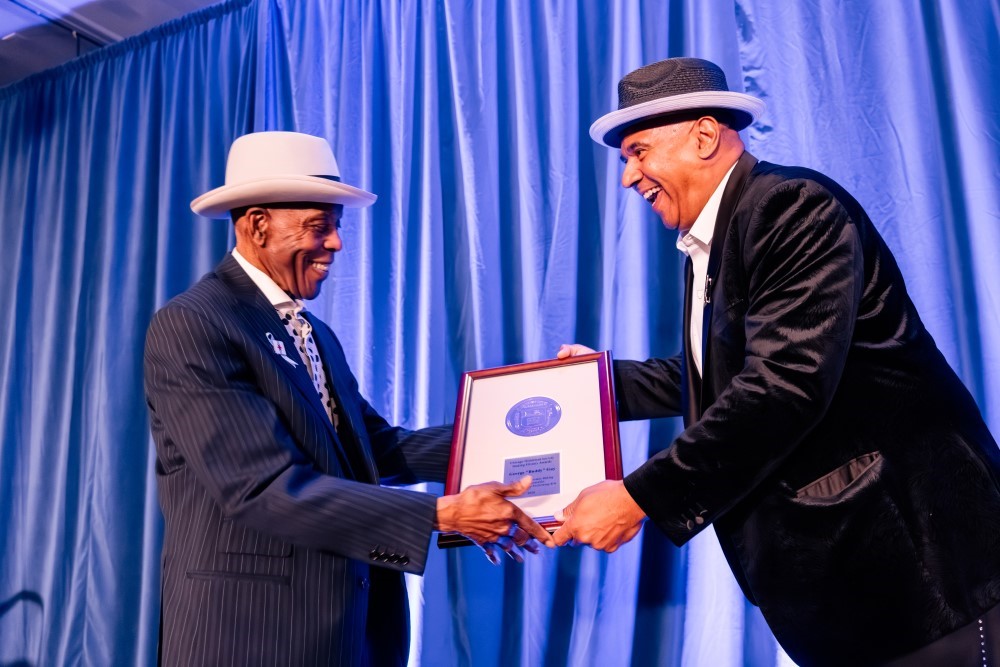
Honors keep coming for the first recipient Buddy Guy who last week was chosen by the public to share his first name with one of Montrose Harbor’s piping plovers, a grandson of Monty and Rose. Earlier in the year the iconic guitarist, singer and songwriter appeared in the Academy Award winning “Sinners”,
Blues guitarist Ronnie Baker Brooks, in presenting the Theodore Thomas award, noted that Guy was the son of Louisiana sharecroppers and that when he came to Chicago in 1957 he drove a tow truck during the day while playing the clubs at night.
“My family met him at the Checkerboard Lounge in the 1960s and since those days, no one can control a crowd better than Buddy. For 70 years he has kept blues alive in Chicago while maintaining Chicago as the blues capital of the country,” Brooks said.
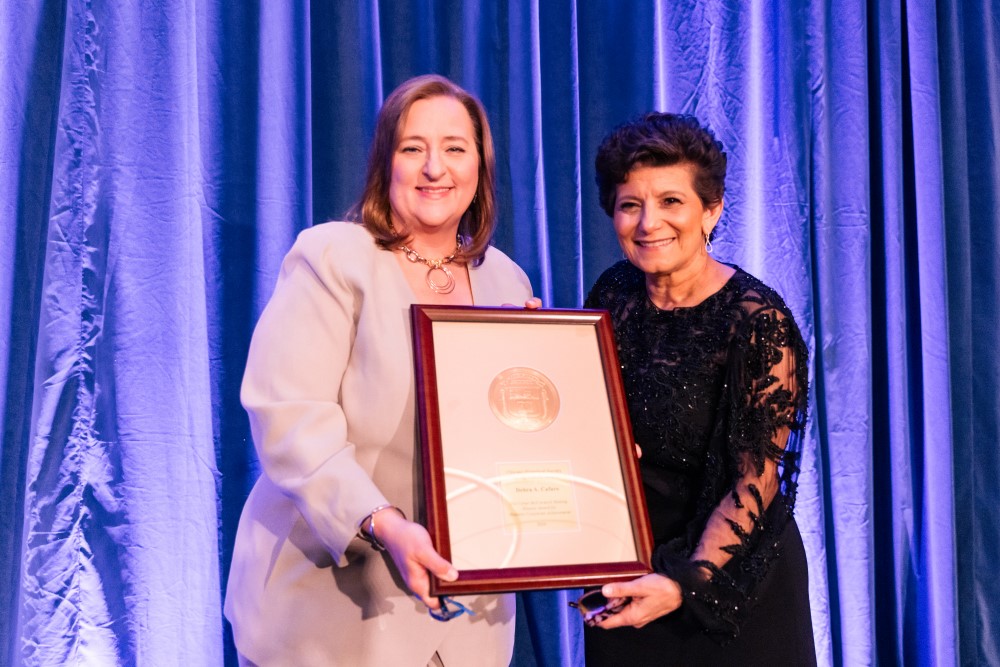
Laura Ricketts presented the Cyrus McCormick Making History Award for Historic Corporate Achievement to Debra Cafaro.
“She is responsible for creating a $60 billion healthcare enterprise from one almost in bankruptcy but she always says that she is a working-class girl from Pittsburgh who wants to give everyone a shot at the American dream. For three decades she has been CEO of Ventas,” Ricketts said.
In accepting her award Cafaro noted that the room was filled with gamechangers, and that “Chicago is a vibrant Chicago distinguished by its civic spirit, one that wants all its citizens to lead longer, heathier and happier lives.”
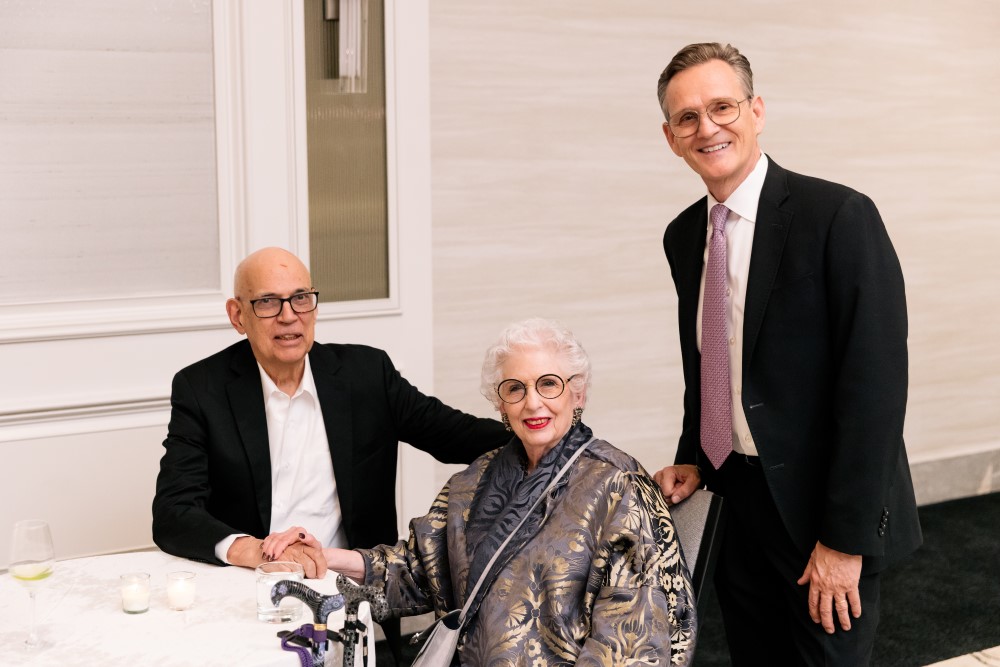
Art Johnson presented the Daniel Burnham Making History Award for Distinction in Visionary Leadership to Fred Eychaner, Chairman of Newsweb LLC, President of the Alphawood Foundation and Co-Founder of Wrightwood 659.
“Since he worked to obtain Chicago’s first gay rights ordinance, Fred has devoted his life to secure basic rights and acceptance for all. He has spent millions of dollars in the past 35 years as an activist for this purpose,” Johnson said.
He listed his Eychaner’s many accomplishments including being a “passionate board member” of the ACLU, a supporter of Oak Park’s Unity Temple and a hiker 20 times over of the Grand Canyon.
In receiving his award Eychaner said: “At this time, museums are important more than ever,” saying that everyone present should come together in this challenging time.
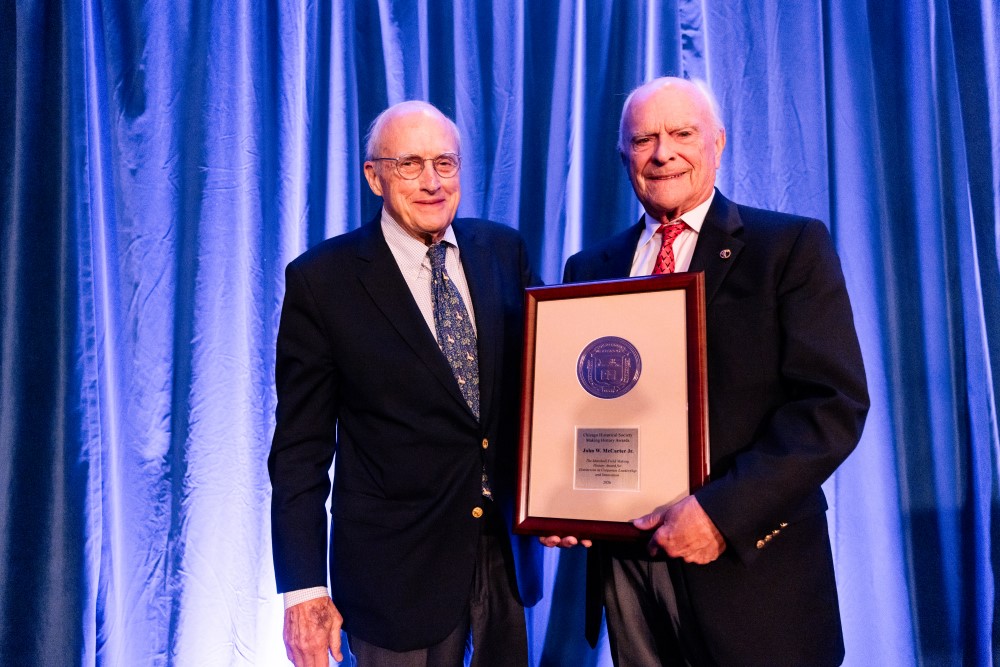
John McCarter, Jr., former President and CEO of the Field Museum and Char of the Smithsonian Institute’s Board of Regents, was acknowledged as “the major Field Museum marketer” by Marshall Field V who noted that McCarter was responsible for bringing in one of the City’s most beloved residents.
“In 1997 John brought us a 40-foot long dinosaur, Sue,” Field said. “When he started the bidding we had no idea what a difference she would make.”
McCarter noted his favorite streets and places in Chicago, including Lower Wacker Drive, the Monadnock building, and the 33 Frank Lloyd Wright structures in Oak Park.
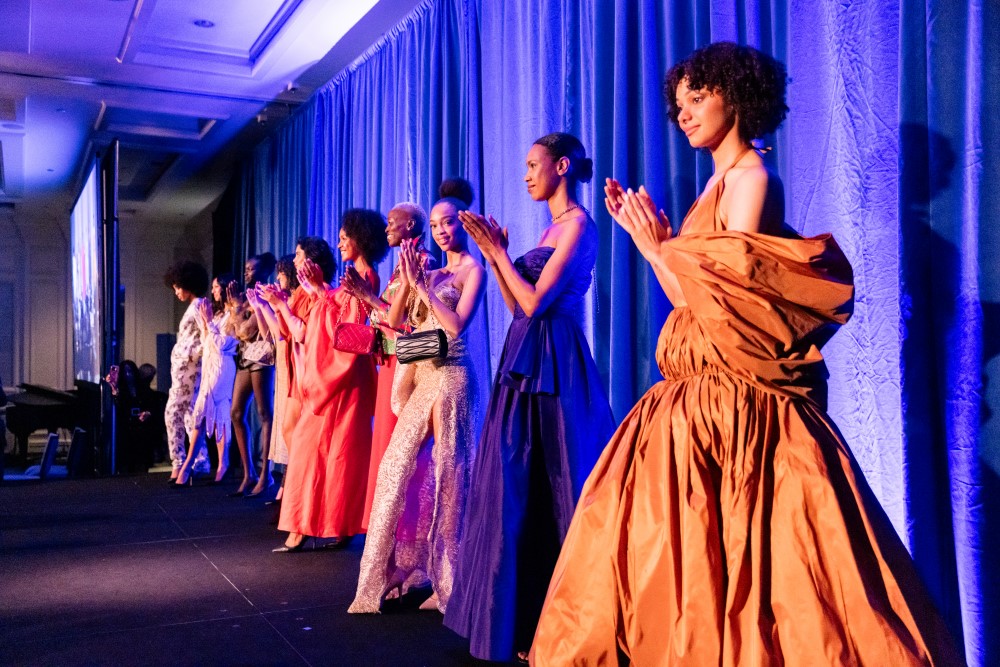
Marc Schuman introduced the last Award recipient of the evening Linda Johnson Rice who talked about her parent’s John and Eunice Johnson legacy through Johnson Publishing. Rice noted that Eunice Johnson felt the black community had been excluded from the world of fashion, so she created her own fashion shows in Chicago and throughout the country. She traveled to Milan and France to attend the fashion shows, then purchase the top designer dresses at the end of the show, directly from the designers. For the first time, black women models were a part of fashion - a part of the Civil Rights movement in the 1960s - all because of John and Eunice Johnson. People attending the Fashion Fair would get a one-year subscription to Ebony magazine, and the events raised $5 million towards charity over the years.
In 2016, the Chicago History Museum presented a retrospective of the Ebony Fashion Fair which was one of the most popular exhibits ever at the Museum.
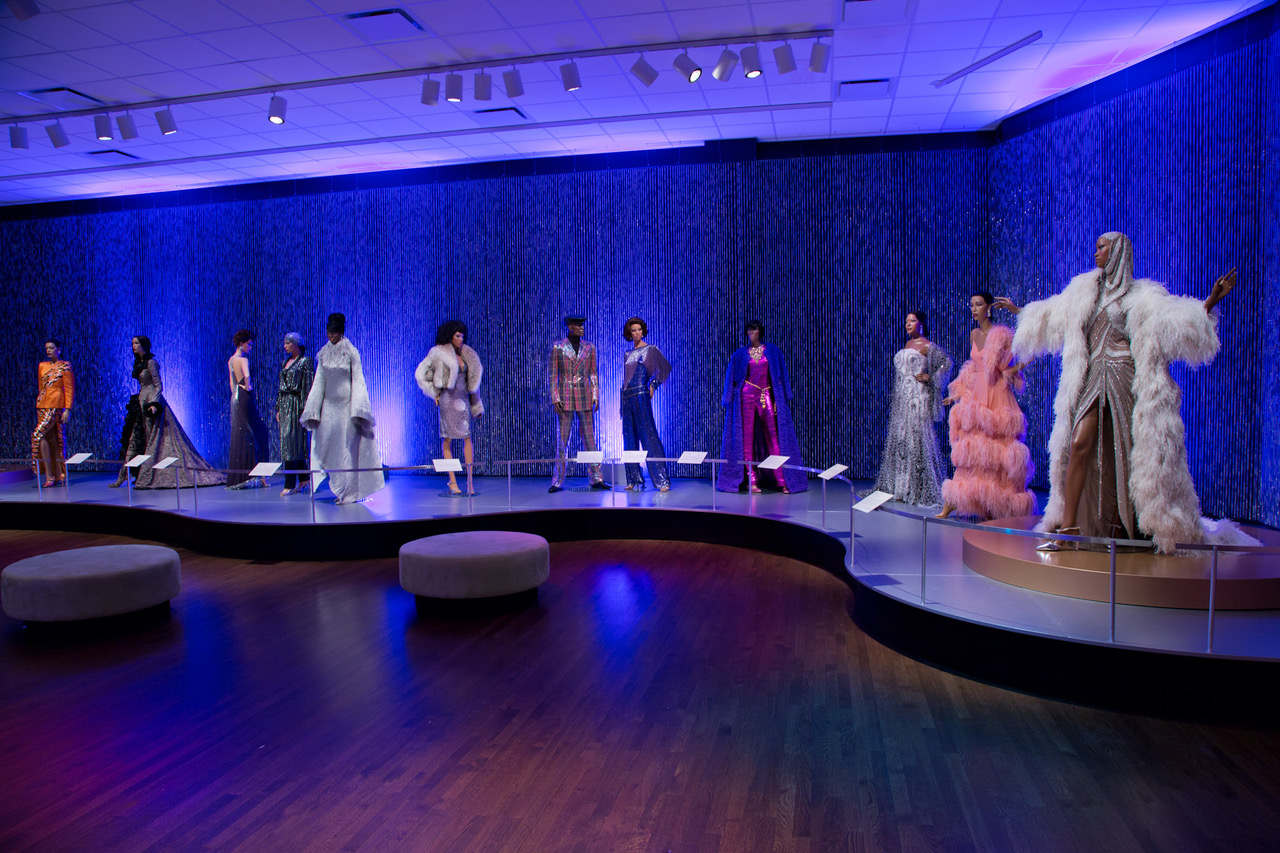
At the end of the evening CHM surprised the audience by recreating an Ebony Fashion Flair show, using period designer outfits from the 1960s and 70s with professional runway models and music.
As with the stories of each of the Making History Awards winners, the stunning fashion show had guests rising from their seats to applaud.
Photo credit: Kyle Flubacker Photography
For further information on the Chicago History Museum, visit: chicagohistory.org