Growing up in Chicago’s Chinatown, I found myself living in a small townhouse with my grandmother. Sometimes, we would walk into Chinatown to buy some groceries, and I remember holding her hand as we walked across the many streets in order to reach the local markets.
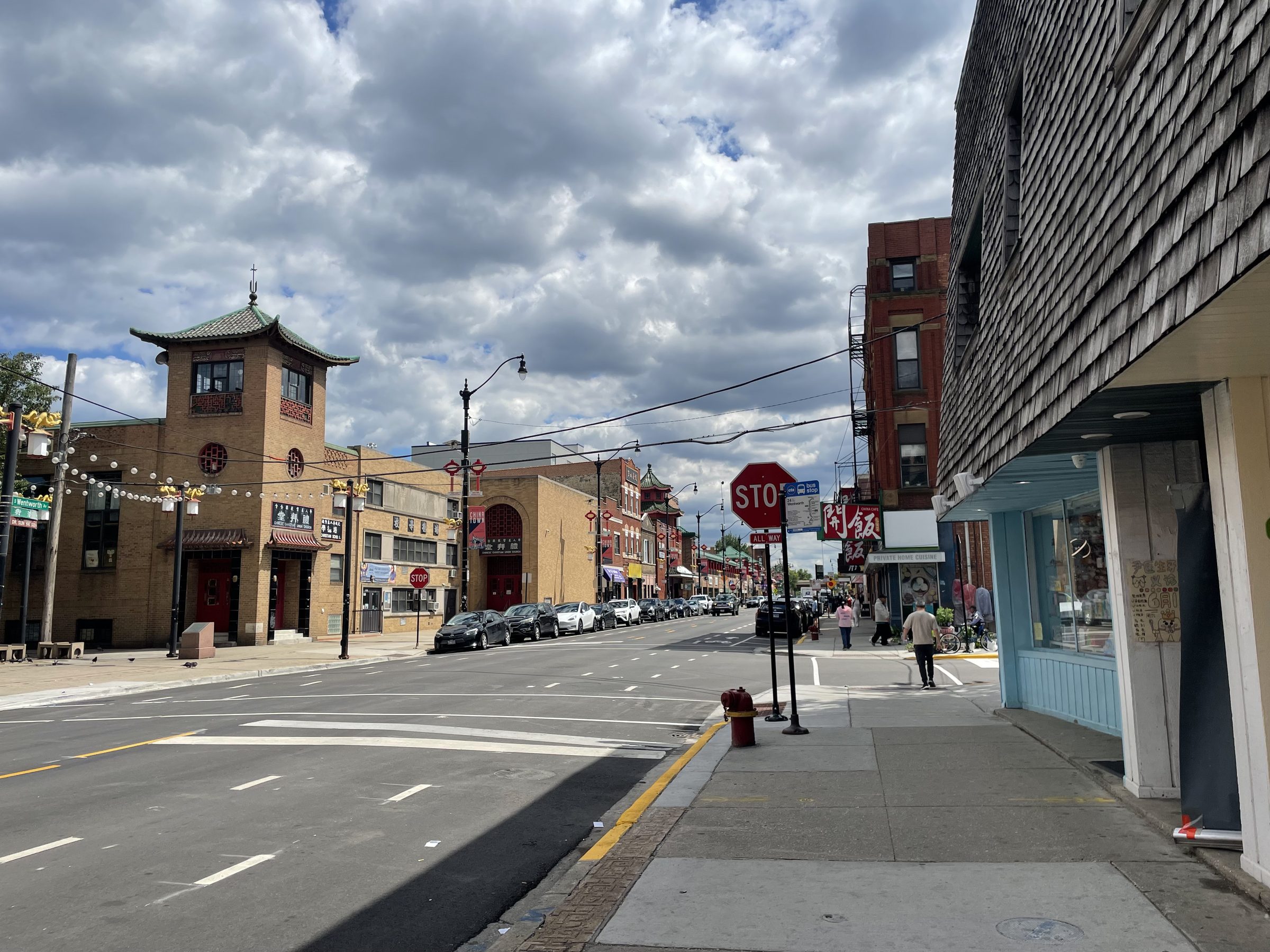
Local markets with imported foods were my main connection to my Cantonese heritage, complete with locals speaking Cantonese bickering over the vegetables and spices rarely found in American supermarkets. Historically, Chinatown is a community built from solidarity, giving new immigrants an opportunity to create a place for themselves.
The Gateway
Before entering Chicago’s Chinatown, a large gate towers above the streets. Read right to left, the gate states “The world is for all,” (天下为公) a Confucian proverb or concept that blends into the Chinese architecture surrounding it. As a child, I could see the giant gate the moment we entered Chinatown from one of the side streets. Stretching far over the heads of all the bustling people, cars turning into the street right under the sign, and people chattering in the early mornings, the gate symbolized exactly where “Chinatown” started.
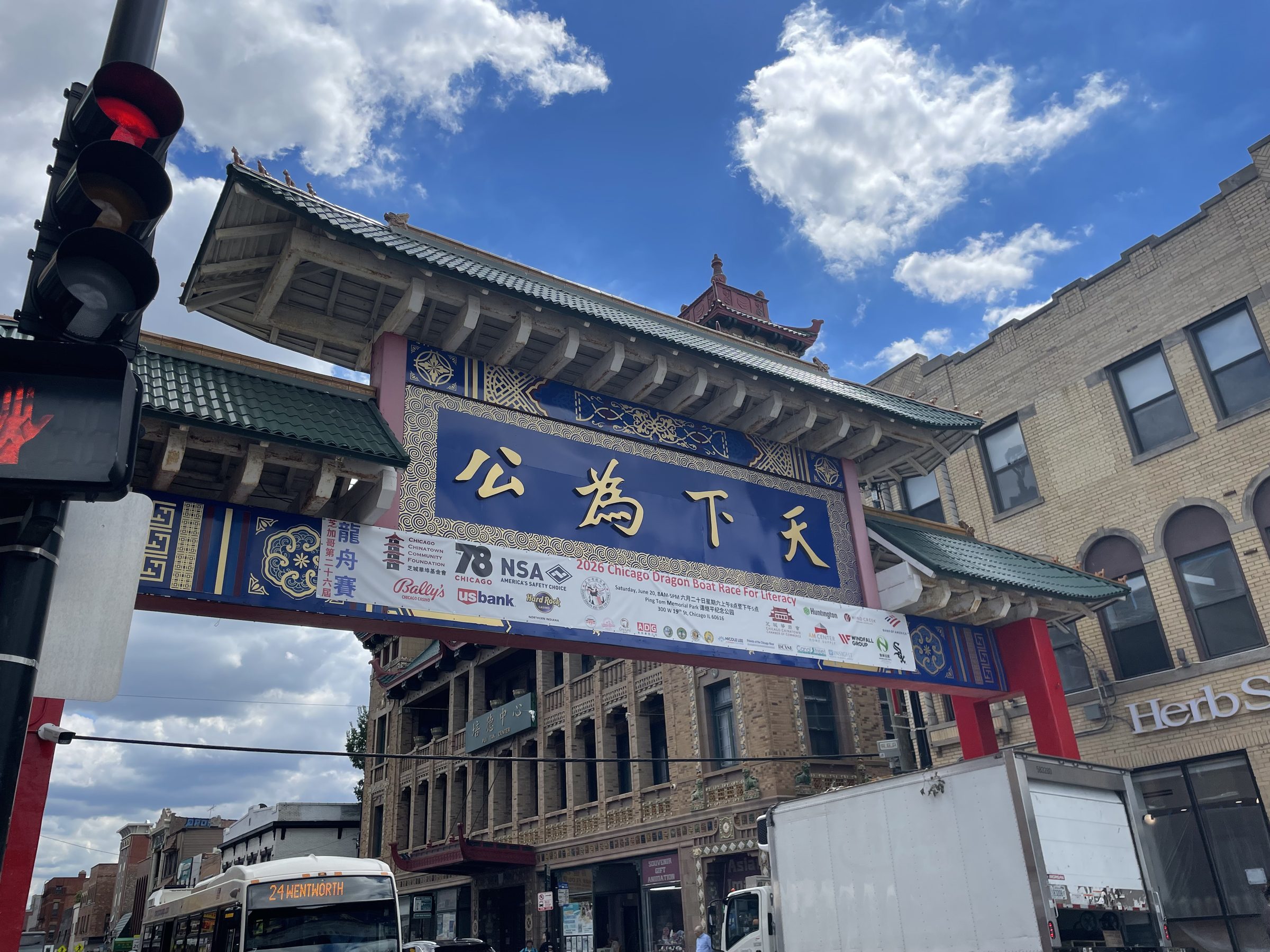
But what is the point of this archway, or paifang/pailou in Chinese, marking the entrance to Chinatown?
Originally, paifang marked entrances to important areas, such as temples or commercial areas. These gates function as a way to mark an area artistically. However, Chicago’s Chinatown is stylized in an over-the-top representation of Chinese architecture, designed to appeal to tourists. The style catches one’s eye, with roofs, handrails, and pillars “aesthetically Chinese,” creating a location where people can experience Chinese culture. The paifang in Chinatown serves two reasons: to promote Chinatown as a location where cultures may collide, and as a defense against uprooting the Chinese community that has centralized over the years.
Chinatown’s Architecture
Chinatown was once located near the loop, before anti-Chinese sentiments and redistricting forced Chinese settlers to move south. In order to prevent such a recurrence and promote Chinese culture, Chinatown was crafted to have “Chinese aesthetics” to appeal to tourists and people who wished to learn more about Chinese culture. In current times, newer buildings may not fully comply with this aesthetical choice — with modern shapes and different cultures melding into the Chinatown population, the architecture (once used for survival) has shifted greatly into appealing to the many who visit Chinatown. I loved the red and green accents lining the streets, artificial pagodas adorned with bright colors — I would beg my grandmother to walk up on little walkways near the Pacific Global Bank, but she would refuse if we didn’t have any business up there (which we rarely did).
A Multicultural Blend of Food
With dishes varying from Dim Sum to social-media attractions like boba tea and rolled ice cream, Chinatown features food fit for a wide variety of people. While many of the settlers in Chicago’s Chinatown were Cantonese, Chinatown now features a blend of many different Asian cultures.
Originally brought over by settlers from Guangdong (Cantonese settlers), dim sum is a meal ideal for a large amount of smaller dishes. Literal translations can range from “touch the heart” to “small piece of heart,” as each dish is shareable for the guests at the table. Each dish is usually placed in the middle of said table, with food that can be picked at or separate pieces, so that people can grab a bite of whatever they want. The experience of sharing many dishes among a group of people can foster community while exploring food commonly associated with Hong Kong or the Guangdong areas of China.
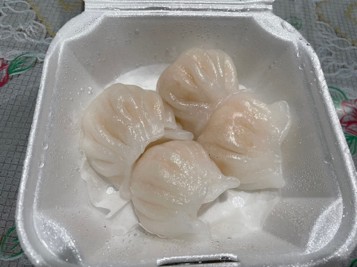
I personally always get some hagao (shrimp dumplings) because I like lighter flavors. The skin has just enough of a bite, and I love seafood — so it’s one of the dishes I look forward to.
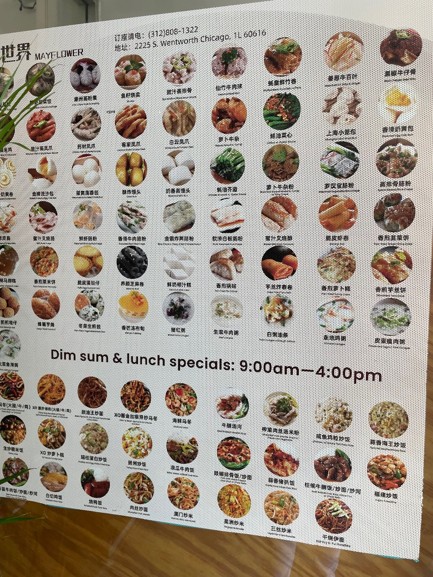
Dim sum images below (from Mayflower restaurant, 好世界, as takeout).
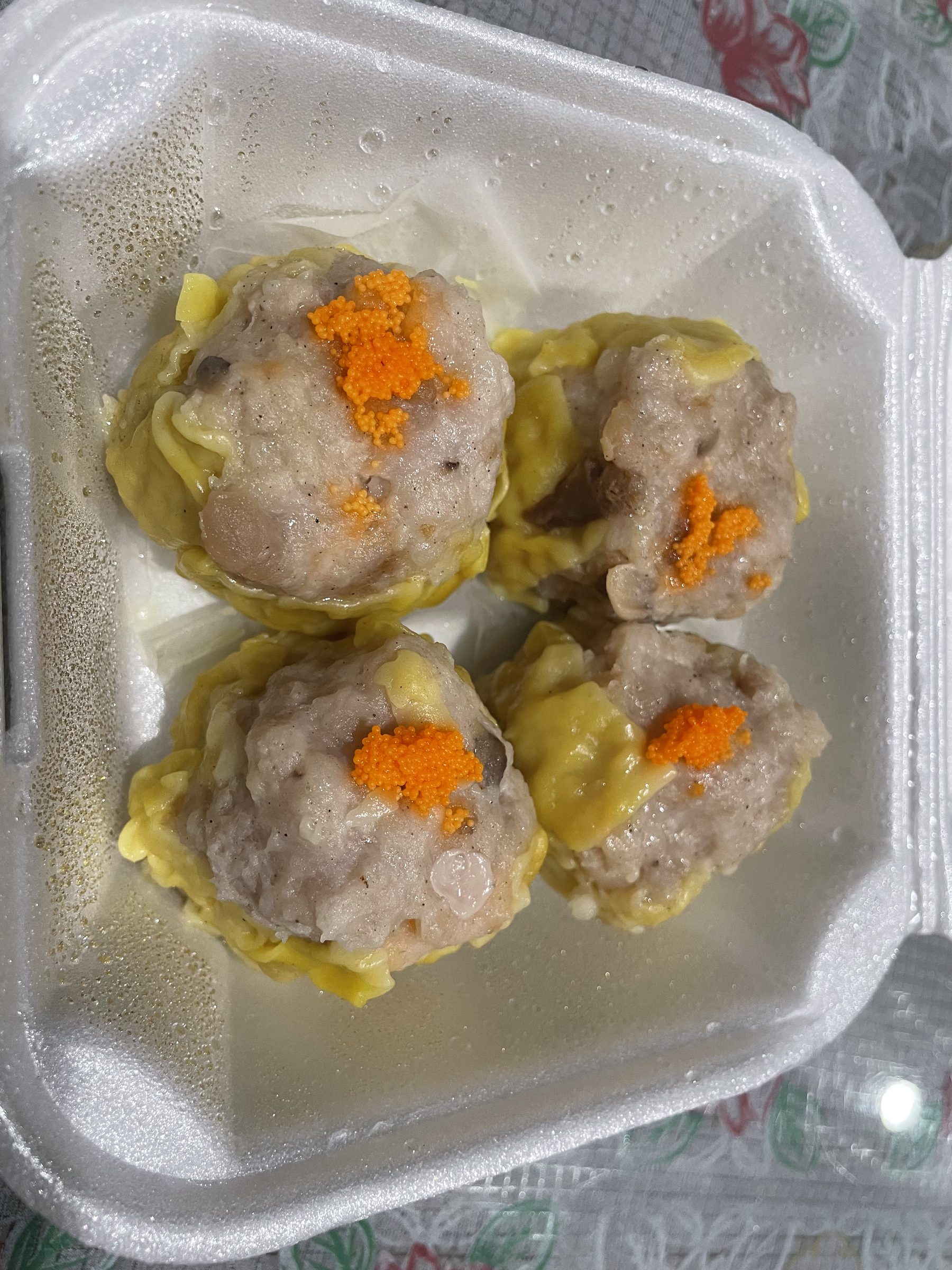
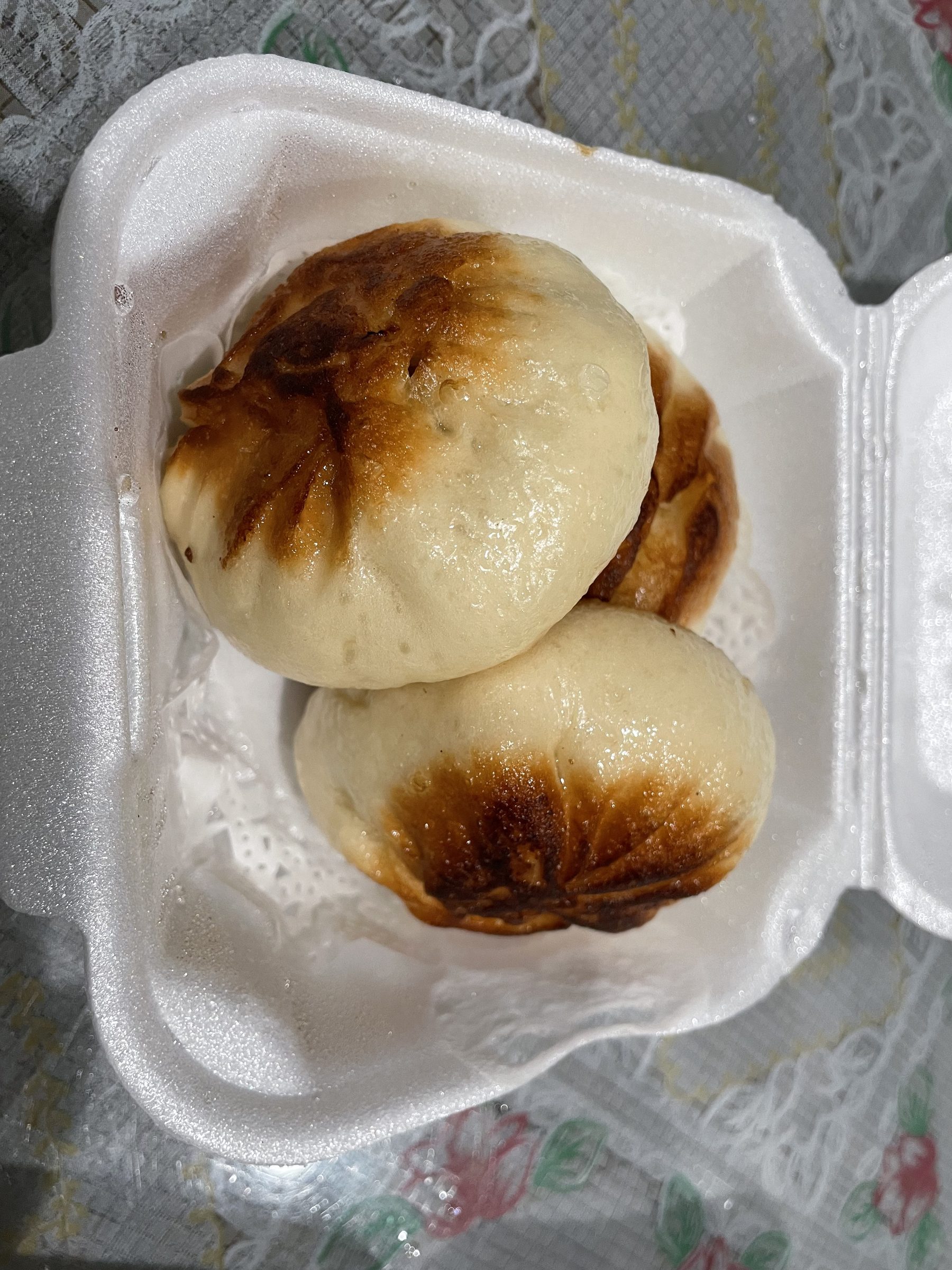
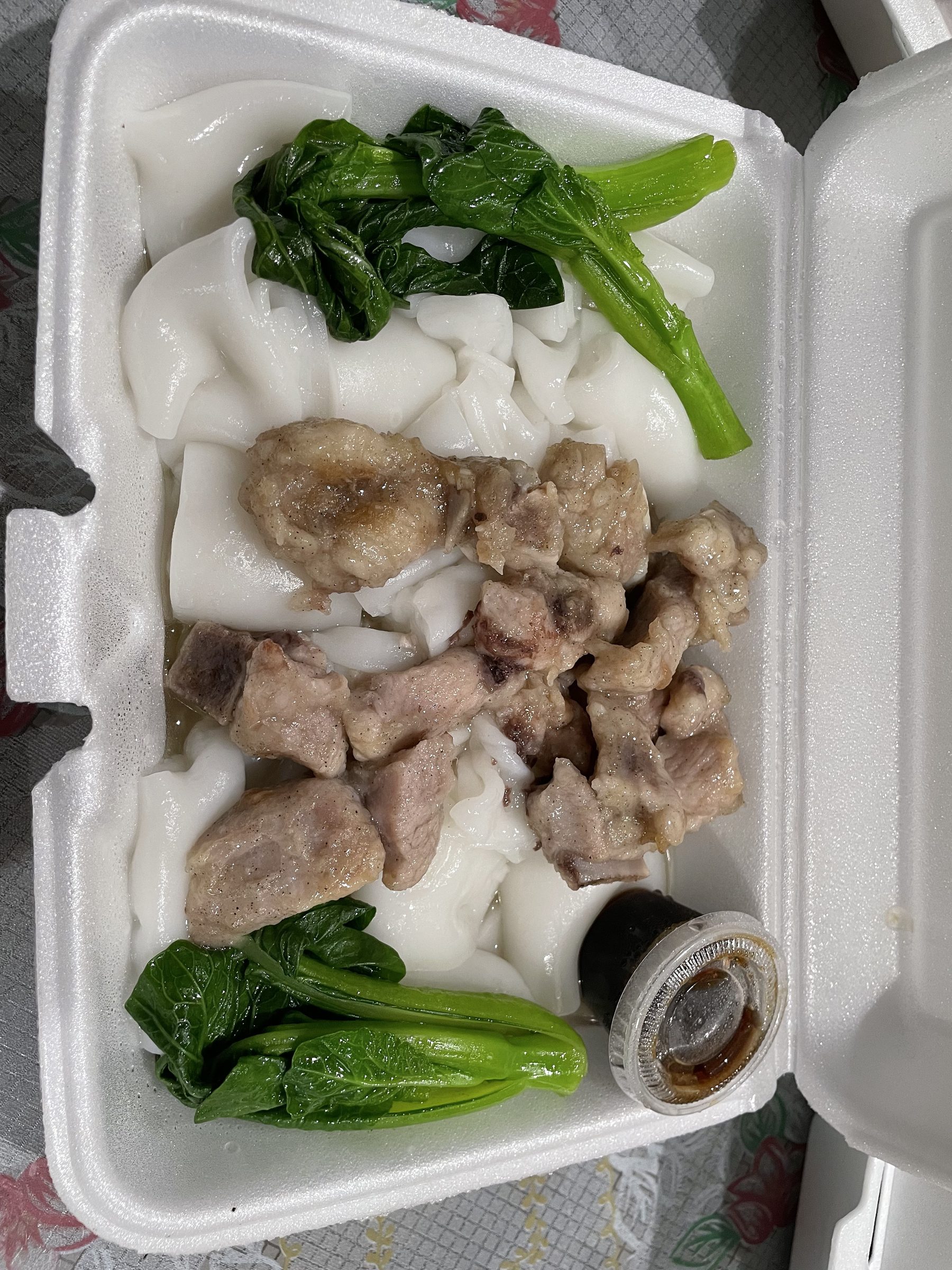
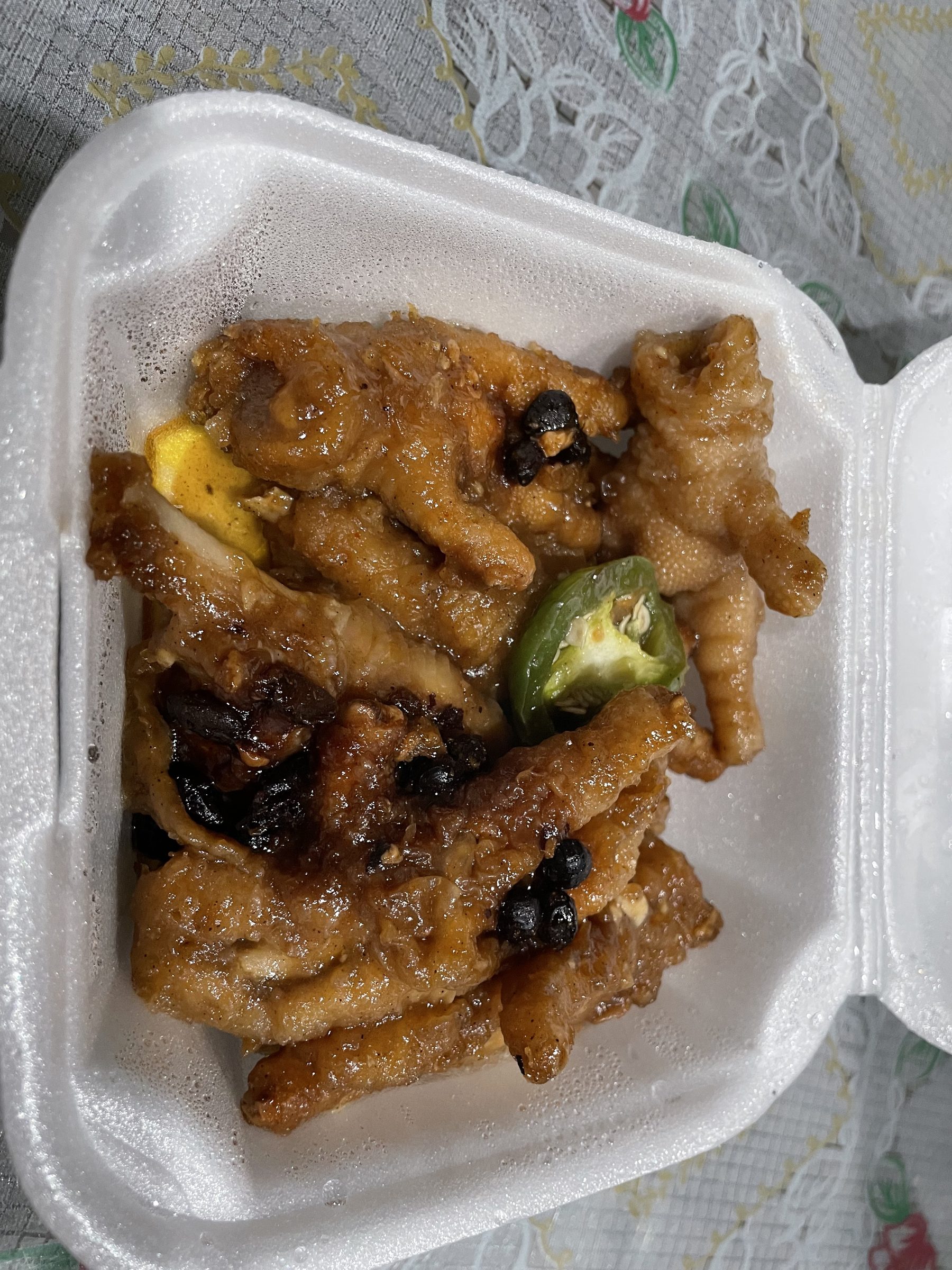
Some places may have dim sum from other regions of China, or incorporate dishes from other places entirely. Most dim sum restaurants are not limited to only these smaller dishes — they may also incorporate larger dishes like noodles or fried rice. Depending on the restaurant, they may also have roast duck, roast pork, or other dishes found in Chinese BBQ shops.
Sichuan/Szechuan dishes can be found along Chinatown for people who wish for a more spicy bite — while there may be staple dishes that are found in almost every restaurant (such as fried rices, noodle dishes, dumplings), Szechuan food is apt for a more filling meal that encompasses a wild variety of flavors. Some of these flavors pack a punch, so be prepared and check out the menus ahead of time.
Hotpot restaurants come with many different possible choices, suitable for smaller parties or larger ones. Most of Chinatown’s hotpot restaurants also have vegetarian options, including broth types, which can suit different palates. It is important to note that hotpot does require customers to cook their own food, which may limit accessibility for children if adults are not accompanying them.
As for Asian Roast BBQ’s, there are a few main distinct dishes — roast duck, goose, soy sauce chicken, whole chicken, roast pork, BBQ pork. Of each of these, different restaurants will have slightly different cooking methods or recipes, which leads many of the locals to have preferences when it comes to the restaurants.
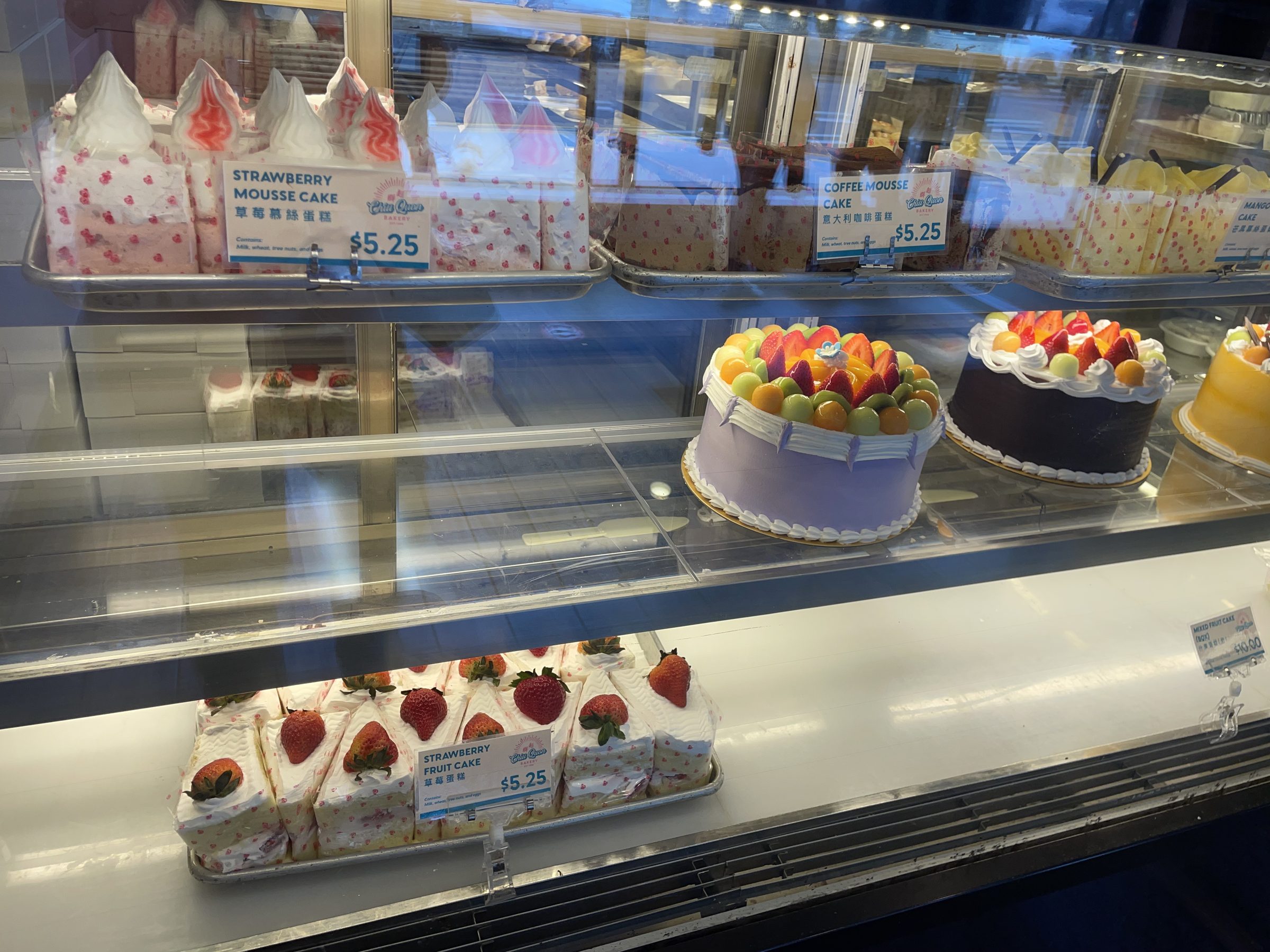
Bakeries feature Chinese pastries and buns, which can delight both those with a sweet tooth or those who prefer gentler sweets. Certain newer bakeries along Chinatown have stylish pastries that delight multiple senses. Combining these tantalizing baked goods with boba tea or rolled ice cream can satiate younger audiences with a touch of social-media-worthy appearances, along with tastes that promote Chinatown to younger generations.
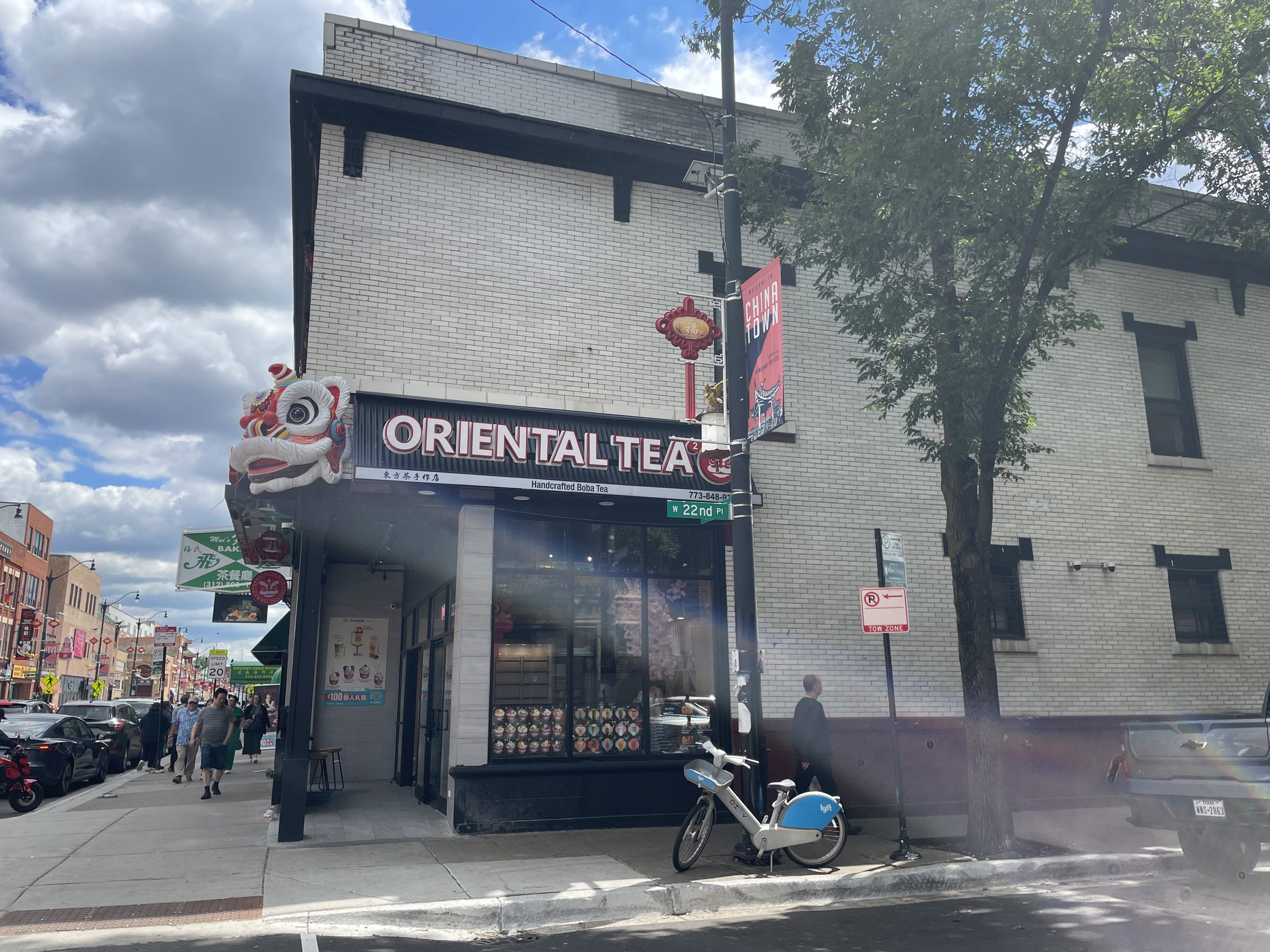
Restaurants in general are plenty across Chinatown, featuring cuisines from many different parts of China. When it comes to choosing a restaurant, it’s easier to look at the menu as a single restaurant can cover multiple different regional dishes — for example Mongolian, Taiwanese, and Cantonese dishes. Each region has their own signature dishes and flavors, and it takes some exploring around Chinatown to find the perfect dish.
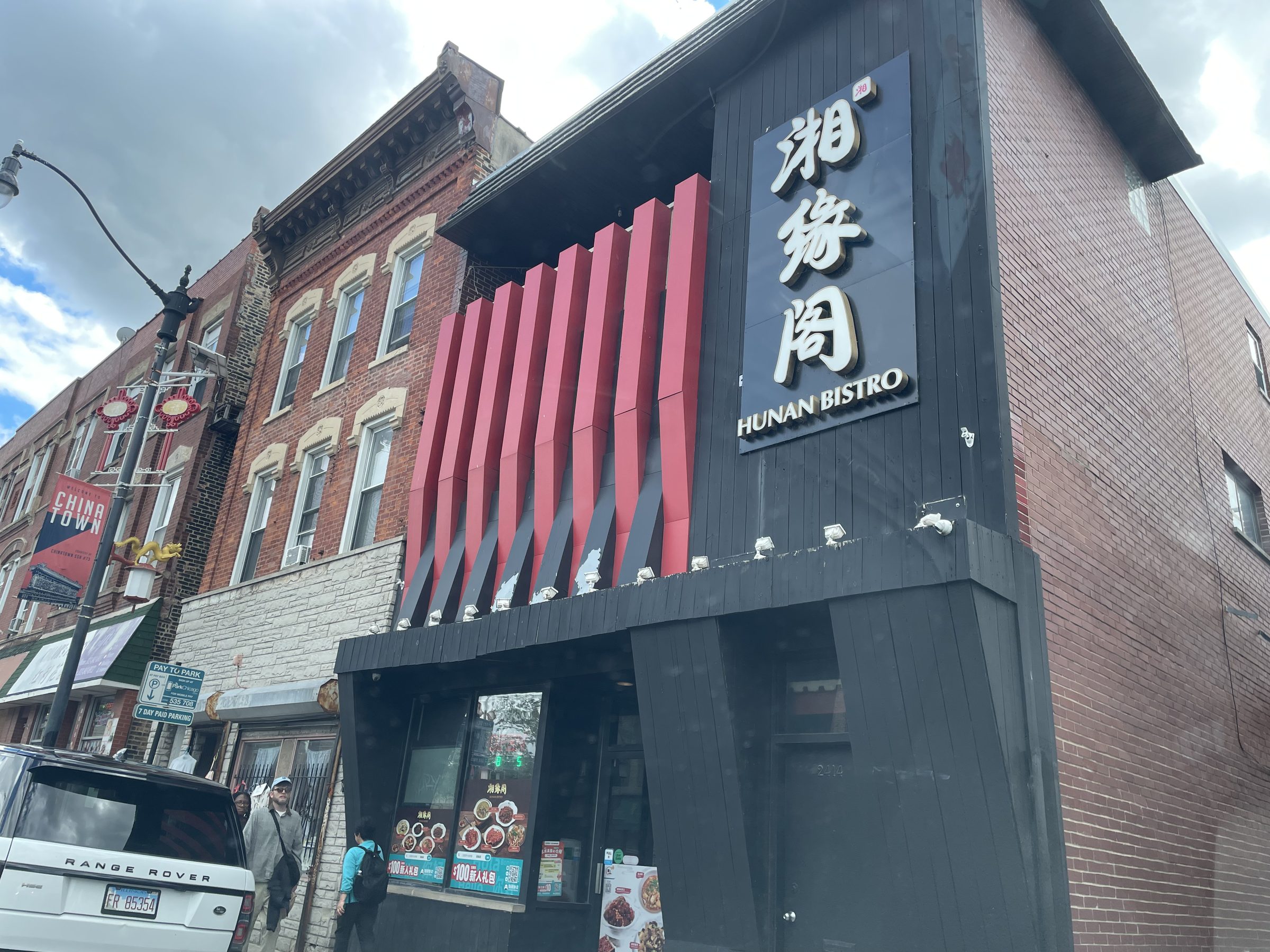
Stores, Gifts, and Souvenirs
While many of the storefronts in Chinatown are restaurants or cafes, other stores poke out with interesting merchandise.
Filled to the brim with souvenirs dedicated to both Chinatown and Chicago, random household items, and flashy gift shop staples, these stores stock items that serve to draw in both people looking for necessities and smaller objects to bring back home.
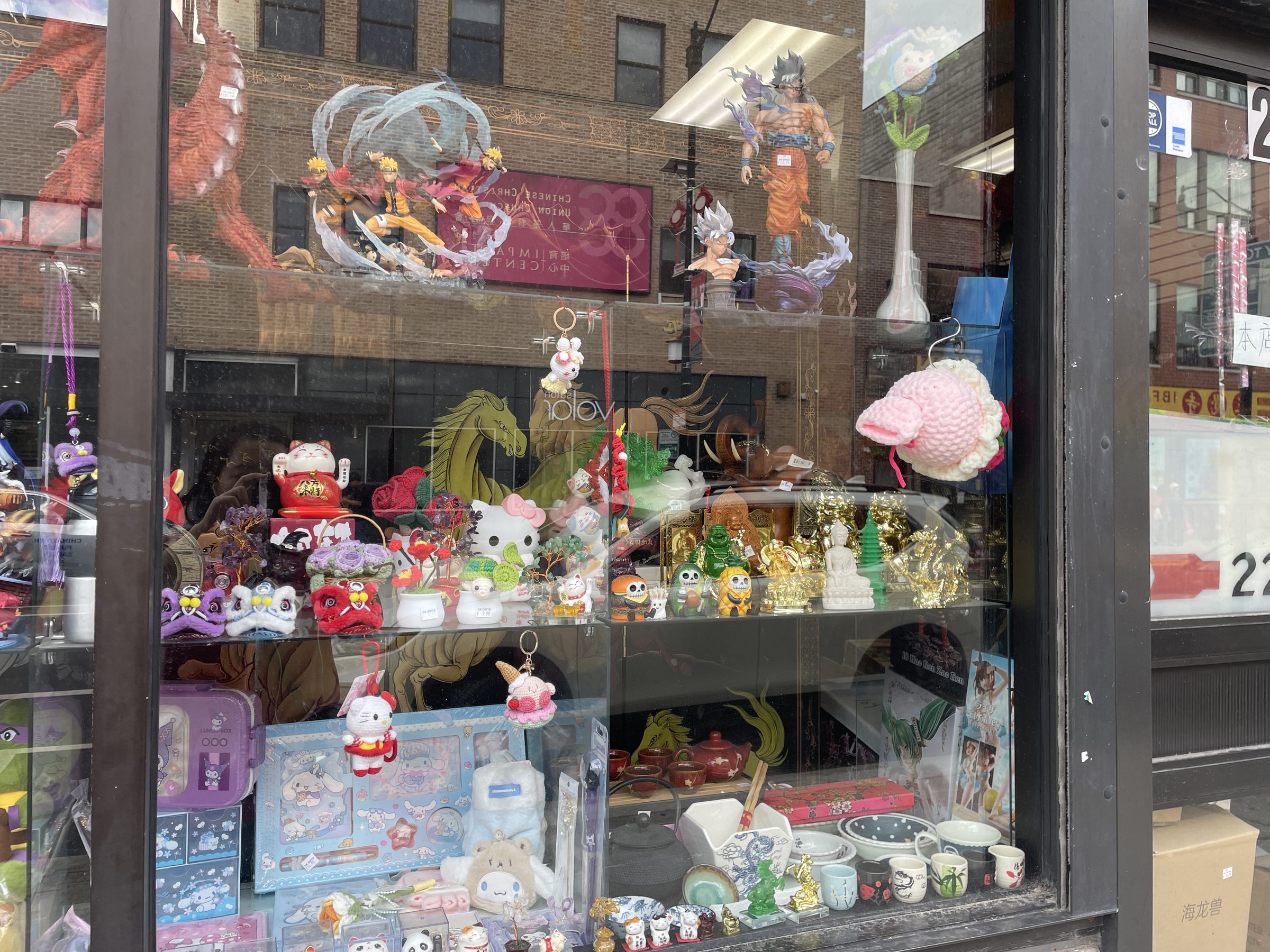
While some items are marketed towards tourists, these tourist shops also offer household goods typical in a Chinese household. Yet, due to pricing and also location, many still opt to go to a larger Asian or Chinese supermarket, in order to buy both food and household goods at the same store.
Other stores carry food, with a focus on Asian or Chinese vegetables — while not as expansive as the supermarkets in the area, Chinatown’s smaller grocers serve a large amount of the older population by providing an accessible and close source to familiar foods.
Among those stores are also apothecaries that carry herbal supplements and dried herbs, as Chinese herbal medicines are popular among the older local populations. Within some of the grocery stores, there may be prepackaged medicinal herbs or roots, but genuine apothecaries may carry a much larger variety.
Chinatown may be filled with both cultural experiences and tourist attractions, but it is also home to Chicago’s Chinese community. The heart of Chinatown supports both locals and tourists through having a diverse cast of stores and attractions, many of which create fond memories to those who visit.
To this day, I can still retrace my steps from my grandmother’s house to find a bustling street filled with all sorts of people.