
Simply Sensational: The Ryan Licht Sang Bipolar Foundation Luncheon
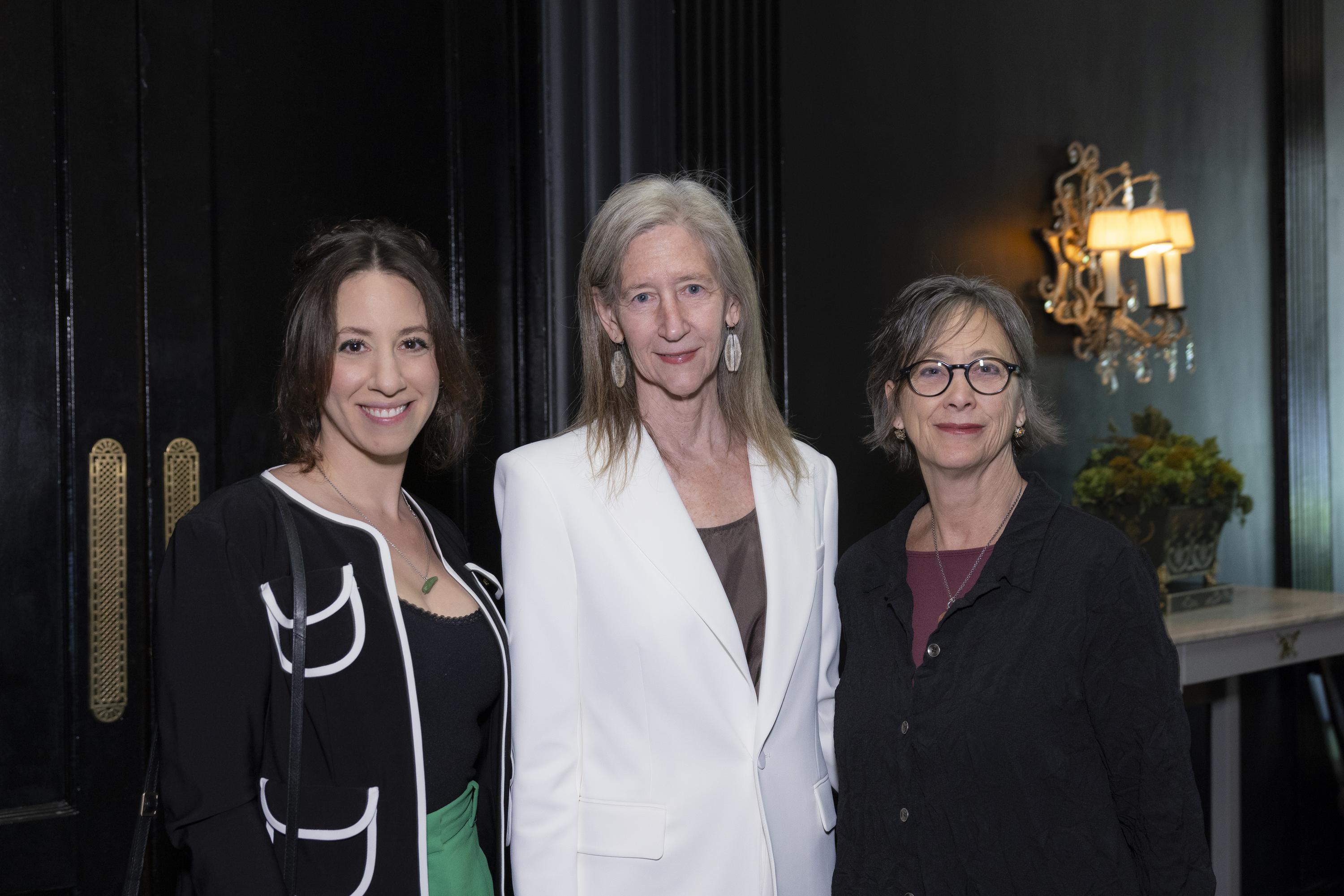
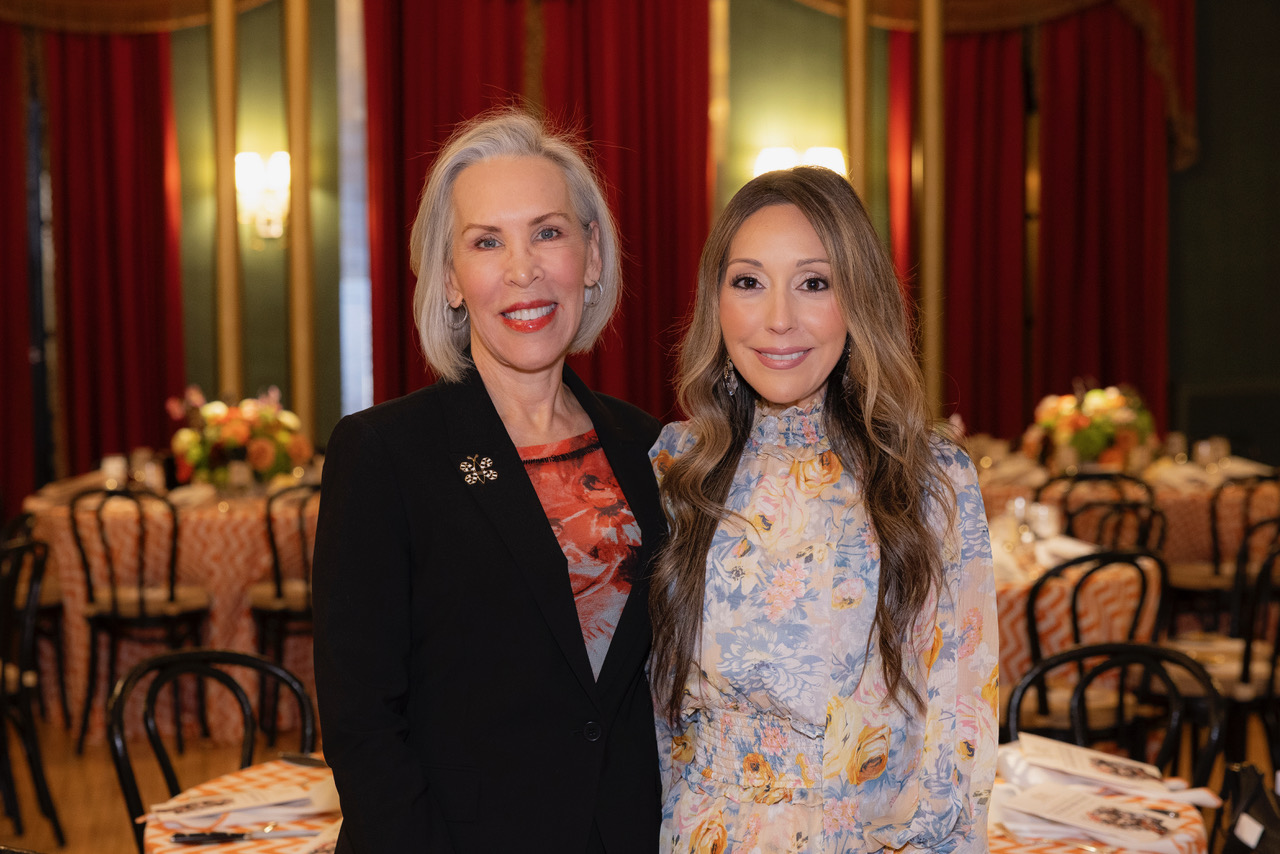
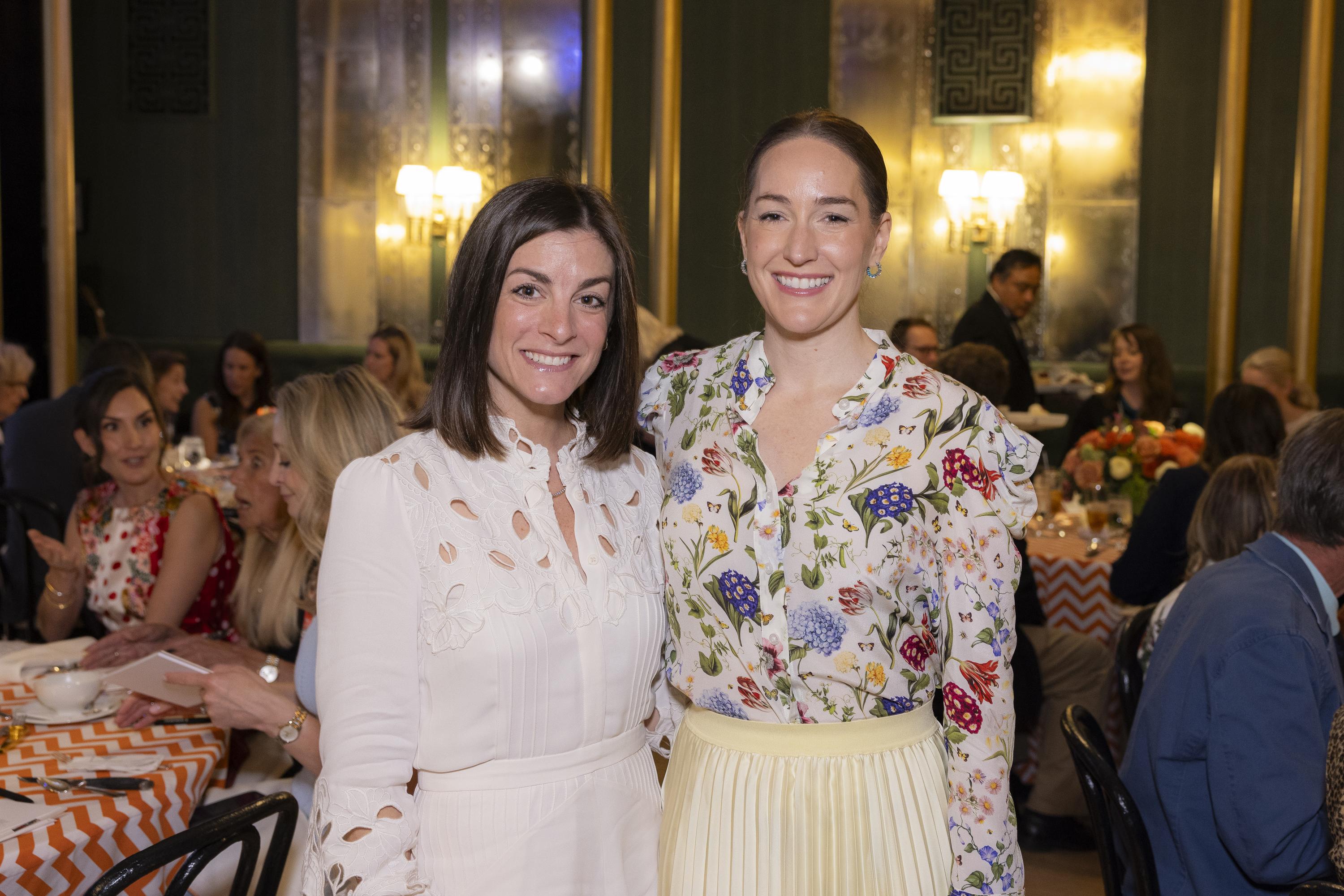
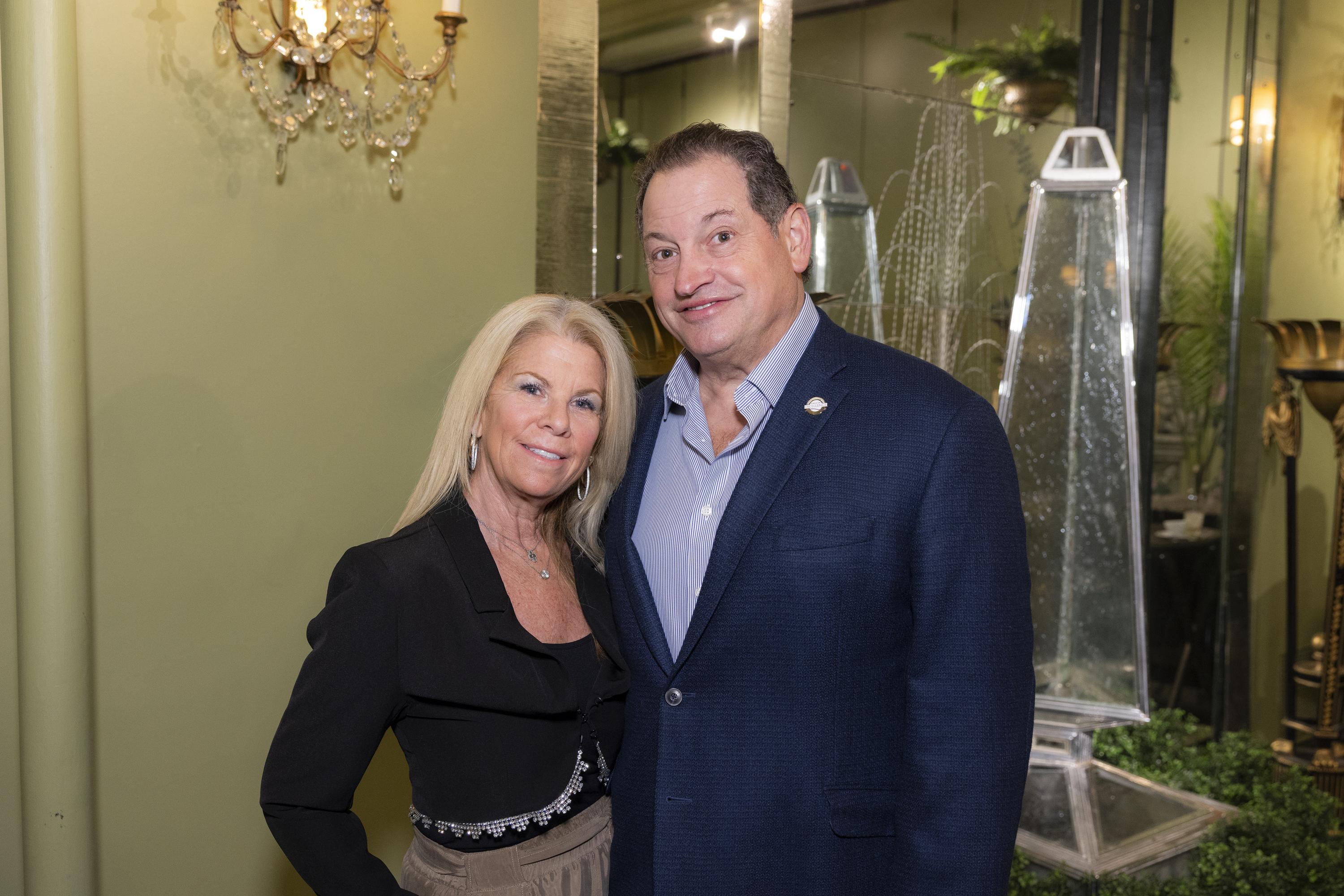
All five senses were celebrated at the annual Ryan Licht Sang Bipolar Foundation’s 20th Medical Briefing Luncheon “The Bipolar Brain on Art”. From the beauty of a ballroom filled with fragrant Spring flowers, delicious food and tablecloths so textured you had to touch, the opportunity to hear new research that the arts can change us, to a grand finale to watch the audience become a band - the experience brought together art and neuroscience in joyful ways. Or as Co-Founder Joyce Sang said: “Often art can communicate what words cannot.”
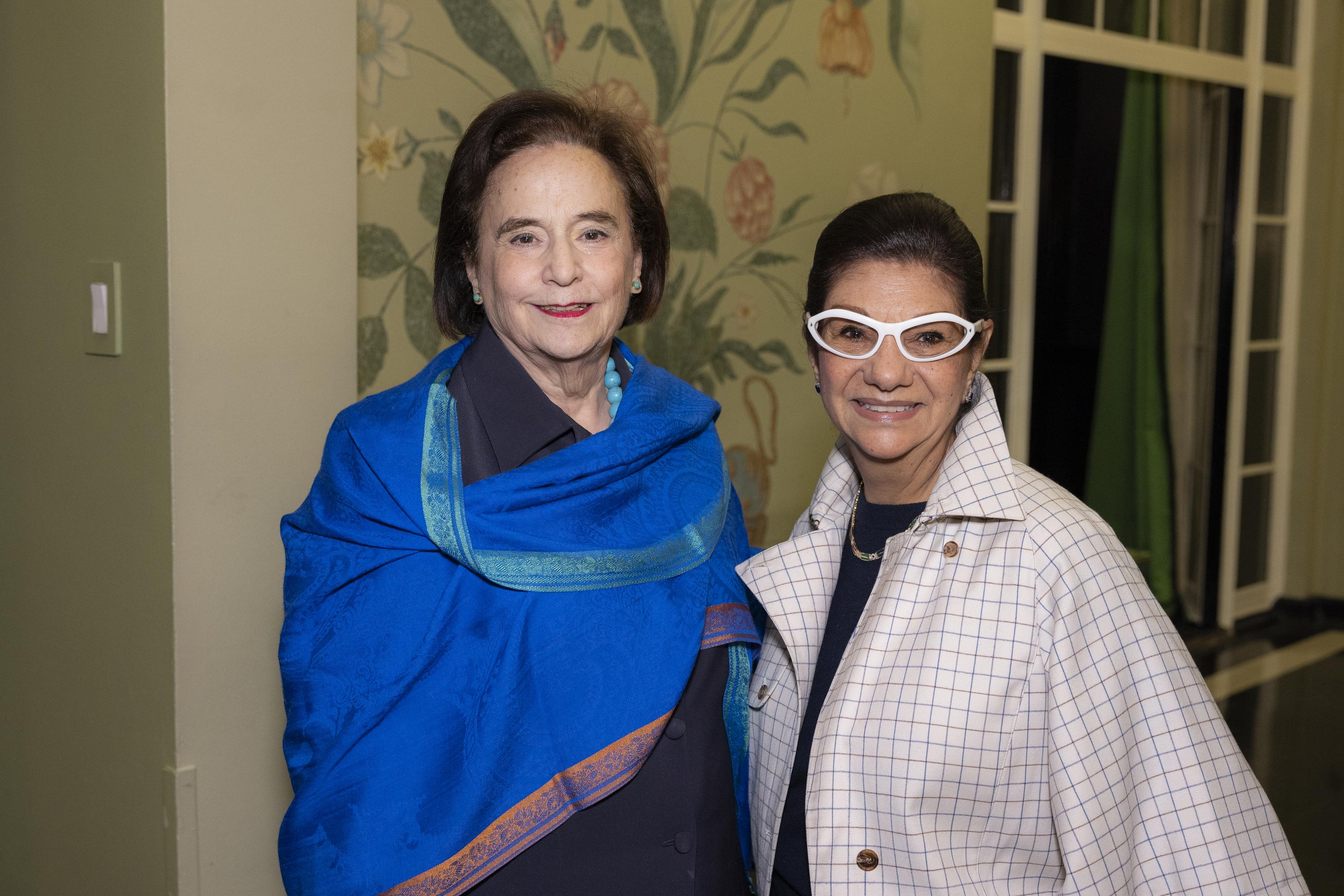
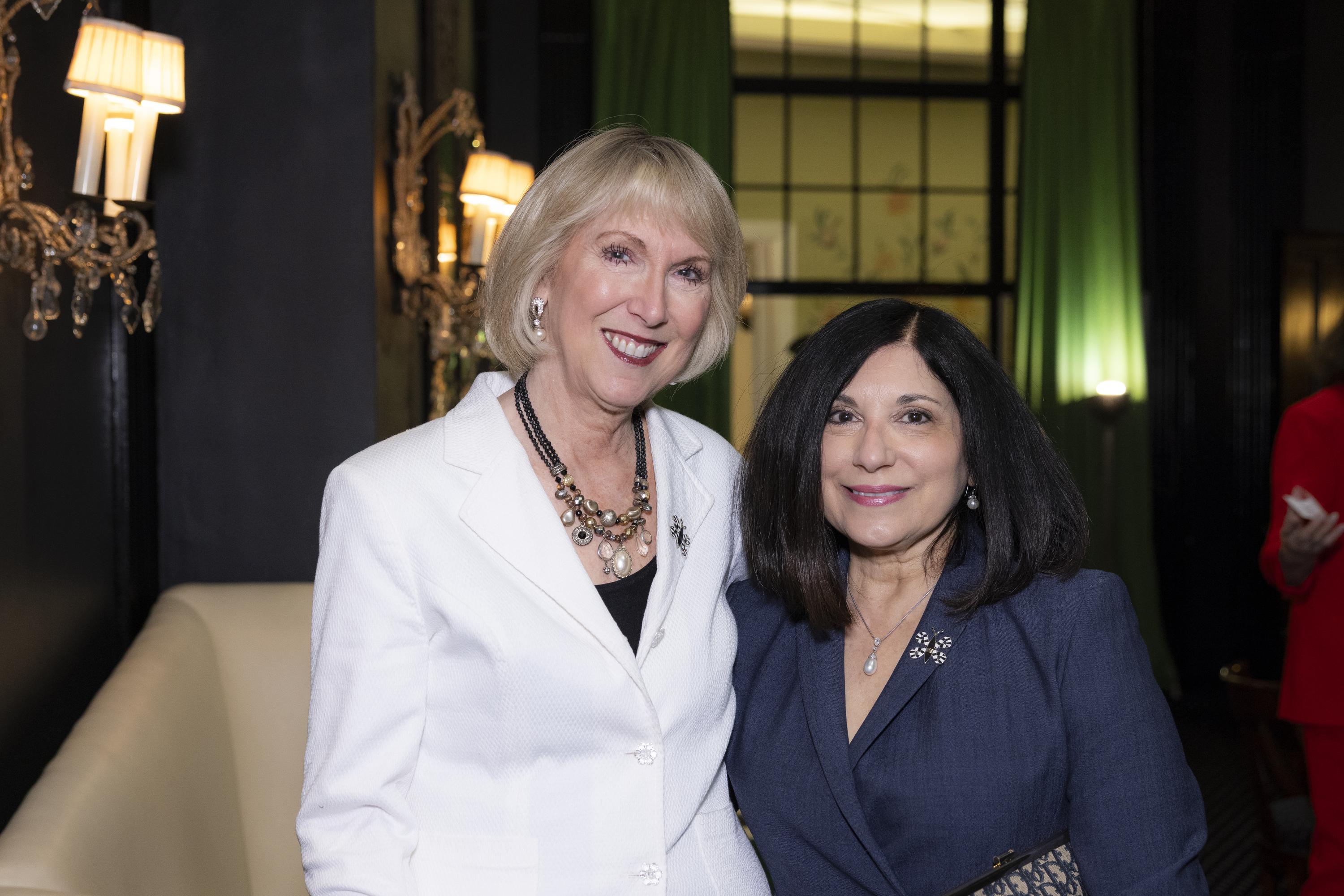
Joyce and Dusty Sang created the Foundation in honor of their son Ryan who died at 24 of early-onset Bipolar Disorder. In addition to raising funds for a ‘Quest for the Test’ which seeks to find an empirical test to make early detection of Bipolar Disorder a reality, it has presented INSIGHTS, eight-years of exhibitions by juried artists with Bipolar Disorder such as the Foundation’s Artist-in-Residence Kelly Mathews who spoke at the luncheon about erasing the stigma of mental illness that can make artists and others feel broken.
Looking back on the day Dusty Sang, who serves as Director, told us:
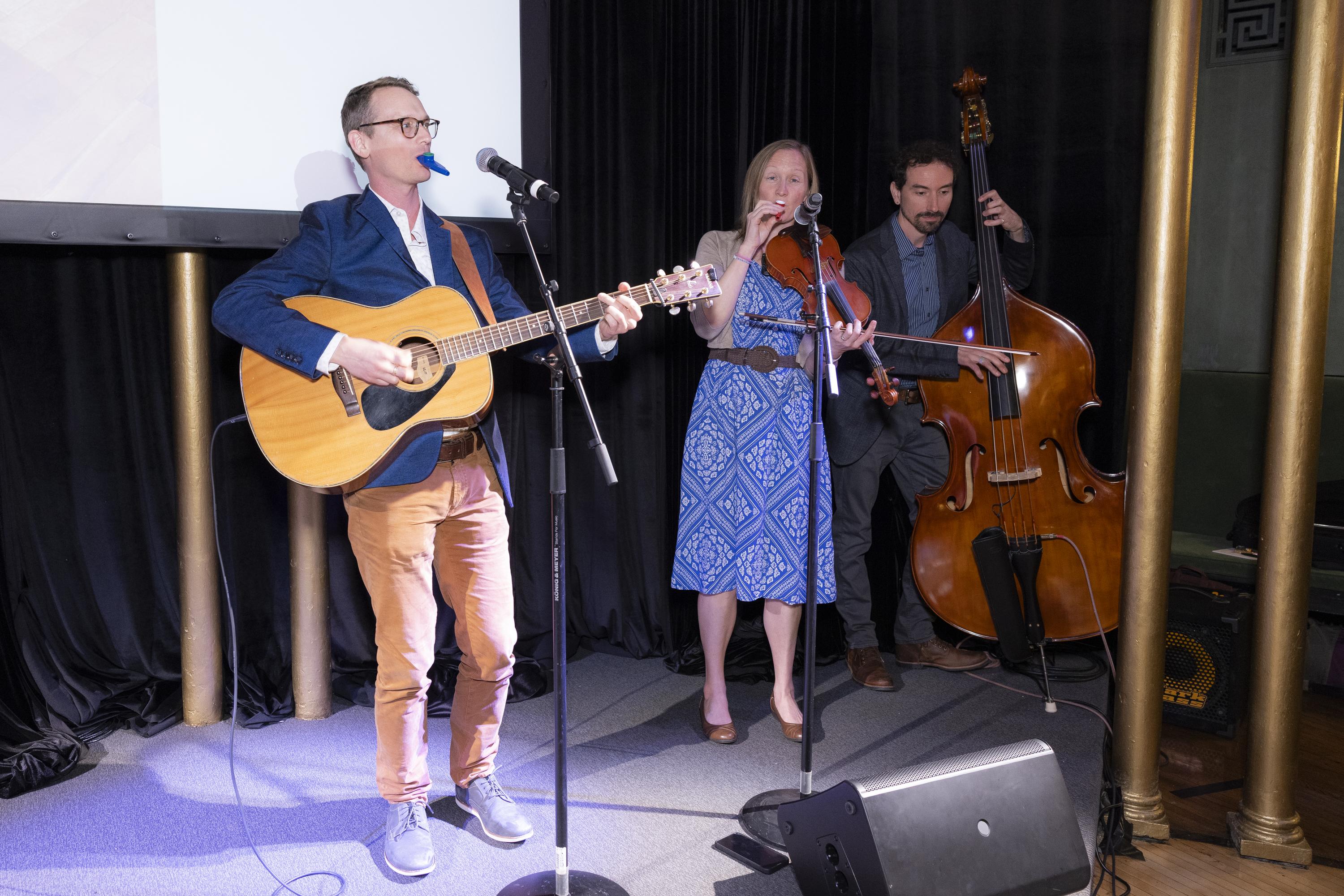
“It was a distinct honor and great privilege to have Susan Magsamen, the Founder and Co-Director of the NeuroArts Blueprint, a partnership between John Hopkins University and the Aspen Institute, be a panelist. The NeuroArts mission is to study and show how the arts and aesthetic experiences measurably change the body, brain and behavior, and how this knowledge is translated into specific practices that advance health and wellbeing. By having the Jonas Friddle Trio teach our audience how to play the kazoo, an instrument often last played in childhood, was a real-life demonstration of the of how the arts and human interaction can bring about positive feelings and behaviors as evidenced by the smiling faces of all those in attendance.”
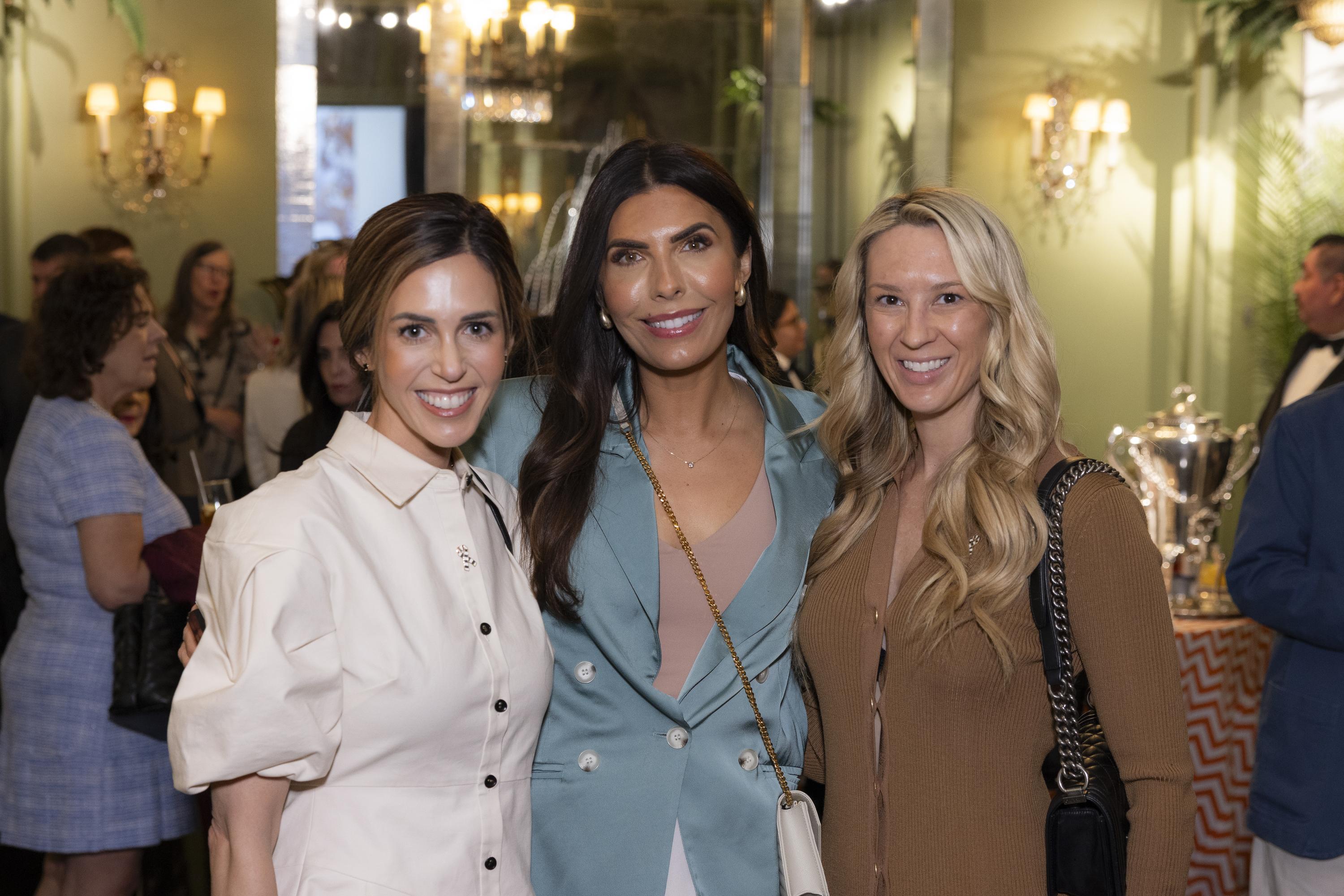
In her remarks, Magsamen said that you don’t have to be a superstar at it: trying writing or making music or doing something like pottery or knitting which involve both hands. These artistic opportunities will stimulate neurons on both sides of the brain.
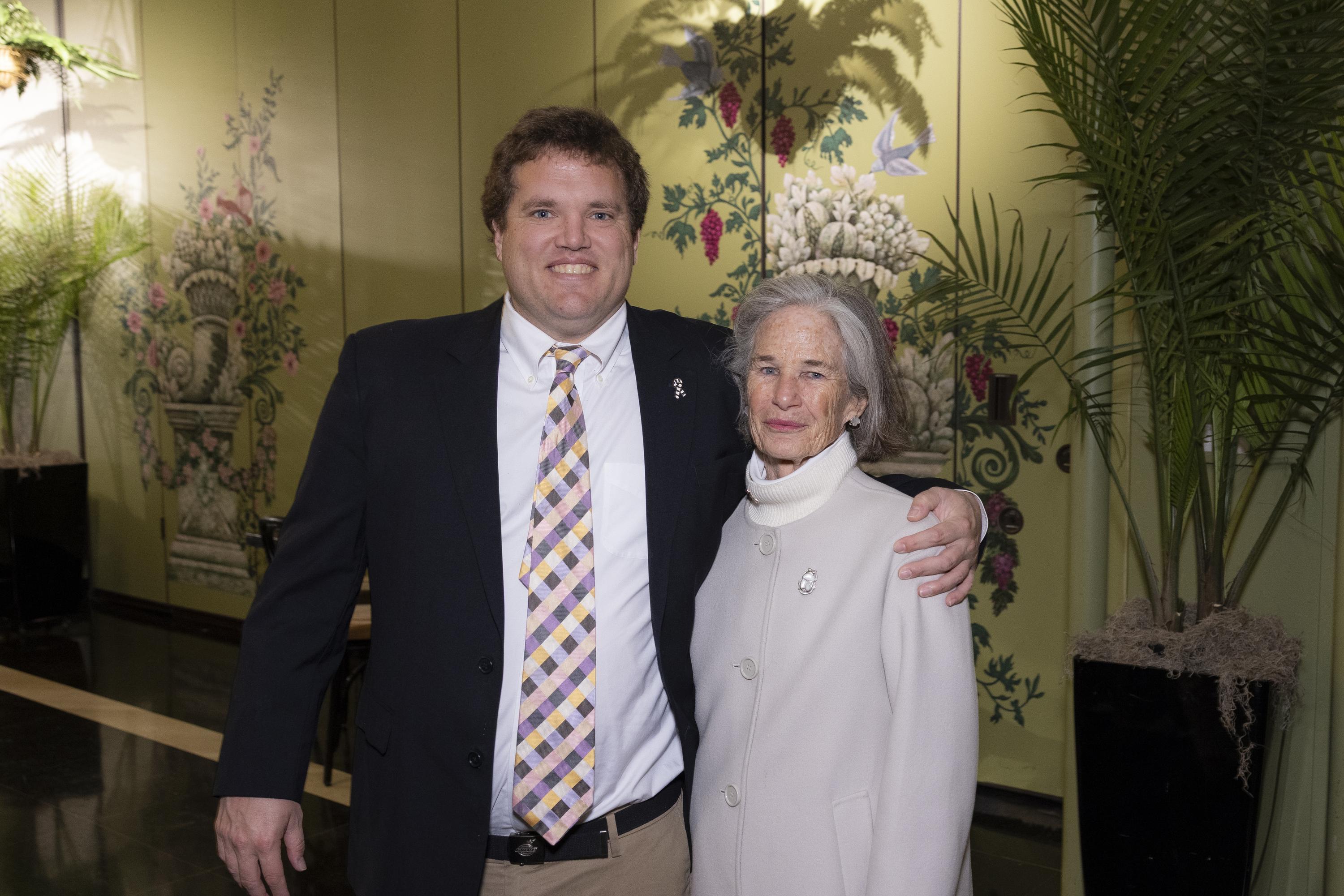
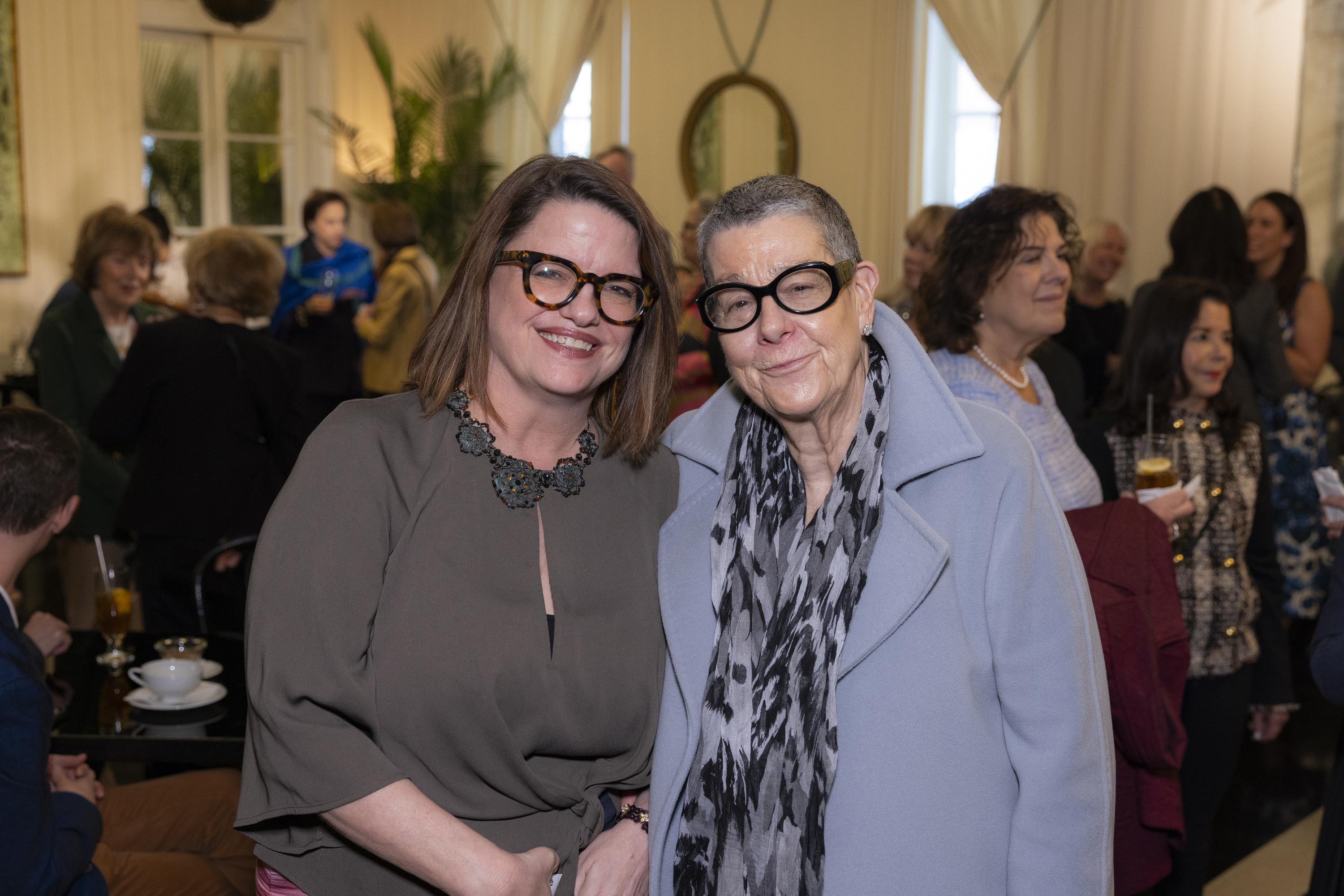
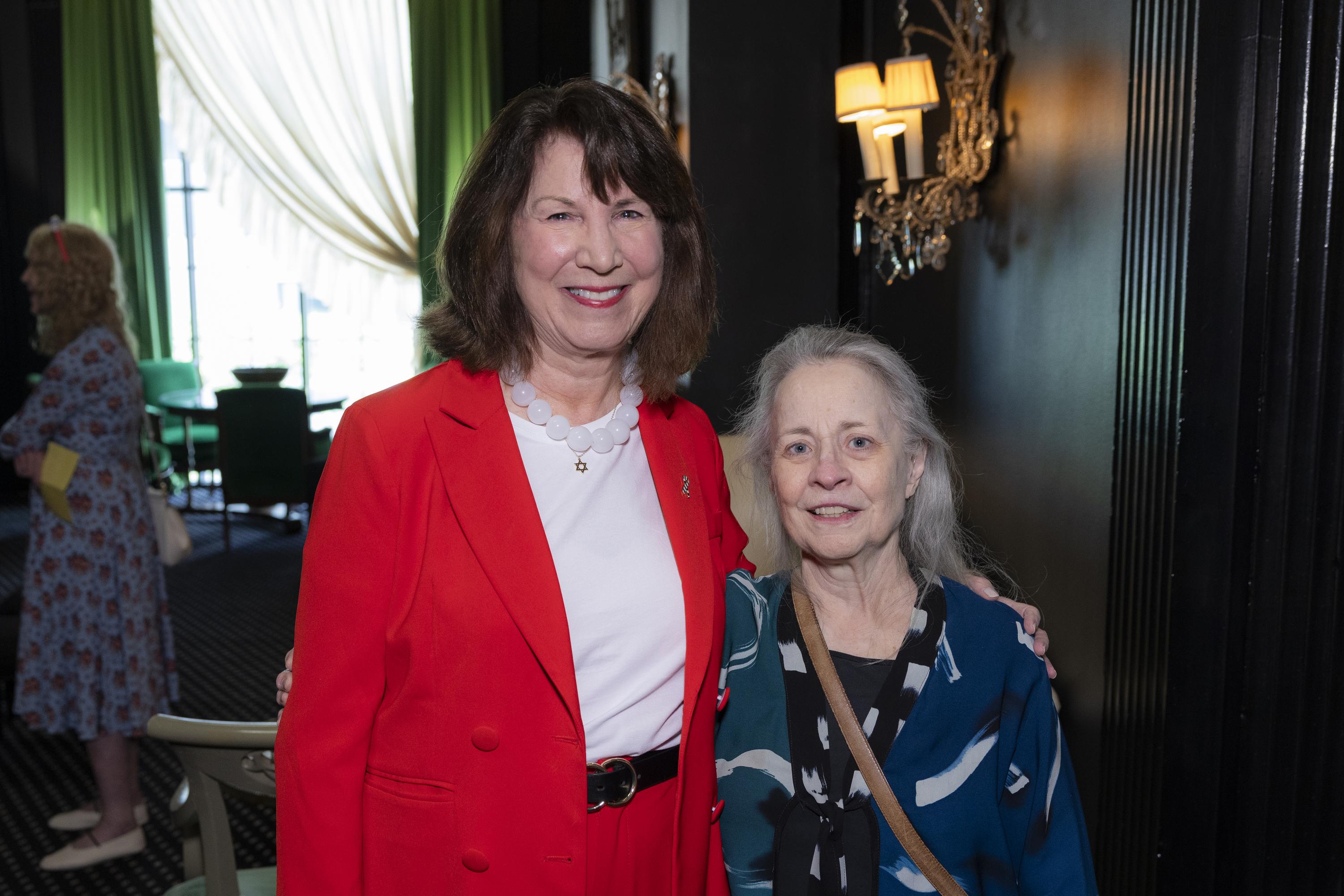
Magsamen told the audience:
“Dance of any kind definitely lifts your life and a 20-minute walk in nature when colors and textures so stimulate can sometimes be the very best thing. In so many ways, the arts can be used in the service of humanity. It is the language of things we haven’t had the works for: they are not a luxury or an ancillary project. Over 5000 indigenous cultures didn’t have words for things and they used art. Today, arts, health, science and technology come together and can create meaningful change.”
Co-chair Florence Ann Romano’s welcomed guests that day:
“A 20-year anniversary doesn’t just happen. It takes a tremendous amount of effort and heart. And that heart is right here in this room — and also extends far beyond these walls. But most especially, we owe this legacy to Joyce and Dusty Sang, the founders of the Bipolar Foundation. Because of their tireless advocacy, their life-changing work has left their son Ryan’s fingerprints everywhere – in ways that are both seen and unseen. But always, always felt.”
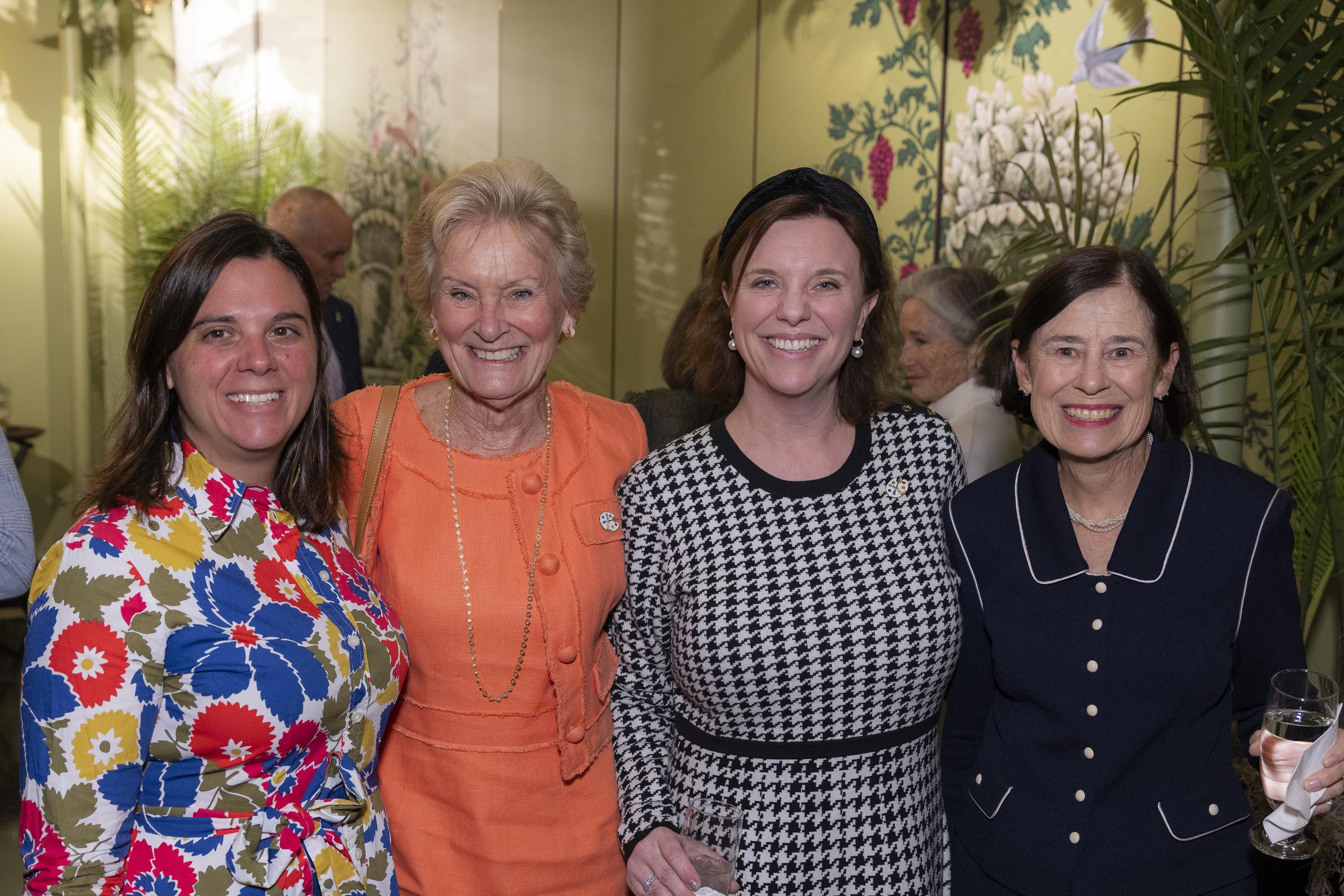
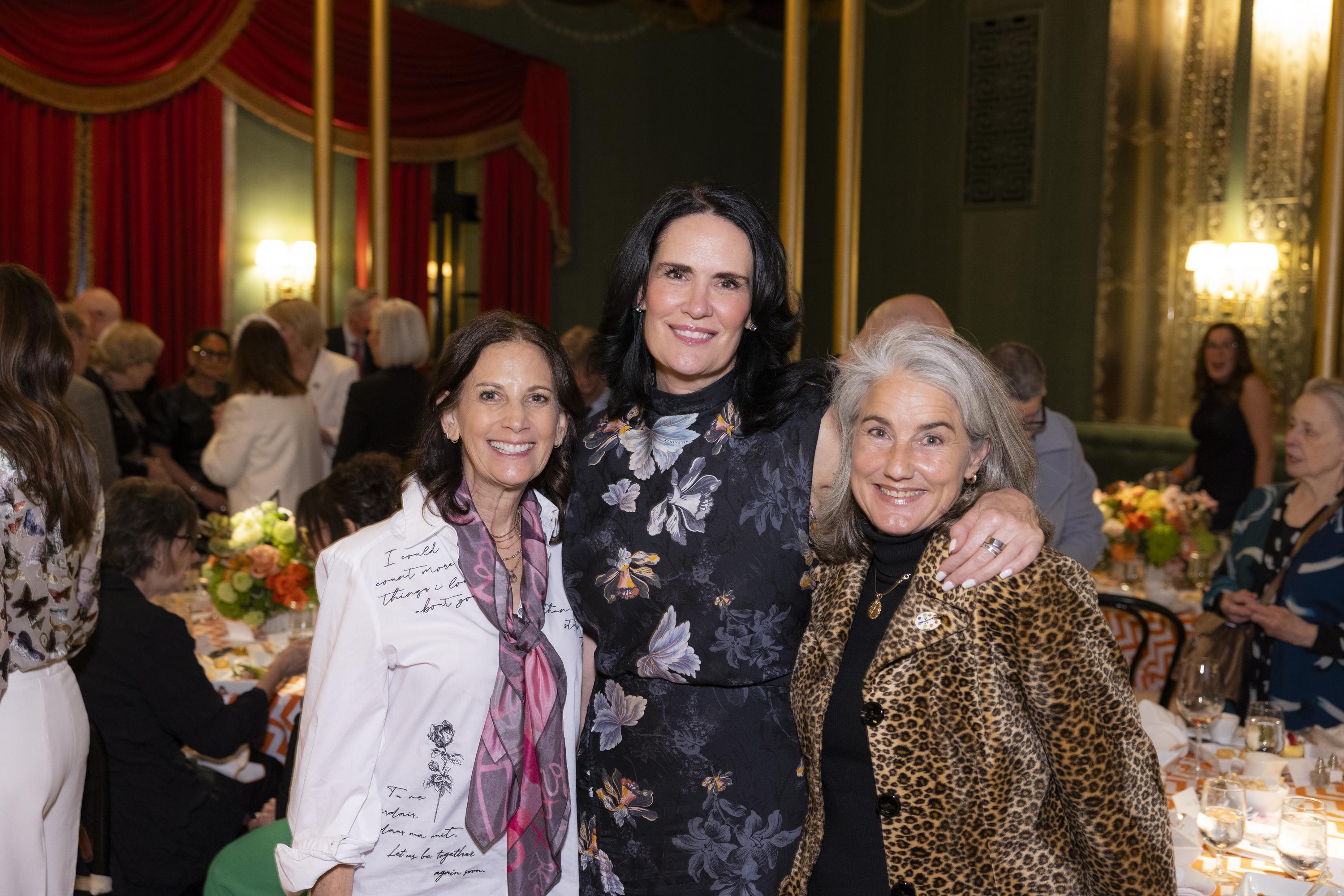
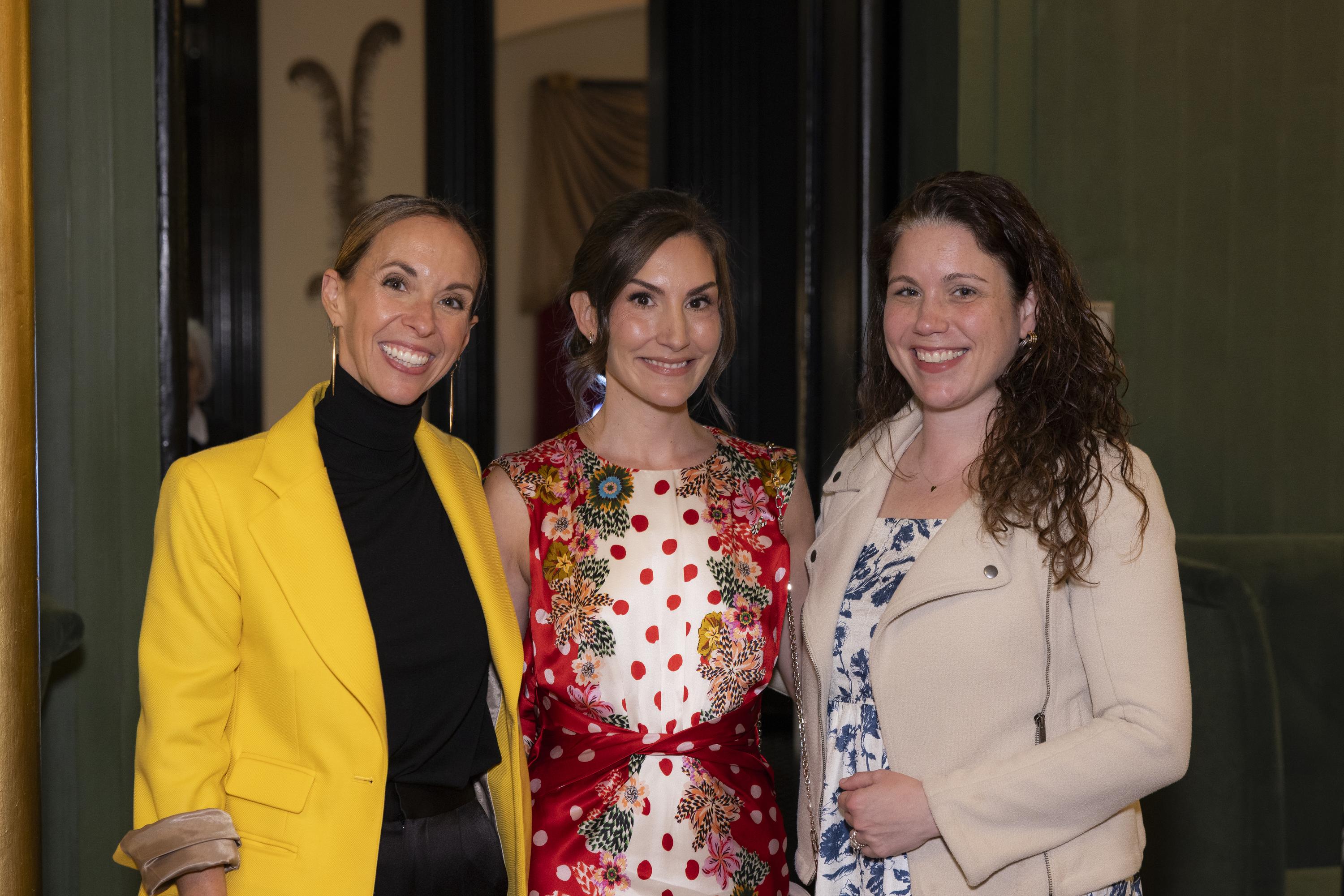
Alexandra Lyon Singer received the Foundation’s 2026 Shining Star Award and paid tribute to the founders’ efforts:
“Joyce, you and Dusty have transformed your grief into an extraordinary gift for the Bipolar community—one that reaches far and wide. While our own family has been touched by this disease, what drew me most to both of you is the selflessness with which you give. You have taken the wisdom born from the darkest moments of your lives and used it to guide others with compassion, strength, and hope. You honor Ryan’s life while continually looking toward the future in a way that has deeply inspired me to do the same. After 20 years of doing this work in Ryan’s name, I know there have been incredibly difficult days. But look at what you have built. The scientific advancements you have supported, the awareness you have raised, the stories you have elevated, and the lives you have guided have created a lasting fabric of change that continues to impact so many. I am truly honored to have been part of this journey with you and to receive this award. And while I am grateful for the ways I have been able to support your foundation, it pales in comparison to how profoundly you have enriched my life. You may never fully know the impact you and Dusty have had on me, but I am so excited to continue this journey together as we carry this momentum into the next chapter of the Ryan Licht Sang Bipolar Foundation.”
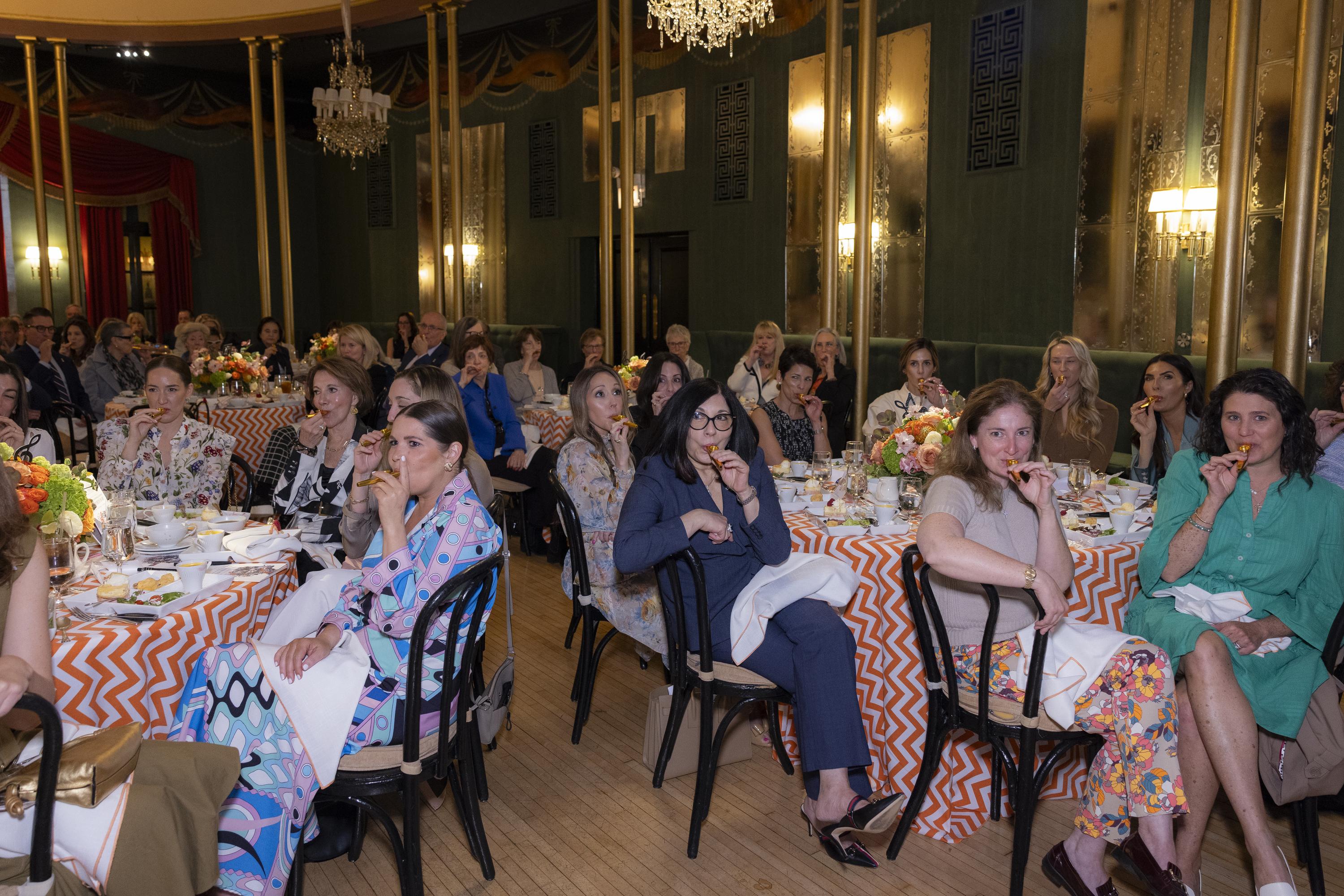
And what a fitting finale when the Jonas Friddle Trio came to the stage and told everyone to pick up the kazoo at their place setting for some Memphis Jug Band blues of the 1920s. Originally written to be played by musicians using spoons, bones and washboards, luncheon guests played their kazoos helped to create one of the most joyful and insightful events we can remember.
For further information about the Ryan Licht Sang Bipolar Foundation, visit: questforthetest.org