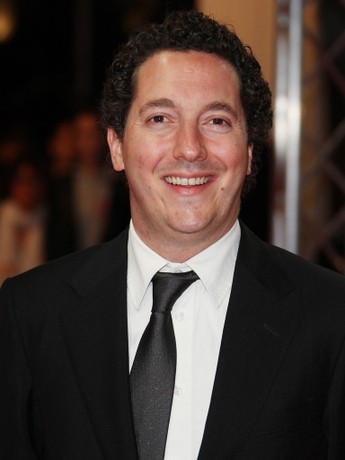

Astrid Greve-Spencer, a Chicago entrepreneur to salute, told Classic Chicago that she feels her entire life has led to the creation of her business, About Us Media LLC. The Emmy-winning former TV news executive producer related that she spent 15 years digging for stories and translating complex information to make it interesting and believable, before transferring her journalism skills to public relations and into creative communications. Now, out on her own, she is working with corporate leaders to teach them to tell the story behind the story.
“Essentially, I want to help executives produce their legacy. It’s beyond a job title. Executives have experienced a lot, and it is not all tied to what they are doing now. They need to figure out what they are known far beyond the business day in and day out. Leaders should be sharing their impact on the world and what they are doing to pay it forward,” she said.
We spoke recently with Greve-Spencer about legacy and storytelling:
Why is storytelling so important?
CCM: Why is storytelling so important, and why do people relate to stories so deeply?
I always say — facts inform, but stories transform. Our brains are wired for narrative; we remember information longer and feel more invested when it comes wrapped in a story rather than a data set. Stories create what I call the “empathy bridge” — a connection between the storyteller and the listener. And for business leaders, it creates a competitive advantage to be able to connect with the audience.
The components of great storytelling
CCM: What are the components of great storytelling?
A great story always has two core elements: tension and transformation — meaning, a problem that’s worth caring about, and a change that comes from confronting that problem. Without those two things, you don’t have a story; you have a fact sheet. When I work with leaders, they almost always lead with conclusions and skip the journey. My job is to reverse that, to find the human aspects that make their experience not just impressive, but meaningful for their audiences.
Why executives don’t lean into storytelling
CCM: Why don’t executives naturally lean into storytelling?
In my view, there are three reasons: first, it’s crucial for executives in their jobs to be precise and data-driven. To some degree, storytelling represents vulnerability, and that can feel risky in the professional world.
Second, executives are so close to their own experience that they don’t always see how extraordinary it is. When you’re trained to look ahead, you have to be reminded to sometimes pause, look back, and appreciate your path.
And third, many believe storytelling is something marketers do, not CFOs or COOs. What I remind them of is that the most influential leaders are almost always master storytellers. Just think about Steve Jobs — his speeches and insights still inspire and guide us to this day.
The importance of legacy
CCM: Why are legacies so important, and what difference can a senior executive make in a junior person’s life?
I see ‘legacy’ as the answer to a deep question: did my time here matter? Not just to the business bottom line, but to the people around me. A crucial conversation at the right moment, encouraging words, delivering a hard truth with care, introducing someone to a key contact — all this can redirect someone’s career.
When I help an executive share their story, we’re not polishing their résumé — we’re focusing on inspiration. Your résumé records what you did. Your legacy is about what you make possible for others.
Media interviews
CCM: What are the key components of media interviews, and how can an executive best use them?
The most important thing to remember is that a media interview is a conversation with the journalist’s audience — not just the journalist. You have to have a clear and easy-to-understand message, draw in the audience with stories that make facts come to life, and explain “what’s in it for them.”
When I do media training with executives, I focus on three areas: first, identify their core message — their “Why” — which should describe how they help their customers. Then I walk them through techniques to package information conversationally. Finally, I share tips on how to be just the right amount of comfortable. The executives who look most natural on camera are the ones who practiced and prepared.
What retired executives are looking for
CCM: What do you think retired executives are looking for when they think about their legacy?
What I hear most from retired executives is — they want to know that their work continues to matter. What keeps them up at night isn’t financial; they fear that decades of hard-won knowledge will fade away when they leave. That’s why I remind them that building a legacy is key; it’s the opportunity to pay it forward and help shape other people’s lives and careers. The executives who do this best focus on documenting and sharing what they know — through speaking, writing, mentorship, and thought leadership.
What audiences want
CCM: What are audiences looking for when they attend a program led by a leader in a field?
In short, they want to be inspired and energized. They don’t come for the slide deck; they want the story behind it all. What audiences want to hear is what a leader did when things went sideways, how they made a decision that wasn’t obvious at first, and all the lessons that only come from having lived it. Audiences also want specific details, not corporate generalities.
The coaching work
CCM: Do you do actual coaching?
I do strategic communications advising and media training — and it’s some of the most rewarding work I do. The real transformation happens one-on-one, when we unpack a leader’s story, re-package their messages in a way that resonates with the audience, and practice their delivery until it feels natural and compelling.
My years as a TV news executive producer mean I know how to find the gem in a story that will resonate most, how to push a leader toward being authentic without sacrificing their authority, and what genuine audience connection actually looks like. My goal is always to help executives tell their story in a way that’s authentic, strategic, and memorable — not for vanity, but for impact.
The impact of storytelling goes a long way, and Greve-Spencer’s strategy is helping leaders make their mark on the world by sharing their expertise and inspiring others.