
Does your orchid refuse to bloom or your dracaena droop, we have the place to call. If you are finding yourself a little droopy and want to get out of town, for both we say St. Louis.
A fall day outdoors in St. Louis, first at the Zoo and then at the Missouri Botanic Garden leads me to encourage a visit to a city with more attractions free to the public than any other city than Washington, DC. Delightful dining and three museums added to the long-weekend plans. In last week’s issue, we profiled the Zoo and the Missouri History Museum.
If you are a gardener and need advice, someone from St. Louis can help. Just call the Kemper Center for Home Gardening at the Missouri Botanic Garden, which has become a world resource for frustrated gardeners. What began as a one-volunteer project now handles over 10,000 calls yearly for a staff that offers practical science-based advice. And yes, they answer the phone.

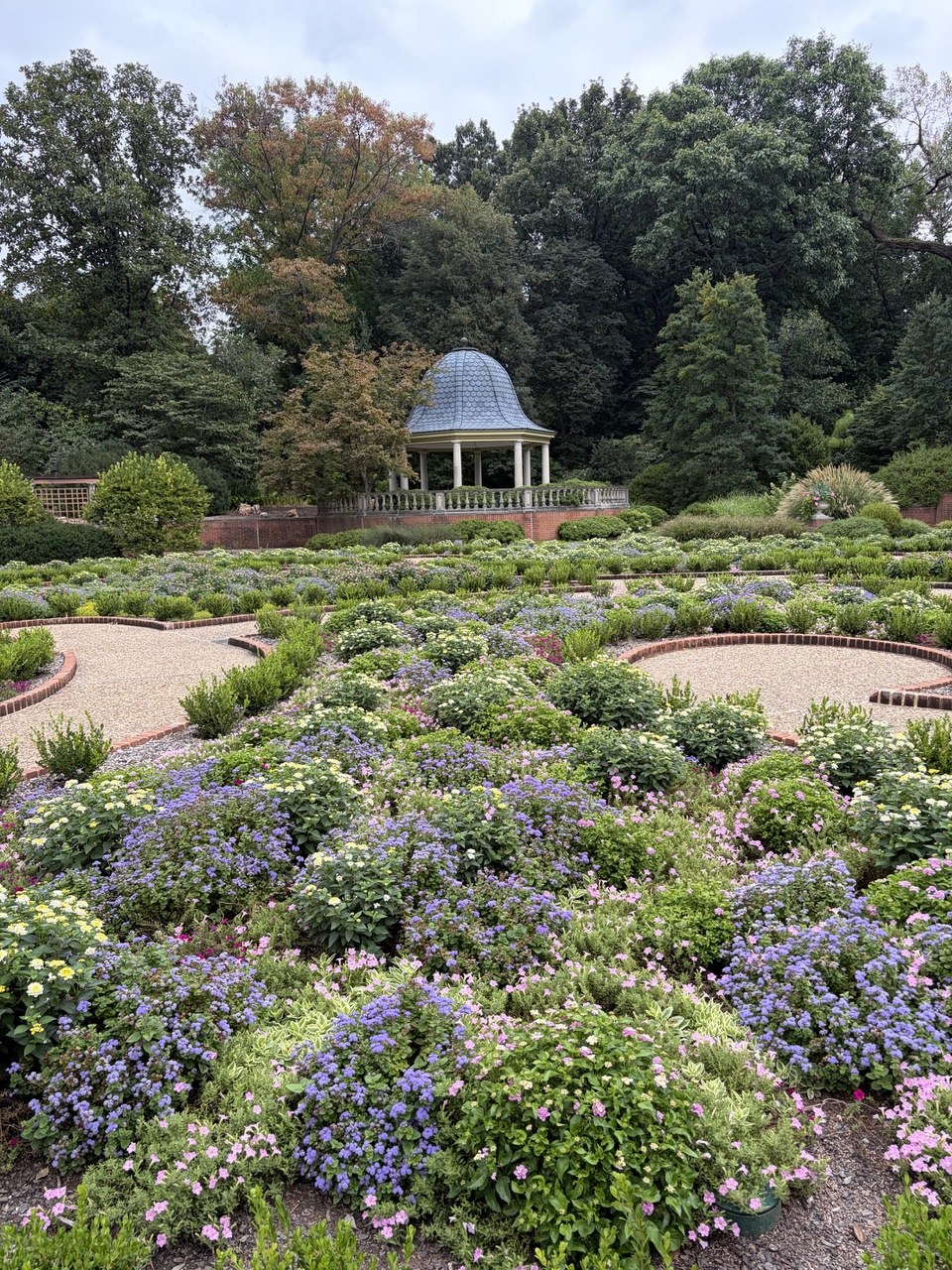
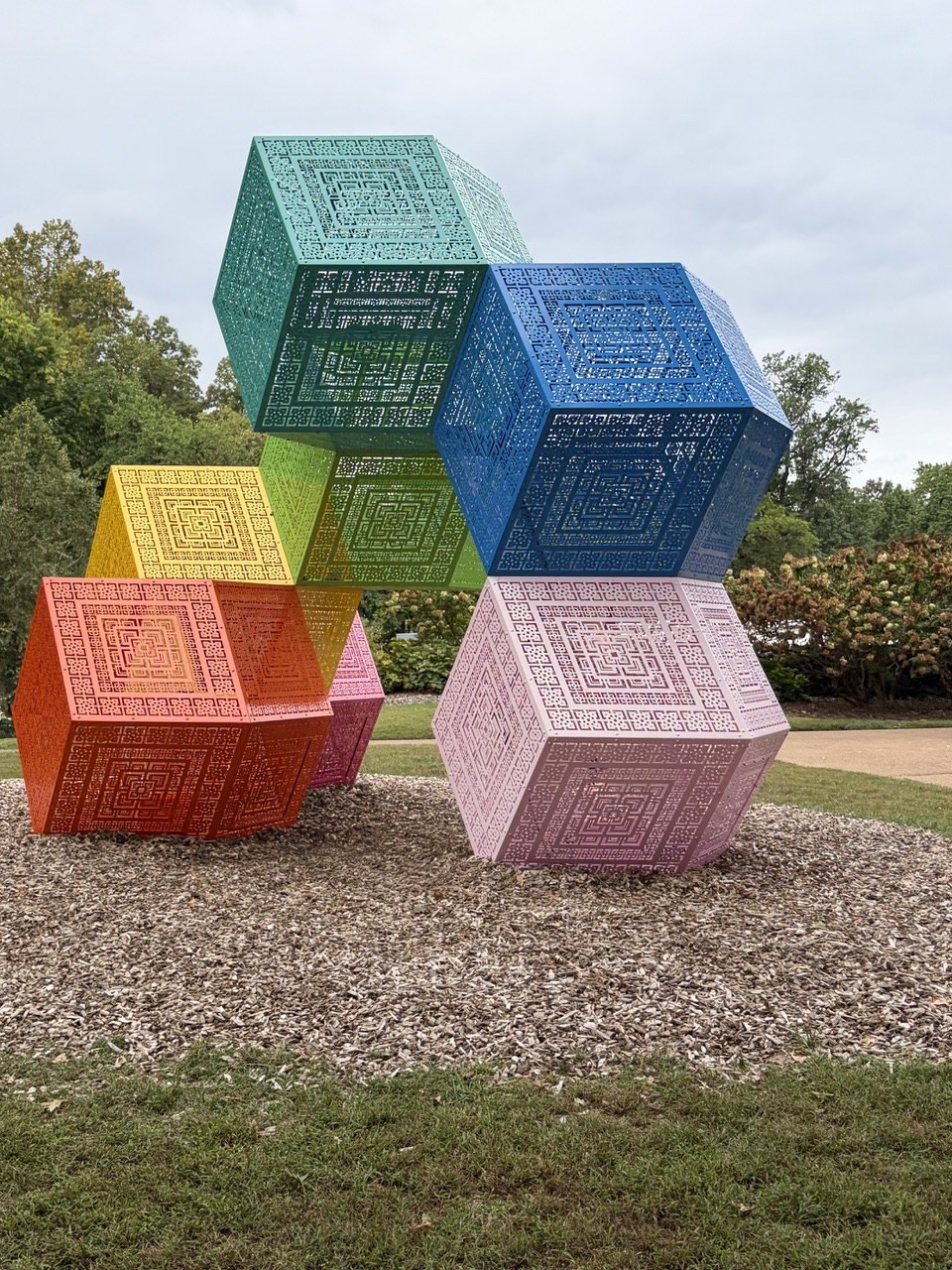
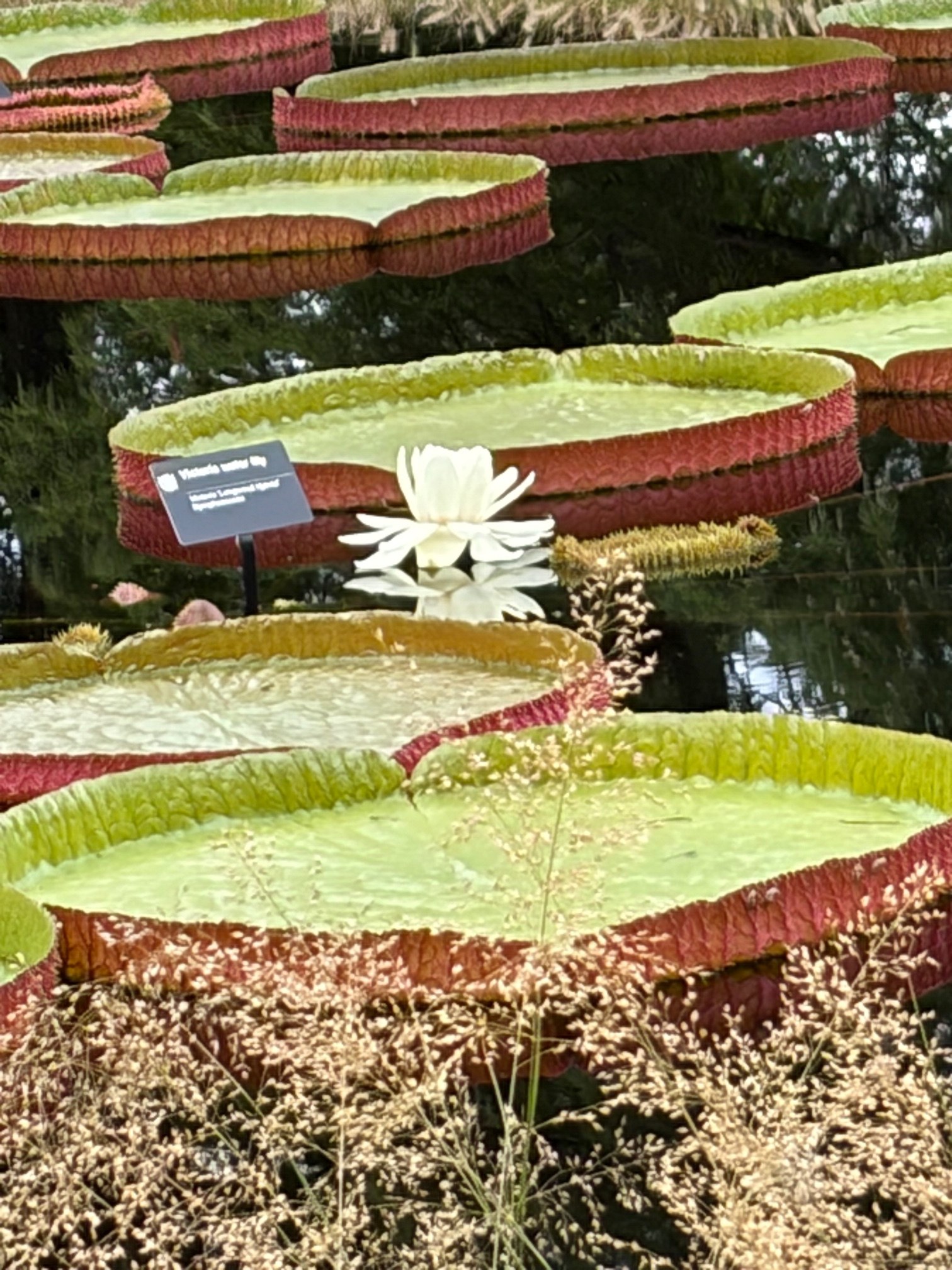
The Missouri Botanic Garden, founded by Henry Shaw in 1859, is one of the oldest in the country and features 79 acres of rare and endangered plants and includes a 14-acre Japanese strolling gardens to visit at a very low cost. A Frank Stella stands close to statues from the World’s Fair and a Victorian garden maze. For the holidays during Garden Glow opening November 14, two million lights twinkle along the varied paths.
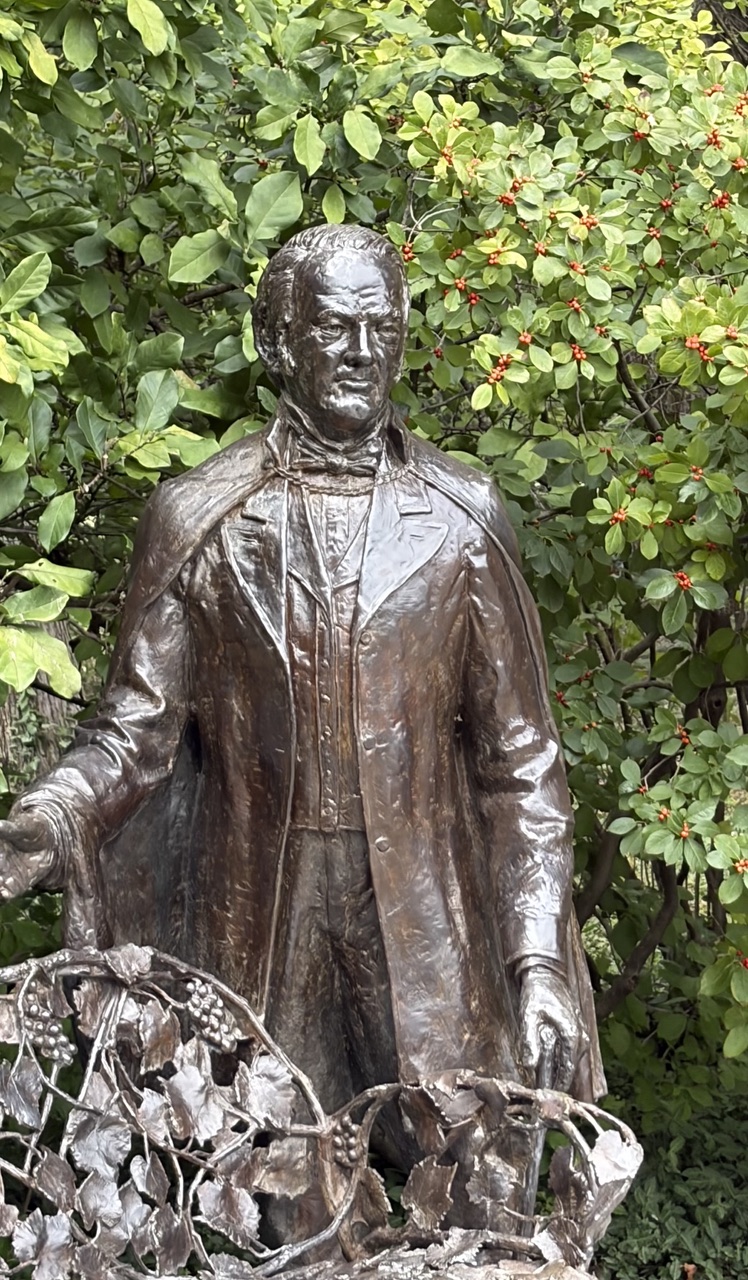
Henry Shaw came to St. Louis in 1819 to open a business selling hardware and cutlery. The Englishman was influenced by the gardens at Chatsworth and Kew. Early on he added an herbarium, currently housing more than 7.5 million specimens, one of the largest of its kind in the world. His house and grave are on the property, along with a statue of his standing by a bench intertwined with grapevines.
When France’s vineyards were dying from the pest phylloxera in the 1800s, Missouri vineyard experts, led by Shaw, gave French winemakers American rootstock which is resistant to the parasite. The trick involved grafting the majority of France’s grape plants with hearty American rootstock.
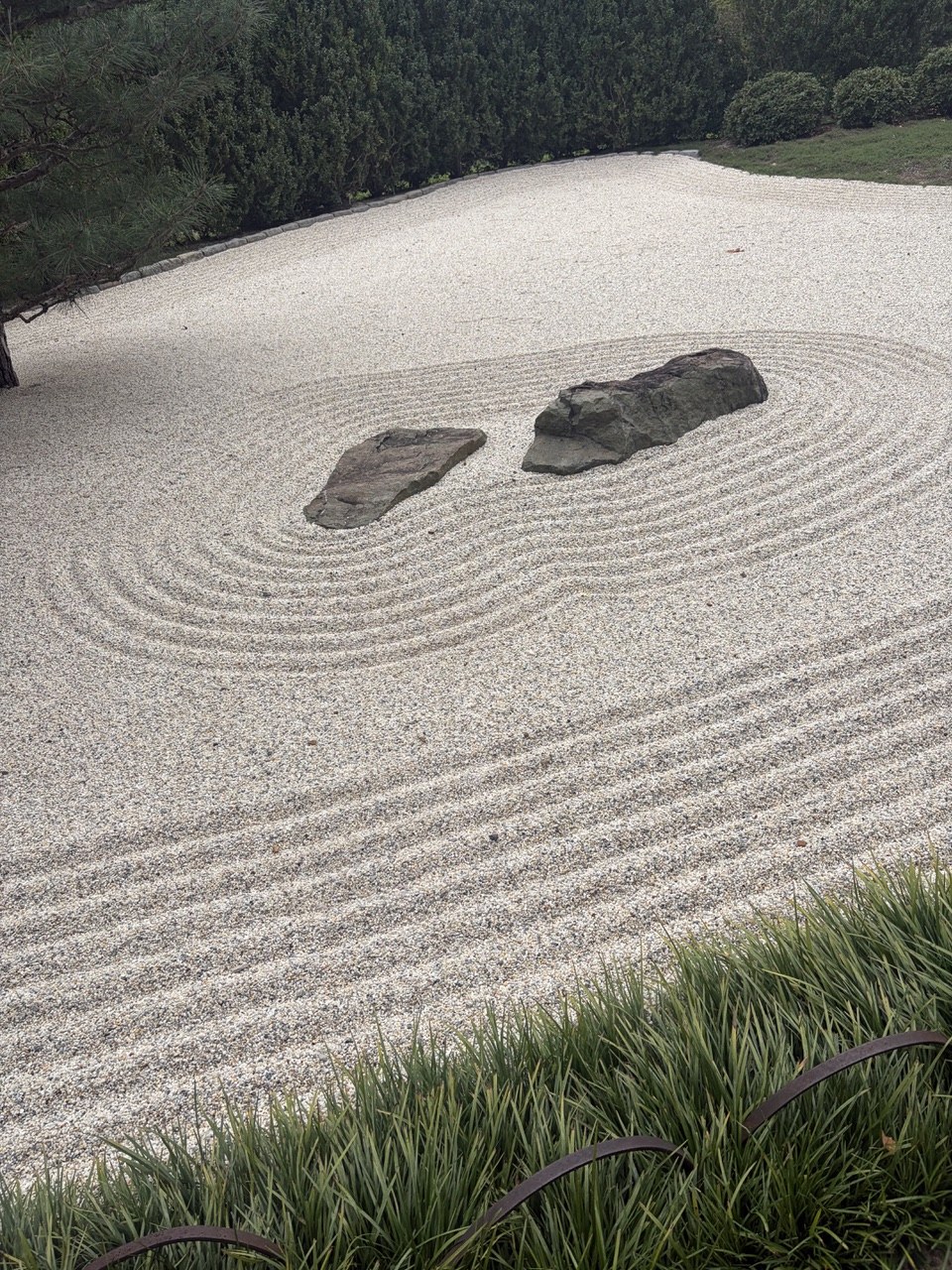
“Our Japanese Garden, now 50 years old, is dedicated to the idea of peace and harmony and at 14 acres it is one of the largest in North America,” Museum Officer Melissa Ettlinger told us as she walked us by the perfectly raked borders and pond with sacred lotus blossoms. “It is laid out so at first you can only look ahead, but at the end you can look back at the full garden and is a way I think to look back on our own full lives.”
The Japanese garden features cherry trees which came as seedlings from the historic trees in Potomac Park in Washington, DC. Elsewhere, a moon gate welcomes you to a Chinese garden, the Peter H. Raven Library which contains five miles of bookshelves devoted to botanical literature, and a tropical greenhouse where you’d like to spend winter.
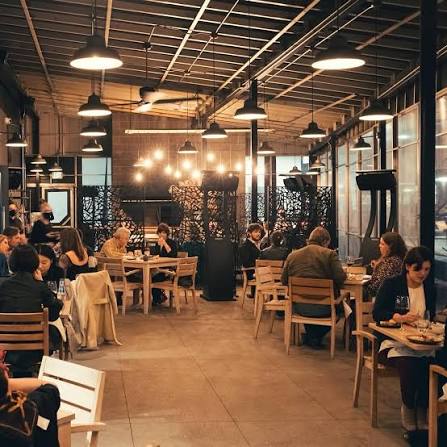
Although gooey butter cake and toasted ravioli are known as the city’s most famous dishes—and varieties of these themes are found at a variety of hometown spots—we chose three restaurants with a farm-to-table trend and one actually in a plant store itself.
Vicia, a finalist in the James Beard 2026 outstanding national restaurant award, describes itself as vegetable-forward and grows many of its offerings in a front garden. Trout cooked over a wood-fired hearth, oysters topped with grape ice and cherry tomato salad with quinoa and fig leaf oil presented by a most personable server were also delicious. A Basque cheesecake, perhaps a tip of the toque to gooey butter cake, was blissful.
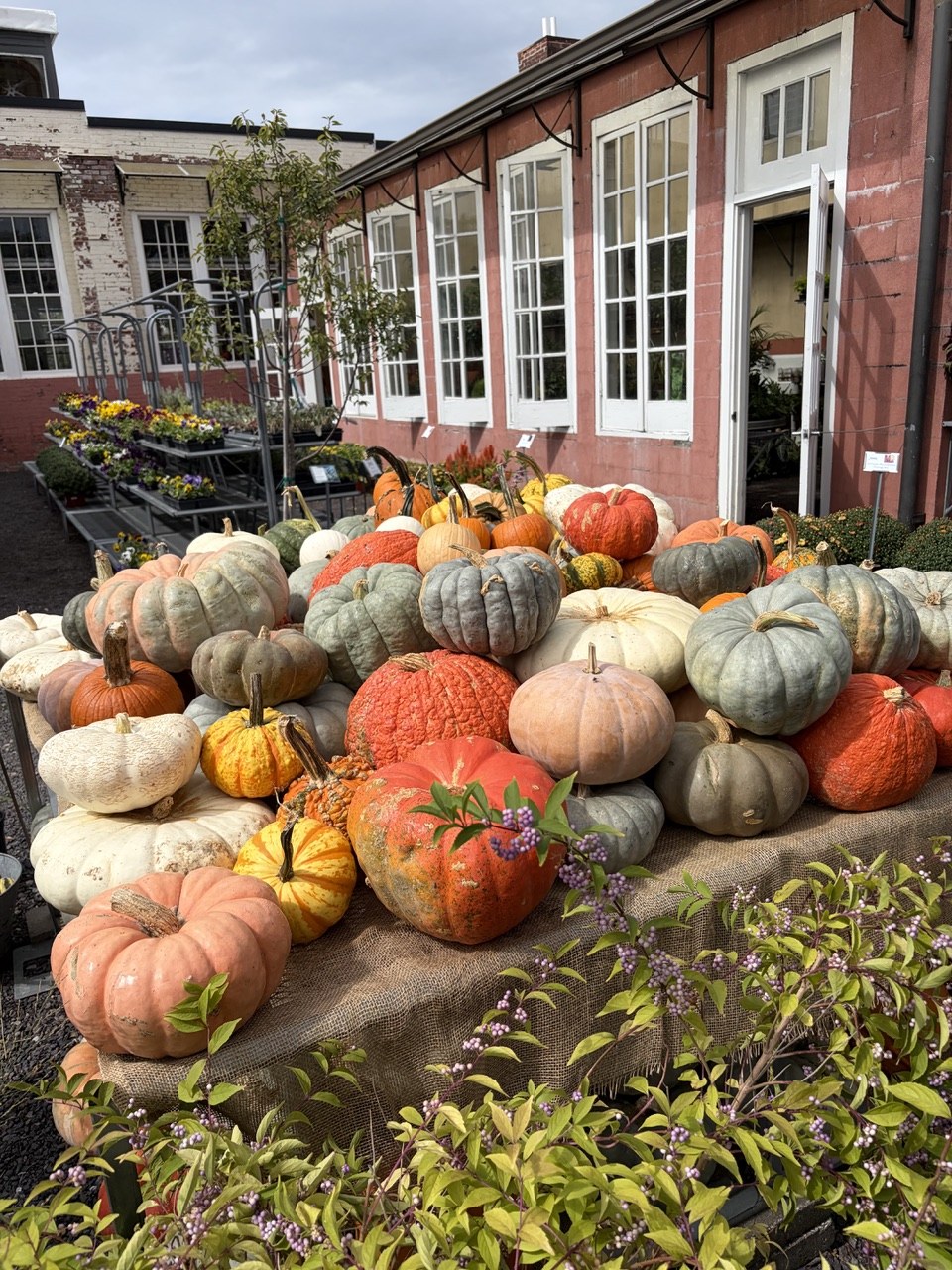
At a Bowood by Niche brunch, served in a working greenhouse filled with fall plants, featured churro waffles with dulce de leche, crab cake eggs benedict, and cacio e pepe--eggs scrambled with pecorino cheese--were delights to eat outdoors in a fall-adorned garden.
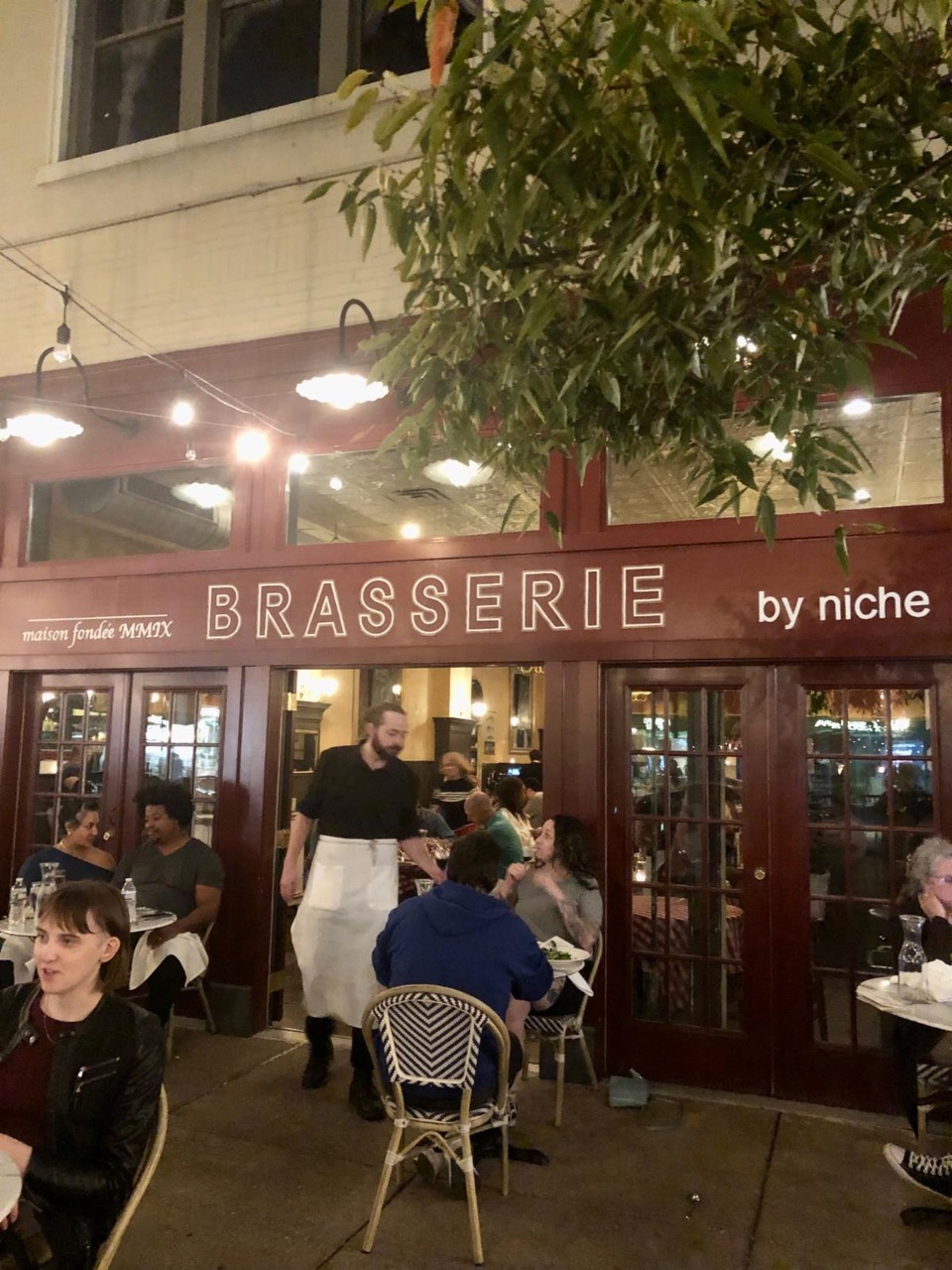
Dinner in the Central West End at Brasserie, also by Niche, spilled out onto the street in this favorite St. Louis neighborhood. Great onion soup and brasserie burgers, we wished we had tried the floating island for which it is famous. Delighted that there’s a return visit to St. Louis planned for next year.
We also recommend you plan a visit to three St. Louis museums all offering free admission.
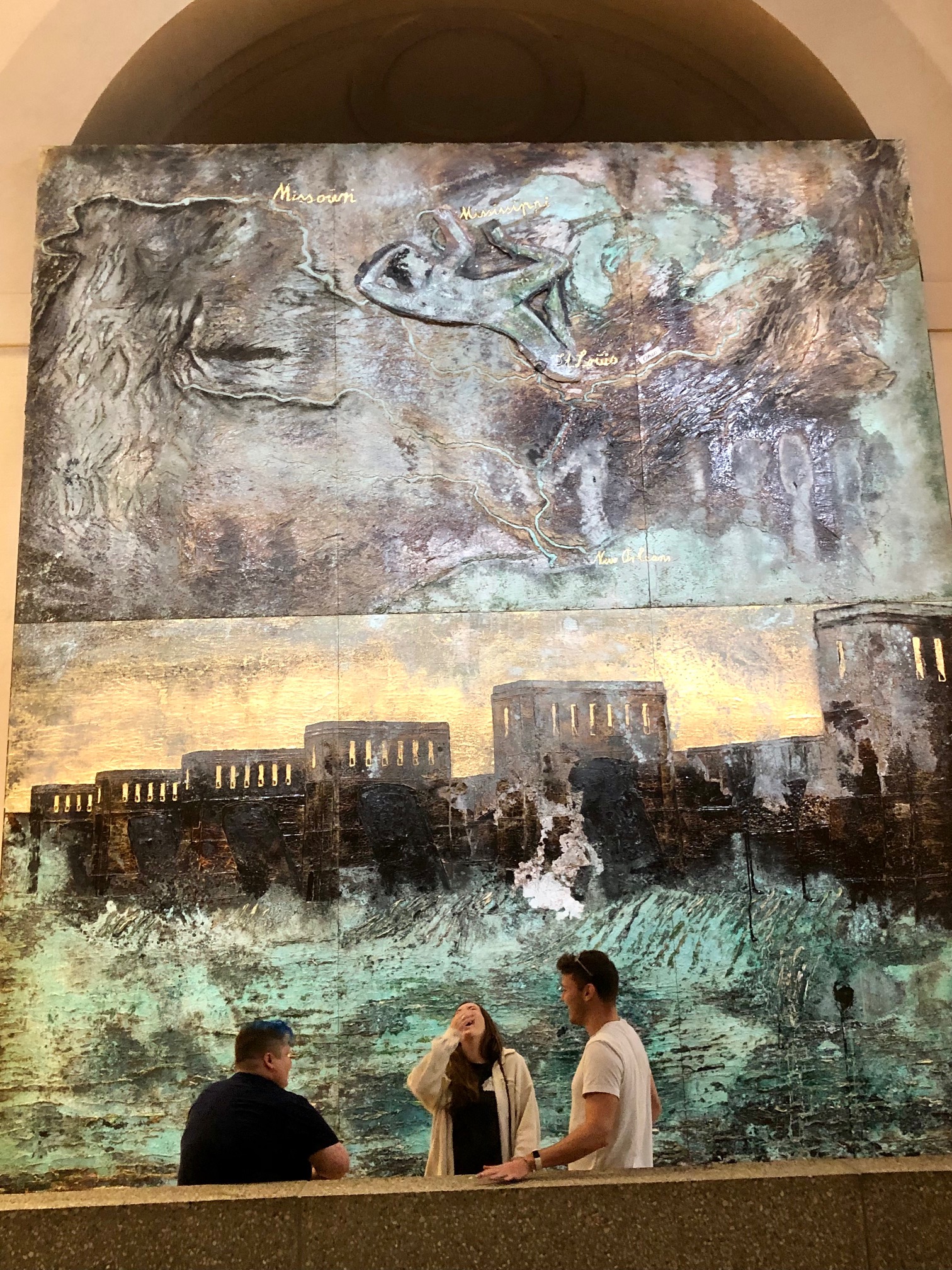
On a hill overlooking Forest Park where sledders head in winter, a statue of Saint Louis, the French King during the 1200s who was canonized as a saint, welcomes visitors to the St. Louis Art Museum. The only one remaining of the 11 palaces built for the World’s Fair of 1904. Just inside, Anselm Kiefer’s “Becoming the Sea” features site-specific murals designed by the artist to represent the Mississippi and Rhine rivers. The five massive murals are made of unconventional materials such as ash, clay and dried flowers.
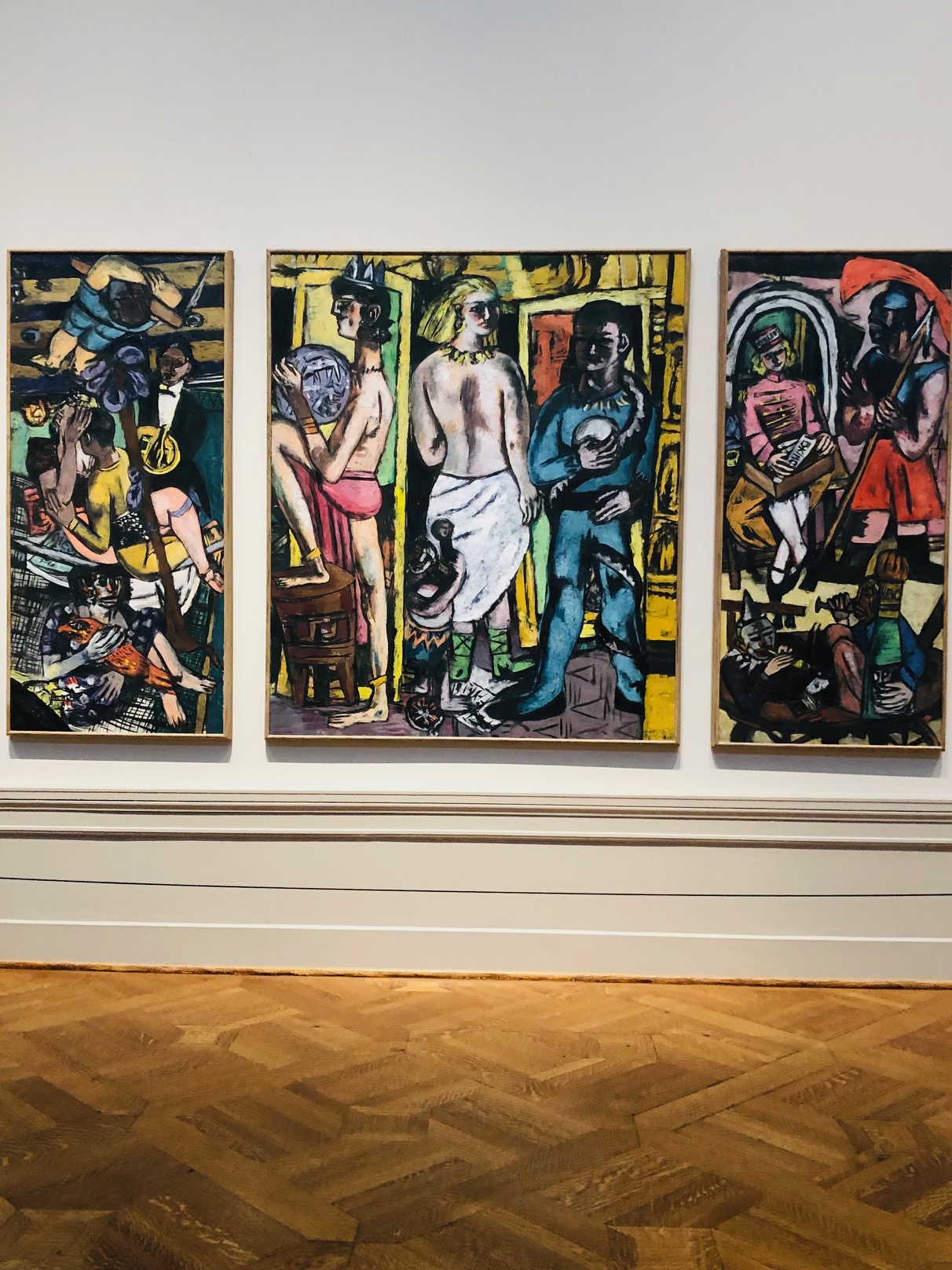
The St. Louis Art Museum has the world’s largest collection of paintings by Max Beckmann, thought by many to be the finest German painter of the 20th century. A professor at the School of Fine Arts at Washington University in St. Louis from 1947-1949, his work influenced many local artists. Not only does the Museum exhibit the work of Beckmann and other German Expressionists, it contains one of the nation’s great collections of postwar German art.
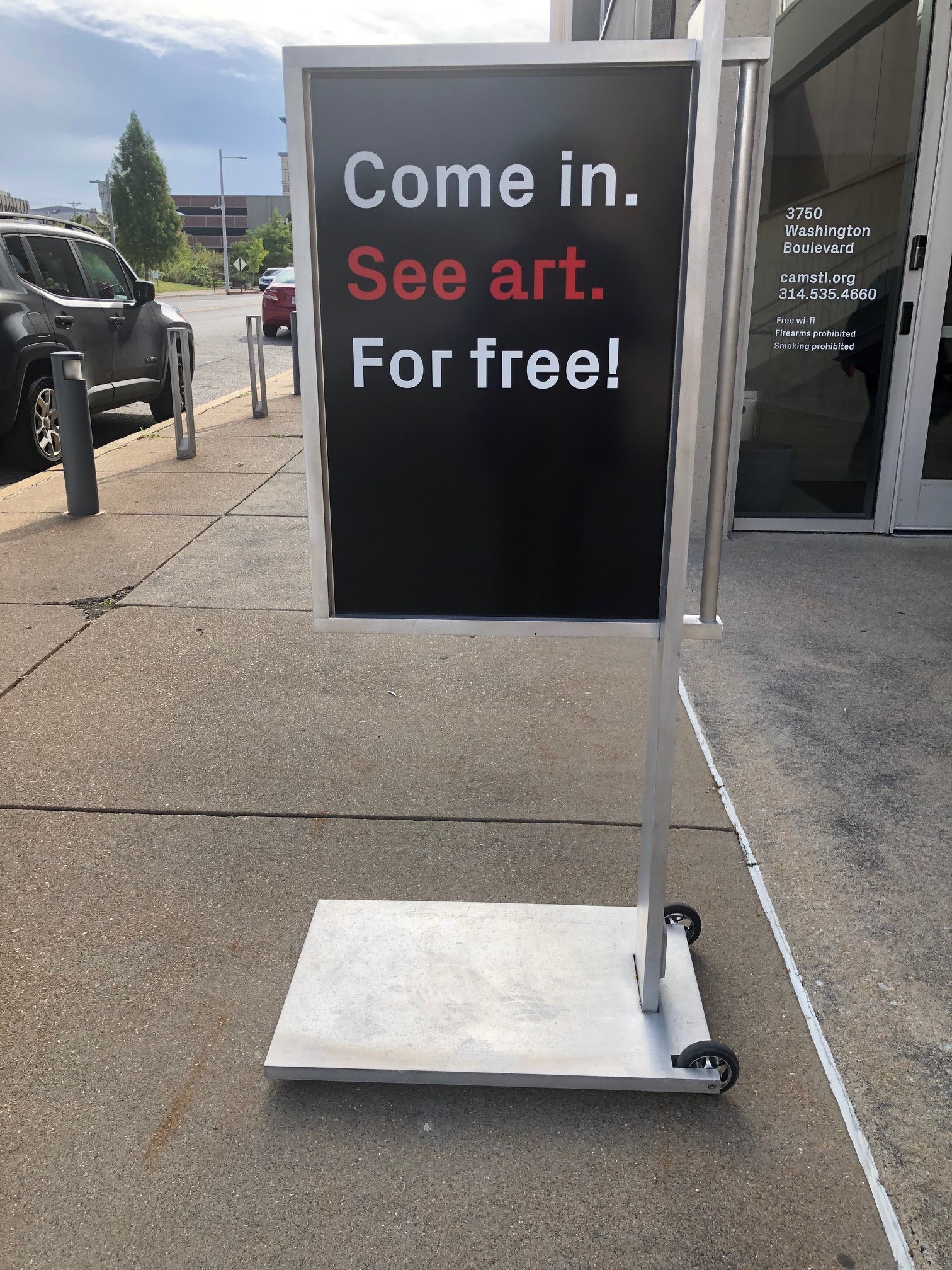
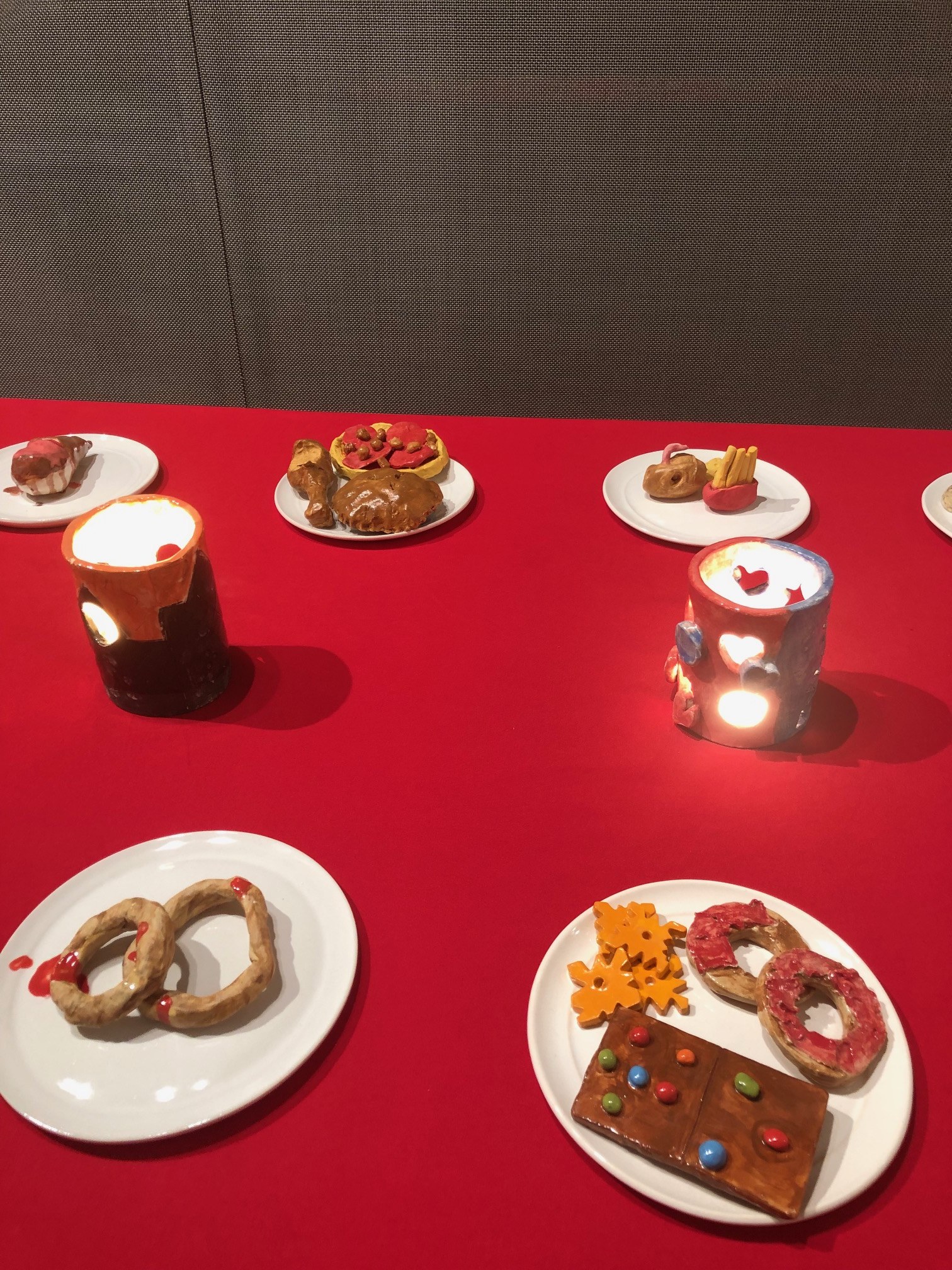
Sitting side by side on Washington Blvd, the Pulitzer Arts Foundation and the Contemporary Art Museum St. Louis offer outstanding visiting exhibitions.
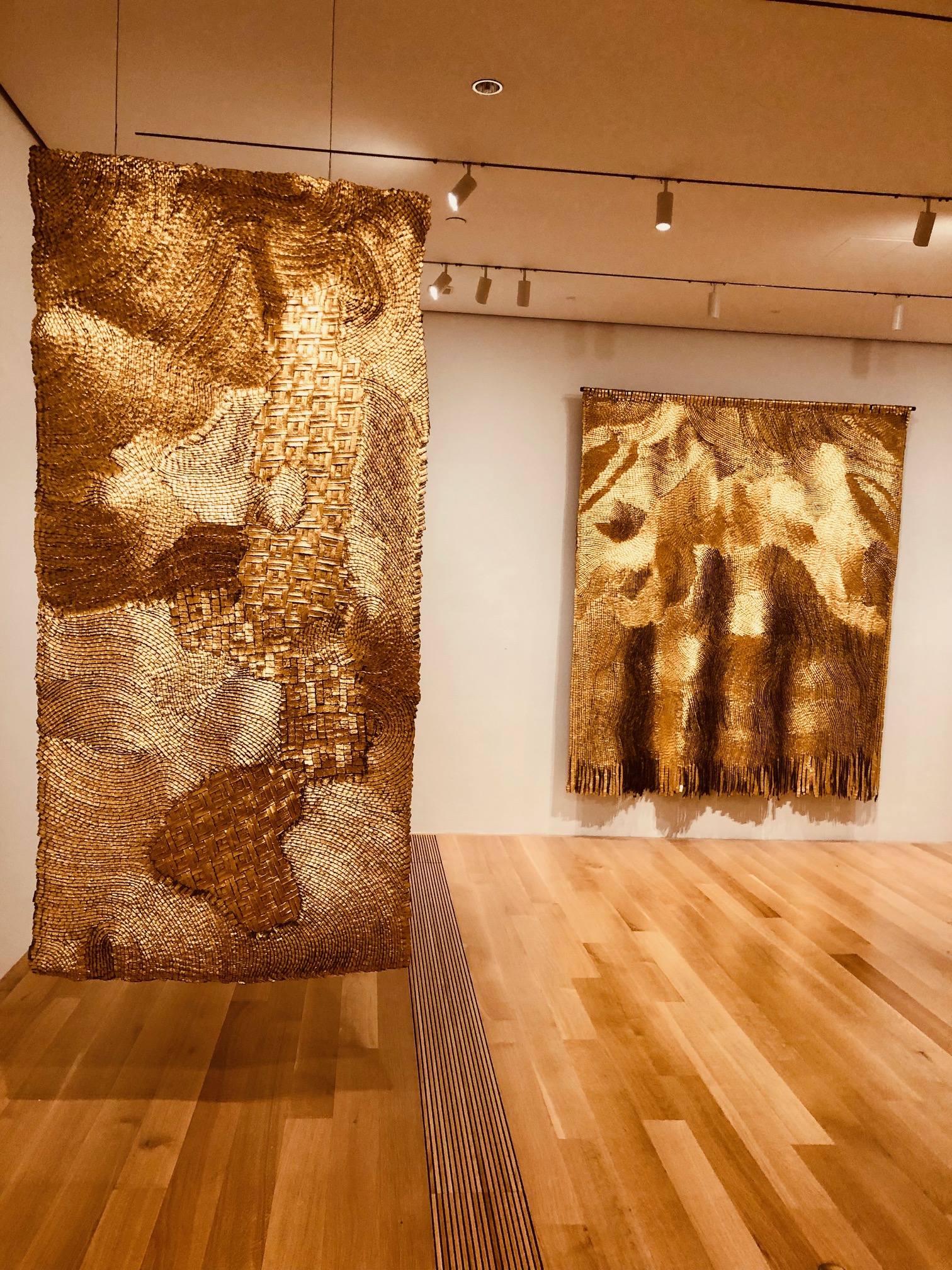
“Weaving the Infinite” by Colombian artist Olga de Amaral is exhibited at the stunning Pulitzer Arts Foundation through January 31 and then goes to the Cooper Hewitt Museum in New York in April. It traces the trailblazing artist’s revolution from early weavings in the 1950s to monumental hangings of gold leaf on linen and gesso. A former student at Cranbrook Academy of Art where she met her husband, Amaral still weaves at the age of 94. The Chicago Art Institute has her works in its collection.
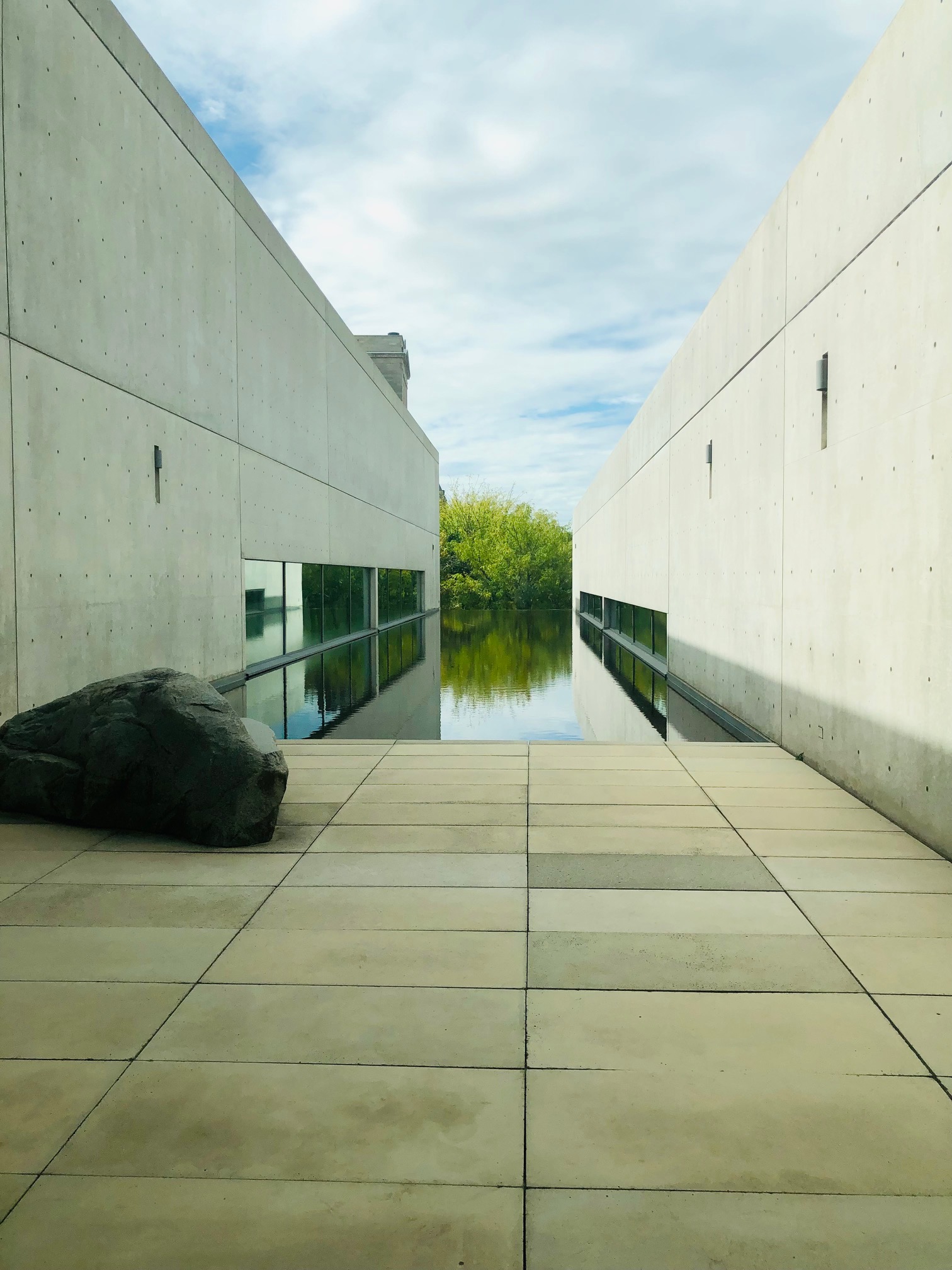
The Pulitzer Arts Foundation was established in 2001 by Emily Rauh Pulitzer, a former curator at the St. Louis Arts Museum, and her late husband Joseph Pulitzer, Jr. whose publisher father established the Pulitzer Prize in 1904. Her friend the artist Ellsworth Kelly supervised the installation of his monumental painting of auto paint on metal, recommending to the architect Tadao Ando to make the height of a doorway nearby a little shorter so as not to interfere with his painting.
Now featured at the Contemporary Art Museum St. Louis, the Great Rivers Biennial which recognizes and fosters talent in the St. Louis area. Every two years the program grants three emerging or under-recognized artists, chosen by national jurors, with an honorarium and the exhibition opportunity.
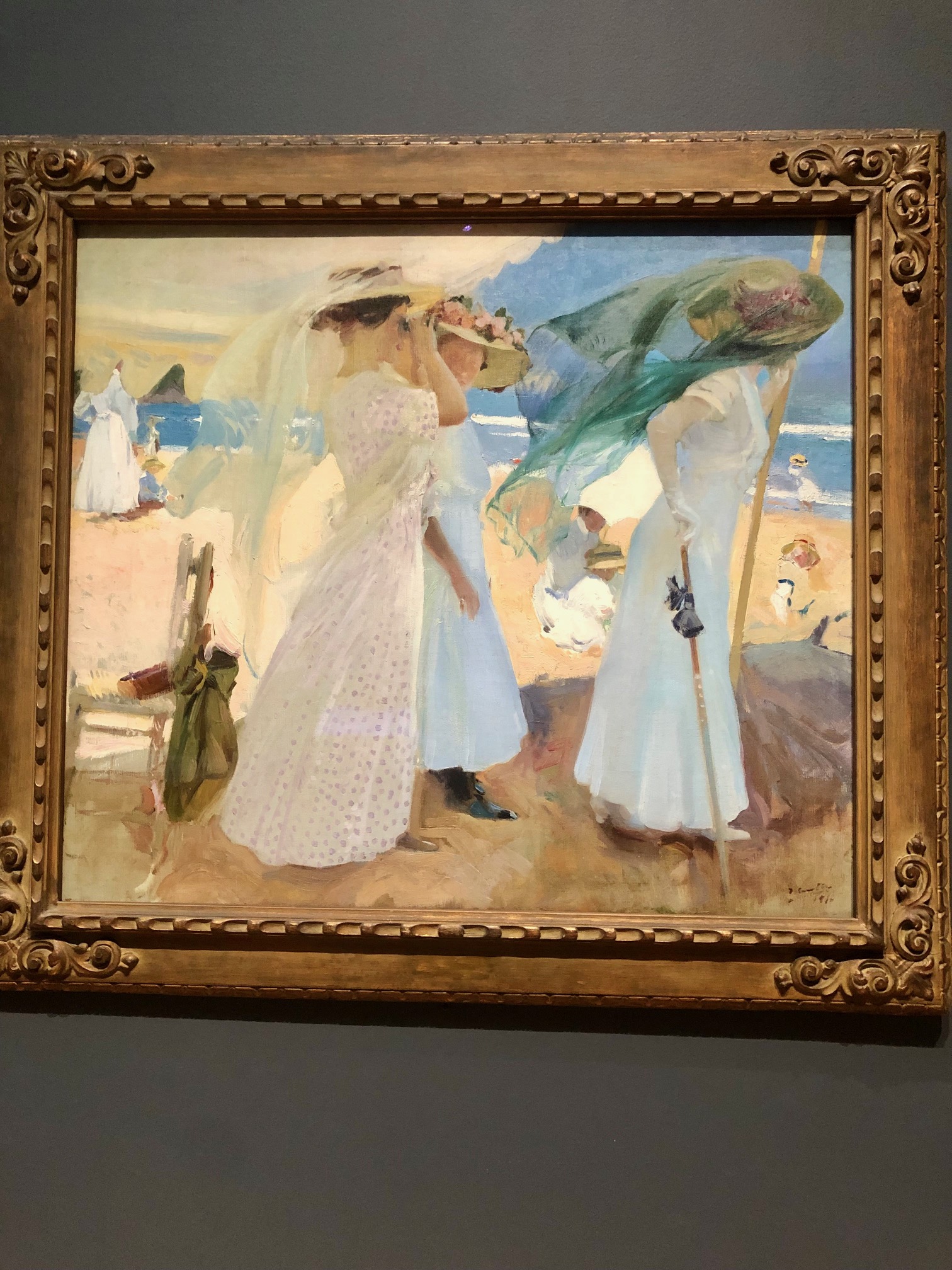
Although the river isn’t the Mississippi but the sea in Northern Spain, Joaquin Sorolla’s “Under the Awning” seemed to catch the time when people from around the world said “Meet Me in St. Louis” for the 1904 World’s Fair. More than 120 years later it makes sense to say the same thing.
 ← Previous: Chicago Haunts to Visit this Spooky Season