
Who knew that this unassuming dried fruit was once one of the most valuable commodities on earth? Its trade changed the course of history and helped shape the world as we know it. Today we take it for granted.
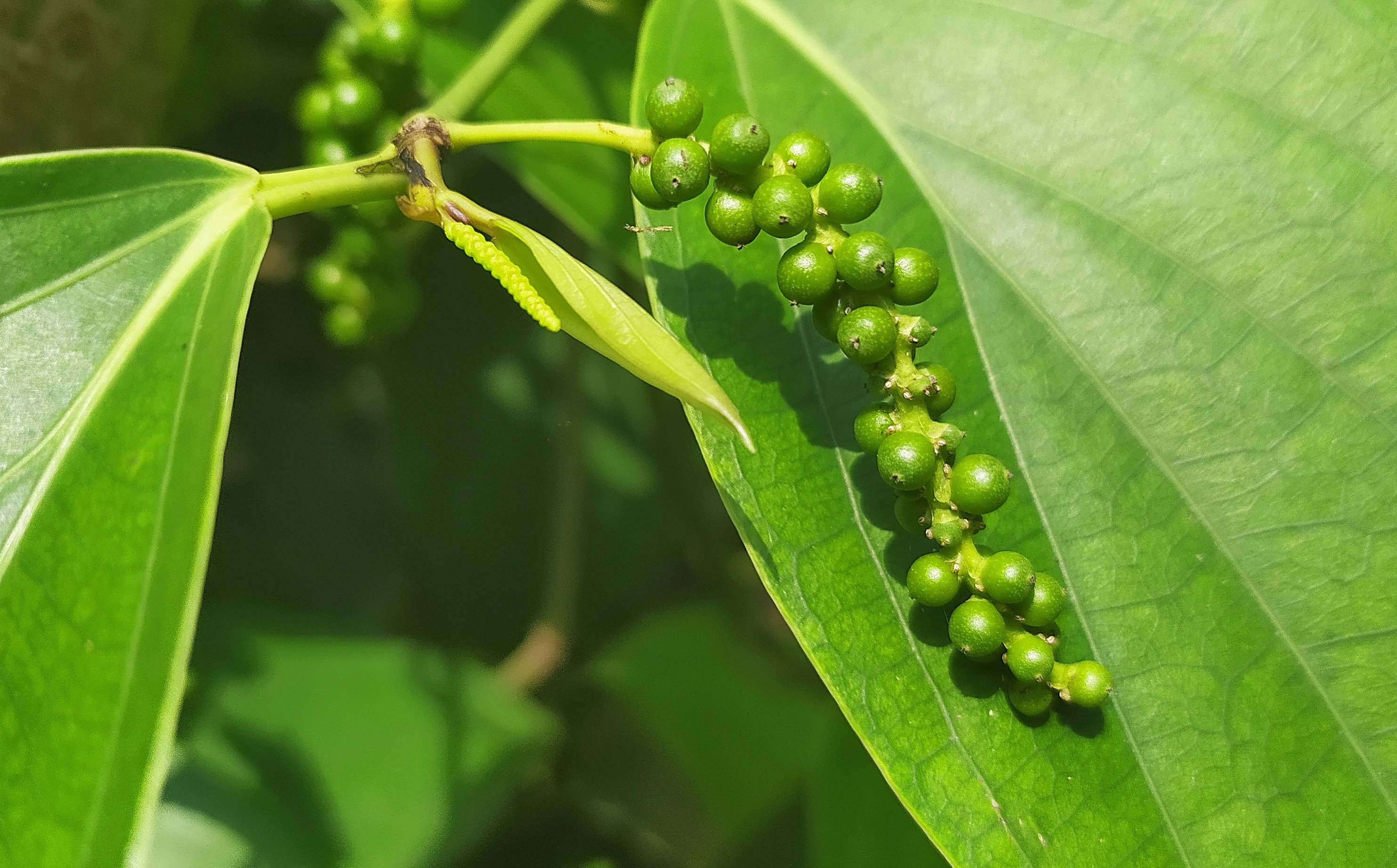
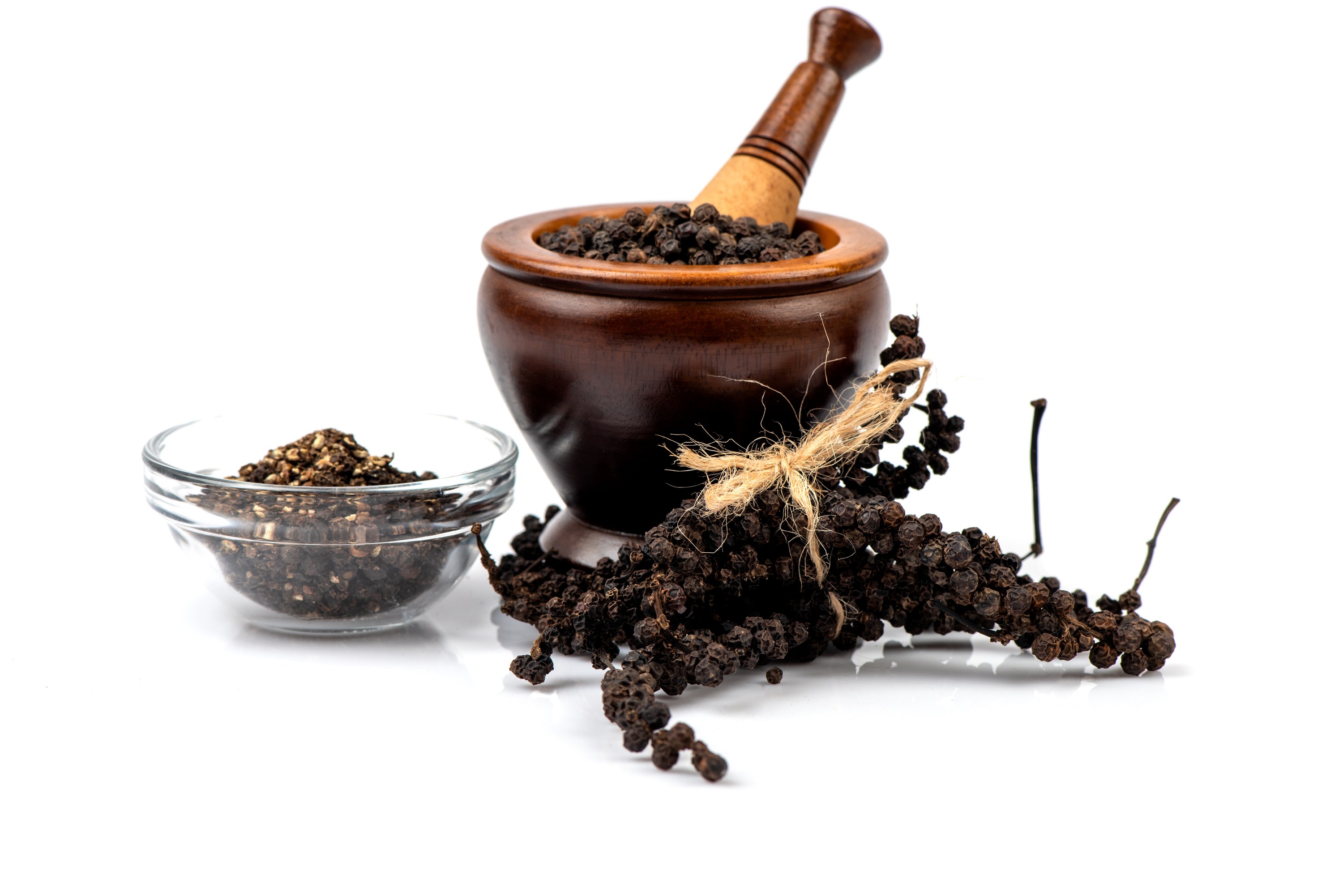
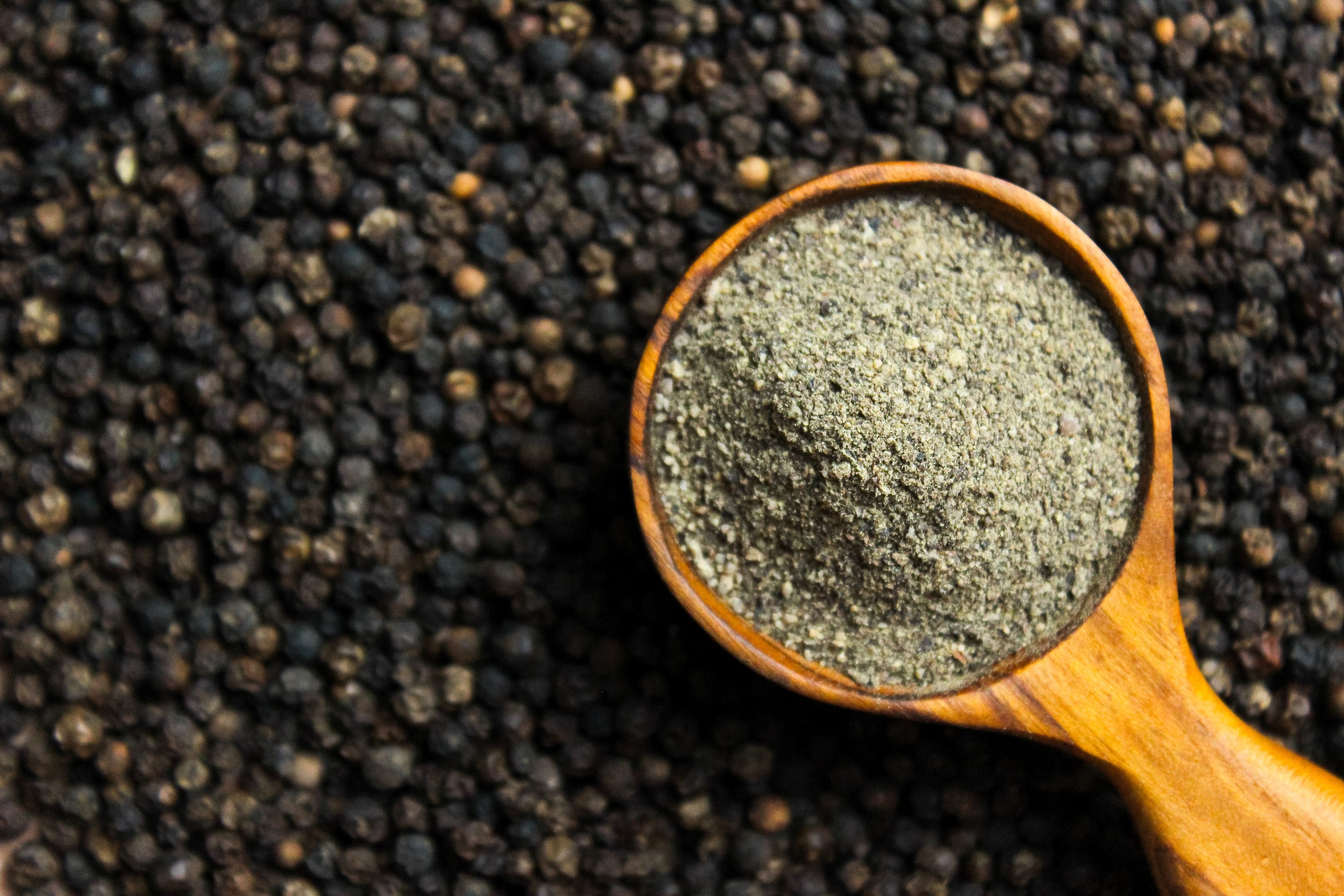
Black pepper (Piper nigrum) is a fruit grown on a flowering vine, dried and used as a spice. The spiciness is due to the essential oils in the compound piperine. It can be processed to produce black, white and green, (but not pink) peppercorns.
In Ayurvedic medicine, that system of natural healing uses black pepper to aid digestion.
In 1979, it was discovered that piperine, the alkaloid in pepper considered to be its most active ingredient, has the ability to enhance the bioavailability of other active agents found in drugs and herbs. This resulted in a new class of drugs called bioenhancers. Piperine is still considered one of the most effective bioenhancers known.
And oh yes! it is the piperine which can trigger a sneeze!
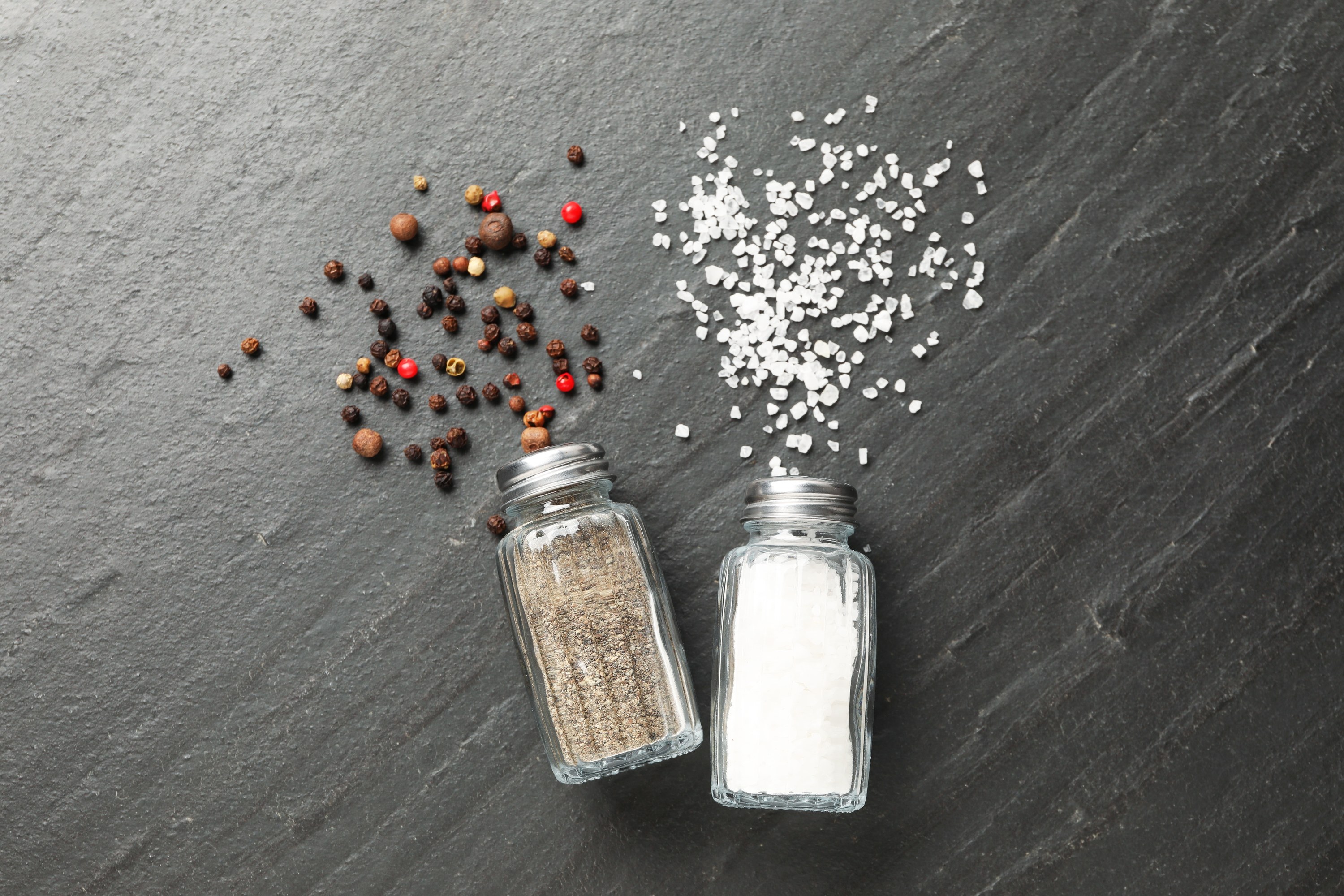
Not only do we take black pepper for granted, we so often consider it a part of a duo : salt and pepper, peaches and cream, wine and cheese. We know that salt enhances natural flavors but pepper adds aroma, mild heat and depth to foods and makes foods interesting. It is delicious.
How did pepper find its way to our dinner tables?
Listen to Jonathan Green, host of Every Bite podcast, who explored the history of pepper and our love of this now integral feature of modern cuisine.
He interviewed Sebastian Prange - historian at the University of British Columbia, and author of Monsoon Islam : Trade and Faith on the Medieval Malabar Coast. Sebastian tells us that until the 15th century, pepper was almost exclusively found on Malabar coast in South India known today as Kerala. He also told us that in the mummy of Rameses the Great in Egypt was found to have a peppercorn in each nostril. As he died more than 3000 years ago there must have been some trade at that time from South India. His book details the colonization period and the opening of trade routes especially the trading of that valuable commodity pepper.

Jonathan also interviewed Dr. Anna Sulan Masing a writer and academic based in London, who tells us that prior to the colonial period, pepper was the known spicy enhancer of food. This was before chili was brought to Europe from the Americas by the Portuguese, thereby opening much more opportunity for other spicy food enhancers.
Anna grew up in Sarawak - a state of Malaysia in Borneo, where her family grew the Piper Nigrum (black pepper) and she was intrigued to discover high end restaurants in London describing their “sarawak pepper” as a prized ingredient. She already knew that pepper was prized but now her home pepper was featured.
She tells us that pepper was already highly desired in England by the 1100s, when the Guild of Pepperers was formed in London. (This guild went on to become the Company of Grocers, still in existence today.)
As the unknown “East” became known and ownable in the 12th to 15th centuries, there was plenty of opportunity for conflict, greed and violence, with pepper being the backbone of the Indian Ocean spice trade. Today, as the sourcing of ingredients from conflict-free zones with sustainable farming is more valued, Anna, with chef Chloe-Rose Crabtree founded SOURCED, a public research project focusing on ingredients of foods and culinary supply chains.
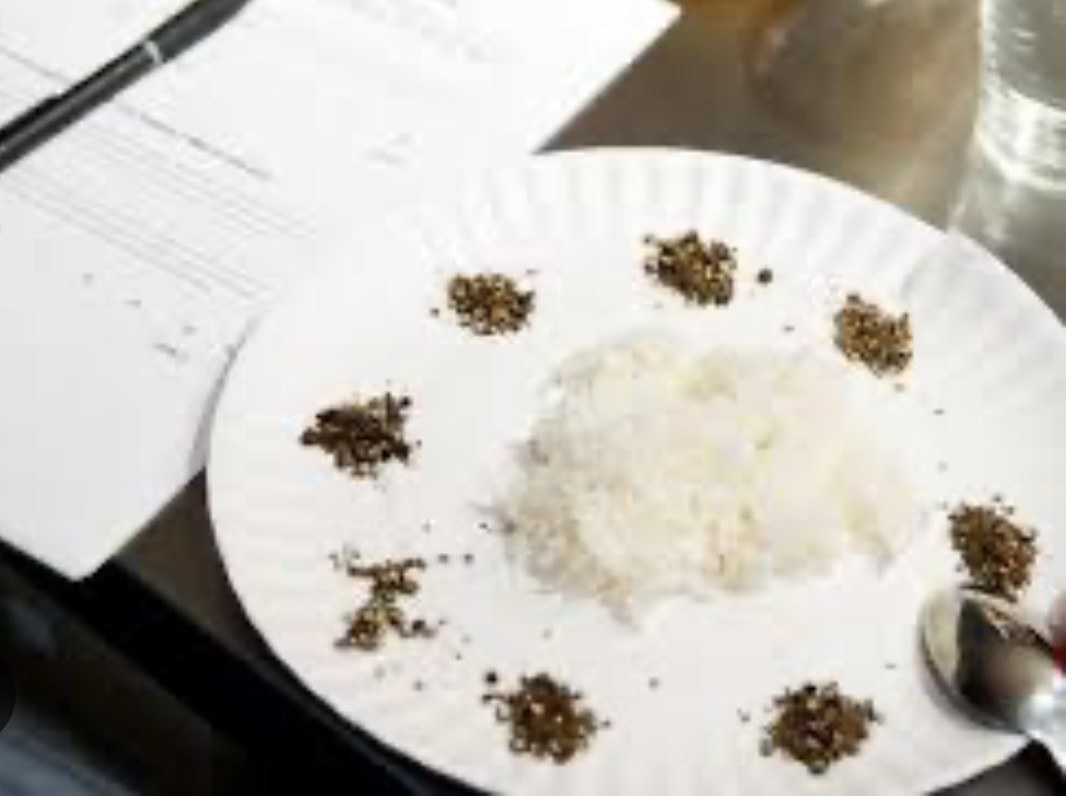
How to taste-test pepper
Whether you choose varieties of pepper from Indonesia, Ecuador, India, Brazil, Vietnam or most desirable Sarawak peppers from Borneo in Malaysia, descriptions are from citrusy, peppery, intense aroma, sweet, balanced or complex - all words used to describe wines. Suffice it to say among pepper aficionados there is a wide range of desirable attributes. Tasters recommend testing with small amounts with room-temperature rice.
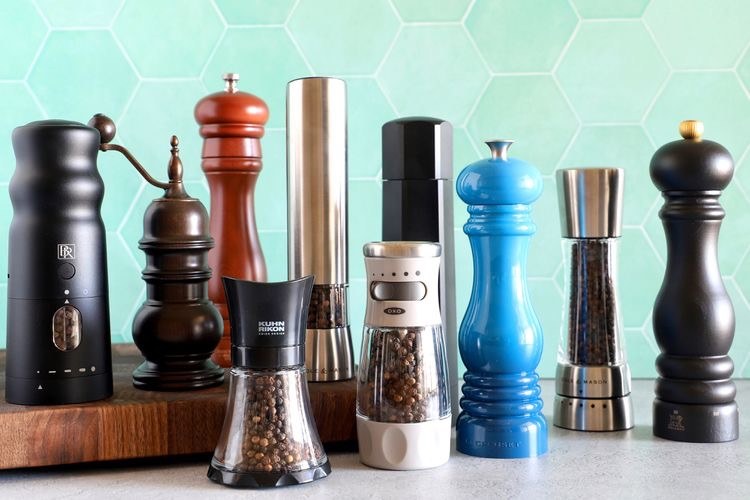
The Pepper Grinder
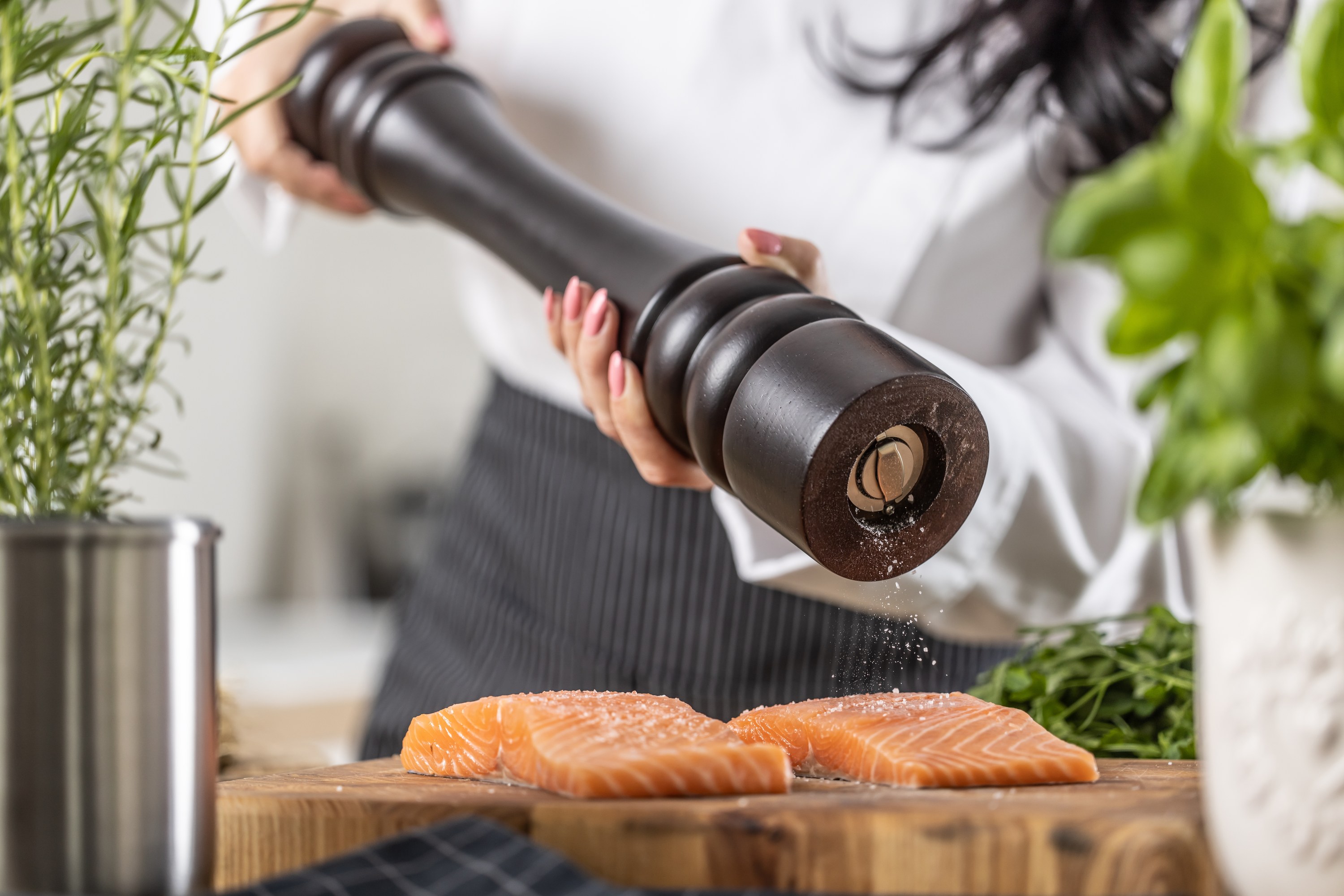
The bland, pre-ground pepper in the spice aisle is a far cry from the freshly ground version that had bygone nobility abuzz. The powdery stuff is fine at a diner, but one can do better. Since the flavor and fragrance of pepper are fleeting, grinding it fresh is the only way to capture and relish its true piquancy. Enter the pepper mill. A good one will instantly enhance the flavor of food by releasing intensely aromatic oils from the peppercorns as it grinds. Just look at the many varieties of mills.
The “Steak au Poivre”
The classic French Bistro dish has many interpretations, but the famous “steak au poivre” everyone refers to as "Paul Bear" or "Pullbear" in Paris is actually served at Bistrot Paul Bert, a classic French bistro in the 11th arrondissement in the Bastille district on rue Paul Bert - hence its name.
It's a heart-warming bistro with old-school chalkboards featuring the menu, simple décor and updated classic French food. Paul Bert is owned by Bertrand Auboyneau.
The Dish : Filet de bœuf au poivre de Sarawak (tenderloin with Sarawak black peppercorn cream sauce) served with homemade french fries (frites maison).
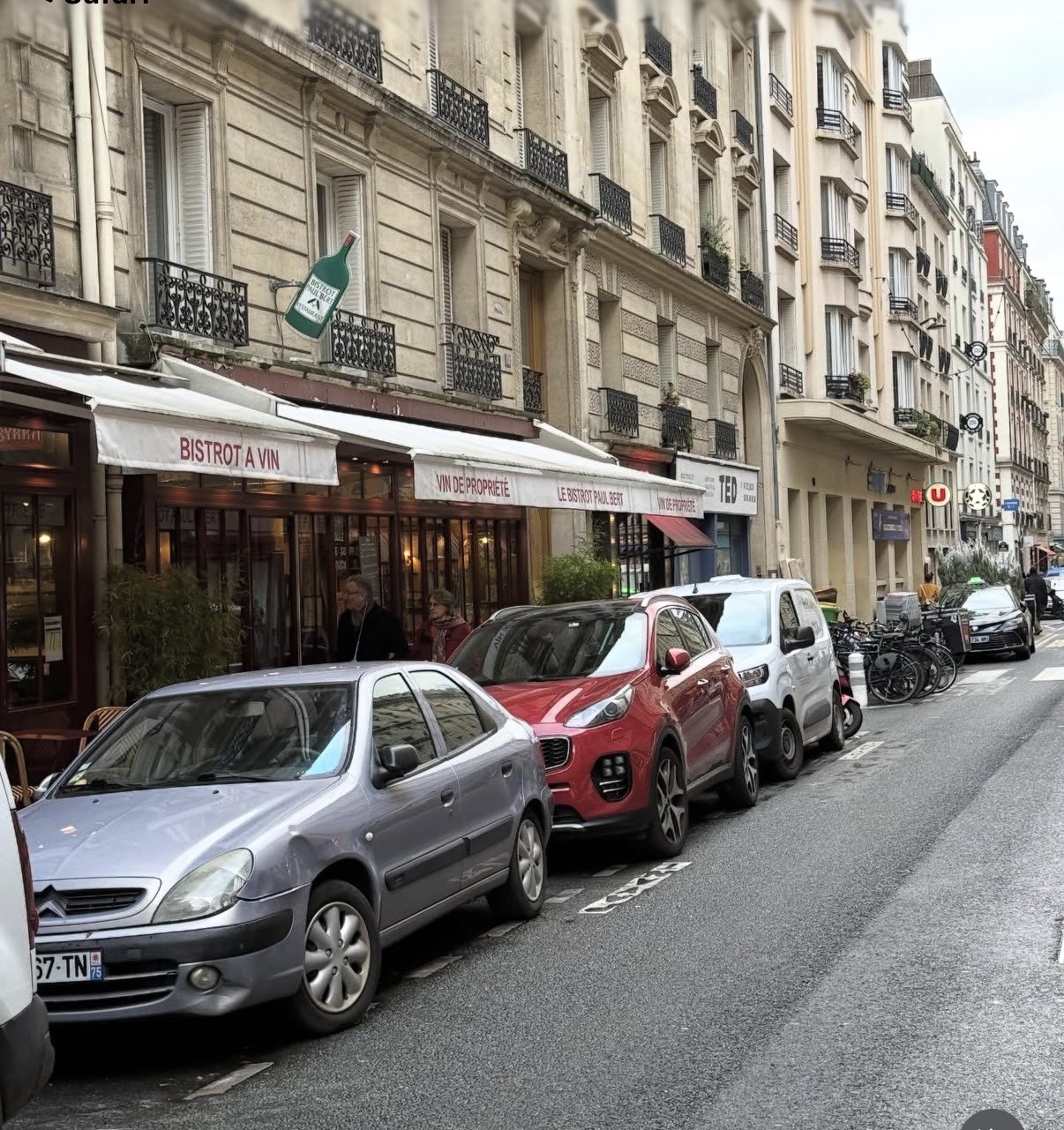
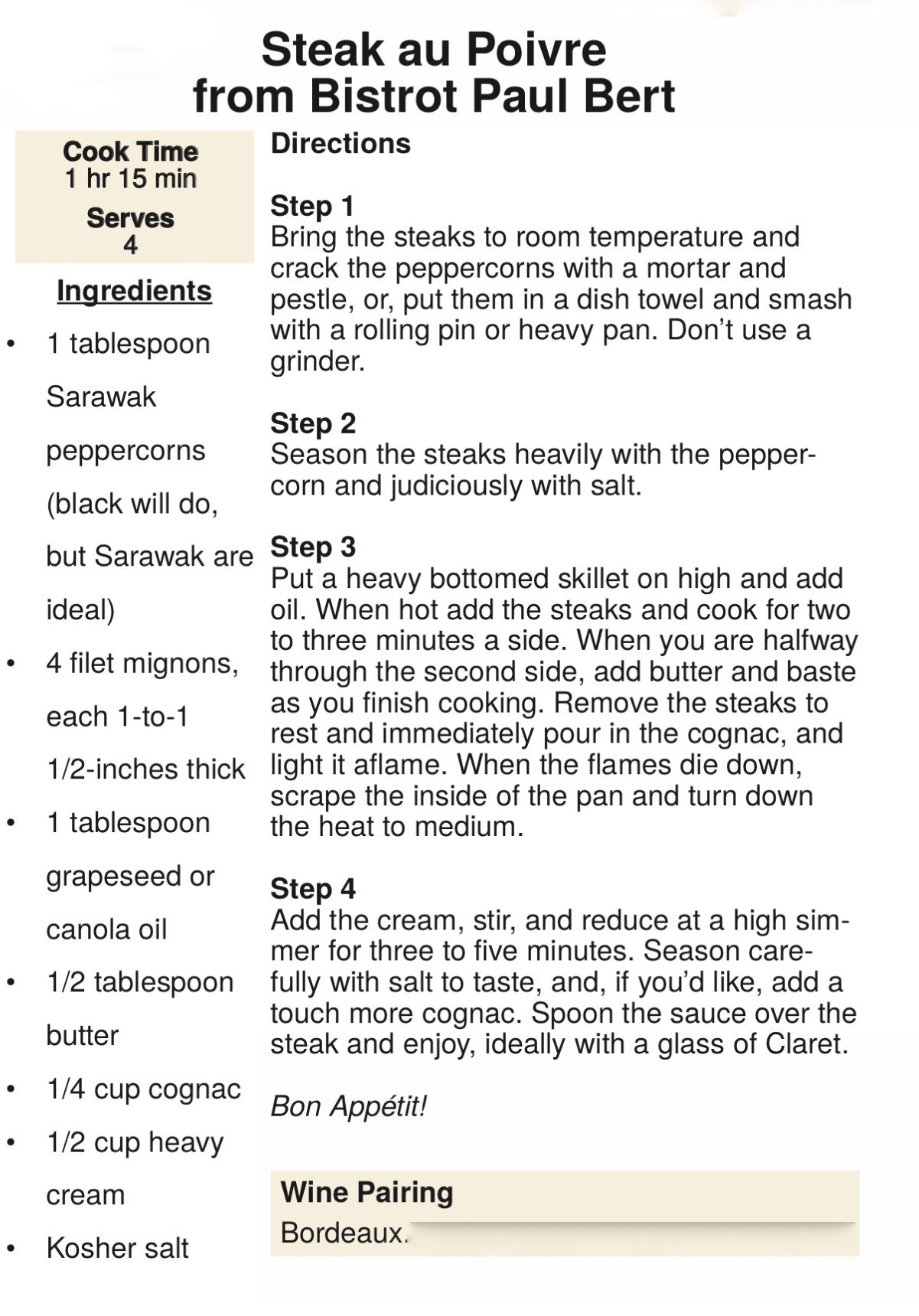
Couldn't you pop over to Paris to Le Bistrot Paul Bert for some steak au poivre?
18 Rue Paul Bert 75011 Paris.
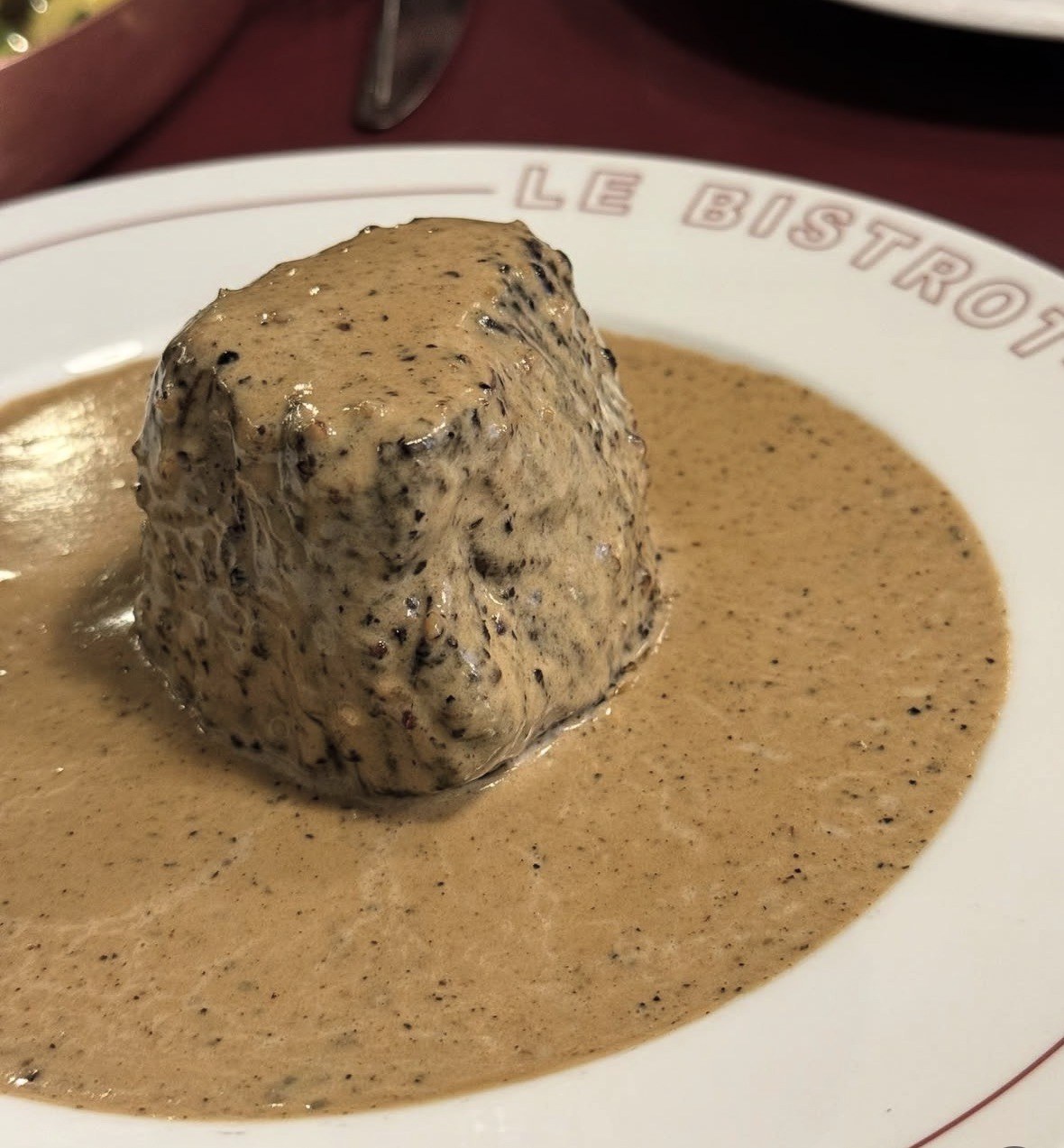
A sober footnote.
Whilst most diners at the restaurant order Steak au Poivre, approximately 50% of patrons order, photograph and do not eat.
Note
Some images reprinted under license from Shutterstock.
 ← Previous: Dance For Life: Galas Galore