Memories of tranquil Forest Park, larger than Central Park by some 500 acres and recovering from the 2025 tornado with much community support, the raked Japanese waves and British boxwood at the Missouri Botanical Garden, the Saint Louis Zoo, beloved since childhood, and the temptation to try restaurants which proved innovative and extraordinary made the visit a must.
Museums which feature the history of the 1904 St. Louis World’s Fair, works by Anselm Kiefer and Ellsworth Kelly created for their locations—each like the Zoo open to all at no cost—filled us with admiration for the city’s generosity. St. Louis has more free public museums and attractions than any other city in the country except for Washington, DC.
There was so much to see and history to share. We decided we had to divide the visit into two parts. Next week, the Missouri Botanical Garden, restaurants we love and three fine museums.
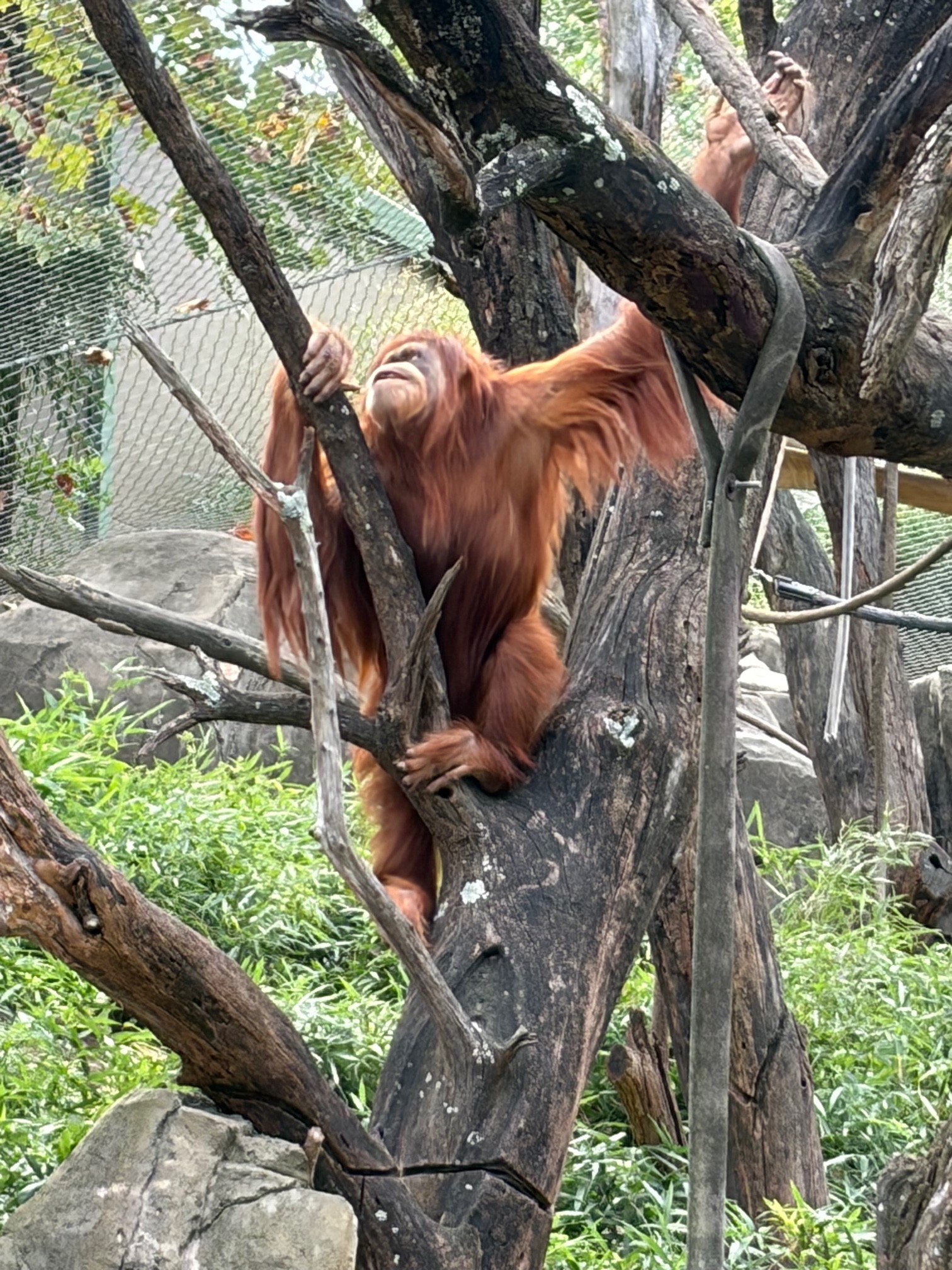
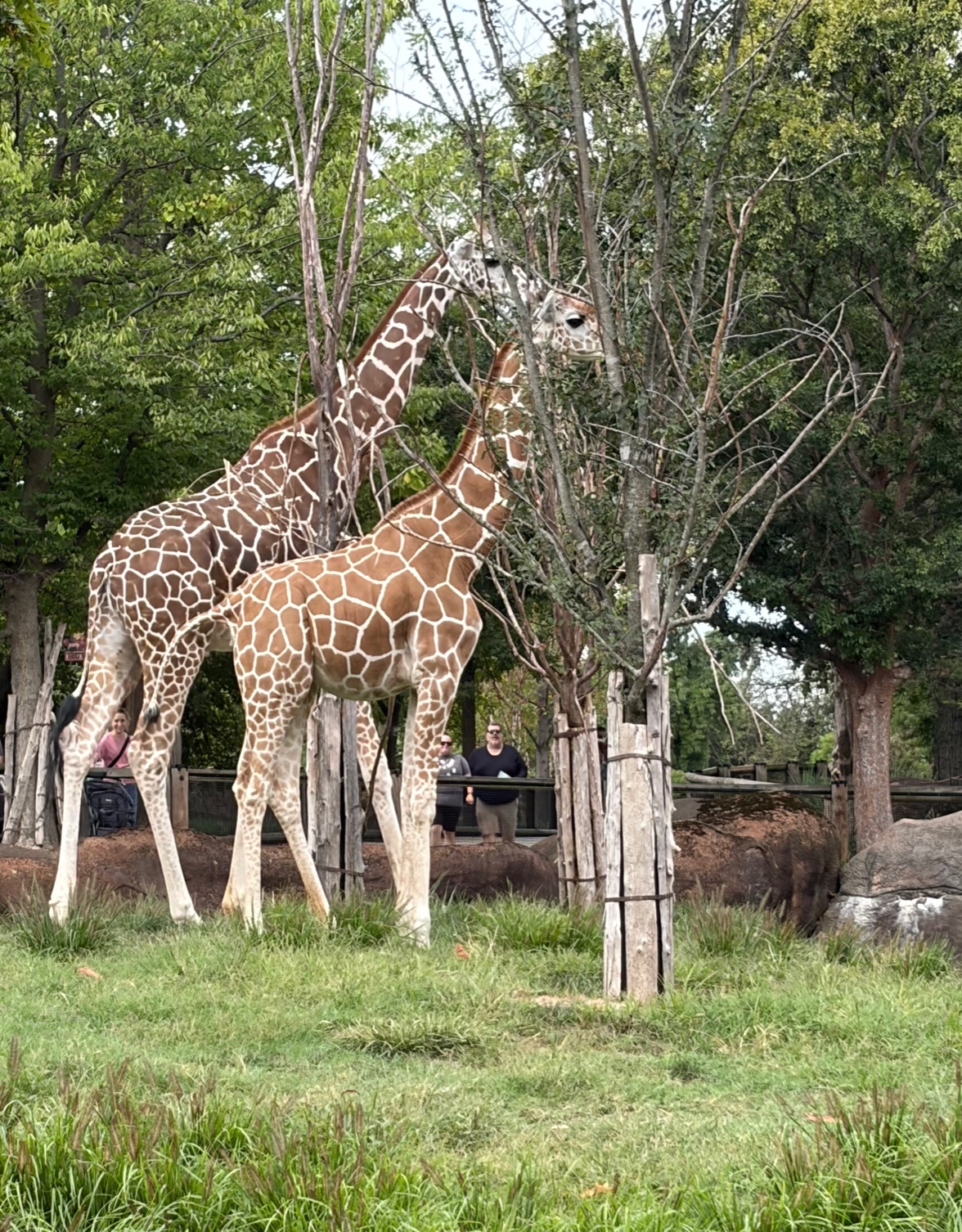
A visit to the Saint Louis Zoo began a long, lovely fall weekend. The Zoo is admission free to visitors and supported by taxpayers. Next year, it is set to open a new 425-acre safari park and conservation center to be known as Saint Louis Zoo Wildcare Park.
Feeling the excitement of the preschoolers and their parents, we couldn’t get over the variety of species, including lots of lemurs, but disagreed with one little one who said “gross” when he saw the cloud rats from Luzon in the Philippines.

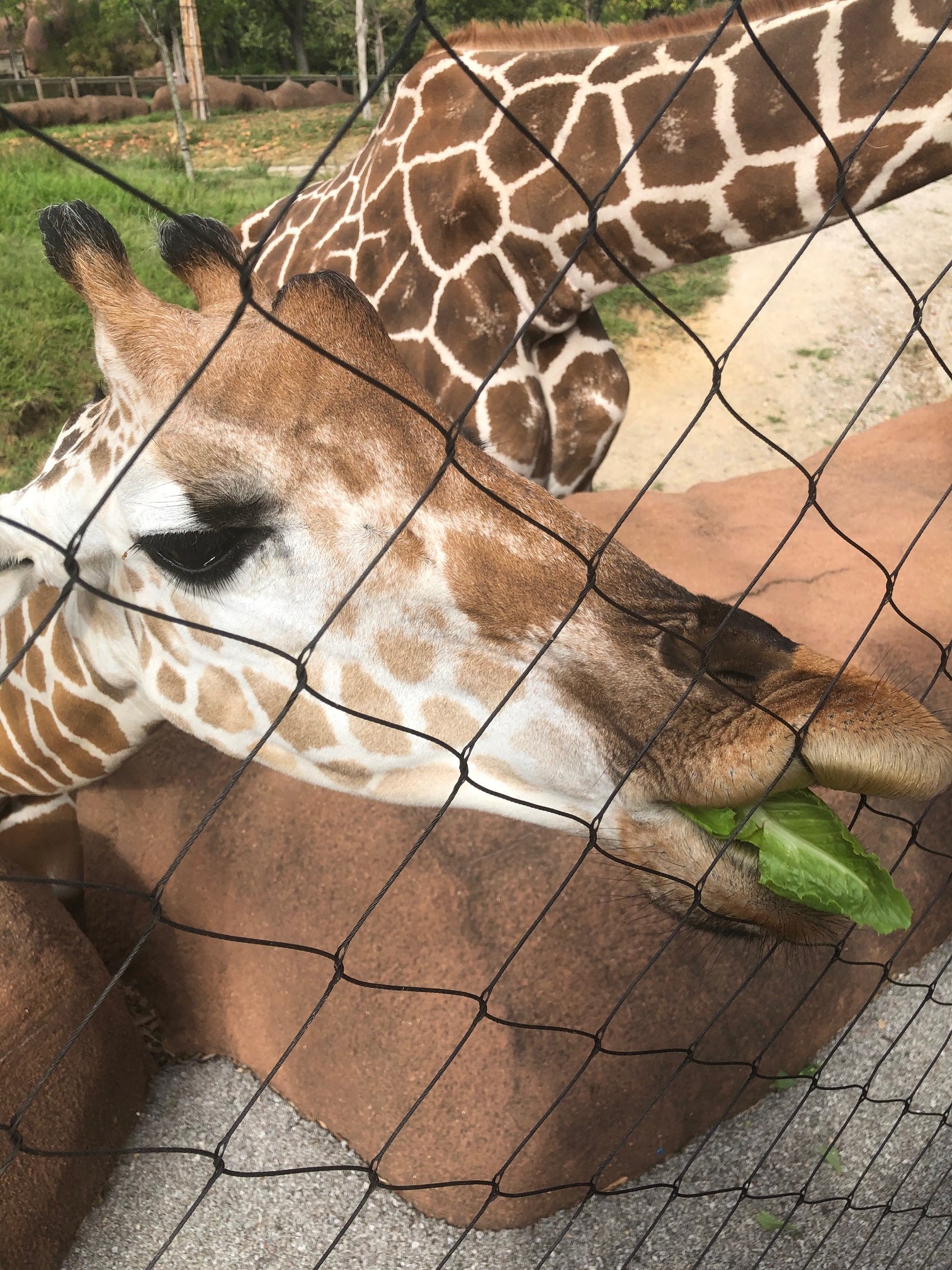
“We think of the Zoo not as an ark but a lifeboat, where our animals are ambassadors to their cousins in the wild,” tour guide Sarah Riffle told us as she showed us how to feed tree branches and lettuce to reticulated giraffes Honey and Gomer who easily drew them in with their feet and 18-inch-long tongues.
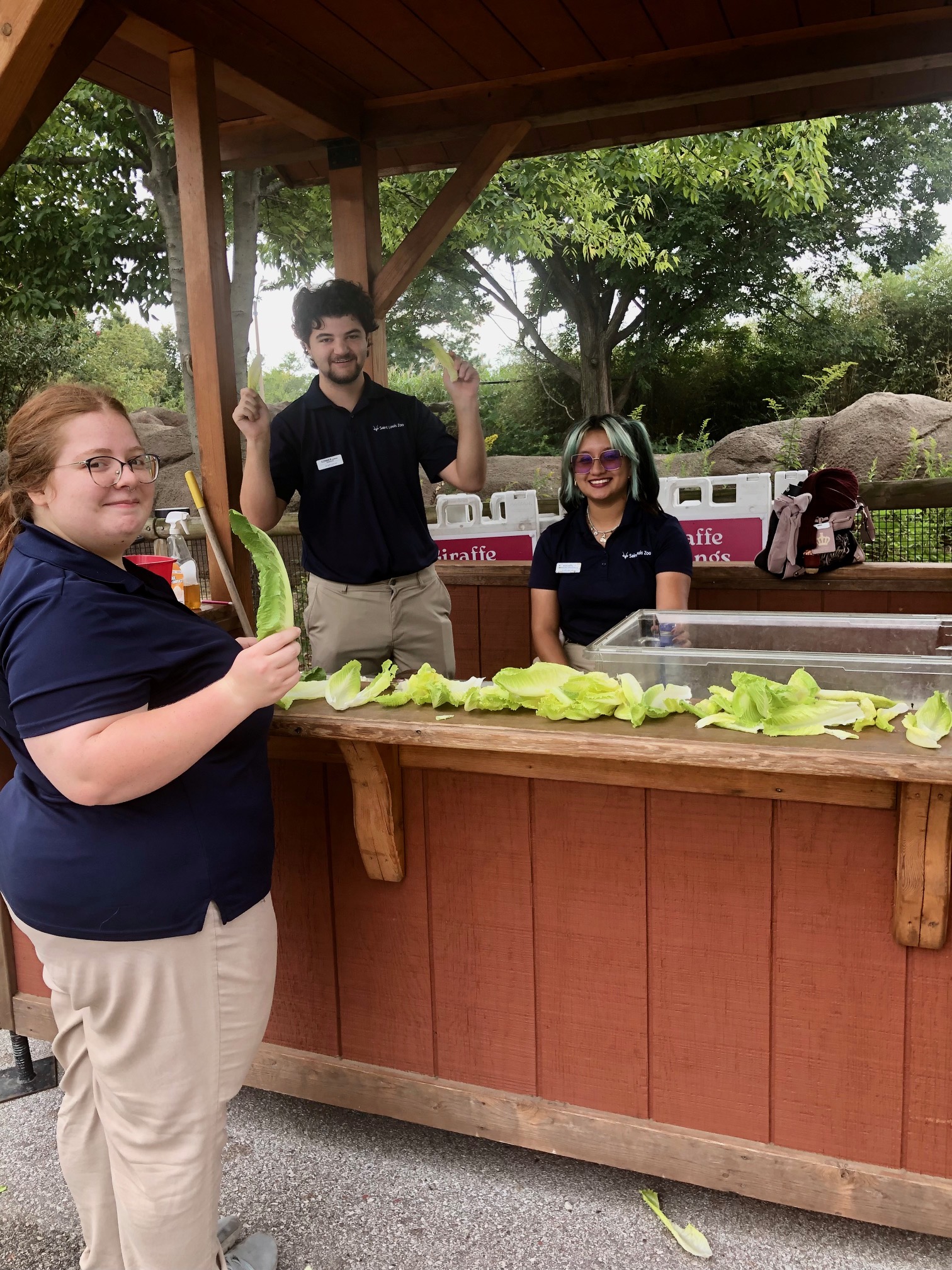
Saint Louis Zoo Chief Philanthropy Officer Amy Dove, a most empathic animal advocate and communicator, told us about the Zoo’s mission: “It is all about conservation, about giving animals a chance, but also about saving ourselves,” she said. “It is all interconnected.”
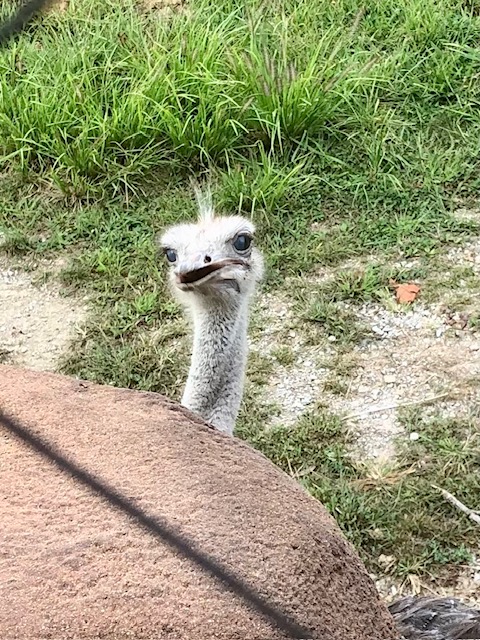
The cloud rats are among the animals housed in one of the three remaining Mediterranean-style buildings designed after Washington, DC’s Pan American Union building at the Zoo’s campus in Forest Park. The Zoo grew out of the World’s Fair of 1904, with major expansion in the 1920s.
“George Vierheller served as Director from 1922 until 1962 and had as his mantra to make it the greatest zoo park in the world. He was quite a showman and made sure that the Zoo was seen in newsreels at the movies and produced animal shows some may remember. Marlin Perkins, also host of Mutual of Omaha’s Wild Kingdom and previously Director of the Lincoln Park Zoo, was our director after Vierheller until 1970,” Jeff Huntington told us.
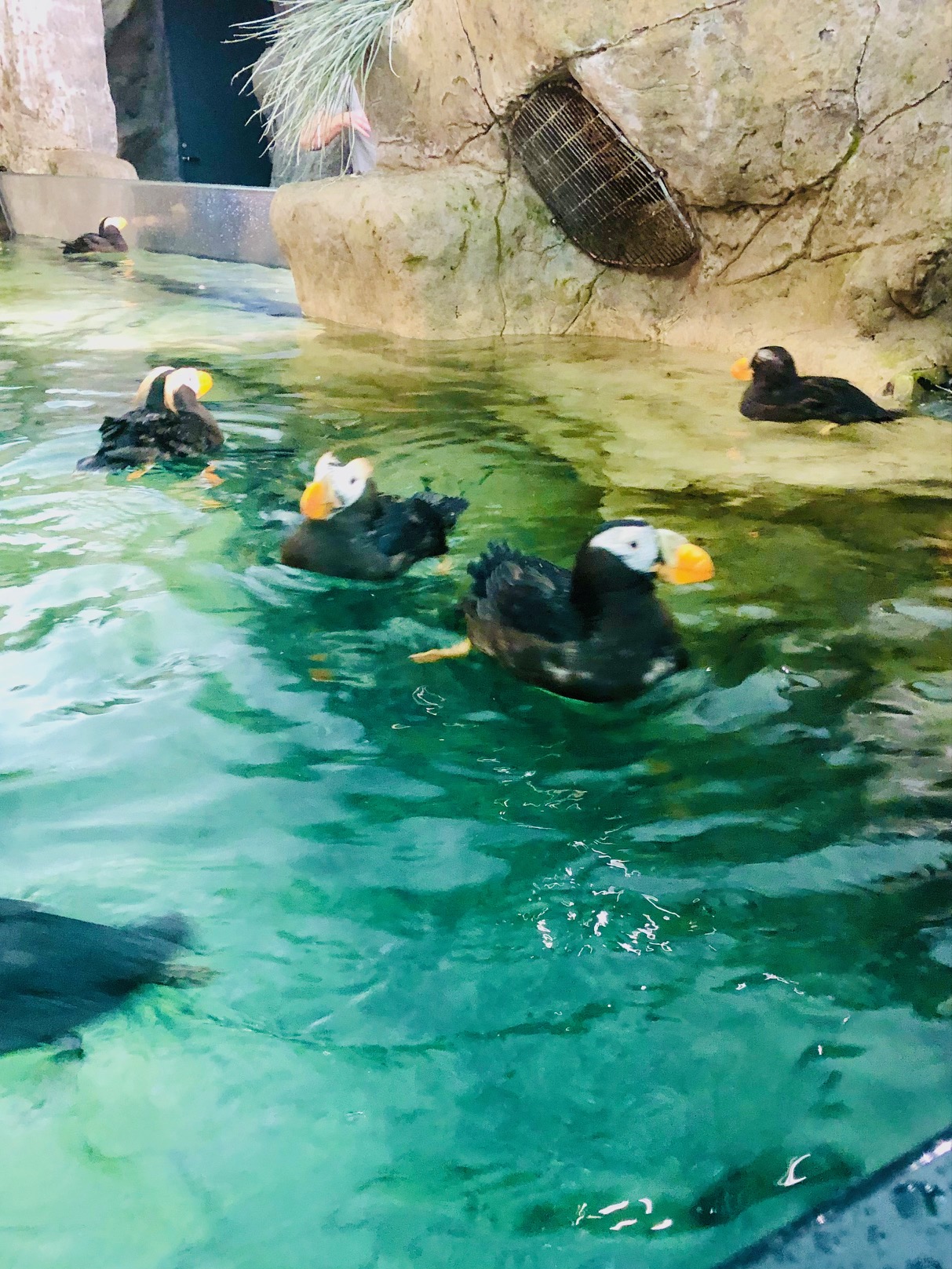
The Saint Louis Zoo is funded through a combination of taxes, philanthropy and earned income from events, shops and food sales. The new Wildcare Park, located where the Mississippi River joins the Missouri, is projected to create an economic impact of more than $660 million for the St. Louis region over a 10-year period.
It will offer two different guided safari vehicle adventures along with nature trails, glamping, a conservation center and much more. WildCare Park is also home to more than 60 acres of conservation pastures devoted to breeding endangered animals. Very few animals come to the Zoo today from the wild. Most are moved from one accredited zoo to another based on conservation breeding recommendations.
Across Forest Park which celebrates its 150th anniversary this year and gracefully displays walking trails, public golf trails, ponds and gardens and historic mansions along Lindell Boulevard, we visited the Missouri History Museum. Evidence of the tornado that tore through the park last year, ripping out old trees and damaging the Victorian homes, is still in evidence.
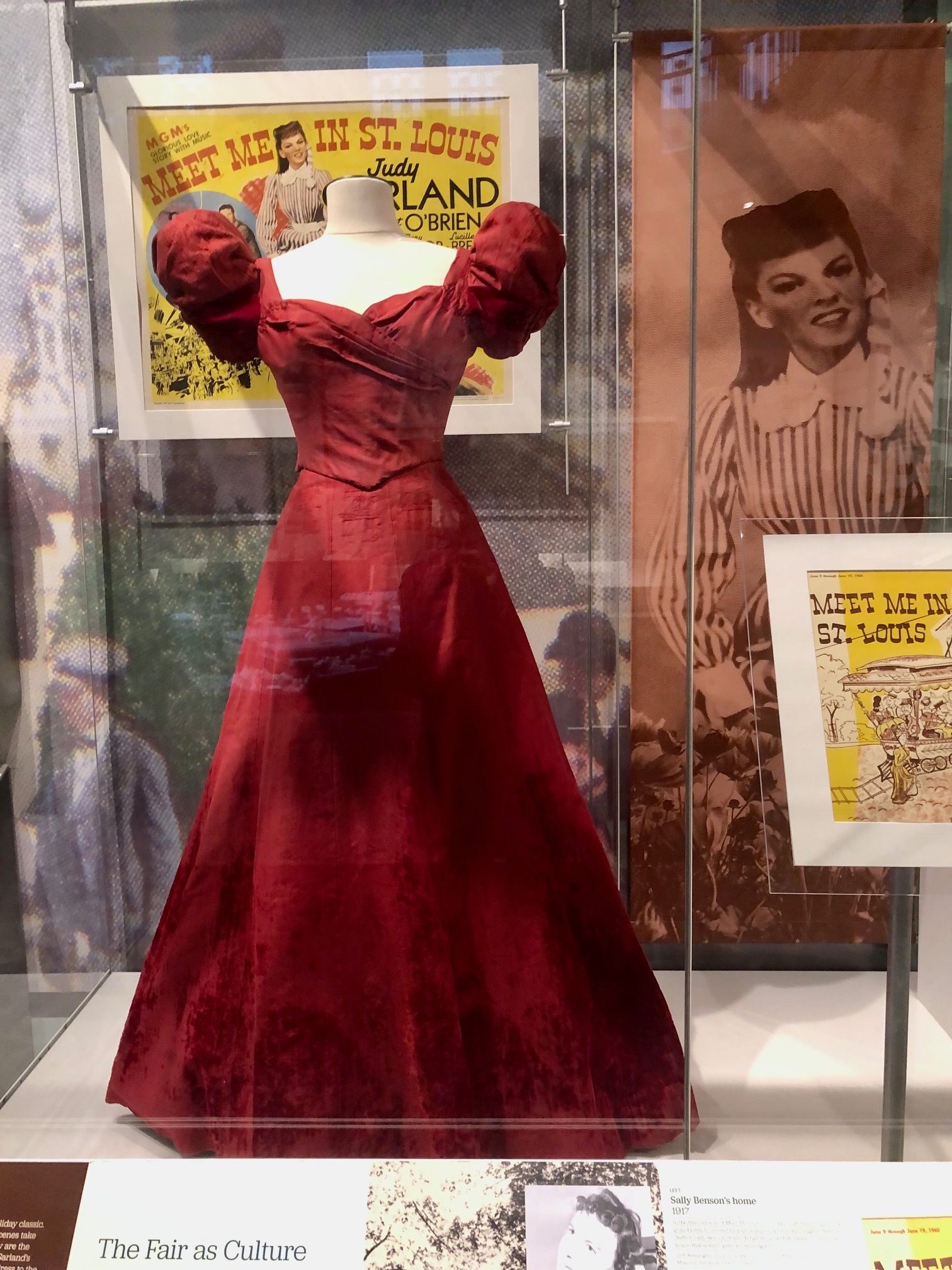
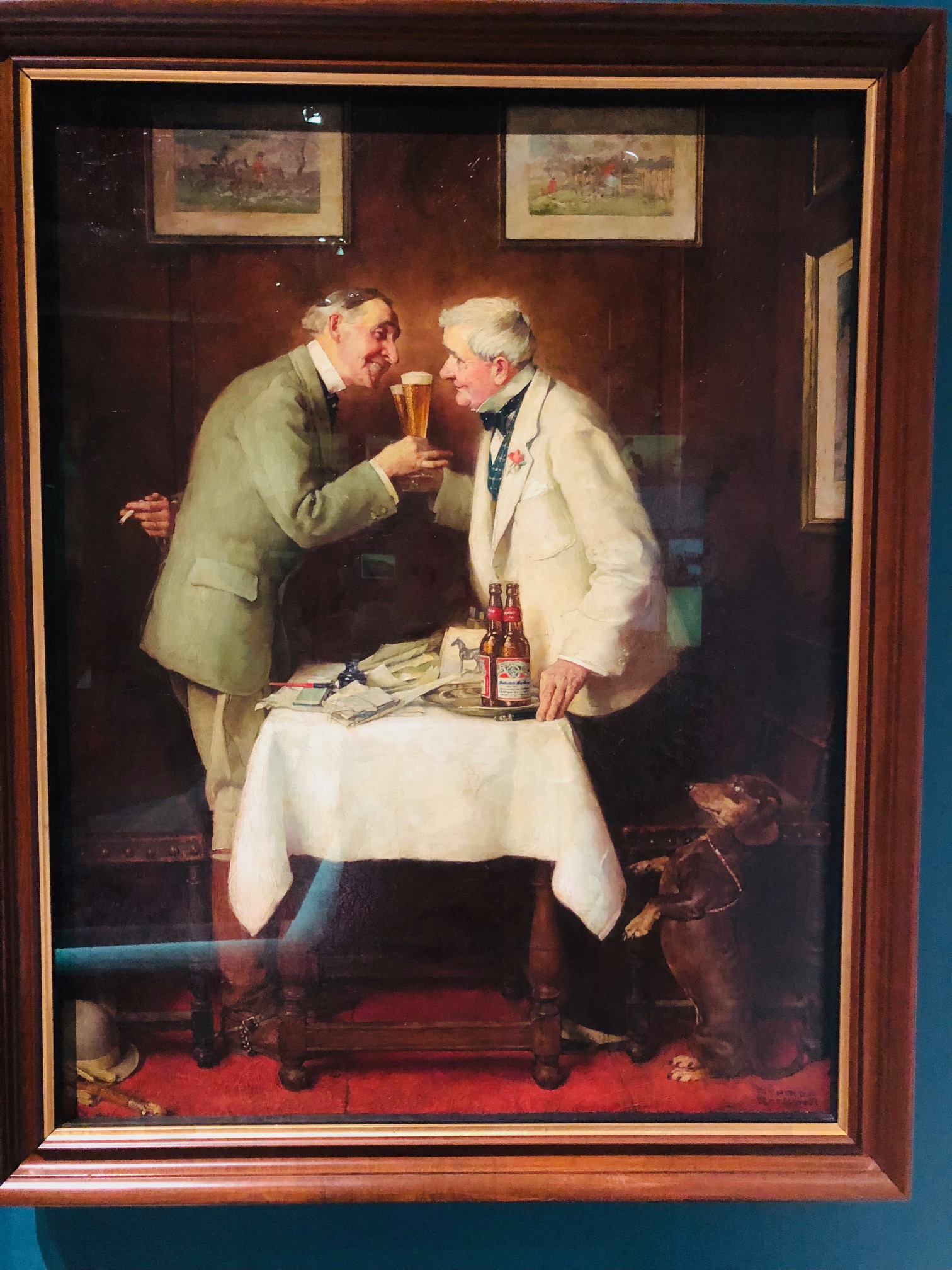
At the Missouri History Museum we quickly learned that not only did St. Louis give us Josephine Baker, Charles Lindbergh, T. S. Eliot, Scott Joplin, Chuck Berry, Pulitzers and Busches, and so many more as well as ice cream cones, Budweiser, Seven Up, Tums and Build-a-Bear. In the exhibition in the St. Louis World’s Fair of 1904—also known as the Louisiana Purchase Exhibition—we learned similarities with the Chicago World’s Fair, including that each opened one year late than first anticipated.
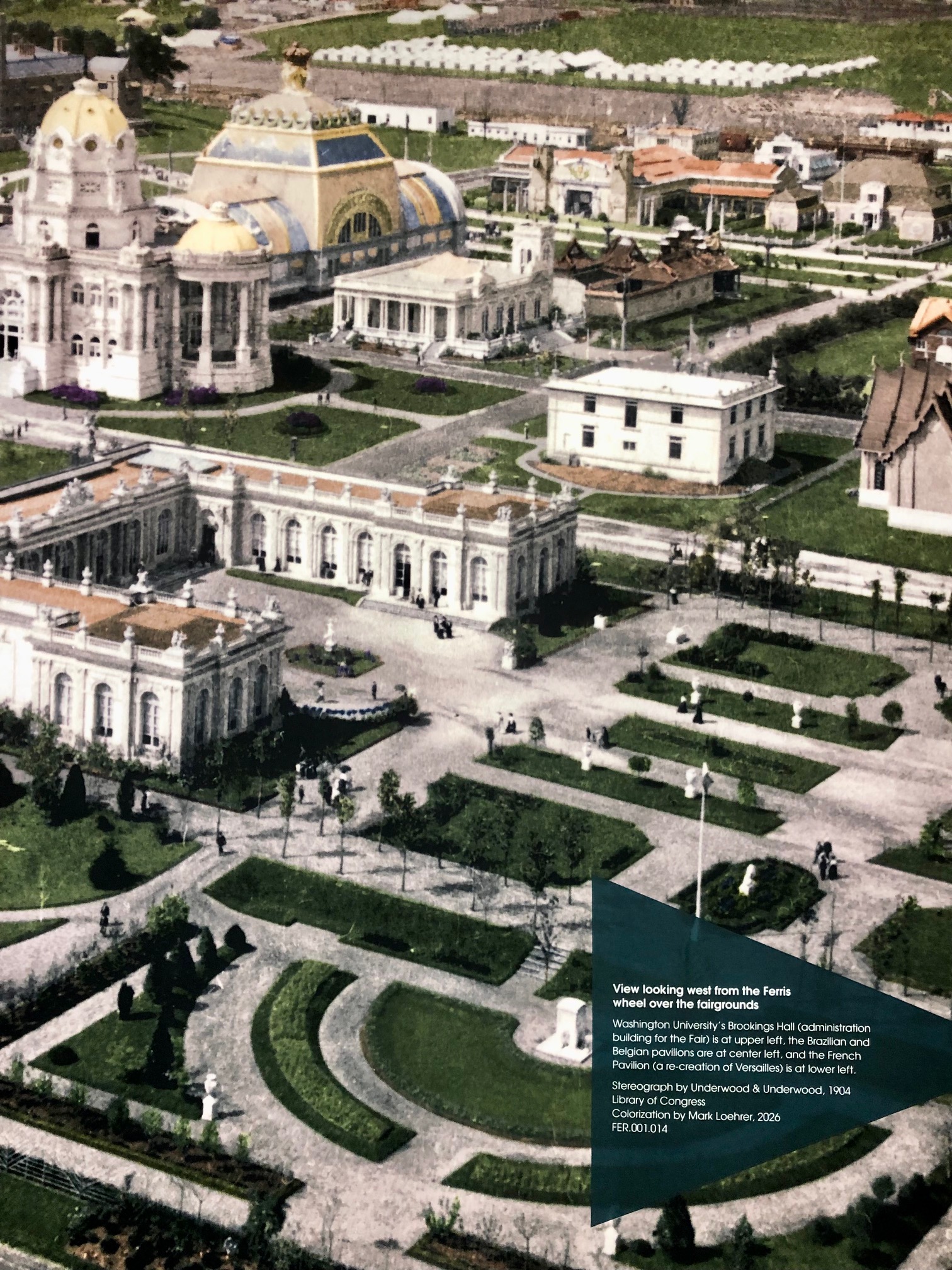
“I remember that I wanted to build a wheel, a monster,” George Washington Gale Ferris, born in Galesburg, Illinois, said in 1939.
In “A Marvel in Motion”, an exhibition within the World’s Fair exhibition, you arrive in a room the size of a school bus which is the exact size of a Ferris Wheel car that held 60 people. First appearing at the World’s Columbian Exposition in Chicago in 1893, then moved to Lincoln Park for 10 years, it was taken down, sent to St. Louis in 175 train cars, and re-assembled with rides costing 50 cents apiece. Not only a ride but a spectacle itself, it featured car number 21 called the marriage car. While Chicago did not allow weddings aboard, 50 couples were married on the Ferris Wheel in St. Louis including one who exchanged vows on horseback. Ferris often quoted Daniel Burnham who wanted something “novel, original, daring and unique” for the 1893 to rival the building of the Eiffel Tower in Paris in 1889.
Like Chicago, the buildings which appeared to be made of white marble were constructed of staff, an impermanent mixture of plaster of Paris and hemp over a framework of wire and wood, and only one of the grand 1l Palaces, the St. Louis Museum of Fine Arts, remains. The exhibition tells us that the great wheel in Dubai is 556 feet taller than the World Fair Ferris Wheels, the London Eye Wheel on the River Thames is 179 feet taller, but the lack the wonder of Ferris monster of a wheel.
In honor of the 100th anniversary of the St. Louis Cardinals’ first World Series, the museum will showcase how baseball shaped St. Louis.
Opening this weekend and running through September 7, 2027, it will feature not only artifacts but stories of the sport’s triumphs.
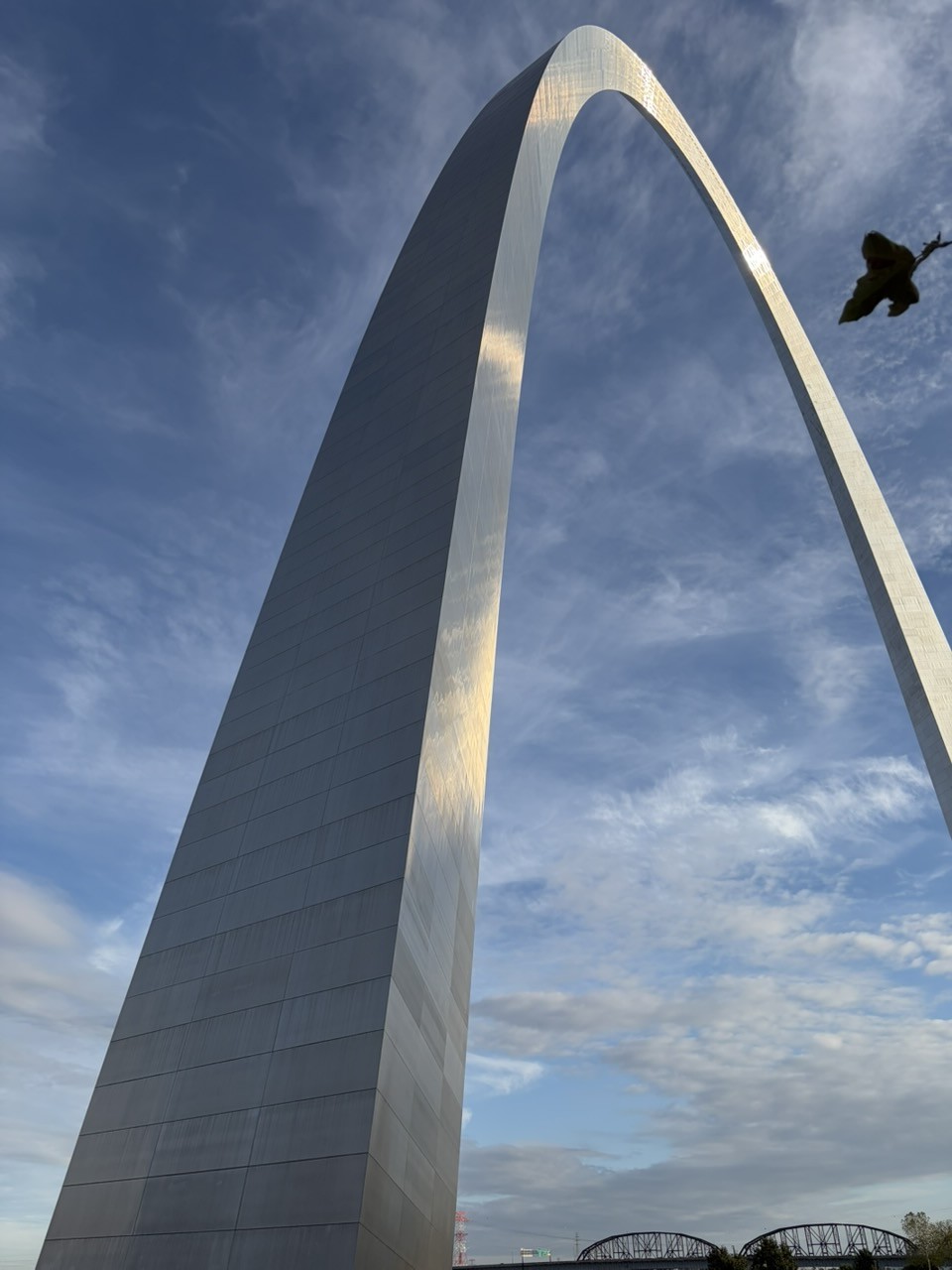
No visit to St. Louis is complete without a walk along the Mississippi to the Gateway Arch, built in 1965 and soaring at 630 feet tall to commemorate westward expansion. What would George Ferris have said?
Next week: Three terrific restaurants saluting St. Louis chefs, the Botanic Garden and three fine museums.
For more information on the St. Louis Zoo, visit: stlzoo.org.
For more information about the Missouri History Museum visit: mohistory.org.
 ← Previous: About the Town in October