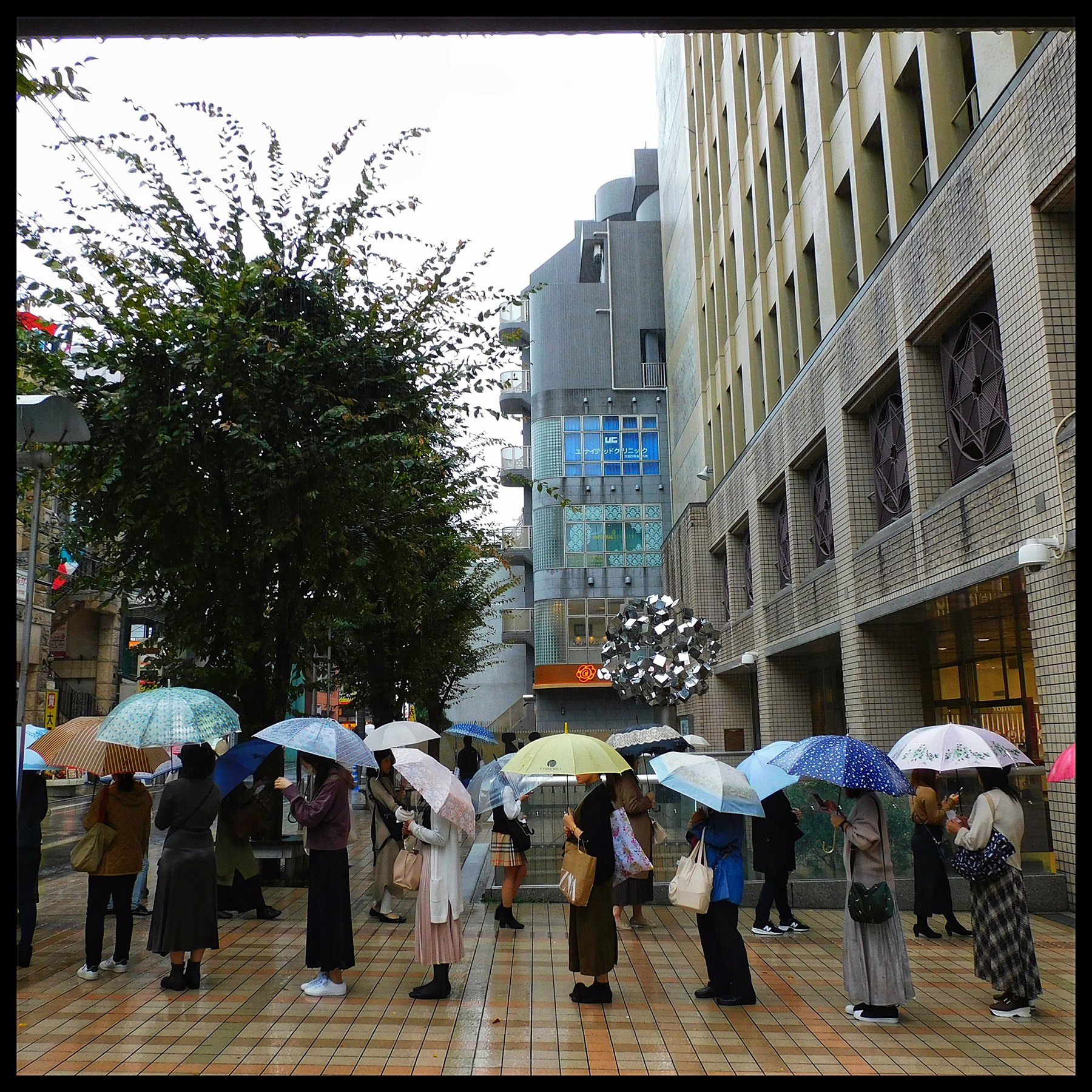
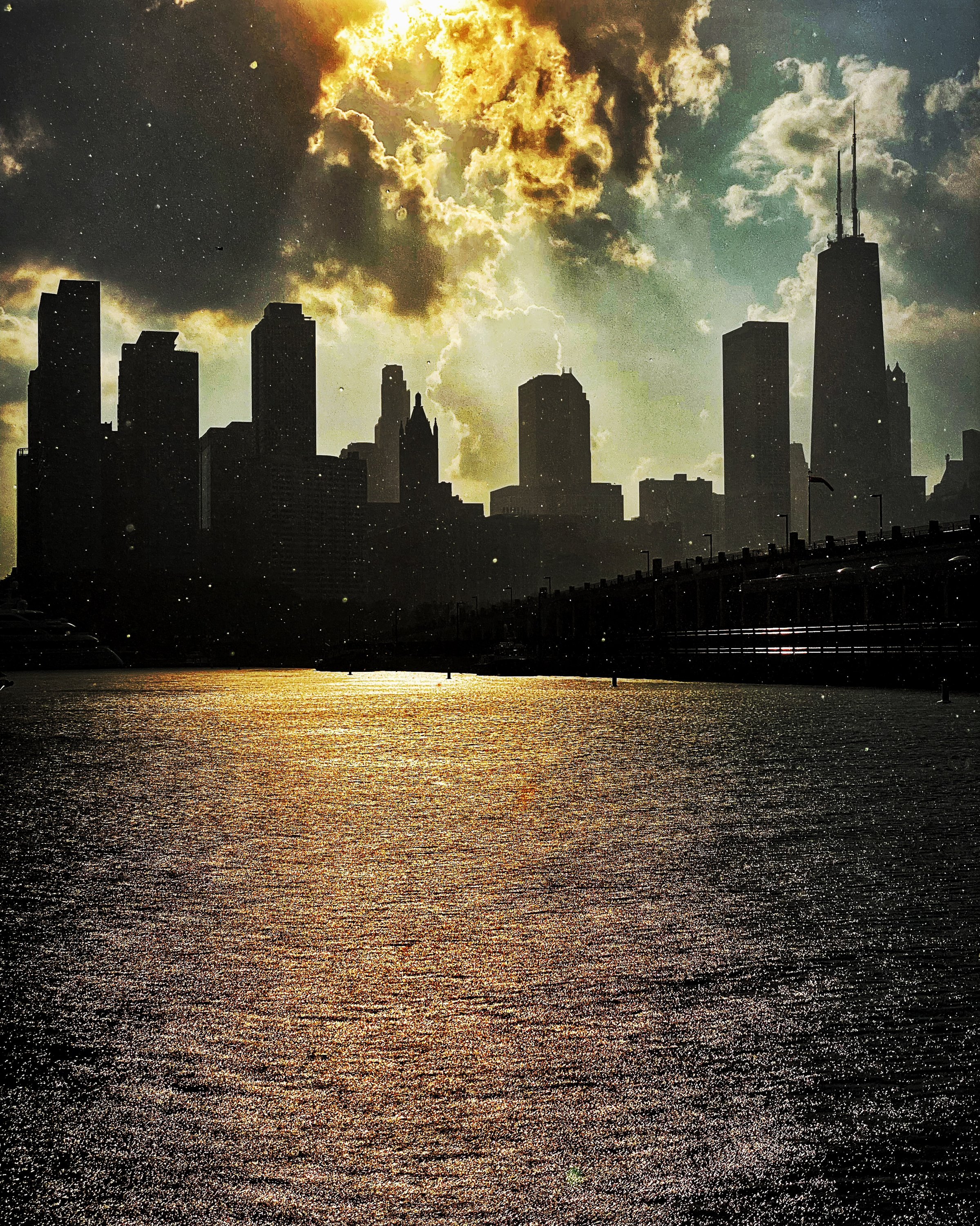
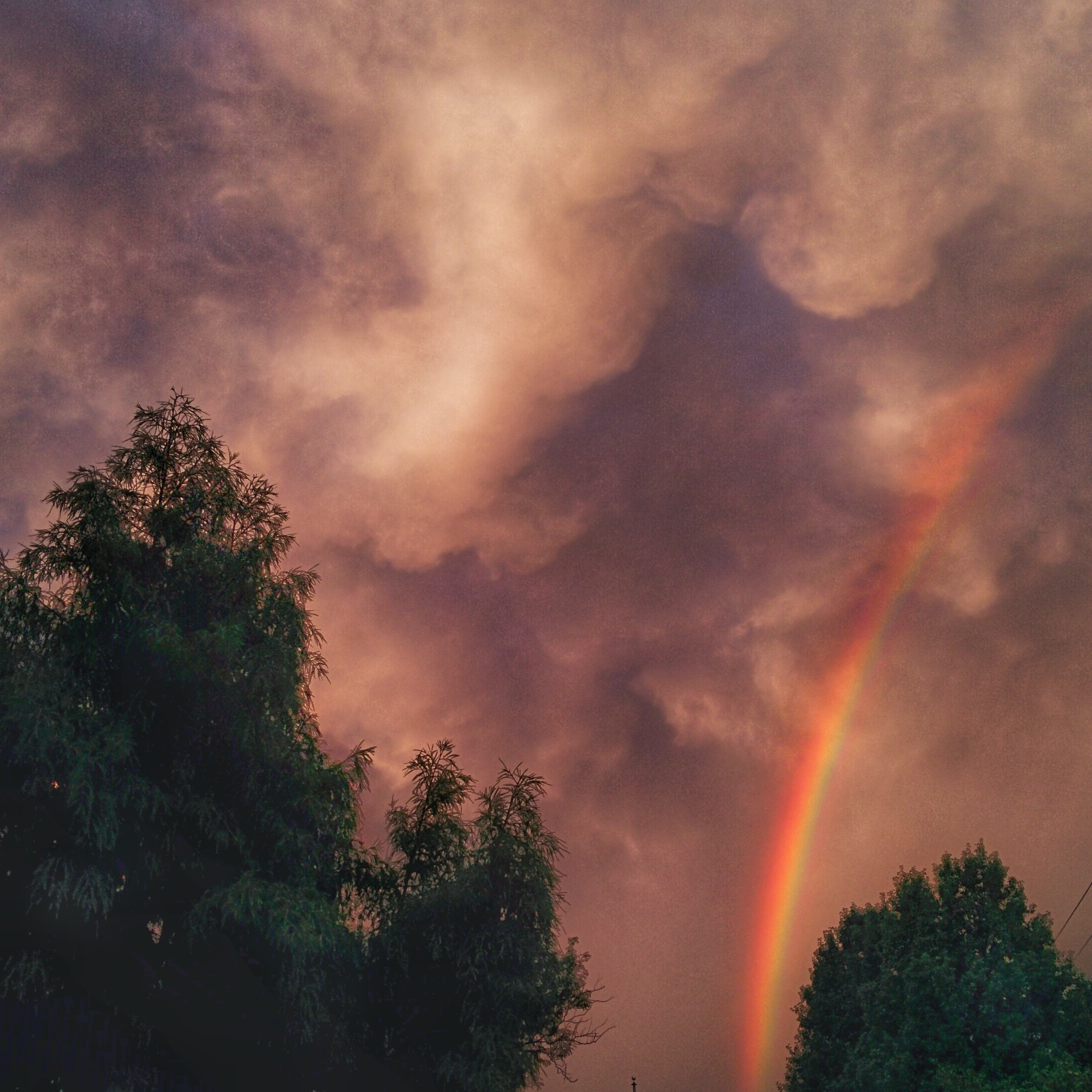
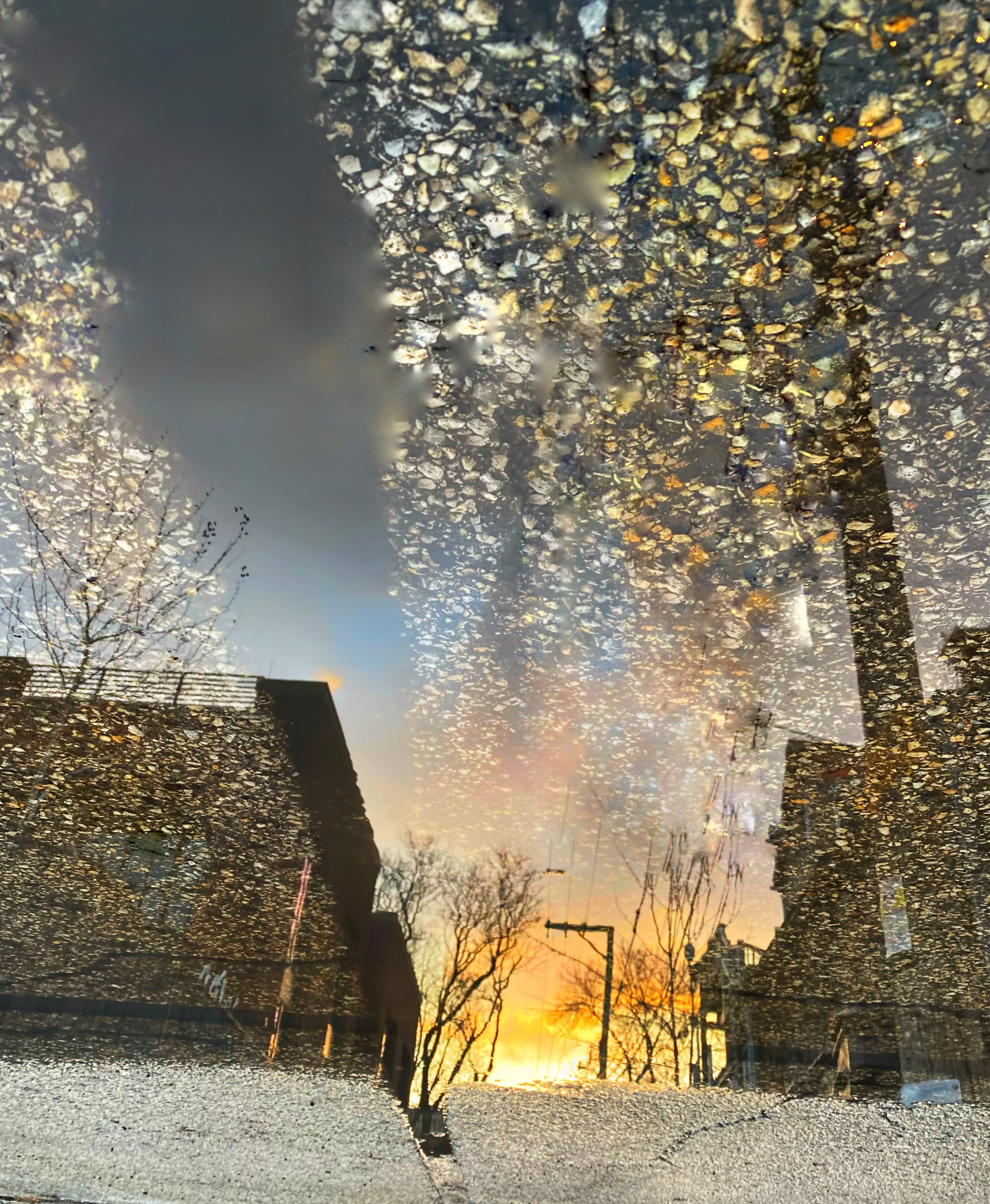
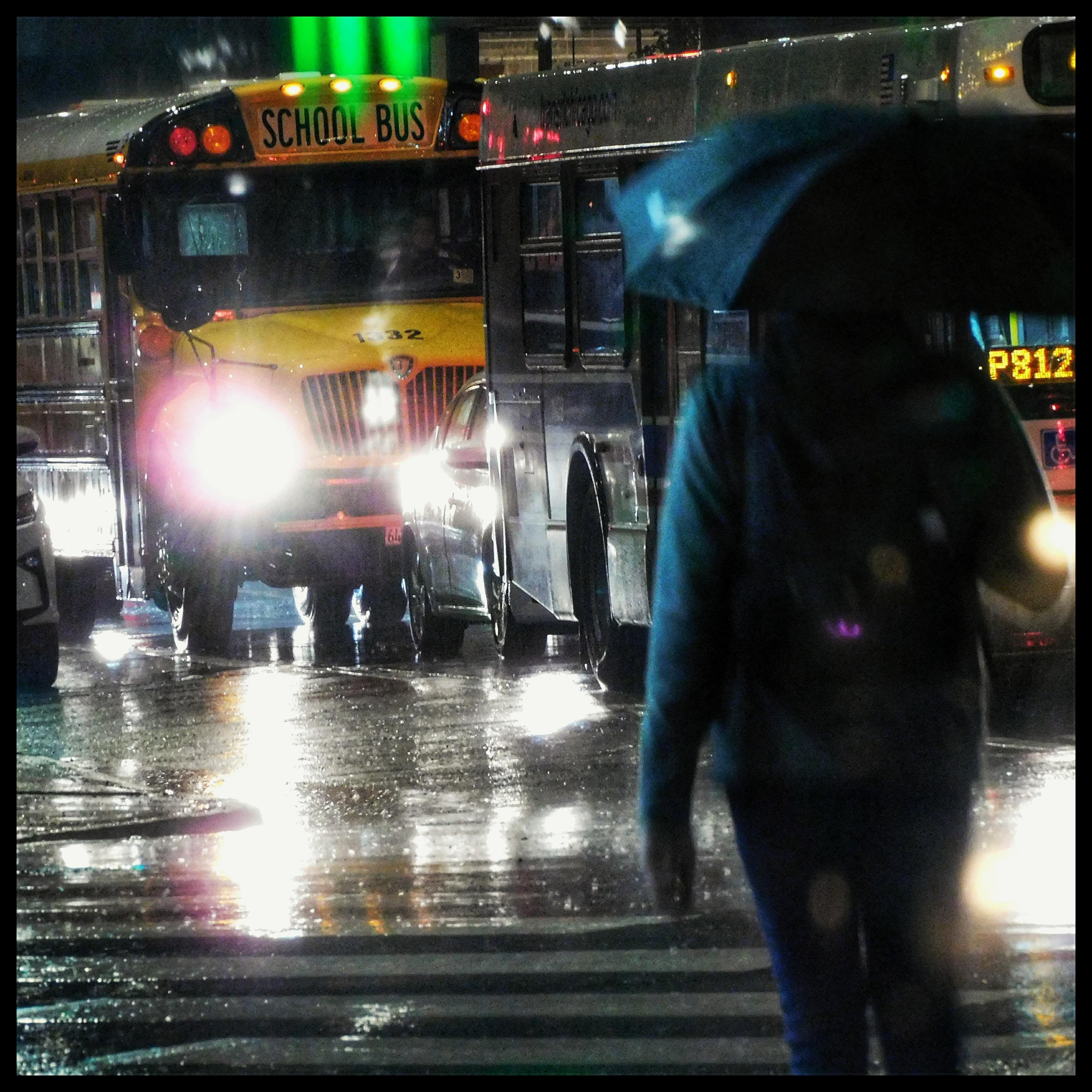
There is a distinct, moody feeling that settles over the world when the skies open up and the rain begins to fall. While many pack away their cameras at the first sign of a storm, rainy days can strip away the harsh, glaring sunlight of clear afternoons, replacing it with a soft, even and diffused illumination. Puddles transform into natural mirrors that capture surreal reflections of neon street signs, overhead architecture, and passing umbrellas. This atmospheric shift turns ordinary, everyday street corners into cinematic canvases brimming with rich textures, deep colors, and an undeniable sense of isolation.
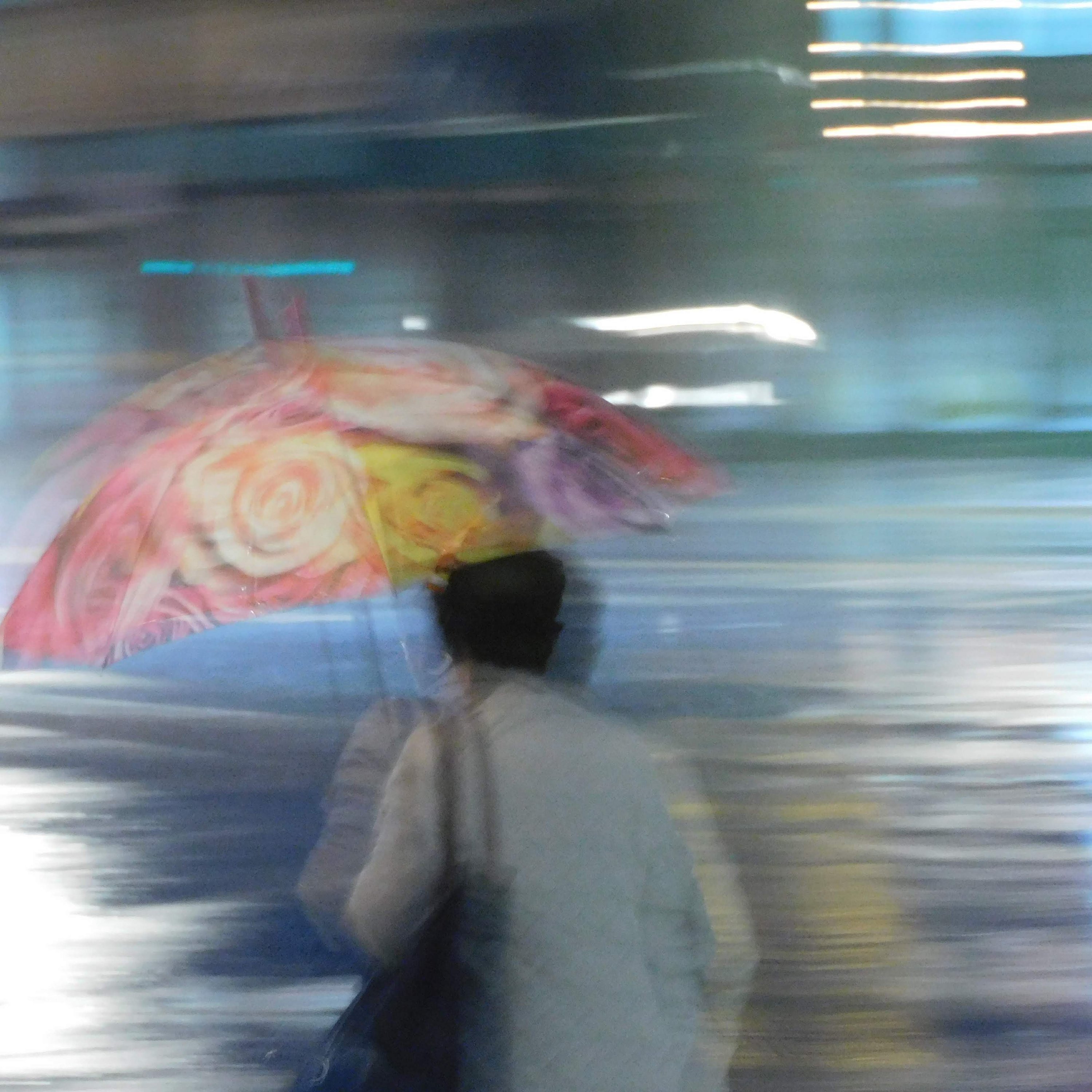
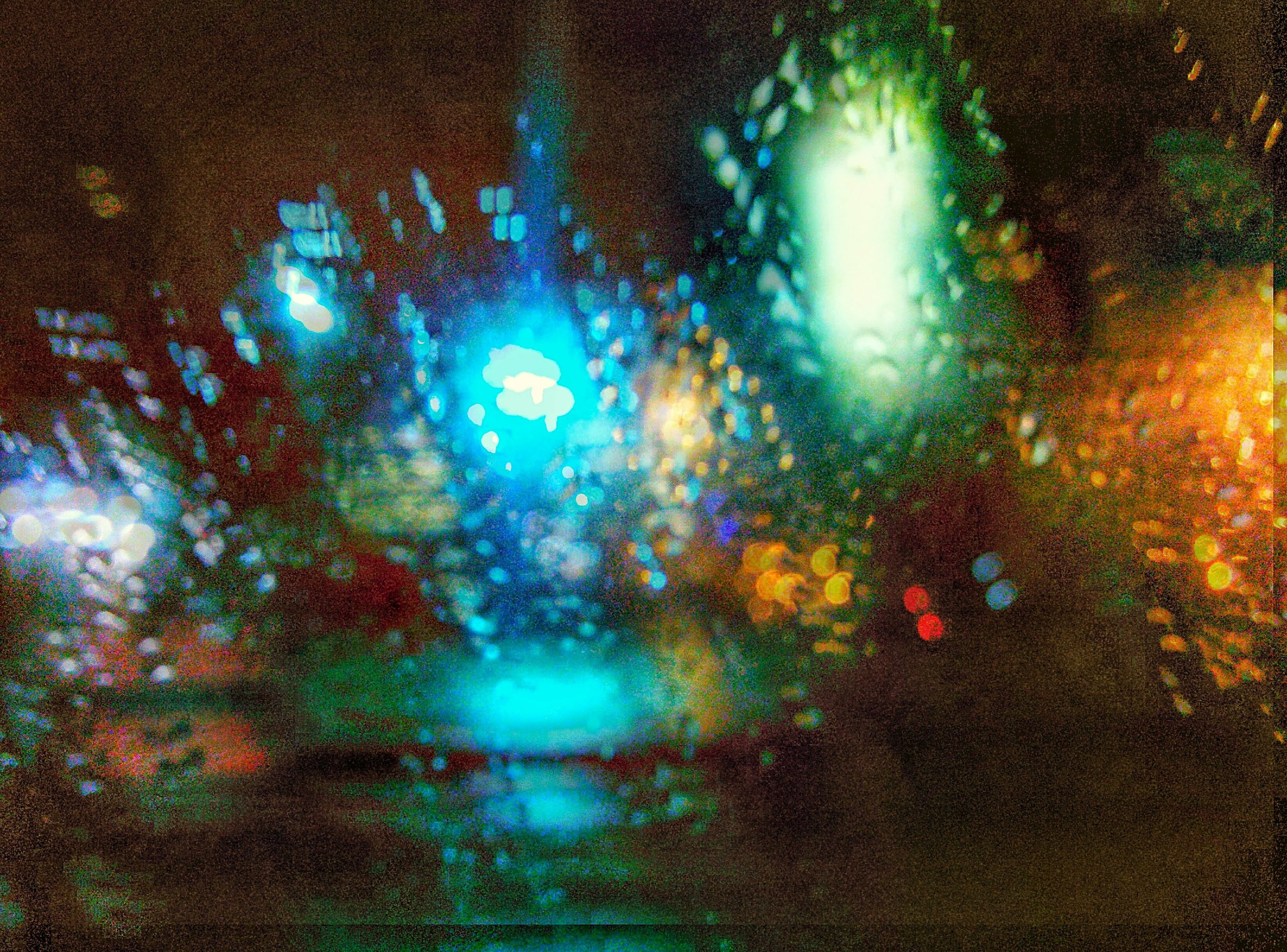
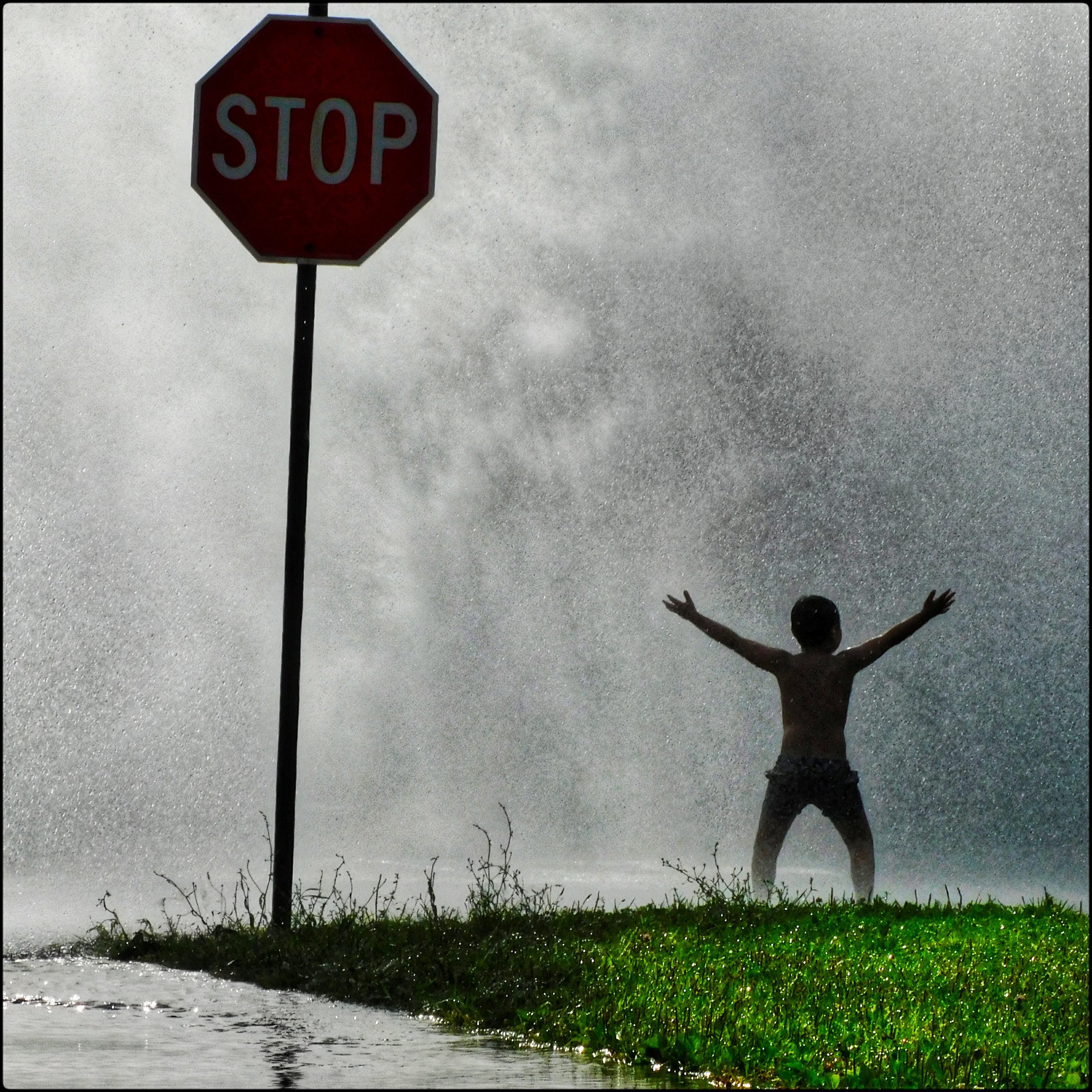
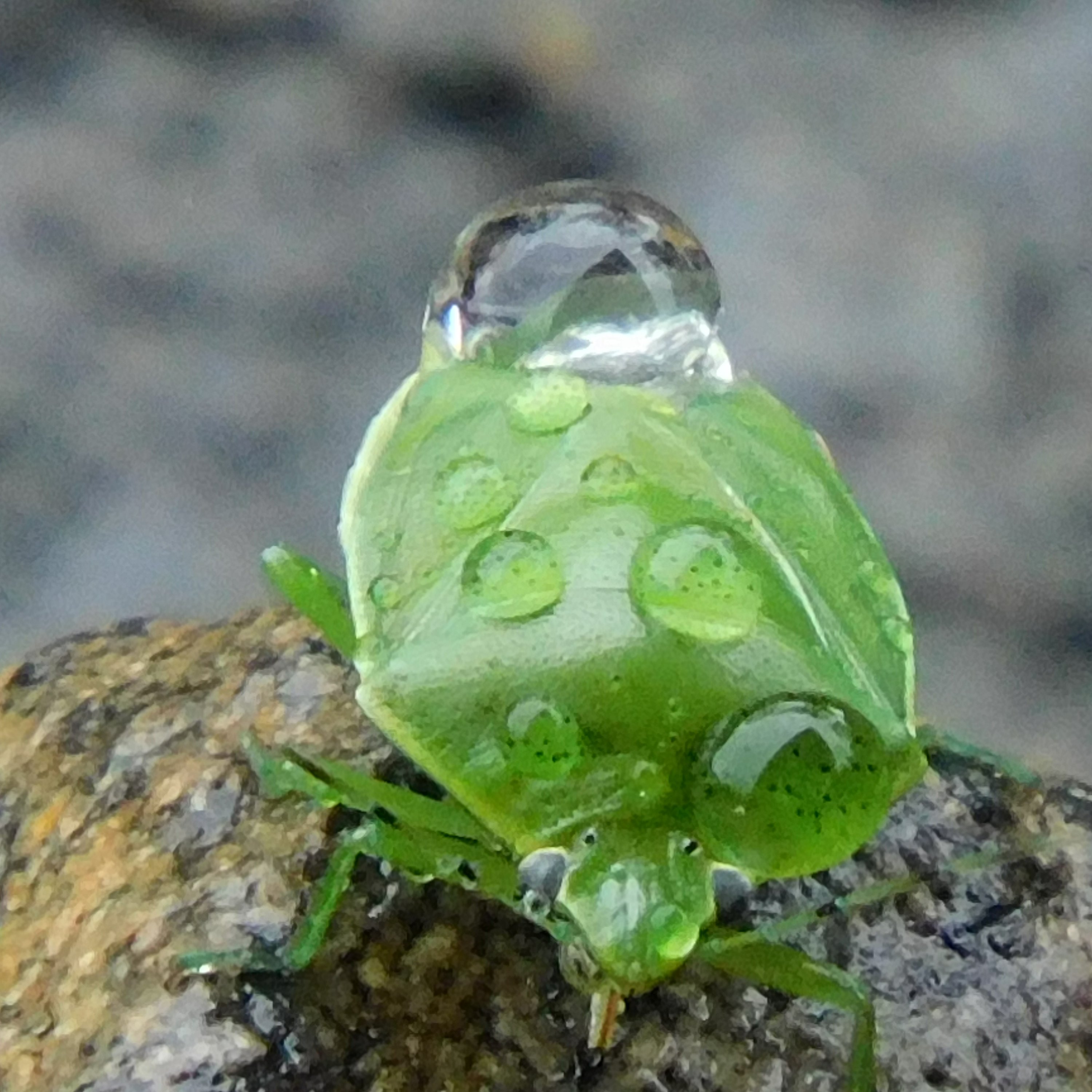
Beyond the aesthetics, the true joy of capturing images in the rain lies in the intimate challenge of storytelling and technical experimentation. Every droplet clinging to a windowpane tells a story of patience, while the blurred streaks of motion from cars and pedestrians convey the frantic pace of urban life. Photographers are forced to slow down, look closer, and find beauty in the overlooked details—a leaf weighed down by crystal-clear water, the vibrant splash of a yellow raincoat against gray concrete, or the soft bokeh created by distant streetlights blurred through a wet lens. It requires a mindful approach, reminding us that creativity often blossoms outside our comfort zones.

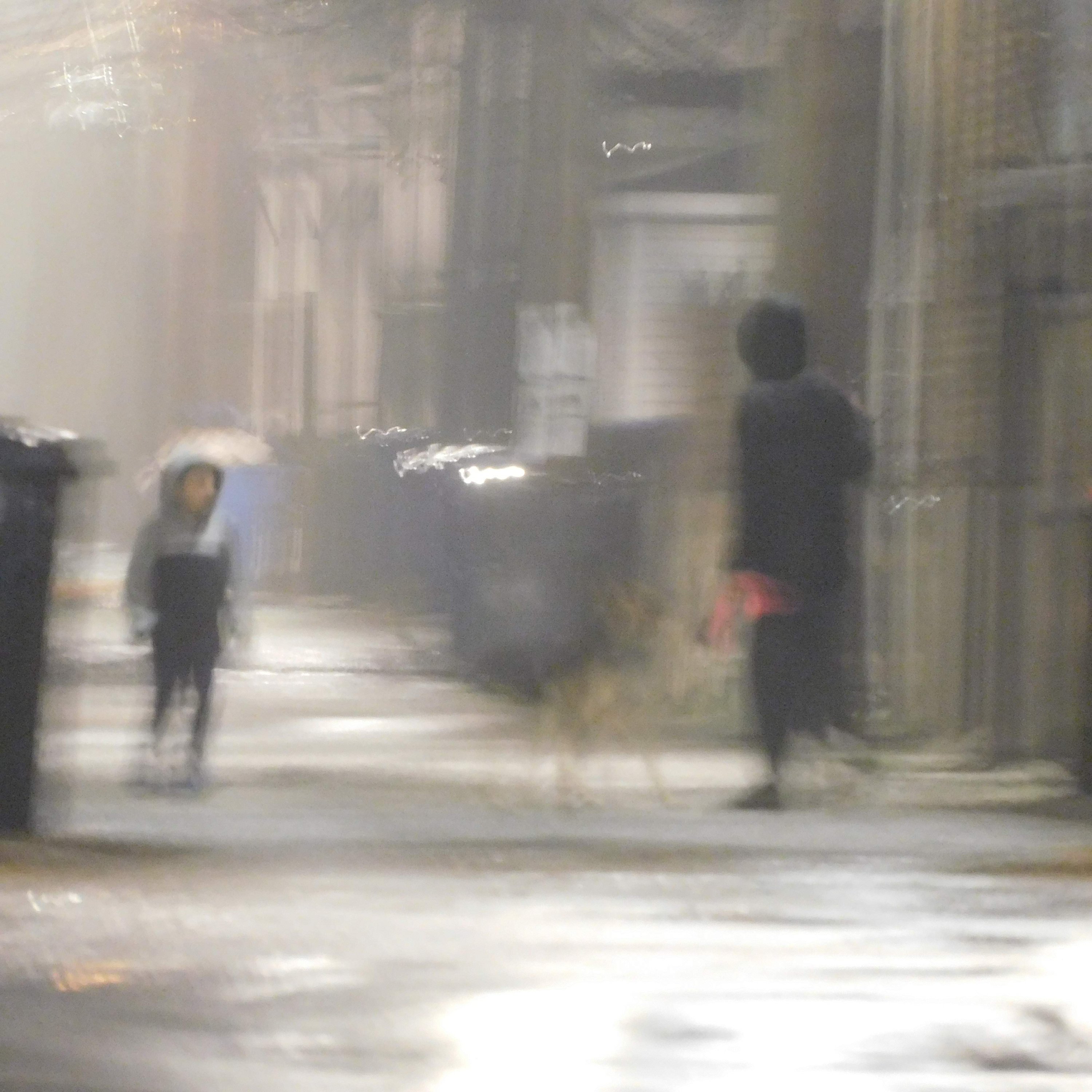
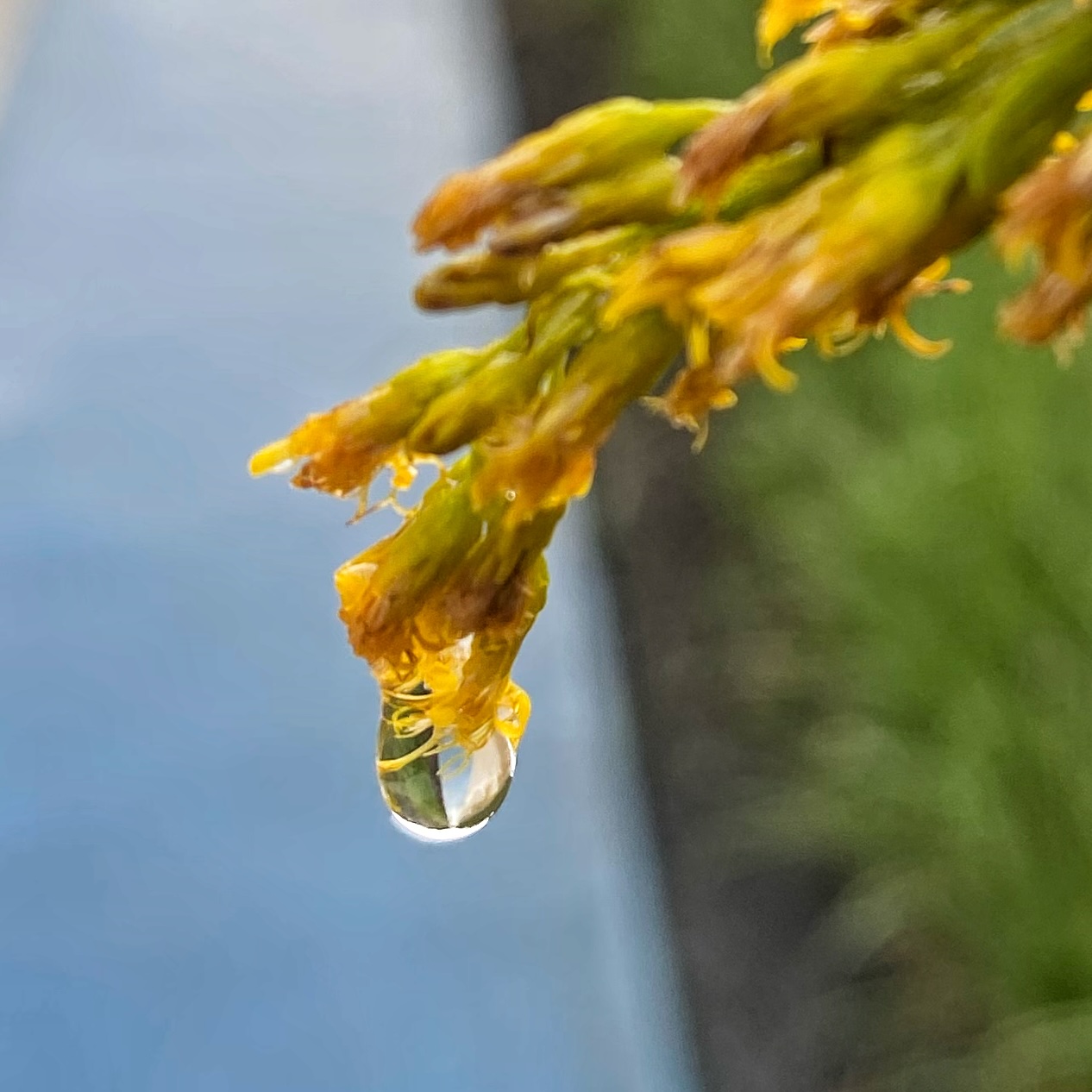
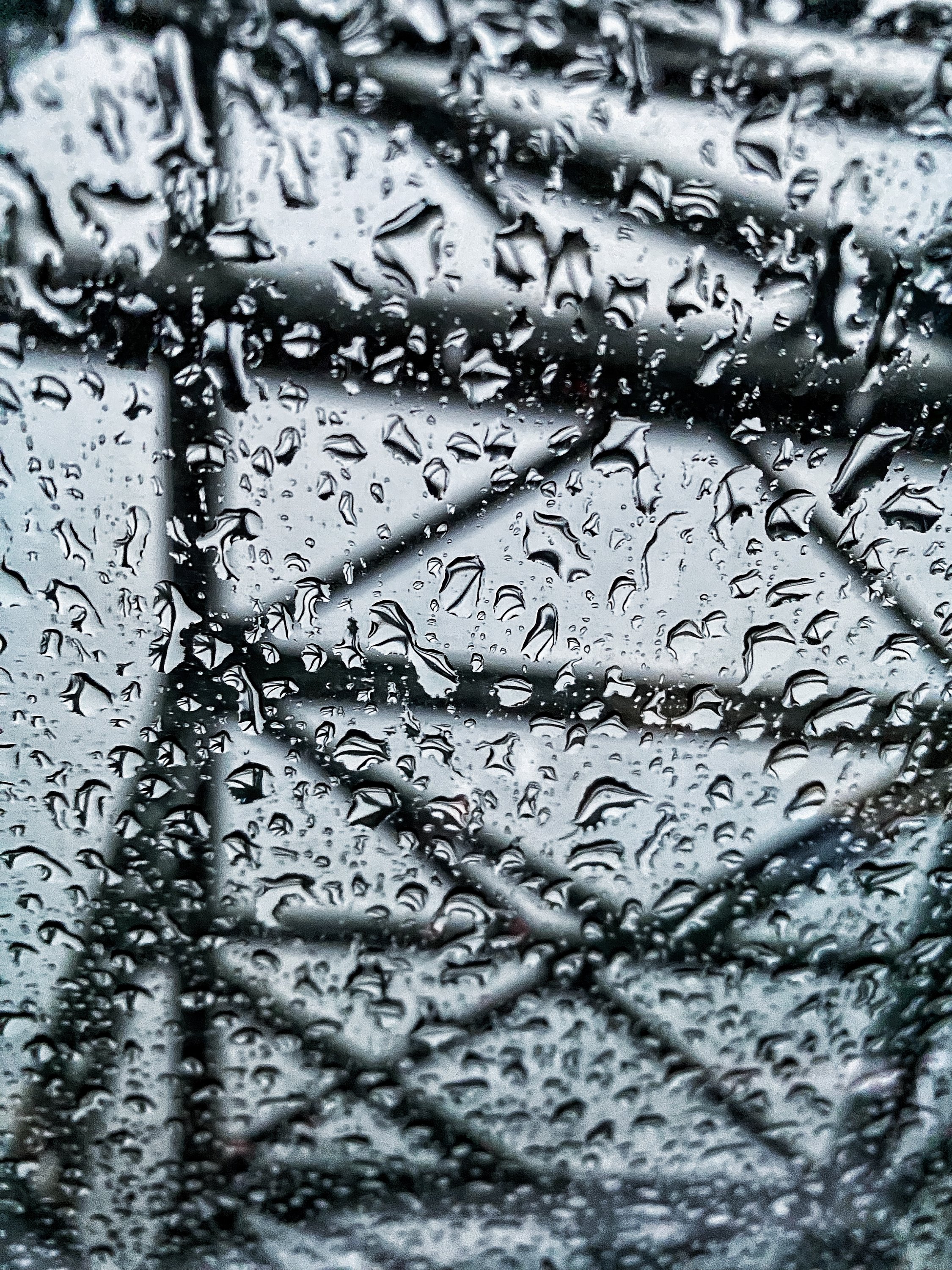
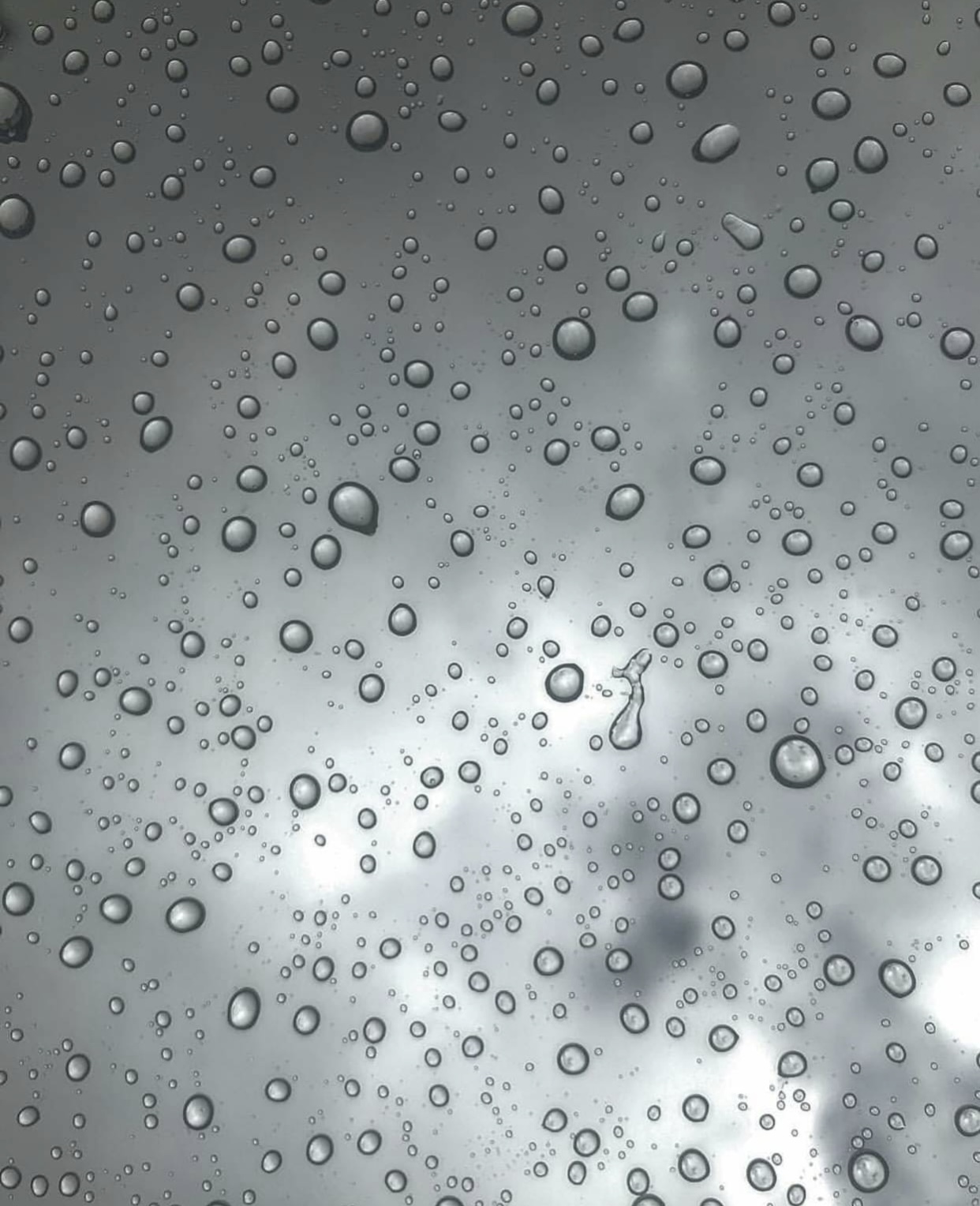
Ultimately, rainy-day photography invites us to embrace imperfections and find solace behind the lens. There is a deeply meditative satisfaction in stepping out into a quiet, mist-filled park or a rain-swept alleyway, feeling the cool mist while waiting for the exact right moment to press the shutter. It teaches us to see the world not as it looks on a postcard, but as a living, breathing artwork.. When you finally review your shots and see how a dreary afternoon transformed into a striking, atmospheric masterpiece, the damp clothes and wet gear become a small price to pay for such art.
 ← Previous: Philosophenweg