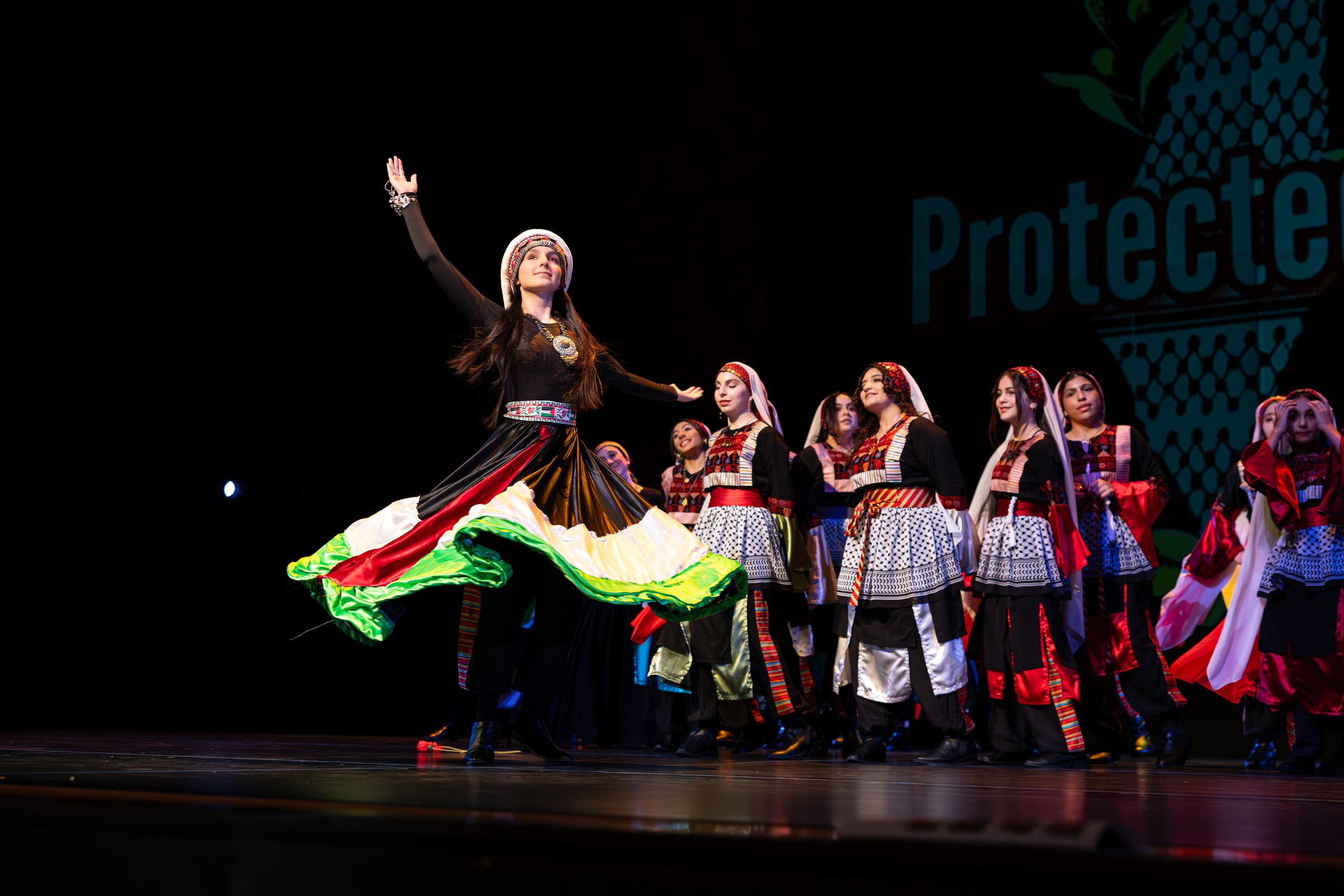
In a recent issue we formalized our request for writers with stories they thought our readers might enjoy. Our Managing Editor John Bartlett and I were impressed by the very first response we received from a young dancer from St. Louis who is using her talents to share her community’s culture through dance and bring it to Chicago tomorrow.
Sarah and other young dancers will be performing September 7, at the Athenaeum Center for Thought & Culture from 2:00–4:00 p.m.
We asked Sarah and then Canaan Wellspring’s founder Hanan Hamed to tell us more about the non-profit.
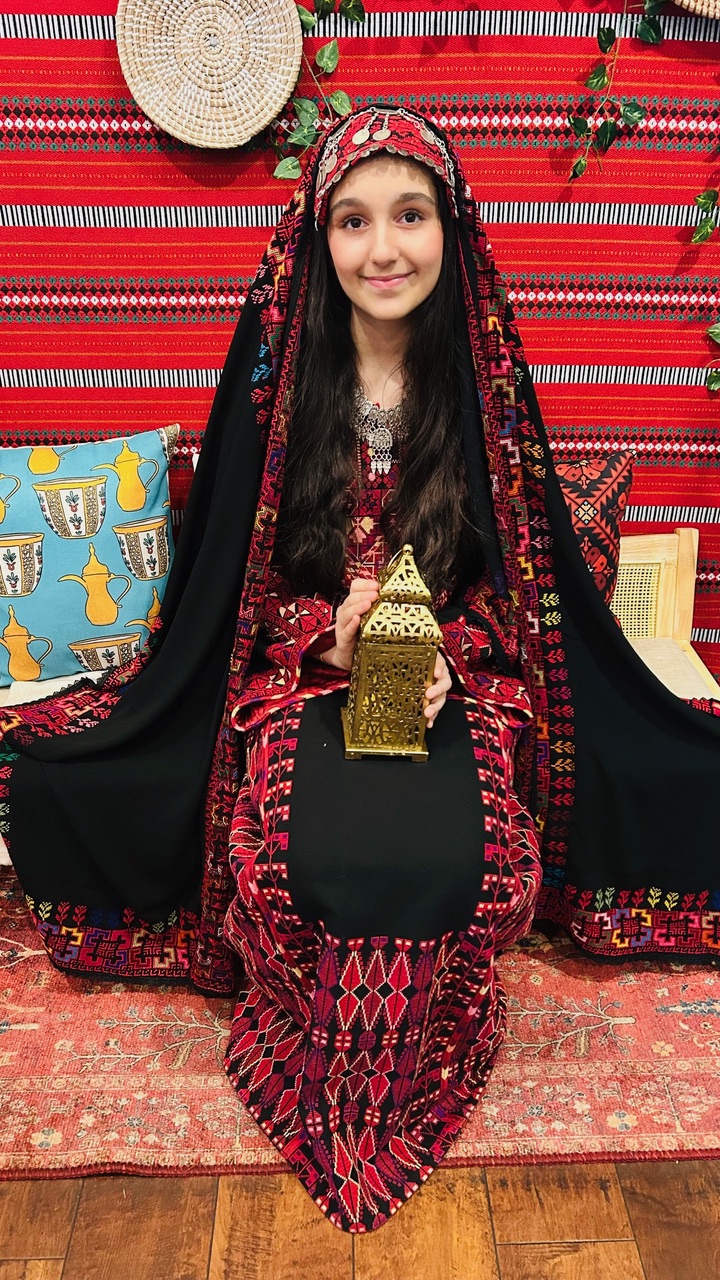
CCM: Sarah, as a young dancer you will be showing off the company’s talents in tomorrow’s program in Chicago. How did you decide to become a dancer?
“When I heard about Canaan Wellspring in 2024, I was eager to join because I wanted to familiarize myself with the Palestinian culture, stories, and history that I come from. As someone who was raised in the USA, I wasn’t very connected with my Palestinian roots prior to joining Canaan Wellspring; learning dabke, the type of folkdance we perform, has taught me so much about Palestine and has given me so much pride to be Palestinian.”
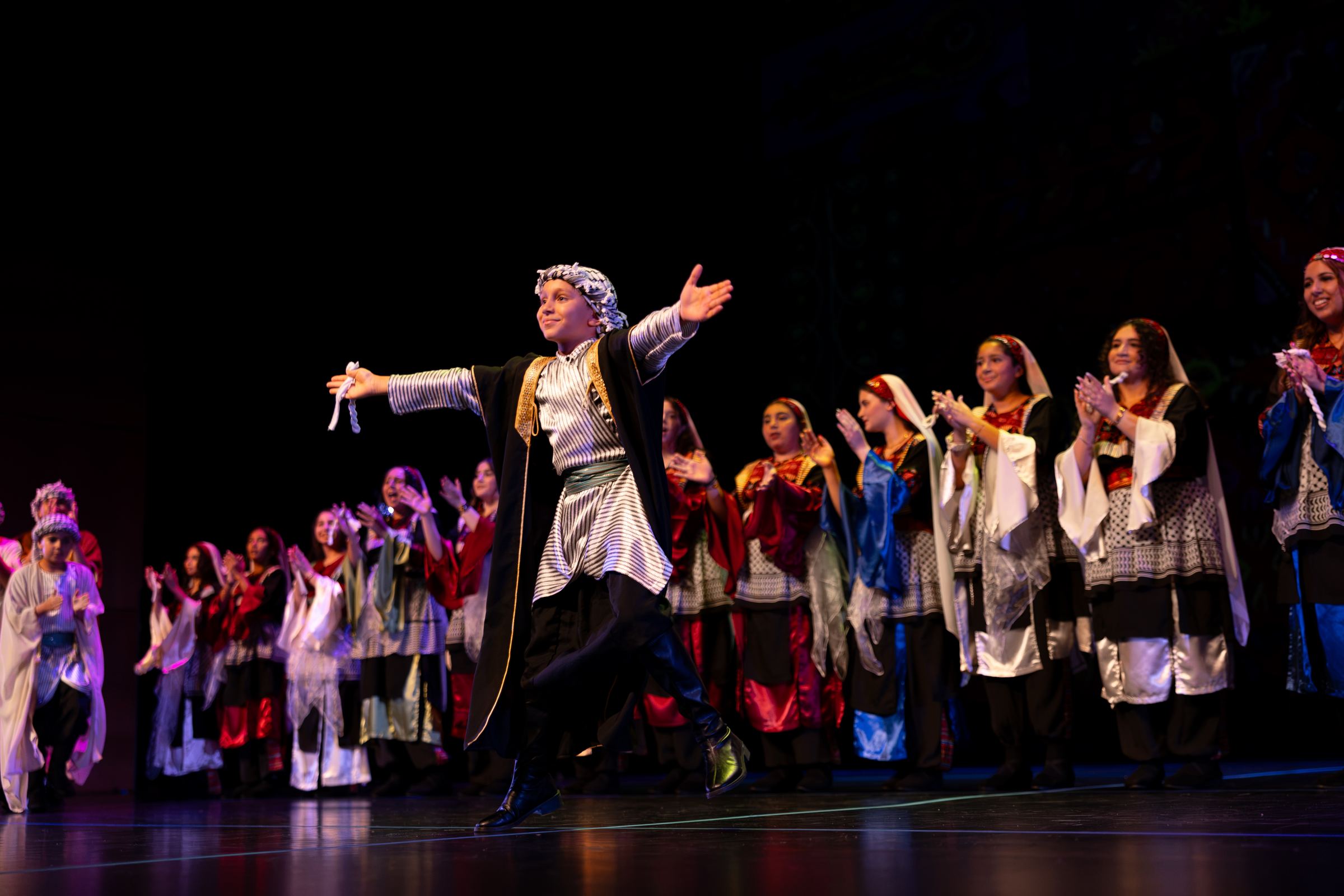
CCM: What are your expectations as a dancer, would you like to become a professional dancer after school? How much time do you spend with dance right now?
“I spend a lot of time with Canaan Wellspring, whether it’s practicing and performing dabke or volunteering with the troupe. I dance with Canaan Wellspring for the pure joy and fun of learning dabke and spending time with other Palestinian youth dedicated to educating our community, and while I don’t anticipate taking dabke to the professional level, I do hope to continue dancing dabke throughout my life and to teach family and friends around me.”
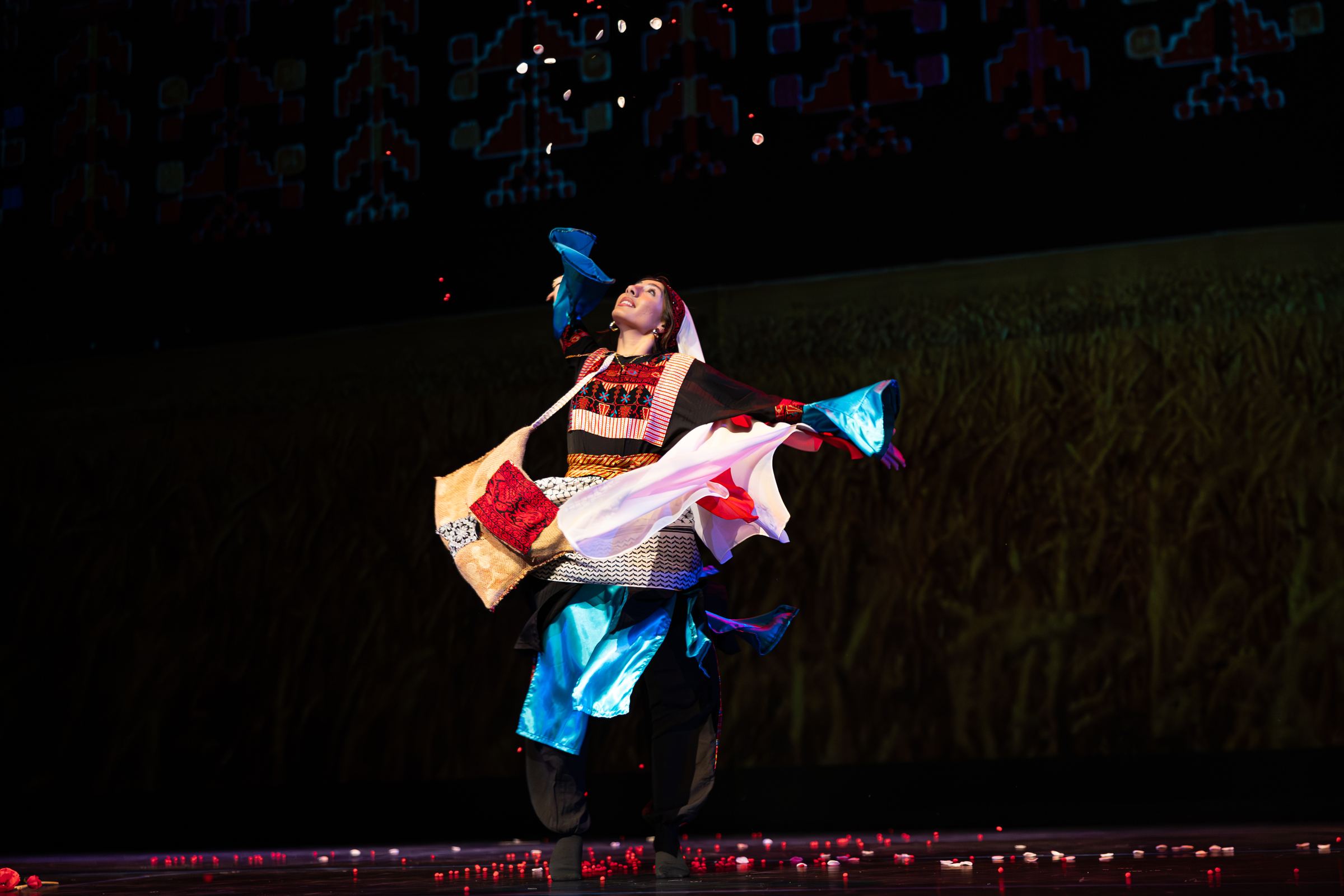
CCM: Many of the dances you perform have been handed down from the Canaanite people and reflect 5,000 years of culture. What is it like performing these ancient dances?
“Each dabke we perform has a story of its own. Knowing the background and the unique story each dabke shares with our audience reiterates the authenticity and history of our culture, and nothing gives me more joy than to dance with this purpose in mind.”
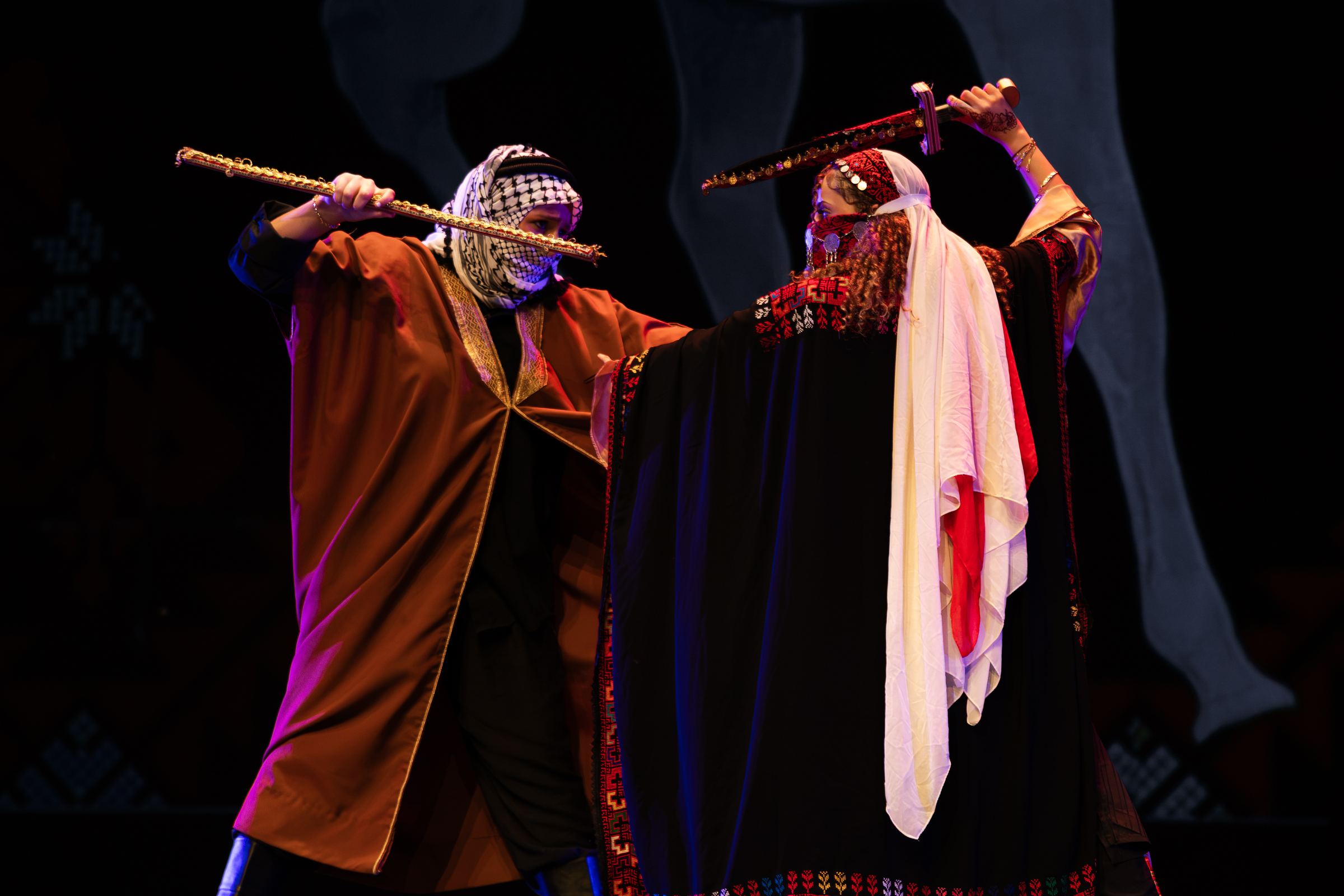
CCM: You talk about the humanitarian component of your dances and how you are building community. Tell us a little more about that?
“Canaan Wellspring is a nonprofit that aims to educate our community about Palestinian culture and history through art, dance, and storytelling, while also giving back to the Palestinian community. Our proceeds from Jafra will be donated to HEAL Palestine in order to support Palestinian children. This past year we have hosted multiple events and donated over $12,000 to different charities. We are eager to share our performance and purpose with the Chicago community. Canaan Wellspring is truly committed to giving back to our communities and other non-profits.”
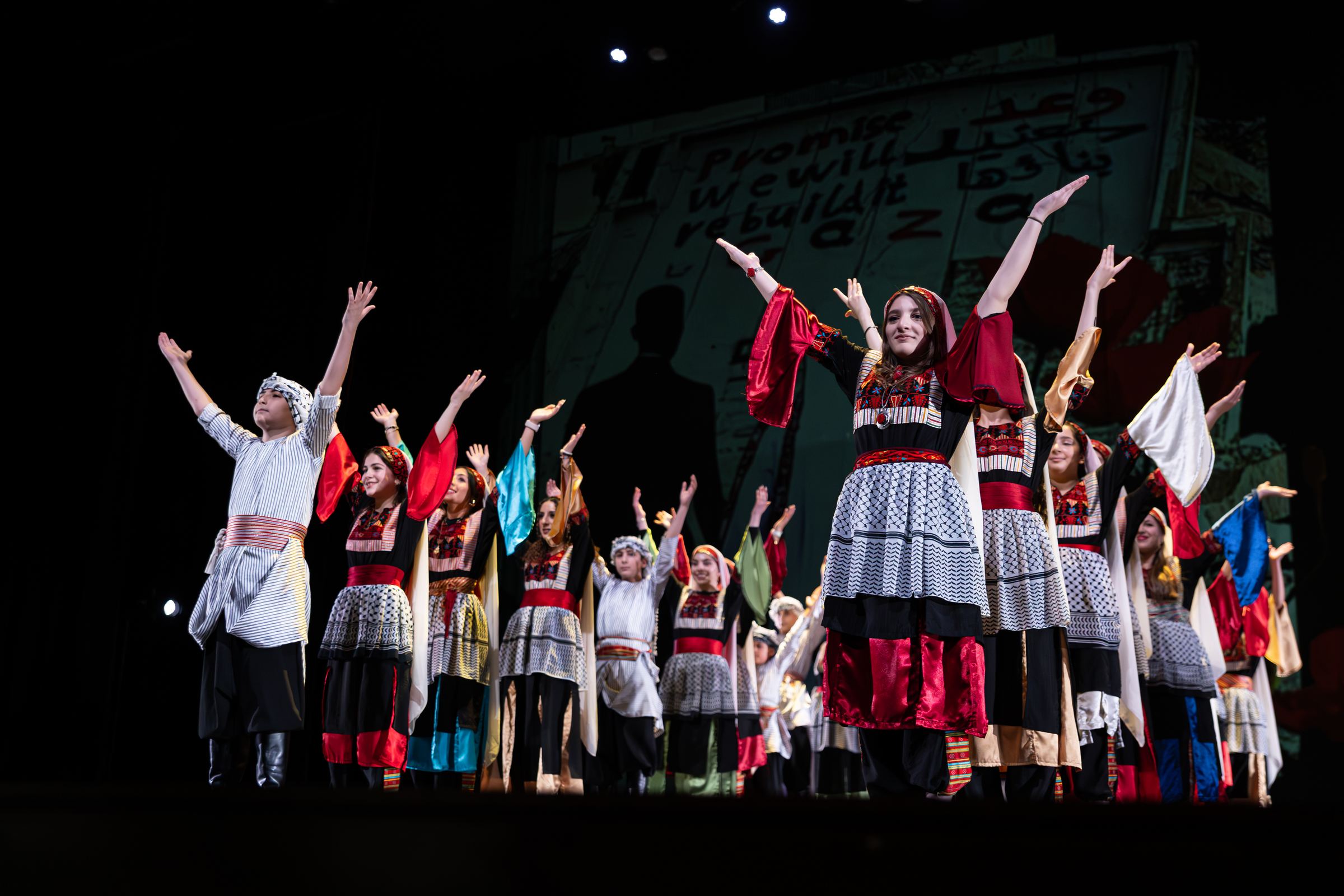
CCM: What do you find you have learned through your connection with Canaan Wellspring?
“Canaan Wellspring has taught me so much about Palestine, and has allowed me to connect with my roots despite living in a modern Western society. Besides giving me the environment to learn my culture, Canaan Wellspring and dabke have taught me the true importance of hard work and resilience to achieve goals.”
We spoke with Hanan Hamed who founded the troupe in 2024.
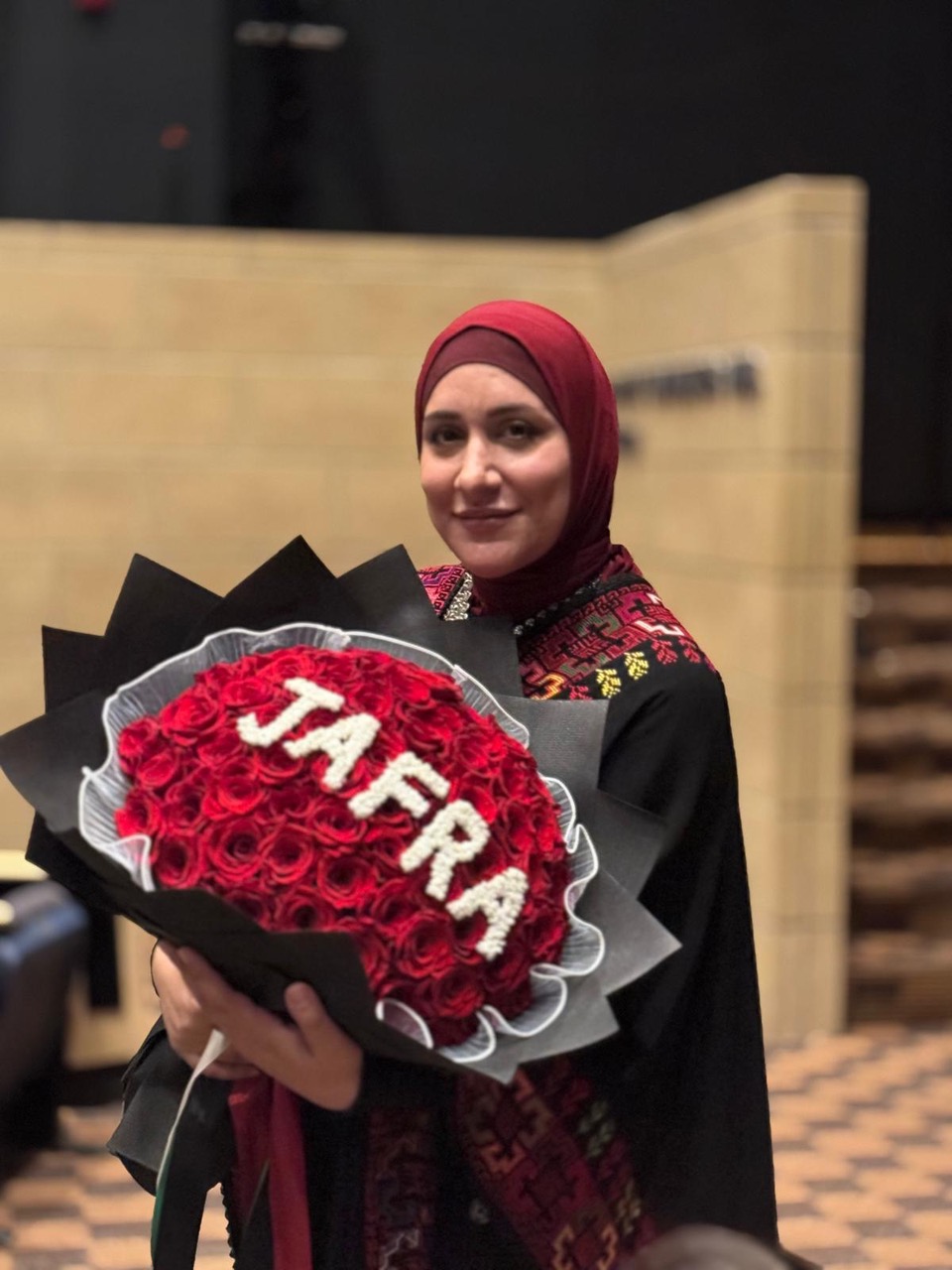
CCM: I know that you have traced your ancestry back to the Bronze Age Canaanite people through DNA testing. What can you tell us about these people?
“I personally decided to look into DNA testing because I wanted to learn more about how far back my roots in the region go. It wasn’t because I didn’t know who I was or where I came from. I grew up in Palestine and lived there for most of my life. I know where my family comes from. But as Palestinians, we constantly hear claims that somehow we came from somewhere else. So I thought, why not look deeper into my own ancestry?
“What was fascinating to me was seeing my ancestry trace back to the same region I already knew as home—the Levant, specifically from the same area I come from around Jerusalem and Ramallah.
“When I was little, we used to sing a Palestinian folk song that says, ‘Ali narak ya ibn Canaan’, meaning ‘Raise your fire, son of Canaan.’ As a child, I never stopped to ask why we sang those words. In the same way, I never really asked why we danced dabke or why the women in our families practiced tatreez. These were simply things we grew up with and that had been passed from one generation to another.
“Coming back to the United States gave me the opportunity to explore those questions differently, including through DNA testing and historical research.
“One of the most beautiful things I learned from that journey is just how ancient the civilizations of the Levant are and how deeply connected my own roots are to that land. Learning about the Bronze Age peoples we call the Canaanites made me want to understand more about the history behind traditions I had grown up with without questioning them.
“For me, there is something incredibly meaningful about realizing that I belong to a story of people and civilization in the Levant that stretches back thousands of years. That connection to the land, to our cultural memory, and to the generations that came before us is something no one can take away from me.”
CCM: What is it about their dances that you want to share, and do you choreograph the dances based on traditions that are handed down?
“Dabke has evolved tremendously over time, and there are different theories about its ancient origins and its connections to the peoples and traditions of the Levant, including the Canaanites and Phoenicians. What we do know is that as dabke developed over generations, different regions of the Levant developed their own styles, rhythms, steps, and traditions.
“Palestinians themselves have many different forms and styles that have been passed down through families and communities for generations.
“And that’s something I really want people to understand: these dances weren’t necessarily passed down to us in a formal dance studio. They were passed down through life.
“We dance at weddings, graduations, the celebration of a new home, the birth of a child, and other community gatherings. You watch your parents, grandparents, relatives, and neighbors dance, you join the line, and eventually the steps become part of you. For many of us, we dance them almost effortlessly because we grew up around them.
“When I choreograph for Canaan Wellspring, I want to preserve that feeling. I use the traditional steps, rhythms, and styles that have been passed down to us, while arranging them for the stage and using them to tell a story.
“That is also something we explore in Jafra: how dabke evolved over time into the Palestinian dance traditions we recognize today, and how those traditions continue to live because communities keep practicing and passing them to the next generation.”
CCM: How do you describe the program for your upcoming event at the Athenaeum Center?
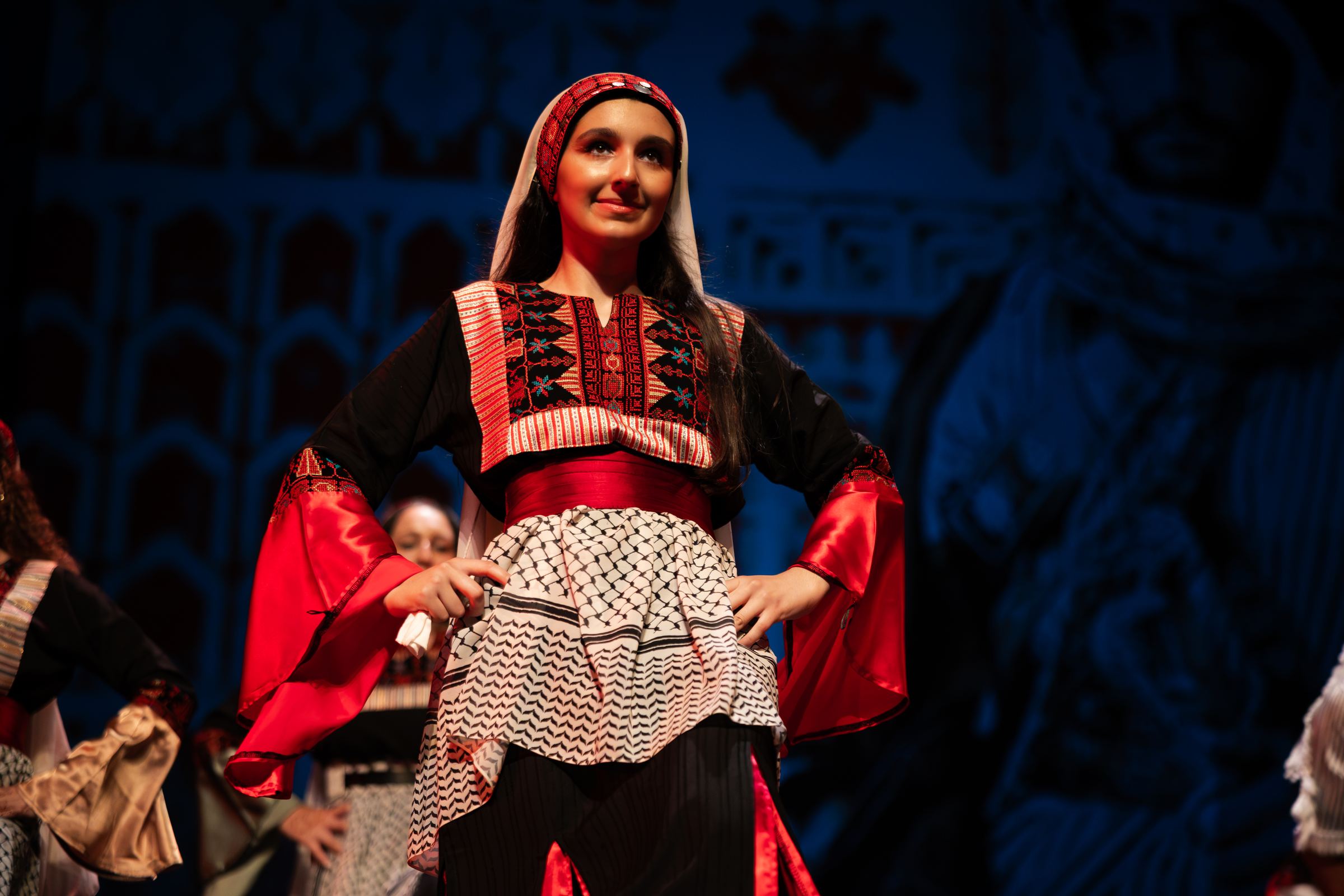
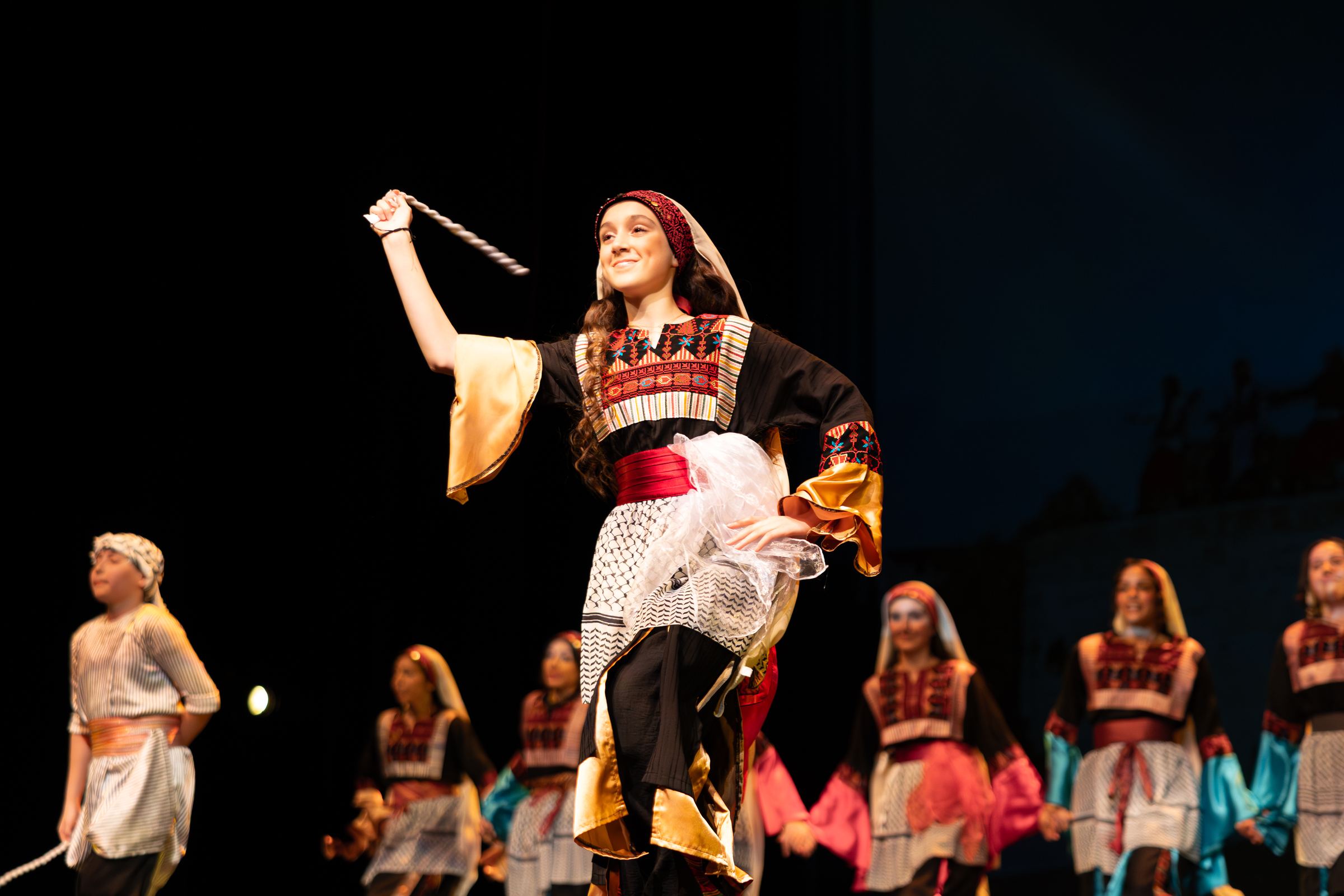
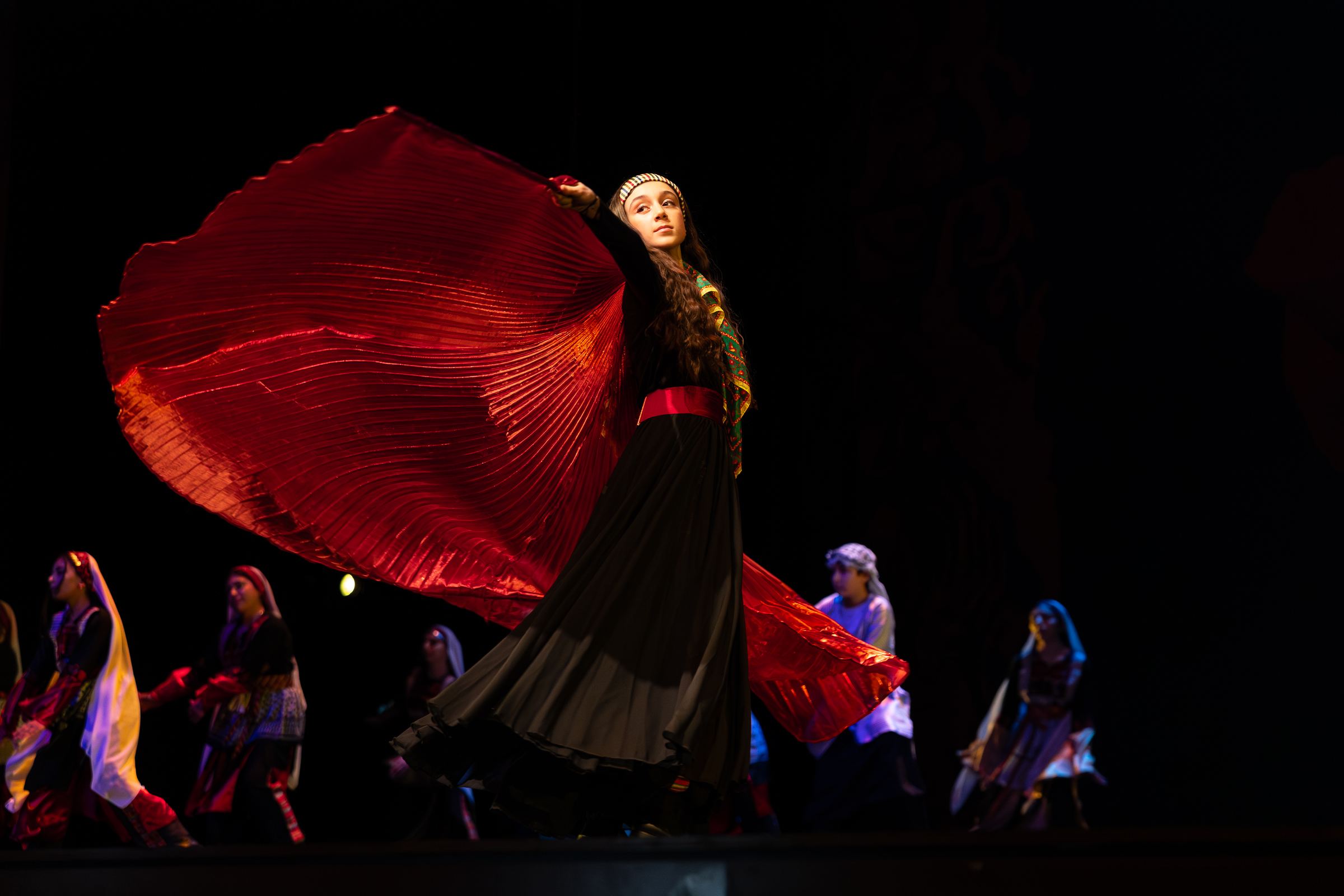
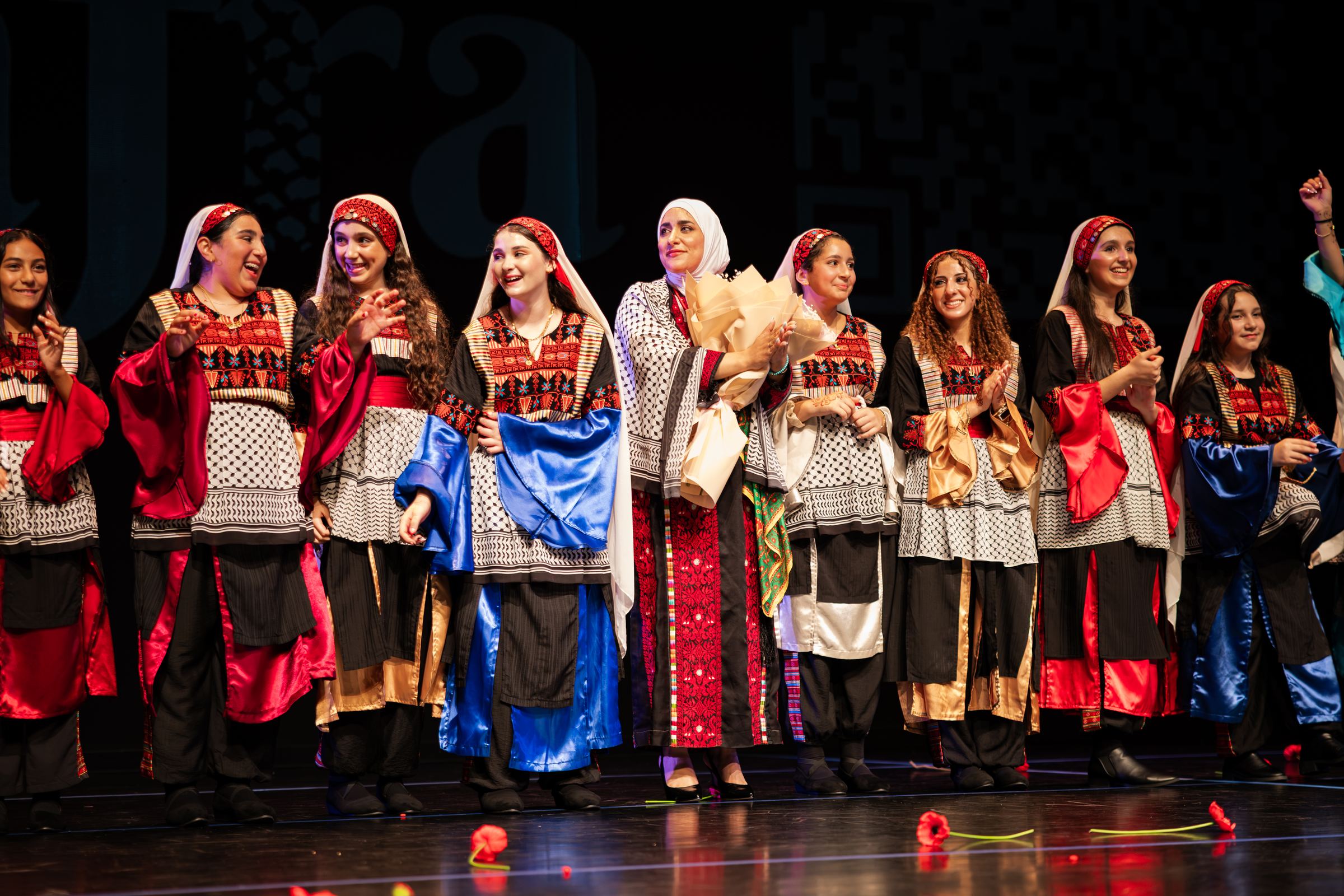
“Jafra is a Palestinian folklore theatrical performance that brings our culture to the stage through dabke, traditional music, storytelling, and dress. The audience is taken on a journey through Palestine, our celebrations, traditions, history, and the evolution of dabke, while also seeing how these traditions have been carried from one generation to the next.
“Most of our performers are children and teenagers, which makes the message even more meaningful. They aren’t only performing Palestinian culture; they’re learning it, preserving it, and carrying it forward. A portion of the proceeds from our Chicago performance will also support HEAL Palestine and its humanitarian work.”
CCM: Sarah has mentioned autism advocacy in the West Bank, tell us a little about that work?
“I am a mother of an autistic child, Omar, so this work is very personal to me. Families raising autistic children in Palestine already face limited access to diagnosis, therapy, specialized education, and trained professionals. But on top of those challenges, they are raising their children in very difficult conditions.
“Imagine having an autistic child who depends on routine and predictability while your daily life can include challenges that are very much unpredictable. Even simply getting your child to therapy or school can become difficult.
“That is why I became involved in starting Autism Superhero Palestine to support families, provide resources, training, and awareness, and help autistic children have better opportunities and inclusion.”
CCM: Tell us about your upcoming performance schedule.
“We have a busy couple of weeks ahead of us! Canaan Wellspring will be performing at the Festival of Nations in St. Louis, and then we’re taking Jafra to Chicago on September 7 at the Athenaeum Center for Thought & Culture from 2:00–4:00 p.m.
“This will be our first time bringing the full Jafra theatrical production to Chicago, so we’re very excited to introduce our work to a new community and share Palestinian culture with a wider audience.
“Throughout the year we participate in cultural nights, school events, festivals, conferences, and more to showcase Palestinian culture with every opportunity.”
For further information, visit: canaanwellspring.org