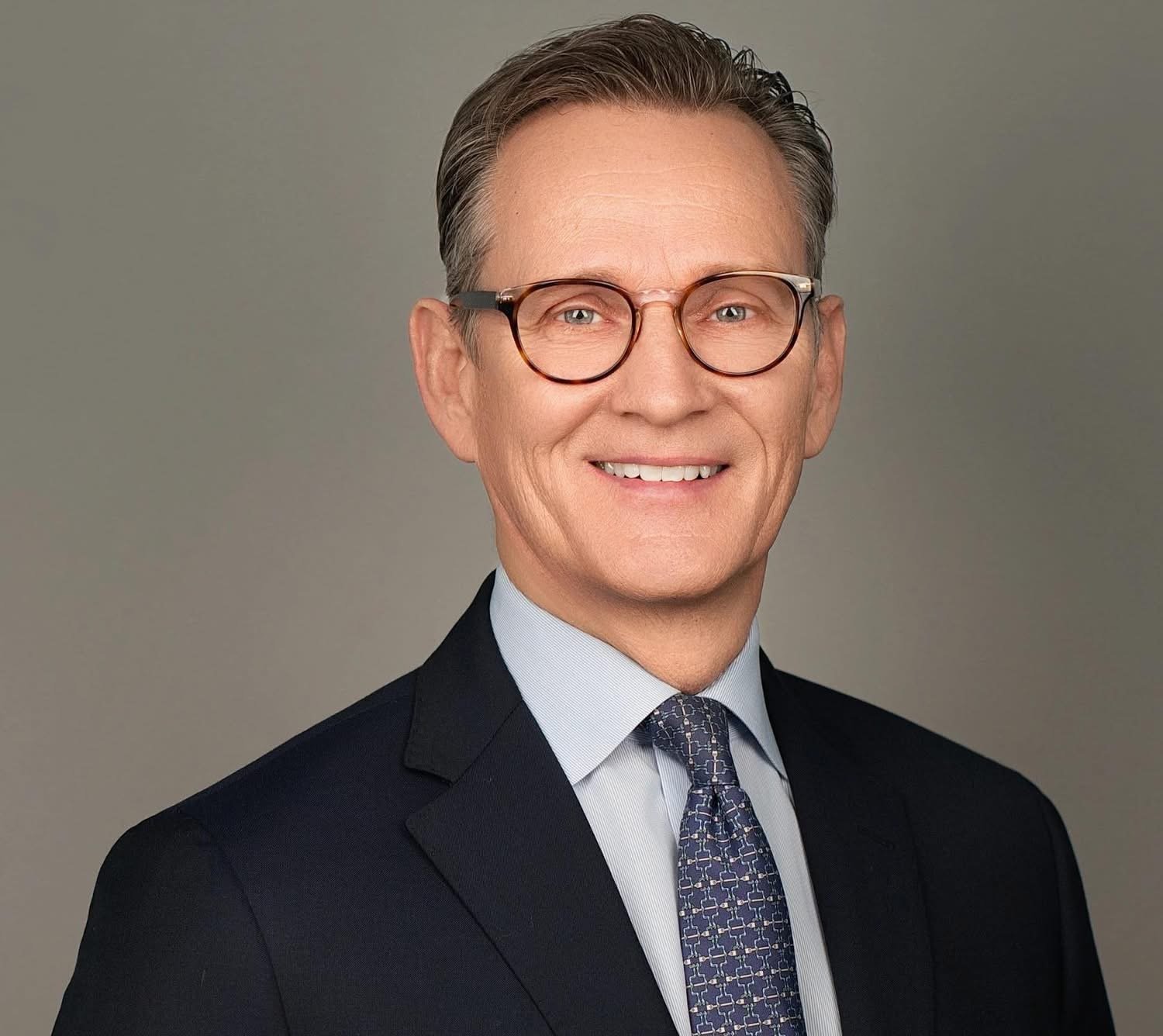
Anderson has moved from vice president into the top position at a critical junction. The museum is recovering from labor unrest and finalizing its first union contract; it is dealing with water-damaged off-site storage of its valuable collections; it is working to retire planned debt. At the same time, federal support for museums is being reduced and attendance is only just beginning to recover from Covid. Similar problems face museums across the country.
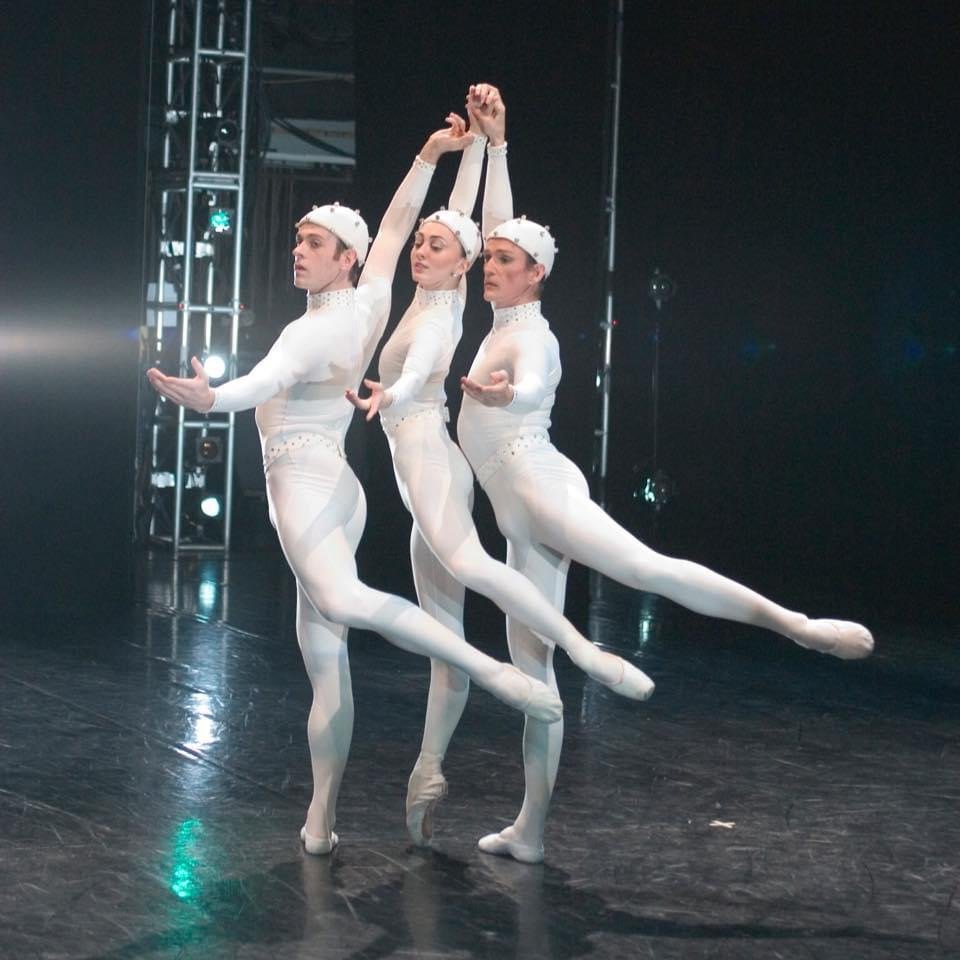
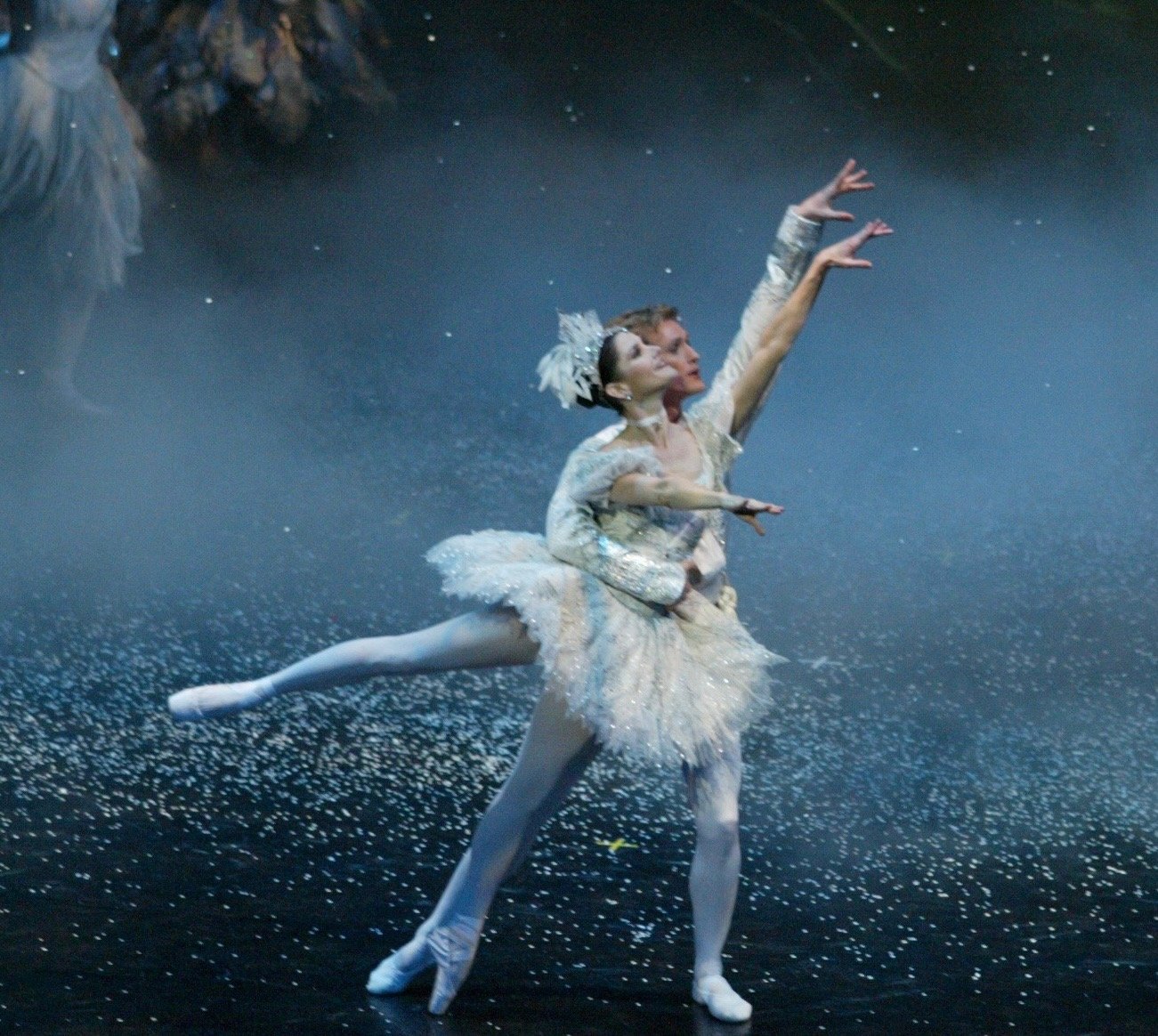
An unusual collection of experiences makes Anderson uniquely qualified for the position. Although his career in arts administration is most recent, he told stories musically as a dancer with the Joffrey Ballet for ten years. Anderson grew up in Juneau, Alaska, in a musical family. “We were all very immersed in music; I would sing tenor, my brother would sing bass, my two sisters would sing soprano and alto. My mom would always do four-part harmonies…My mom played for a musical mining review…with can can girls and the bartenders, and it was just a lot of fun. It catered to all the tourists who came on the cruise ships. I remember sitting on the bench with my mom, just staring up at the stage, just enamored with all of it. I loved to dance and move around.”
His parents encouraged him to take classes. “I didn’t stick with it, but I got back to musical theater in high school. My freshman year at Southern Utah University I was cast in ‘Chorus Line.’” The ballet teacher encouraged him to join a ballet class. “I immediately fell in love with it. It was athletic, it was physical, it was musical, it was artistic, it was just everything I’d been looking for,” Anderson recalled, but he never considered dancing professionally. Majoring in marketing and communications, he thought he might want to be an accountant, while continuing to find opportunities to dance.
Anderson heard about a new graduate program in arts administration at Wayne State University in Detroit, one of the only such programs in the country at the time. “I didn’t even know such degrees existed, but it sounded perfect.” While earning his MFA, he took an internship in Chicago at Steppenwolf, where he did the initial marketing survey for the theater in its new building on Halsted.
Armed with his degree, he switched direction with a scholarship to the renowned Joffrey Ballet School training program in New York City. From here, he moved to the second company for young professionals and then to the main company. The Joffrey moved to Chicago in 1995, a move he welcomed after his Steppenwolf experience. Anderson would dance with the Joffrey for ten years.
Knowing at age 40 he needed a new focus, he accepted a fundraising position at Columbia College. A new program called Conversation in the Arts brought in such Hollywood stars as Lauren Bacall, Mary Tyler Moore, Ben Vereen and Julie Andrews to speak to the students. He learned the ins and outs of working with high end donors and celebrities.
After ten years, a staff reduction at Columbia College meant Anderson needed a new position. He was already a member of the Costume Council at the Chicago History Museum and had gotten to know Randy Adamsick, the head of development at the museum. Thanks to Adamsick and a small search firm, he moved into the position of major gifts officer in 2014 to run the then current capital campaign. “The board is really strong…this isn’t going to fail… It’s going to be a great opportunity,” he reasoned. He interviewed such Chicago cultural leaders as Jim Alexander and Barbara Kipper and got the job.
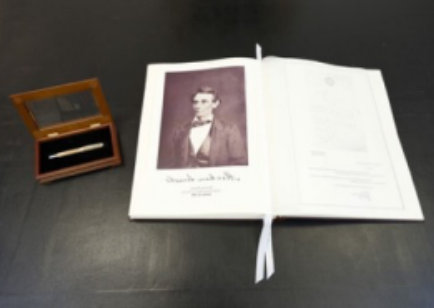
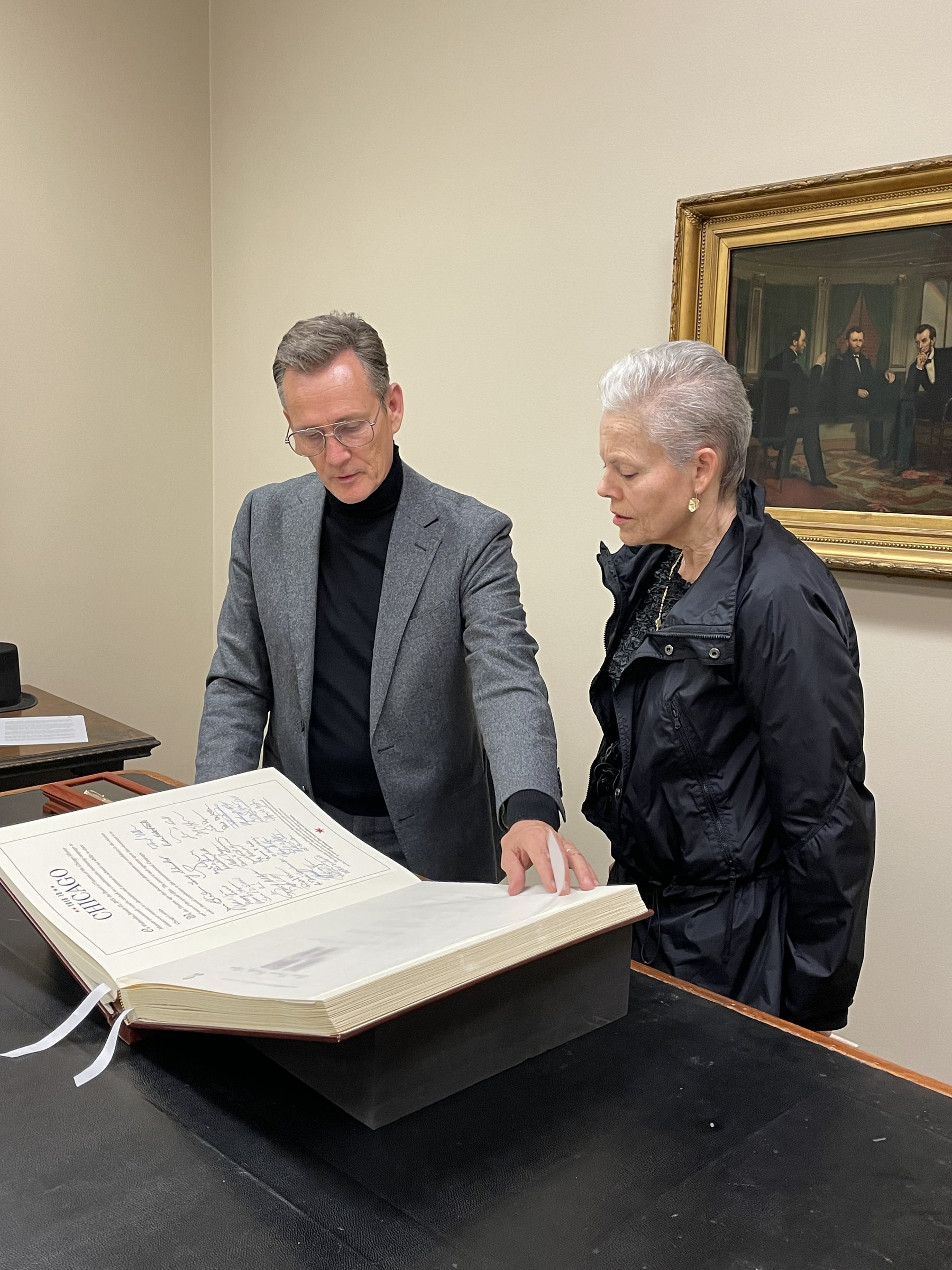
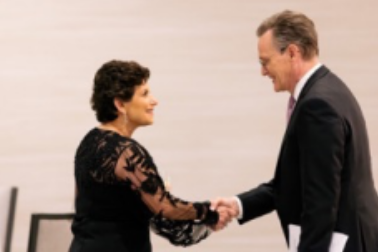
Working with President Gary Johnson, Anderson developed the idea of the Lincoln Honor Society, a group for donors who include the museum in their wills. He created a handsome book that includes the names of key donors who had contributed to the museum from the beginning, creating a sense of legacy. New donors to the Lincoln Honor Roll Society can add their names to the book in a formal ceremony, photographed by the museum. The creative strategy helped ensure that the capital campaign was successfully completed.
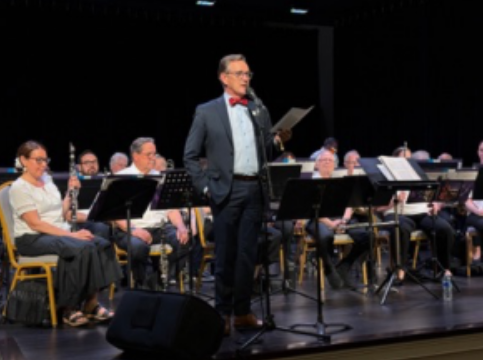
When Adamsick retired, and Donald Laserre became president, Anderson was promoted to Vice President of Engagement and Development. Five years later when Laserre left the museum, Anderson was named Interim CEO and became a chief candidate for the top position. “As I got more into it, I loved it and [realized] I could bring my creative spirit and think of things differently. There were ways to engage visitors in a different way. It’s a chamber music concert but it’s a different way to learn history…we need to be unexpected and playful at times. We don’t always need to be scholarly.”
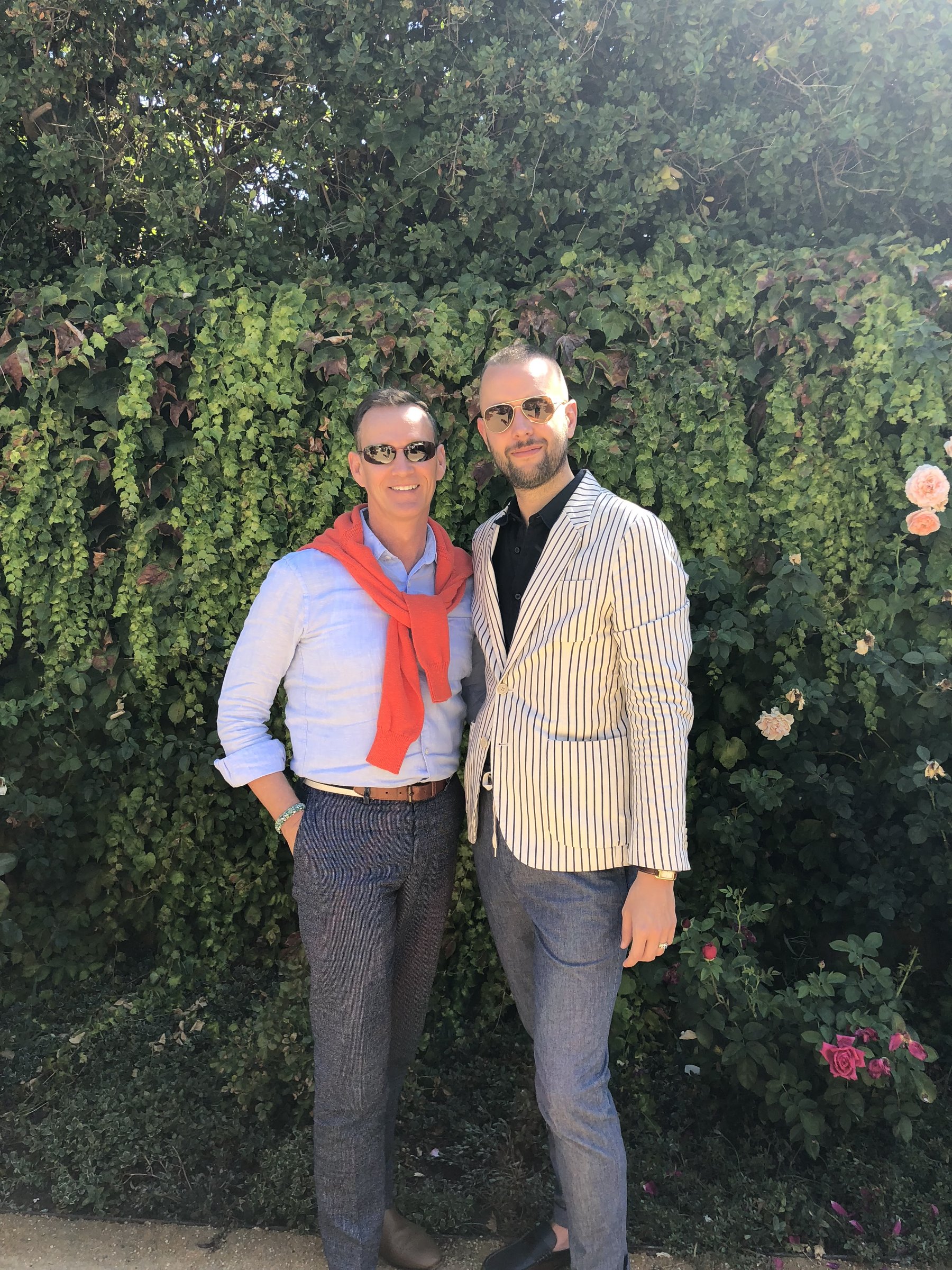
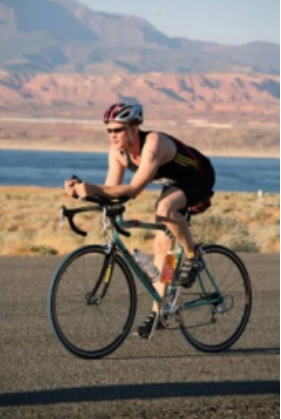
Anderson and his partner Andrew Caruso, who works in luxury retail, live in Edgewater with their Pomeranian Teddy. They enjoy the non-scholarly in their free time. “Together we love skiing, hiking, outdoors – adventure travel.” Recent trips have taken them to Sweden, Italy, and Alaska.

Back at the museum, Anderson is combining his energetic, creative, and fun loving self with his arts administration skills and accountant’s eye. He’s clear on what needs to be done.
“Financial discipline will be key. It’s about storage, but also accessibility so that scholars and students can do their research. We just agreed on a collective bargaining agreement, [covering] working conditions, a handbook, and performance evaluations; we’ve always been strong on salaries and retirement contributions.” The board of trustees has been very responsive; and for example, 100% contributed to the Making History Awards fundraiser. “Everyone on the board realizes one doesn’t have to be a ten-thousand-dollar donor. One just has to give. That shows you are all in and will give your time and your talent and your treasure,” observed Anderson.
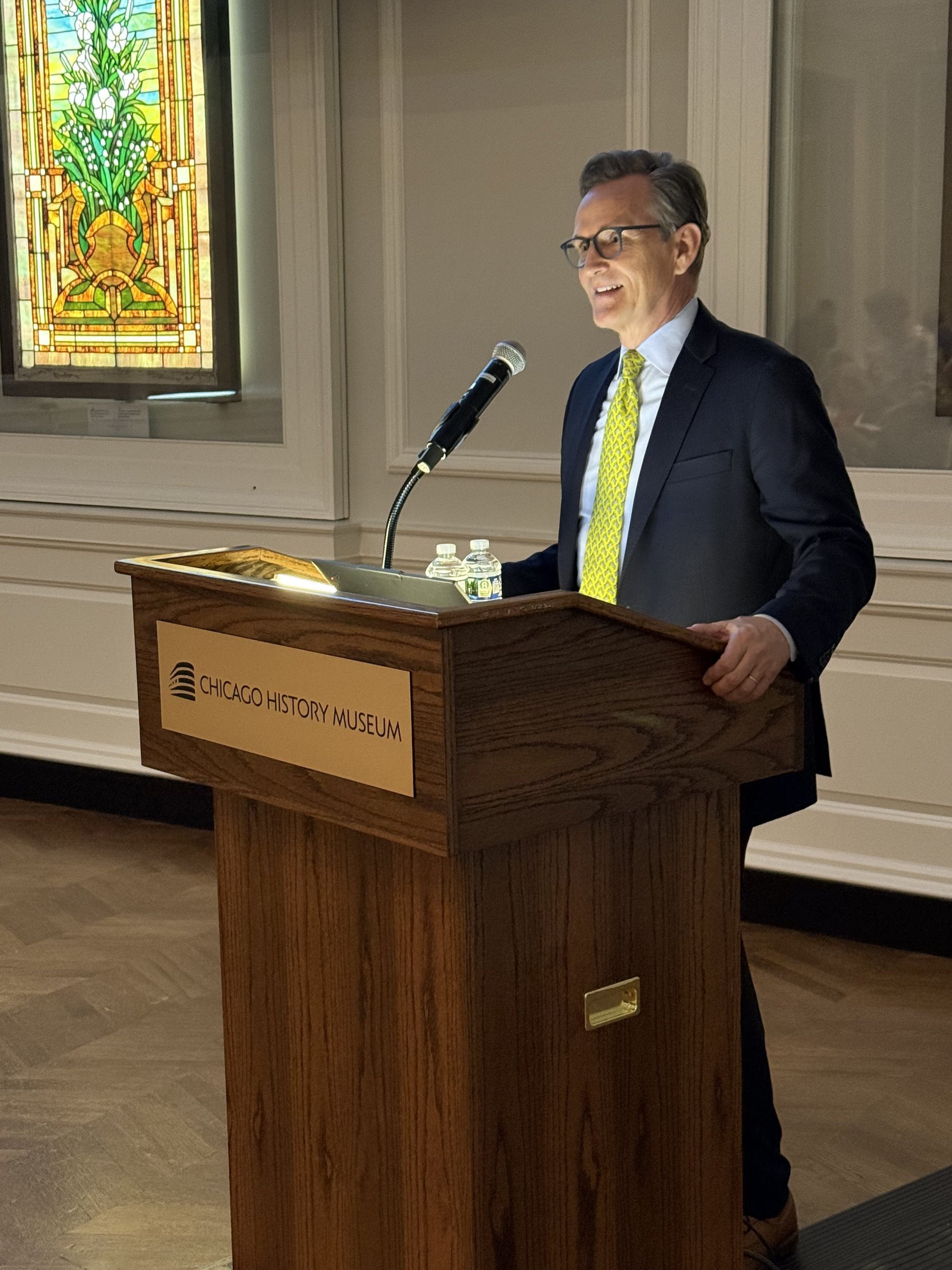
“I’m really excited and grateful for this opportunity. That really keeps me going. The response community, from members, has been overwhelmingly supportive. I hope to be topical, fearless, unexpected…I want people to say I didn’t know the Chicago History Museum did this!”
Note: Elizabeth Dunlop Richter is a member of the museum’s board of trustees.
