
Ferris Bueller's Day Off: 40th Anniversary and Review
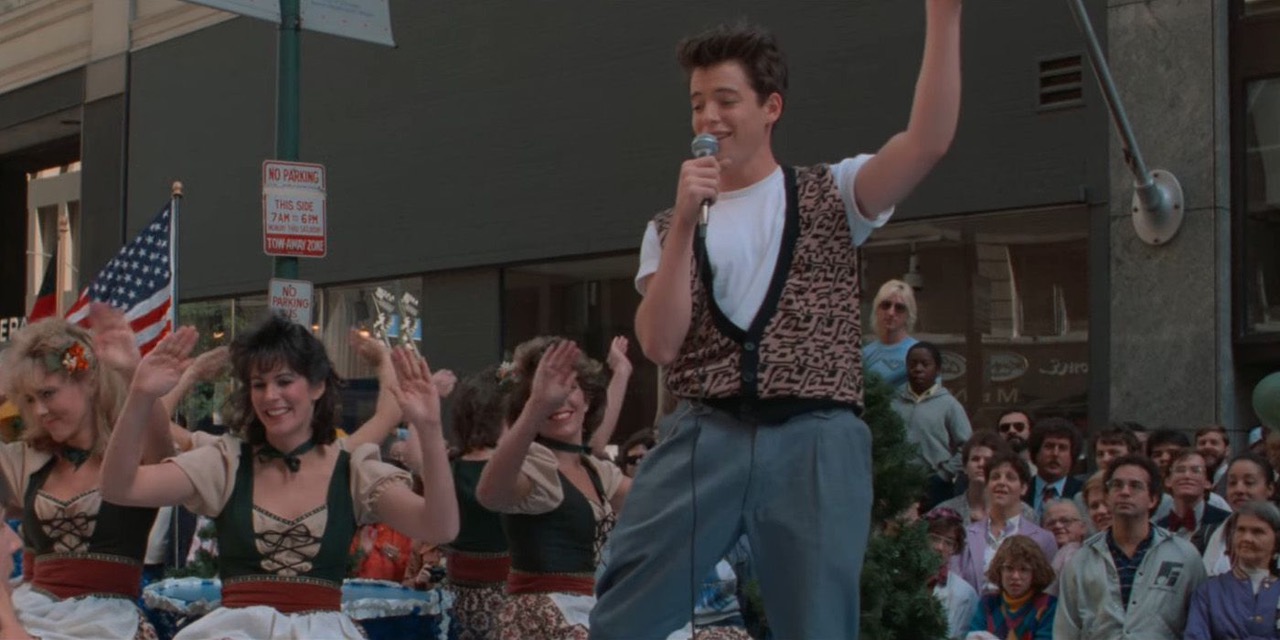
Ferris Bueller’s Day Off, released forty years ago on June 11th, 1986, is held up by some as an all-time classic comedy film, especially those who grew up watching it. Written and directed by John Hughes, with Matthew Broderick playing Ferris, alongside Alan Ruck as best friend Cameron, Mia Sara as his girlfriend Sloane, and Jeffery Jones as the villainous Dean Ed Rooney. It was a breakout film role for Broderick, having worked primarily on the stage before this, and for Hughes, it was yet another feather in his cap as one of the eighties’ most successful comedy screenwriters.
Filmed in Chicago, where Hughes set many of his films, the story follows Ferris Bueller, a popular high school slacker, as he plays hooky around the city by faking an illness at home. Joined by his uptight friend Cameron, and his girlfriend Sloane, the trio cavort around famous Chicago locales in Cameron’s father’s Ferrari, looking for a good time. However, it seems like the world is out to foil their plans: the school’s dean is after them, Ferris’s sister Jean resents him, and they keep running into Ferris’s dad, who thinks he’s still home sick. But everything works out in the end for Ferris: he saw the sights of the city with Sloane, Cameron learned to live a little bit, and Dean Rooney got his comeuppance for trying to stop him.
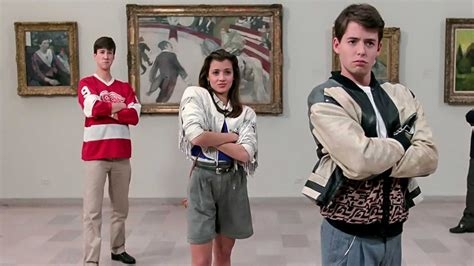
Ferris Bueller is a good film, well-made and funny, but I just don’t like Ferris at all. He’s entirely contemptible: a guy with seemingly all the advantages in the world, no serious problems in his life, but he’s entirely ungrateful for this, and prefers to spend his time in a sort of nihilistic self-obsessed reverie. In the opening of the film, addressing the camera about a politics class he’s skipping: “I don’t give a crap, ‘isms’ in my opinion are not good, I just believe in myself.” And thus sets the tone of the film: it’s Ferris’s world, we’re just living in it. It’s like we’re in a Looney Tunes short, with Ferris starring as Bugs Bunny and every other character is some variant of Elmer Fudd or Yosemite Sam: try as they might, Ferris is always one step ahead of them, and he will always win.
The adults in the movie are completely oblivious cartoon characters: his parents are perfectly fooled by his mediocre if complexe scheme, the teachers are boorish and un-engaging, and Dean Rooney is an Inspector Clouseau-like figure who is thwarted at every turn in increasingly absurd ways. All the students in his school universally adore him, as do any incidental characters who are nearby when his name is mentioned. Cameron and Jean are the only two people who act like real humans, and give some resistance to Ferris’s ways, but they become converted to his side by the end, after having been shown how to “live a little.”
As someone not born until well after this movie was made, I was a little surprised by the occasional explicit nature of some of the jokes in the film. I knew the media of the eighties was never “squeaky clean;” I’ve watched Hughes’ Christmas Vacation nearly a dozen times, and that’s about as crass as it gets, but Bueller in my mind was always in the class of “innocent” 80s movies, like Goonies or E.T, but having seen it it now definitely earns its PG-13 rating.
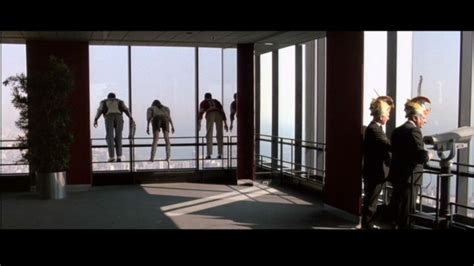
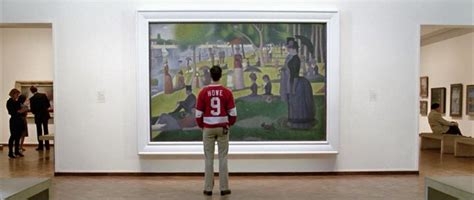
The movie’s fourth star, as it were might be Chicago itself. Hughes spent his teenage years in Northbrook after a childhood in Lansing, Michigan, and would fall in love with the city, setting most of his scripts there for the rest of his career. Ferris’s suburb was filmed in Northbrook itself, and the titular day off consists of a tour of some of Chicago’s landmarks. They visit the Sears Tower observation deck, the Stock Exchange, and the Art Institute. They attend a Cubs game as well, and interrupt the Von Stueben Day parade. It’s a great little time-capsule for the city’s past, as emphasized when Ferris remarks that the Sears Tower “… is the tallest building in the world.”
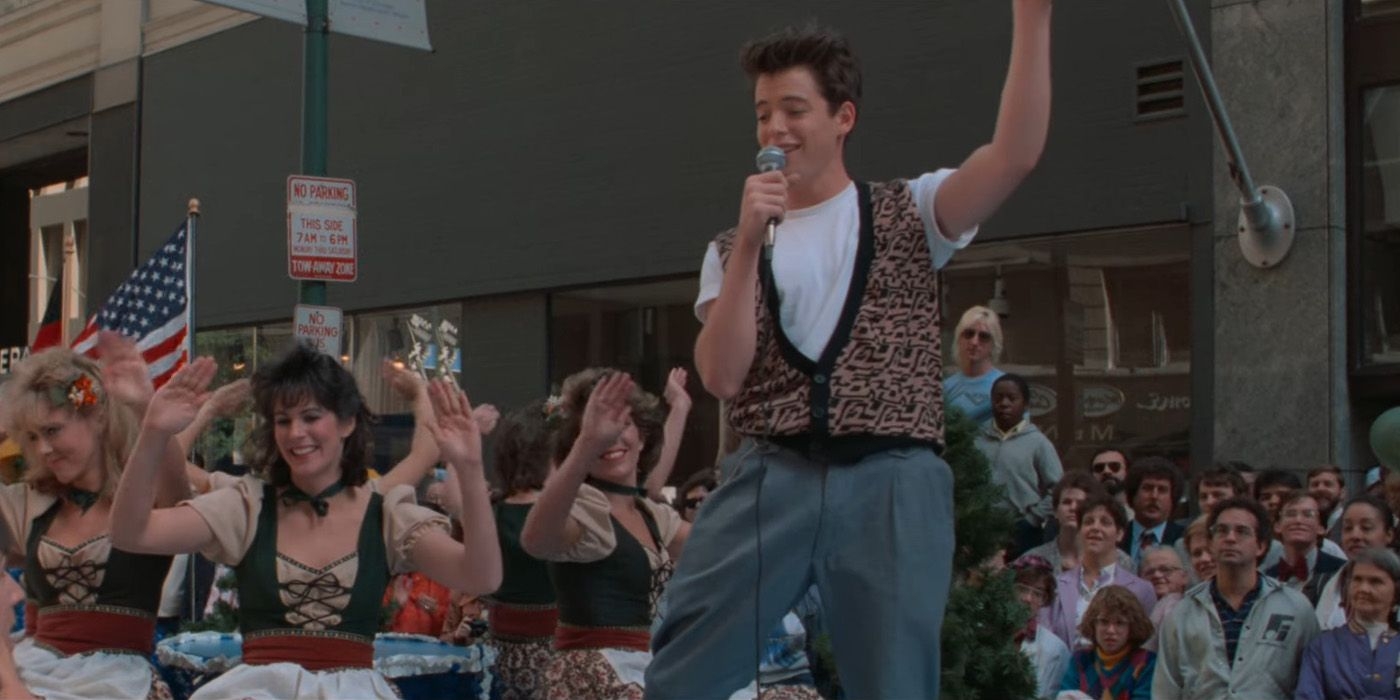
I would like to look a little deeper at this movie, which some may consider something of a fool’s errand given how light and fluffy it is. I believe that the true protagonist of the story is Cameron, not Ferris. Certainly, Ferris is the instigator of events, and he’s the one who addresses the camera, but he has no character arc, he learns no lesson, which are staples of Hughes’ teen movies. Cameron, on the other hand, treads a path very similar to that of the Hero’s Journey. He begins at home, troubled by his family, but is called to adventure by a higher power, his cunning friend Ferris. He refuses the call several times, and only embarks upon the journey after some tribulation and promises of riches (a fun day out with friends). He fights through the problems he faces until he reaches the abyss; when his father’s car is returned with too many miles on it to reverse. He falls into the pool, nearly drowns, and is reborn when he is rescued by Ferris, and is rewarded by taking control of his life by facing up to his neglectful father after he destroying his Ferrari.
In the end, Ferris Bueller’s Day Off is a fun, enjoyable movie with some clever gags and interesting stylistic choices that make it worthy of appreciation to this day. Despite my dislike of Ferris as a character, I can see why so many embrace him and his attitude, and it’s hard to dislike the peppiness and energy infusing the movie. It’s not “made” for me, but I’m still a fan.
I give it a 7 out of 10.