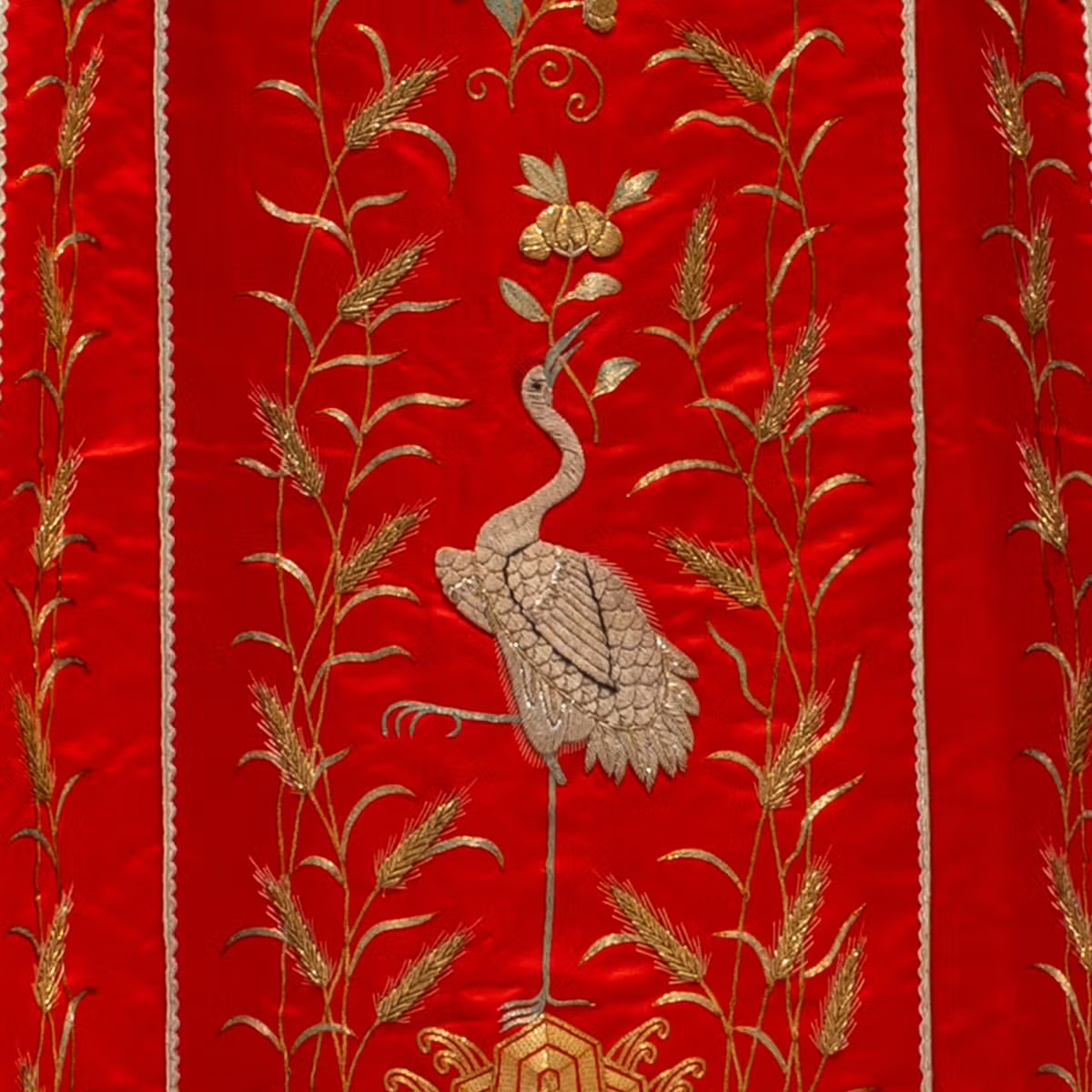
The Met has a remarkable collection of over 36,000 textiles that belong to thirteen different curatorial departments. The wondrous textiles are managed and stored at The Met in the "Antonio Ratti Textile Study and Storage Center." In 1995, The Met opened the textile center following a major grant from Fondazione Antonio Ratti of Como, Italy. The center is located at the museum under the Medieval Art galleries, where the 19,000 square foot innovative facility includes storage and study rooms, a reference library, and a quiet gallery that exhibits highlights from the textile collection.
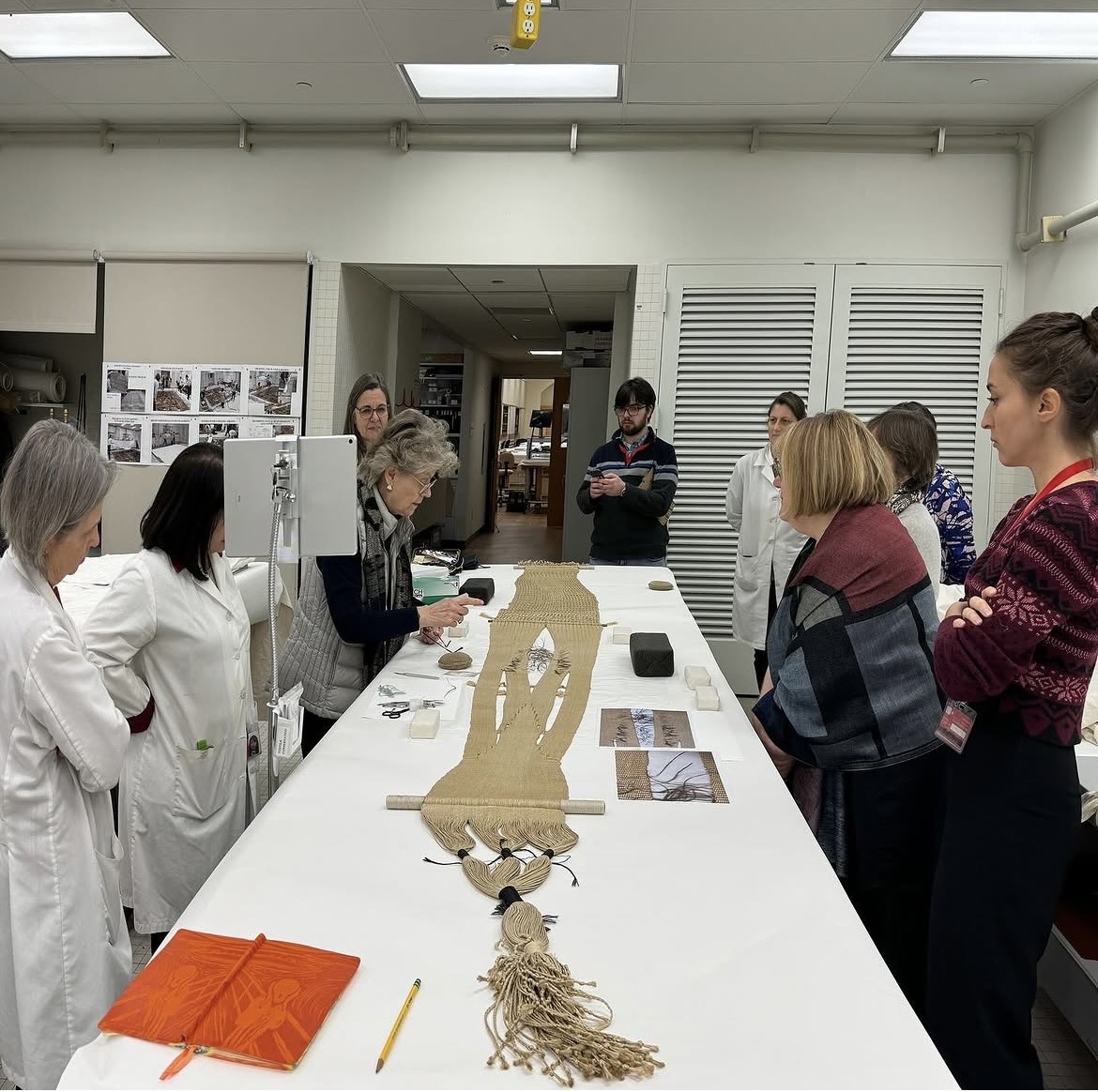
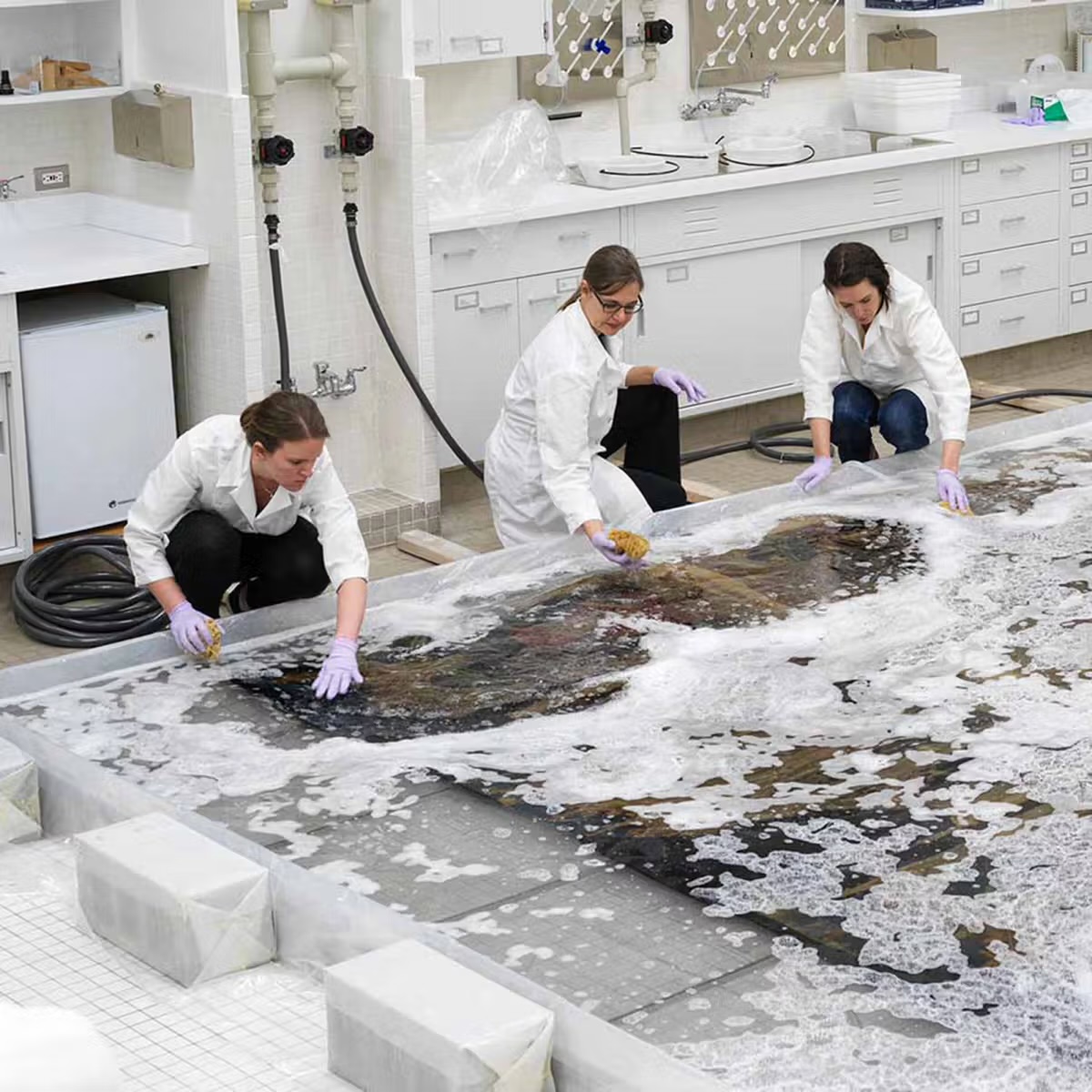
The Met's Department of Textile Conservation uses the center to study and conserve the collection, and the department's object-centered method focuses on detailed examination of materials and techniques, together with historical and scientific analyses that are instrumental to comprehending the grand narrative. The textiles are exquisite, three dimensional, and follow human history, and the stellar collection at The Met ranges from ancient to modern civilizations.
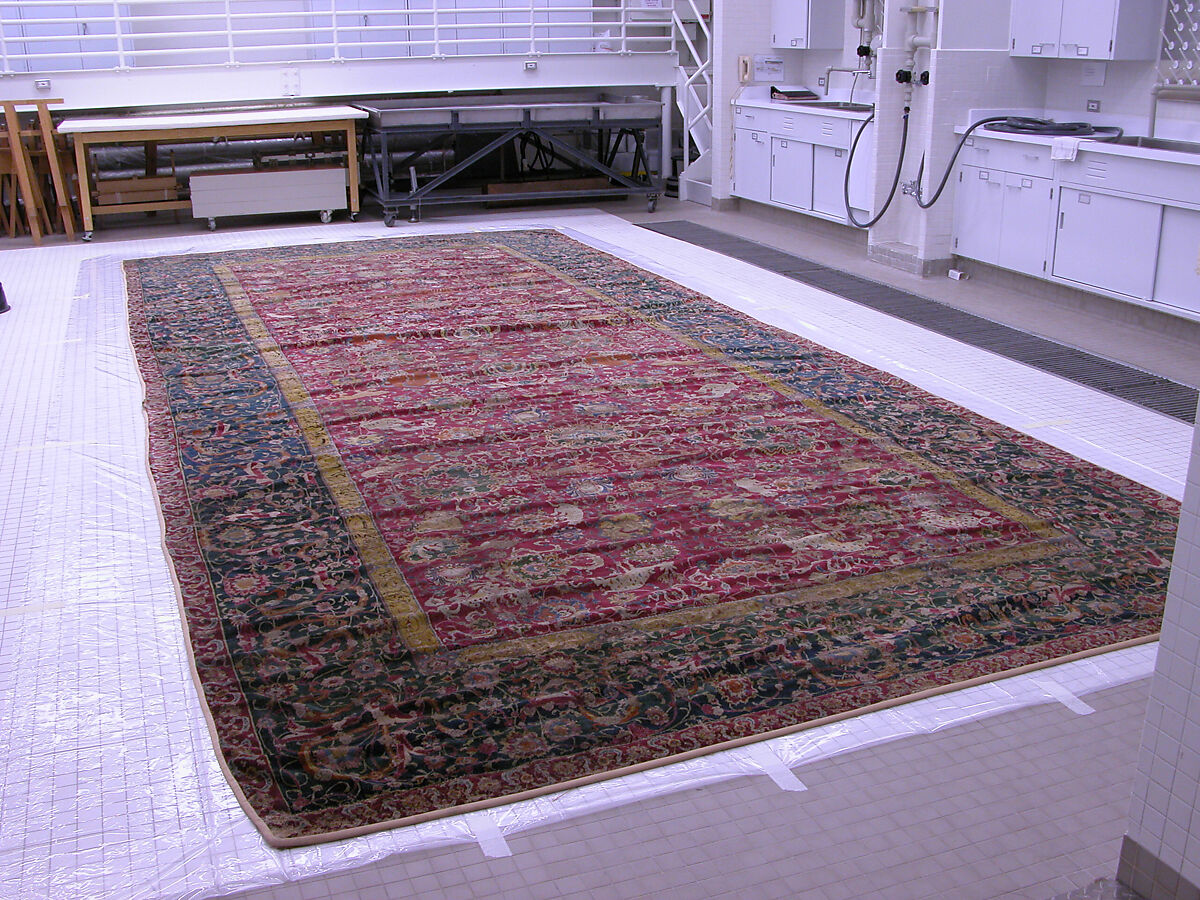
In September of 2013 The Met opened an exhibition entitled Interwoven Globe: The Worldwide Textile Trade, 1500–1800. The exhibition explored the trade of textiles during the age of discovery, when textiles were the form of currency for the European traders traveling to India, Asia, and later to the Americas. Trading textiles introduced materials and skills of different cultures, as well as the unique designs they created. The exhibition featured 134 works with approximately 90 from the collection and the rest from national and international loans. The works included flat textiles, costumes, clergy garments, furniture, paintings, and drawings.
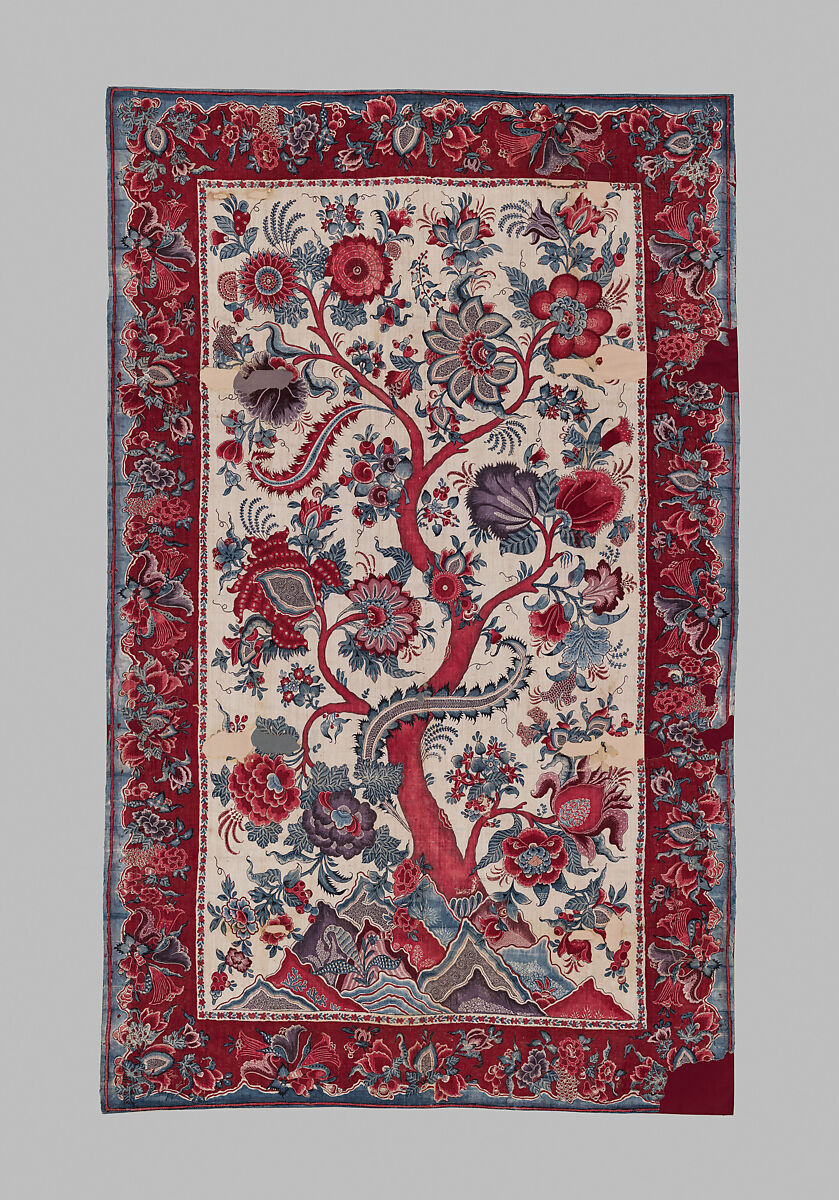
One object on view was an early eighteenth century Indian Palampore, made for the Sri Lankan market, probably for European communities. Palampores often functioned as wall decorations and lavish coverings for tables and beds. This specific Palampore, made of painted and dyed cotton, measured 44-9/16 x 72 inches. The imagery was rich in red and showed a fruit and flower tree in the form of a serpent, growing out of a stylized rocky mound.
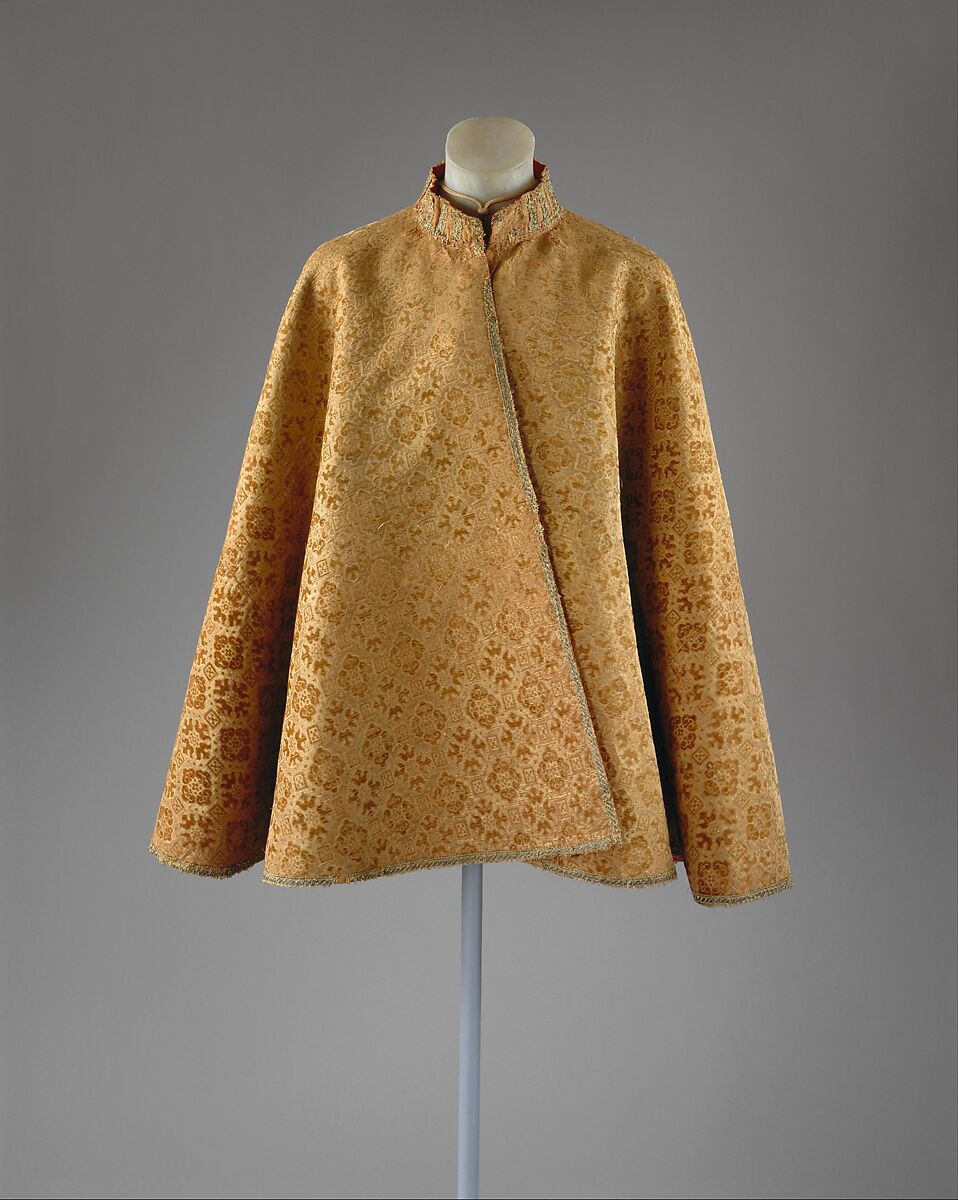
Another object was a French Cape from the second half of the sixteenth century. Visitors could note the beauty of East and West coming together. The Cape was made of orange silk from the Ming Dynasty (the last imperial dynasty of China ruled by the Hahn people). The style was European, while the gold thread was a Chinese element. The Cape was finished with a gilded paper that was lustered on the orange silk.
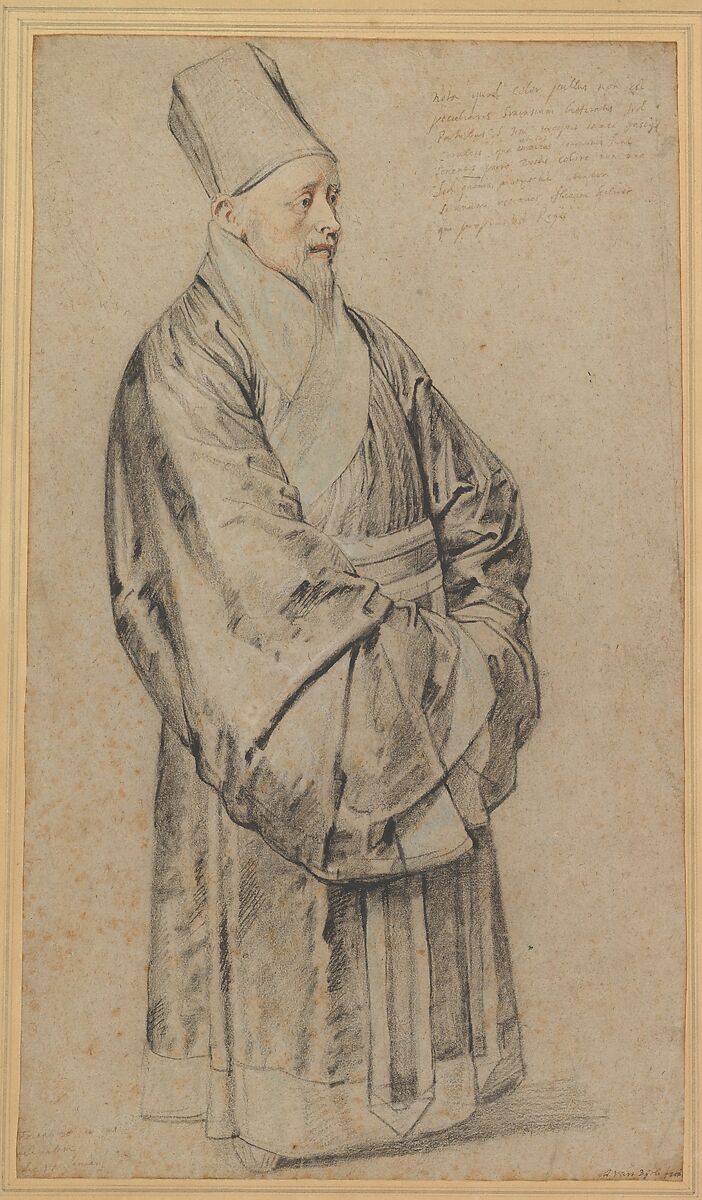
One of the walls in the exhibition displayed a superb seventeenth century drawing by Flemish artist Peter Paul Rubens (1577–1640). The 1617 drawing was a costume study of Nicolas Trigault who was a Flemish Jesuit missionary to China. Rubens created the work when Trigault visited Antwerp for fundraising and recruitment. Rubens drew Trigault wearing a Korean cap and a Chinese robe of a scholar. The costume expressed the desire to show respect to Chinese culture. Rubens masterfully drew the robe's cut, texture, and weight. In addition, he employed beautiful colors and added an inscription in Latin.
The wonderful exhibition closed in the beginning of 2014, and currently can be accessed online at metmuseum.org.
The "Antonio Ratti Textile Study and Storage Center" is open to the public Monday, Tuesday, Thursday, Friday 10am–12:30pm and 2–4pm. Visitors who are interested in viewing and learning about specific objects could schedule appointments in advance. For more information go to metmuseum.org.