Detroit is not the first place one thinks of for a get-a-way weekend. Despite reports of the city’s rumored revival since its 2013 bankruptcy, there are many other locations a four-hour drive from Chicago with more apparent appeal.
We had heard from friends that there were many attractions in Detroit, but it wasn’t until we decided to meet our Toronto-based daughter at a halfway point to exchange some household goods that we settled on Detroit for a quick visit.
The Internet led us to an unusual hotel in the Corktown neighborhood, an area about which we knew nothing. The hotel, called Trumbull and Porter, sounded like a traditional British-influenced establishment. To our delight, it turned out to be a totally reconceived Holiday Inn from the 1950s that had been renovated by area artists, named for its street intersection.
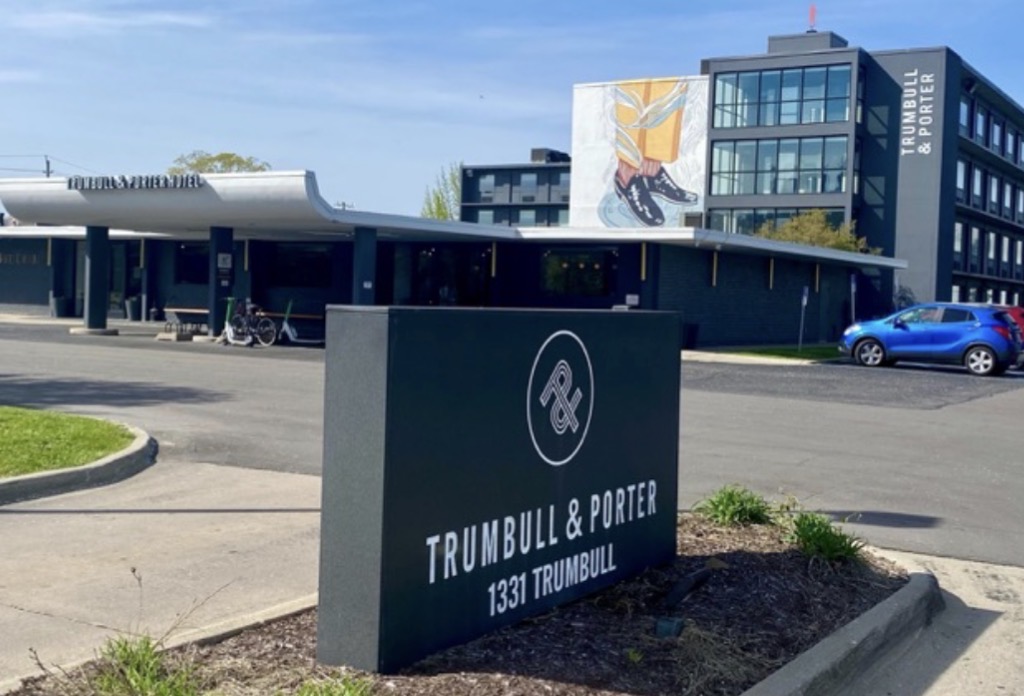
“Trumbull & Porter is proud to support the local artisan community through not only the curation of art, but with its art outreach programs, including hosting social gatherings bringing artists together, hosting art talks, promoting local artists studio tours, and through the creation of an art book and postcards,” reads its in-room book of artists.
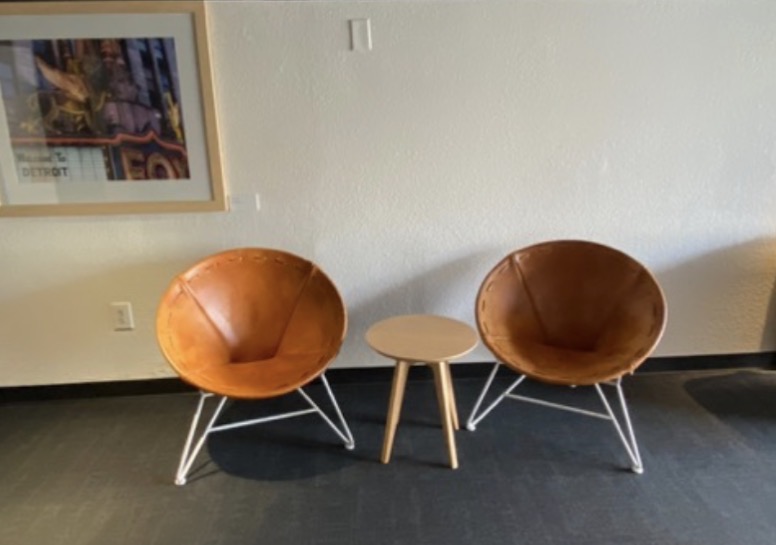
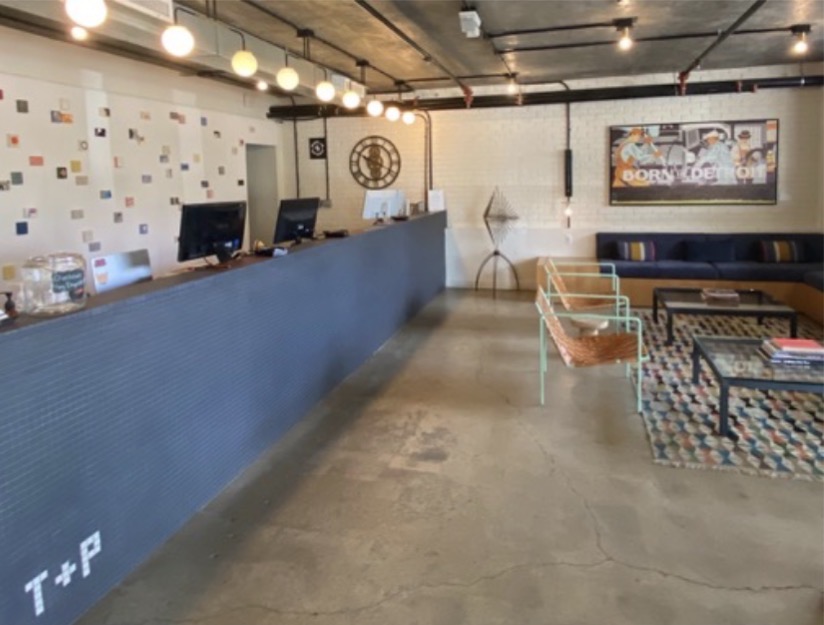
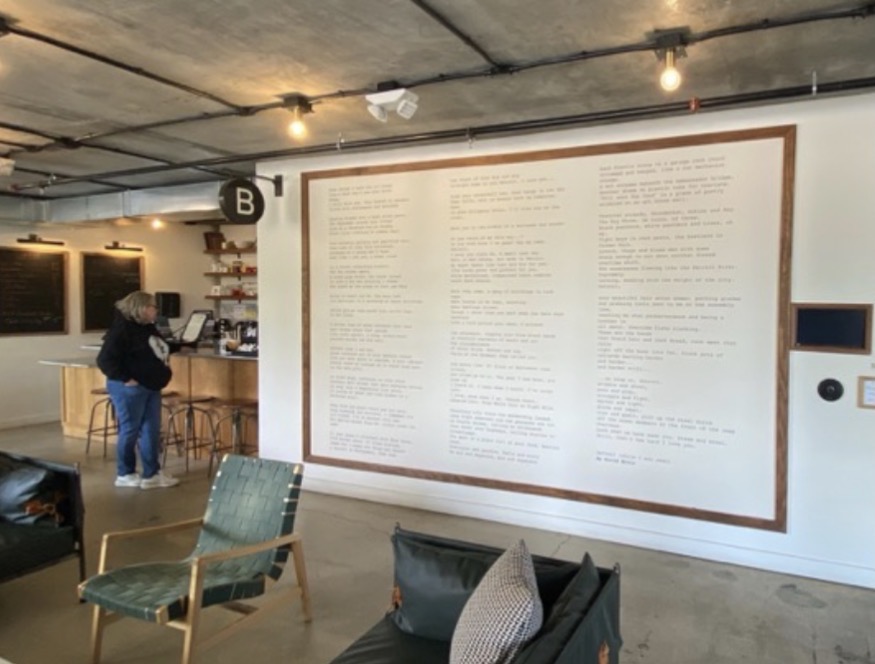
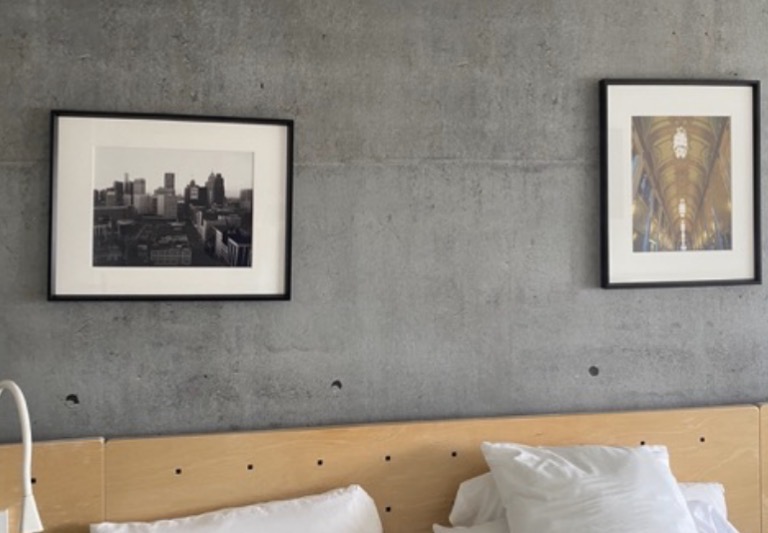
This statement of purpose is evident throughout the hotel. Elegant midcentury leather chairs grace the hallways. Poetry, drawings, unique tiles, and period artifacts decorate the lobby. In the stylish bedrooms, wallpaper mimics cinderblock, and photographs highlight Detroit streetscapes.
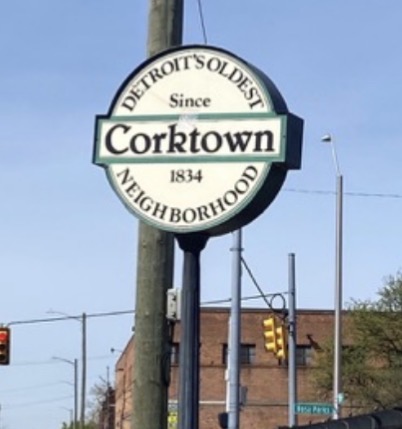
Corktown, it turns out, is the oldest neighborhood in Detroit, settled in the mid 19th century by Irish from County Cork, escaping poverty and the potato famine. Irish immigrants found work in shipbuilding, railcar, and stove-making factories. Corktown also attracted laborers from the Mediterranean island of Malta, eventually housing the largest Maltese population in the US. In the 20th century.
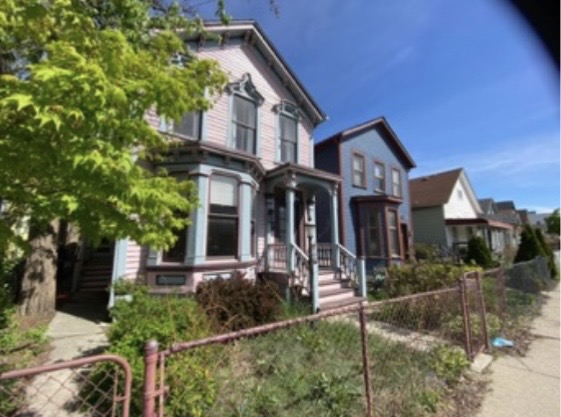
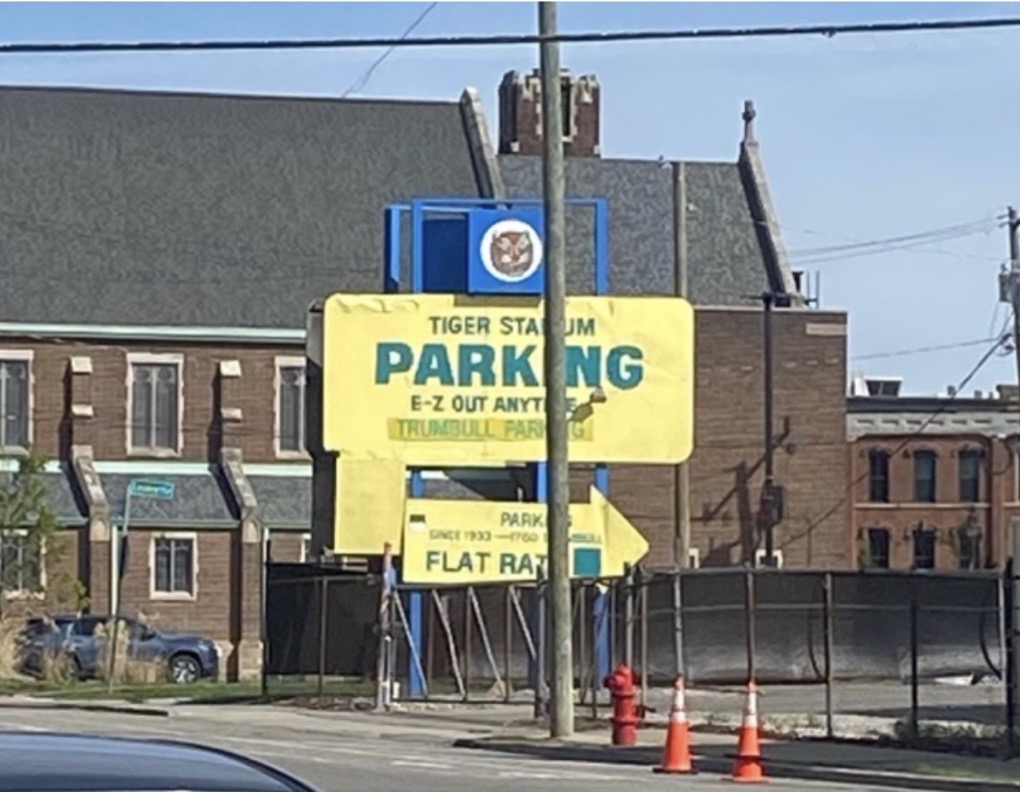
Detroit became “Motor City” with the rise of the automobile industry after 1900. Ford, General Motors, and Chrysler overtook many smaller automobile factories to dominate the industrial base. Detroit welcomed African American laborers migrating from the south, but decades of segregation created by discriminatory housing policy resulted in a Black underclass. Riots in the 1960s, white residential and corporate flight to the suburbs exacerbated by civic mismanagement led to bankruptcy in 2013. The city barely escaped selling world-class art in its renowned Institute of Arts. The bankruptcy, three terms of a visionary mayor, and corporate investment began a revival that continues today. Corktown is just one neighborhood that benefitted.
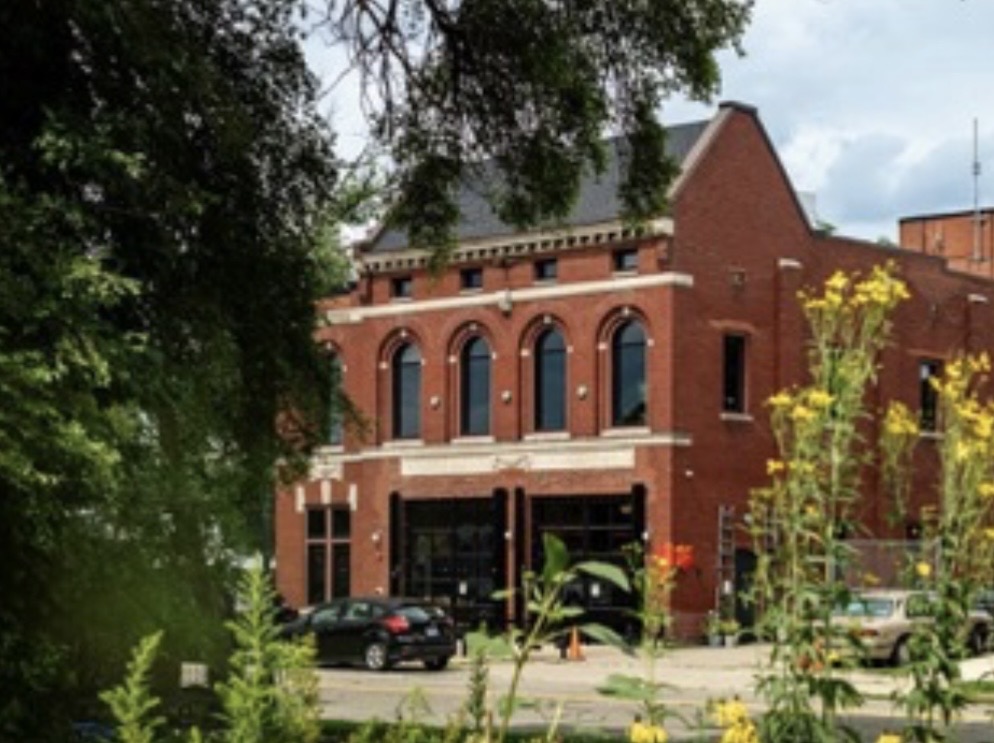
Our brief exploration of Detroit began with our first dinner, just west of Corktown, at the Ladder 4 Wine Bar, a converted fire station. Opened in 2022 with a creative menu featuring local produce and an adventurous wine list, it earned a “Best New Restaurant” honor in 2023, among other awards. Outdoor seating in the summer fills the rear courtyard adjacent to the original stables for the horses that once pulled the fire engines.
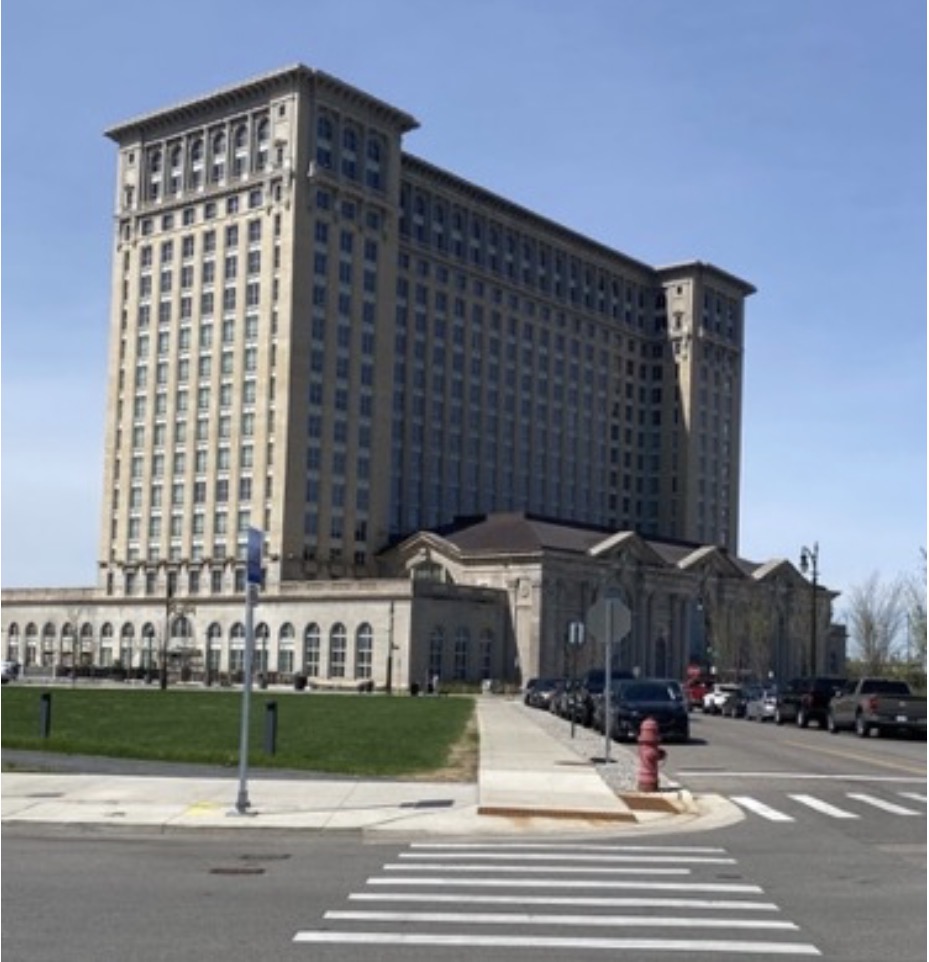
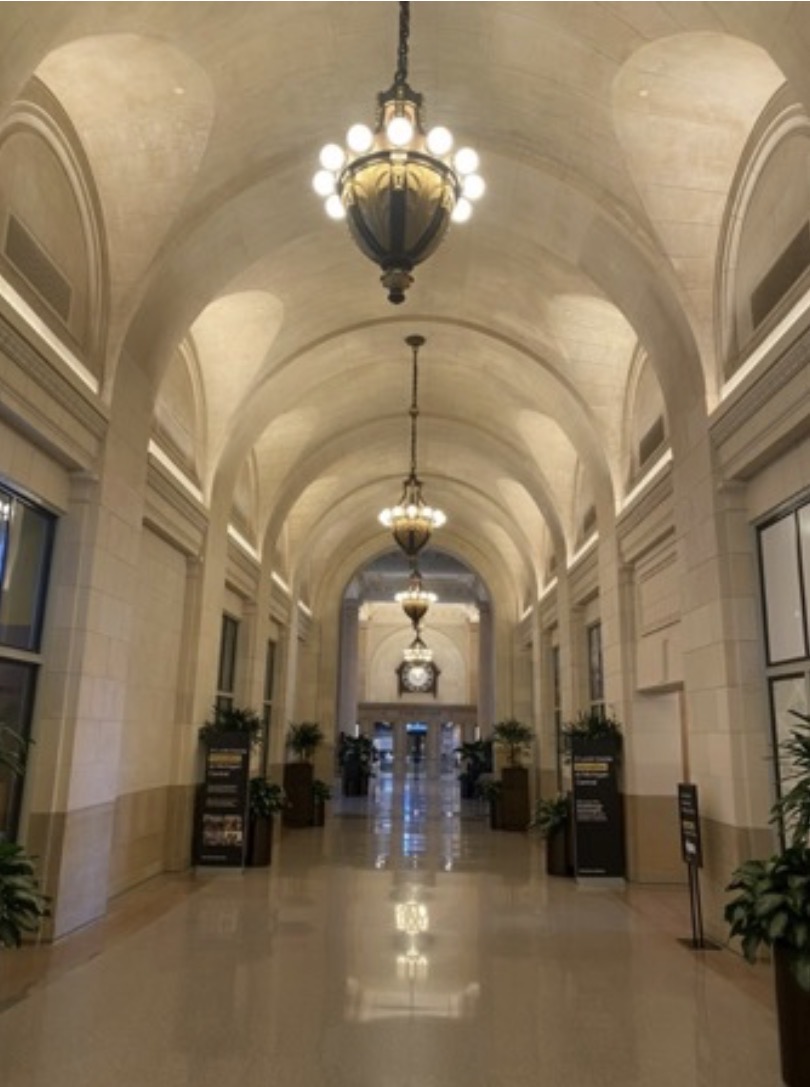
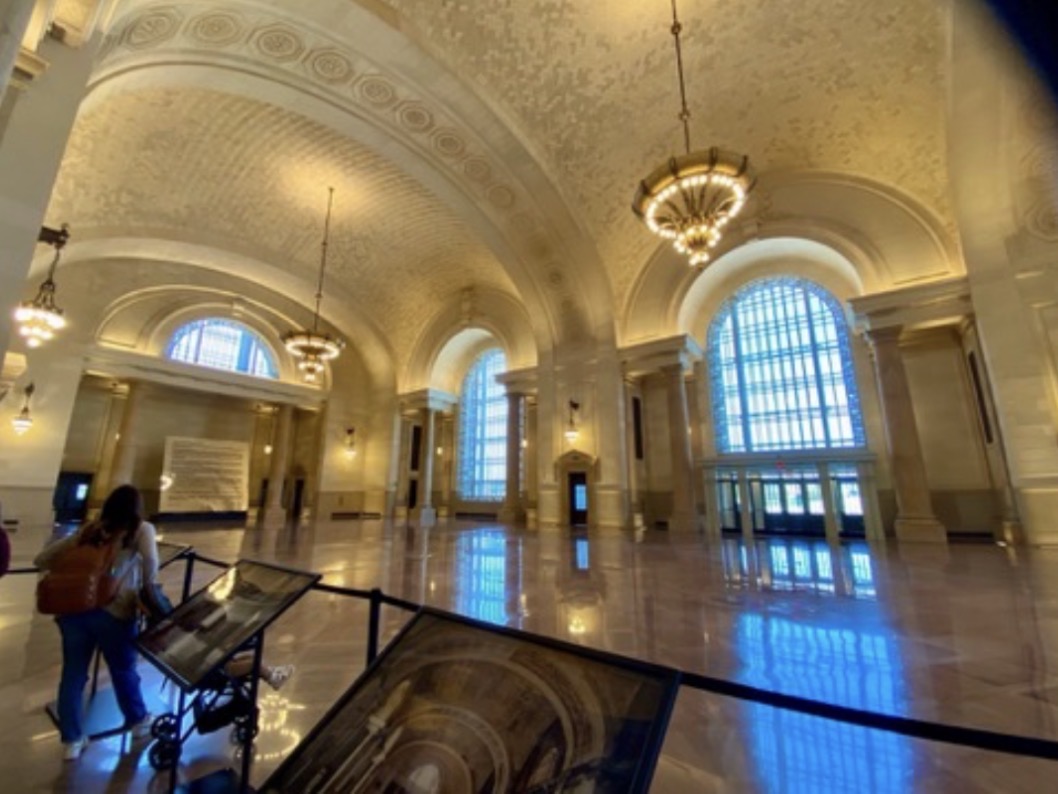
The next morning, we headed to the city’s most dramatic transformation, the Michigan Central railroad station, its office tower visible from our hotel. Once the bustling Detroit link to the rest of the country, Michigan Central was abandoned in 1988 and stood vacant for 20 years. It survived only because the city could not afford to tear it down. Saved from near collapse in 2018, the graffiti-covered ruin was rescued through a billion-dollar renovation by the Ford Motor Company. It took two years just to stabilize the structure before true renovation could begin. Restored to its former 1913 glory, the station includes stunning public areas, shops, Ford’s innovation center, and other offices. A hotel is planned for the top floors.
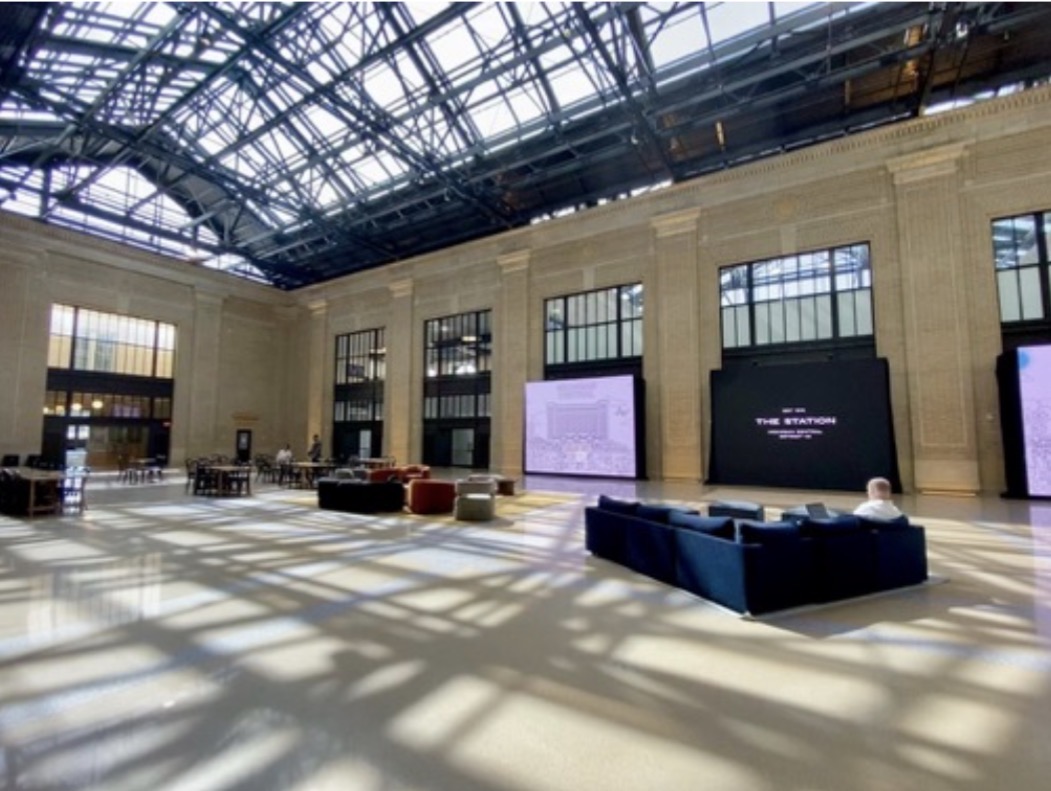
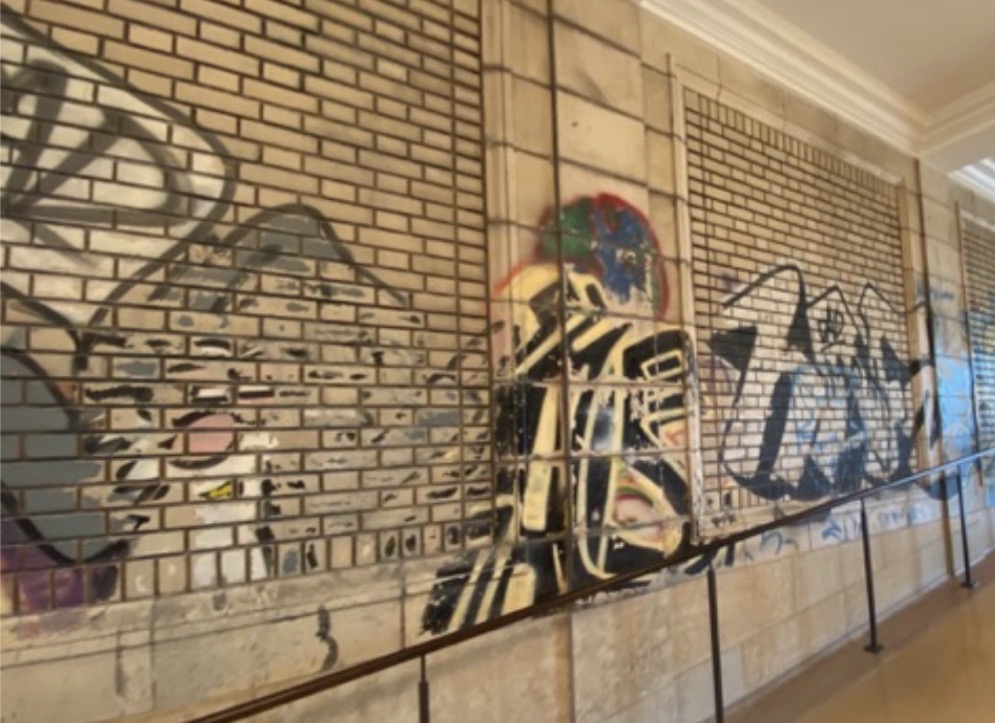
Nick Walny, Director of Community Development for Franklin Park, grew up near Detroit and is a true fan. Exploring the city with friends from Wayne State University inspired him to study city planning. He became aware of Detroit’s potential. “It’s a pretty magical place. It’s just the friendliness of the people…like southern charm in the Midwest…people will talk to you…In Detroit, everyone is extremely nice and thoughtful and want you to like Detroit…you should go here…” He’s followed the city’s evolution and noted the upward momentum had started before the renovation of Michigan Central that put it over the top. “There’s a culture there like New Orleans.”
From the stunning station, we headed to the Detroit Institute of the Arts, home to one of the nations’ top six collections. A signature gallery is the Diego Rivera courtyard containing his fresco cycle Detroit Industry, commissioned by the museum and underwritten by Ford. We were struck by the hints at environmental problems in the murals, shown through green faces of workers exposed to formaldehyde in the sandcasting process. With over 65,000 works of art, DIA’s widely diverse galleries encompass centuries of paintings, sculptures, and artifacts; our few hours’ exploration cried for a return visit.
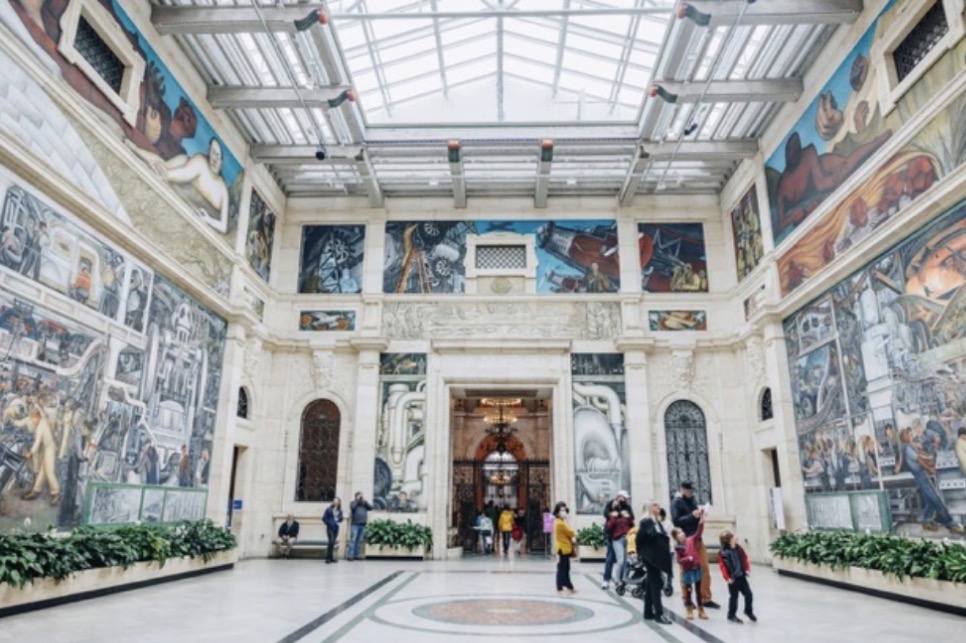
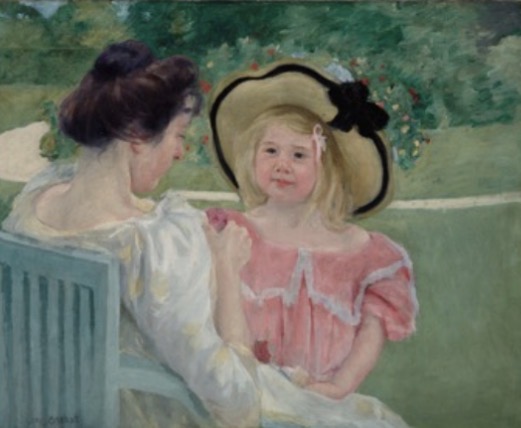

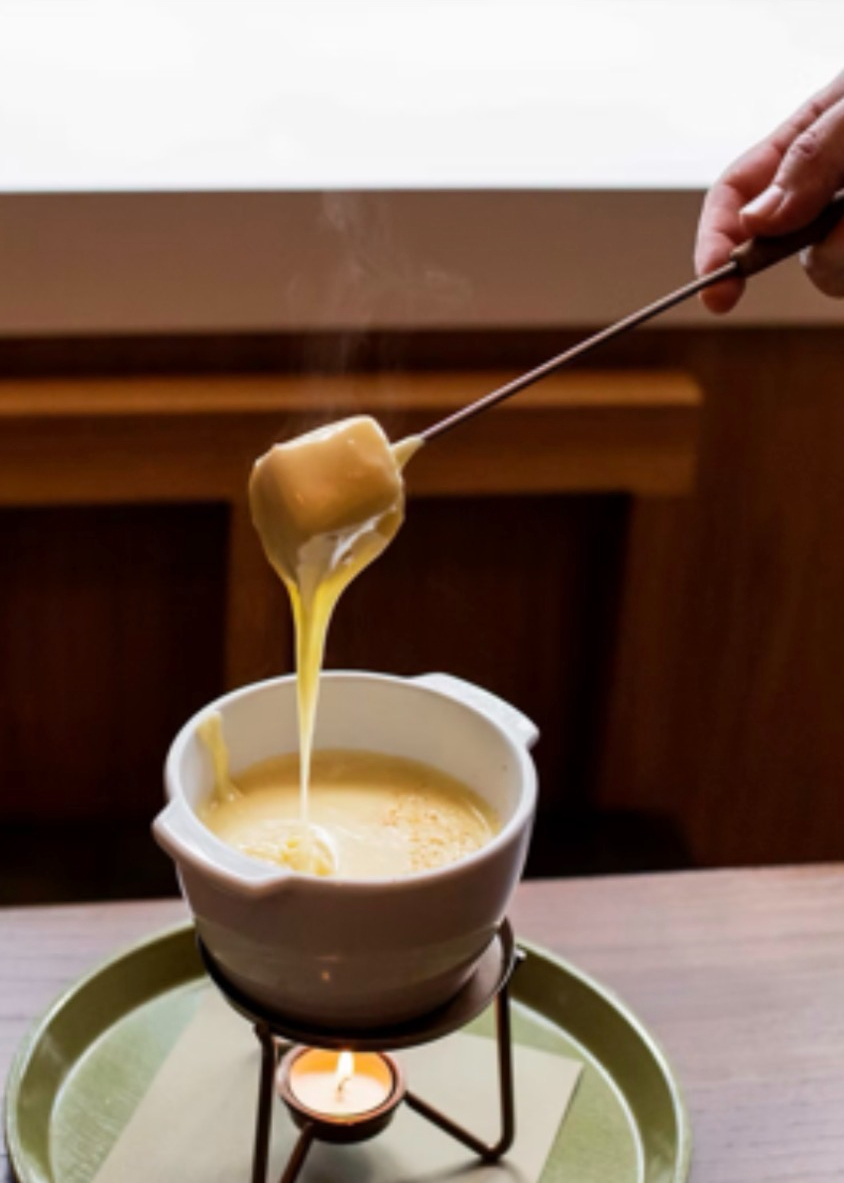
Continuing our Detroit culinary exploration, at dinner we ate, again just two blocks from our hotel, at Alpino, inspired by the alpine cuisine and lifestyle of the French, Italian, and German alps. Expressing the neighborhood spirit, one of the restaurant’s values is community: “We embrace a community of one where everyone has an opportunity to reach their fullest potential.” Menu items included cheese fondue and gurkensalat (cucumbers and dill).
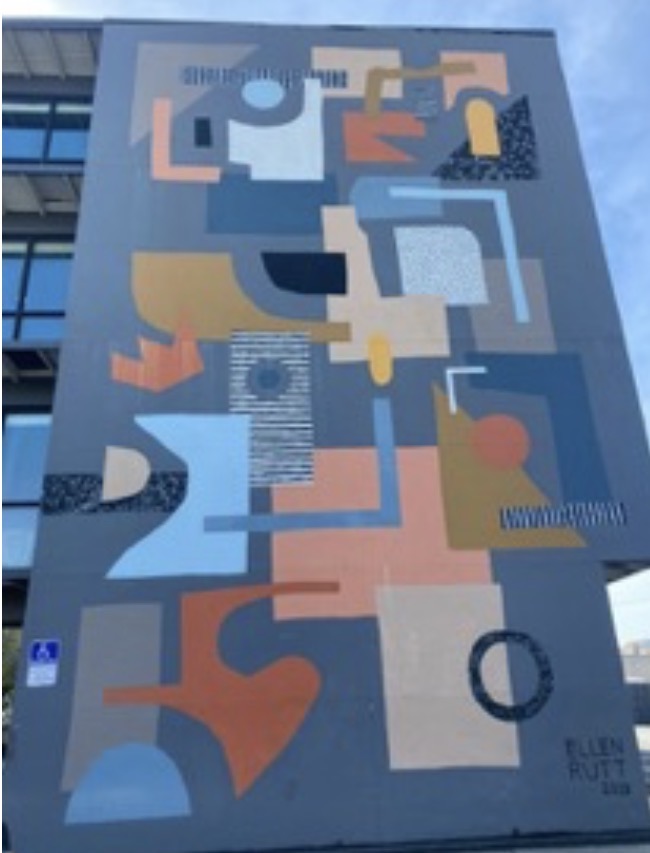
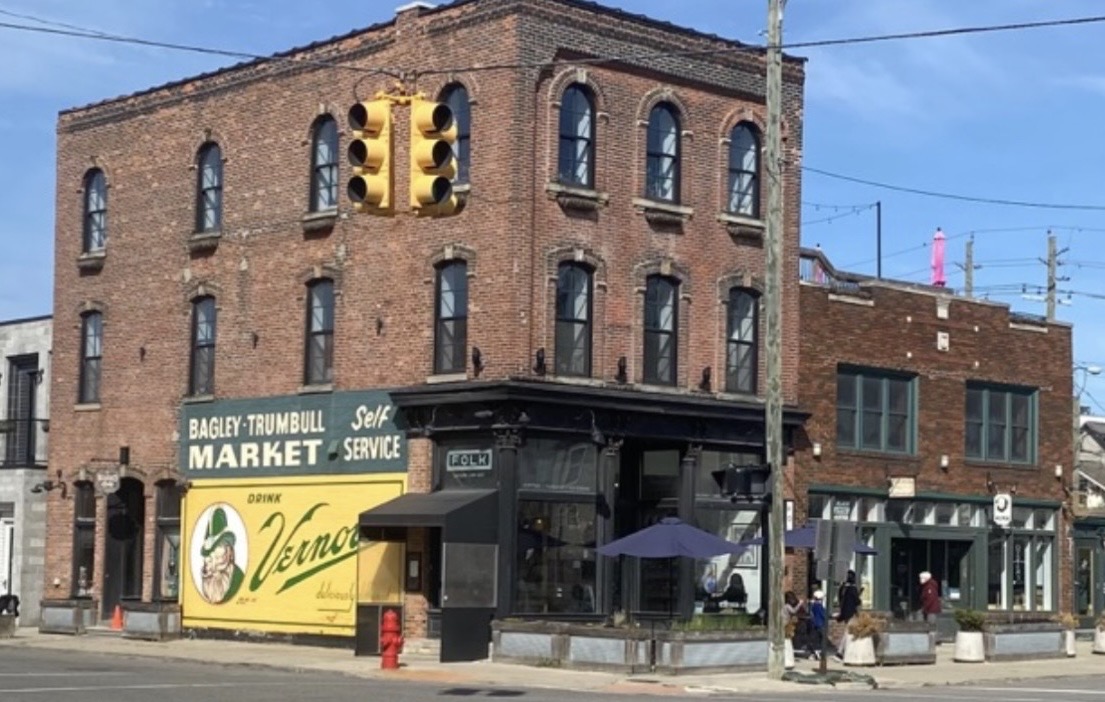
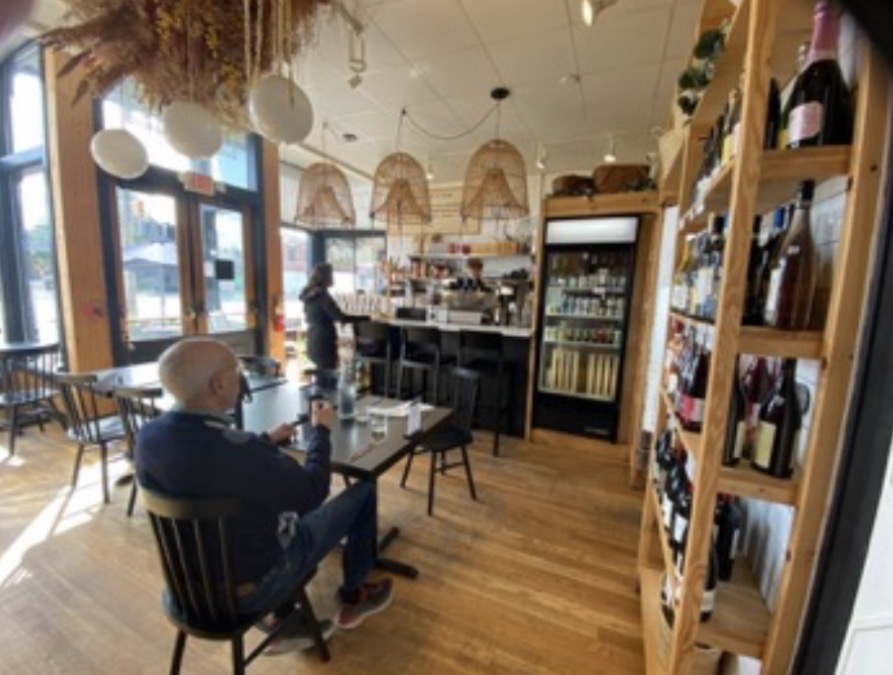
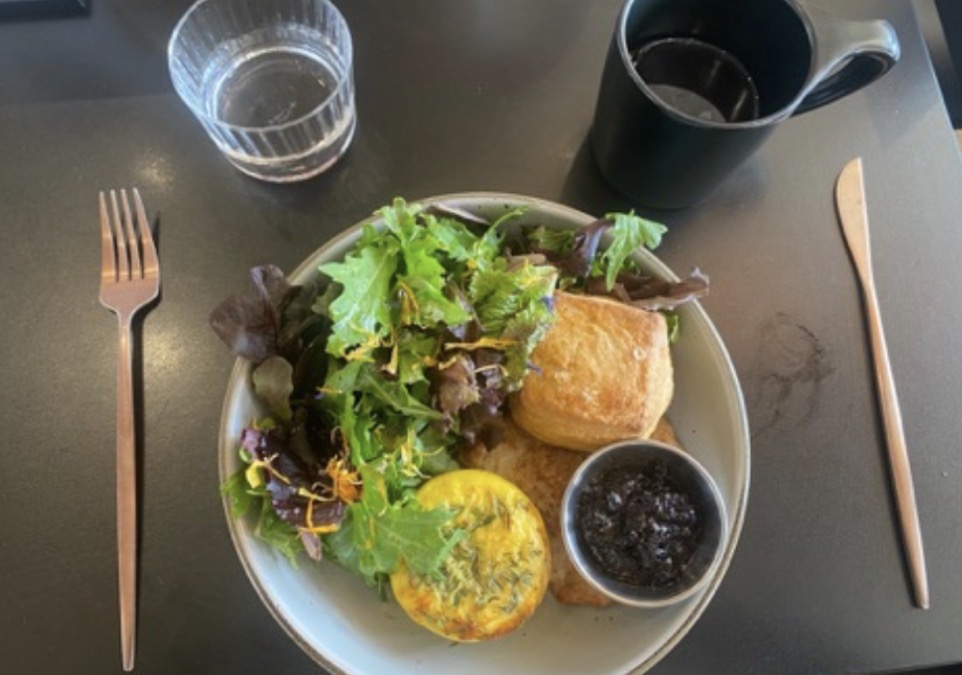
Just across the street, for our final breakfast we found a small café called “Folk” that fit the tone of the neighborhood. Sharing a block with trendy boutiques, the building features a large Vernors Ginger Ale mural, promoting one of Detroit’s best known non-automobile exports. Folk is tiny but packed with trendy cookbooks, wine, and food products and offers a small but delicious breakfast and lunch menu. Its motto, “Where Community Meets Quality,” similarly reflects the aura of the area. Folk has a sister gift shop in Michigan Central. John, on the Folk staff for four years, moved to the city for more career opportunities: “Things are definitely changing since the bankruptcy…the people in charge have done a great job…it’s wonderful.”
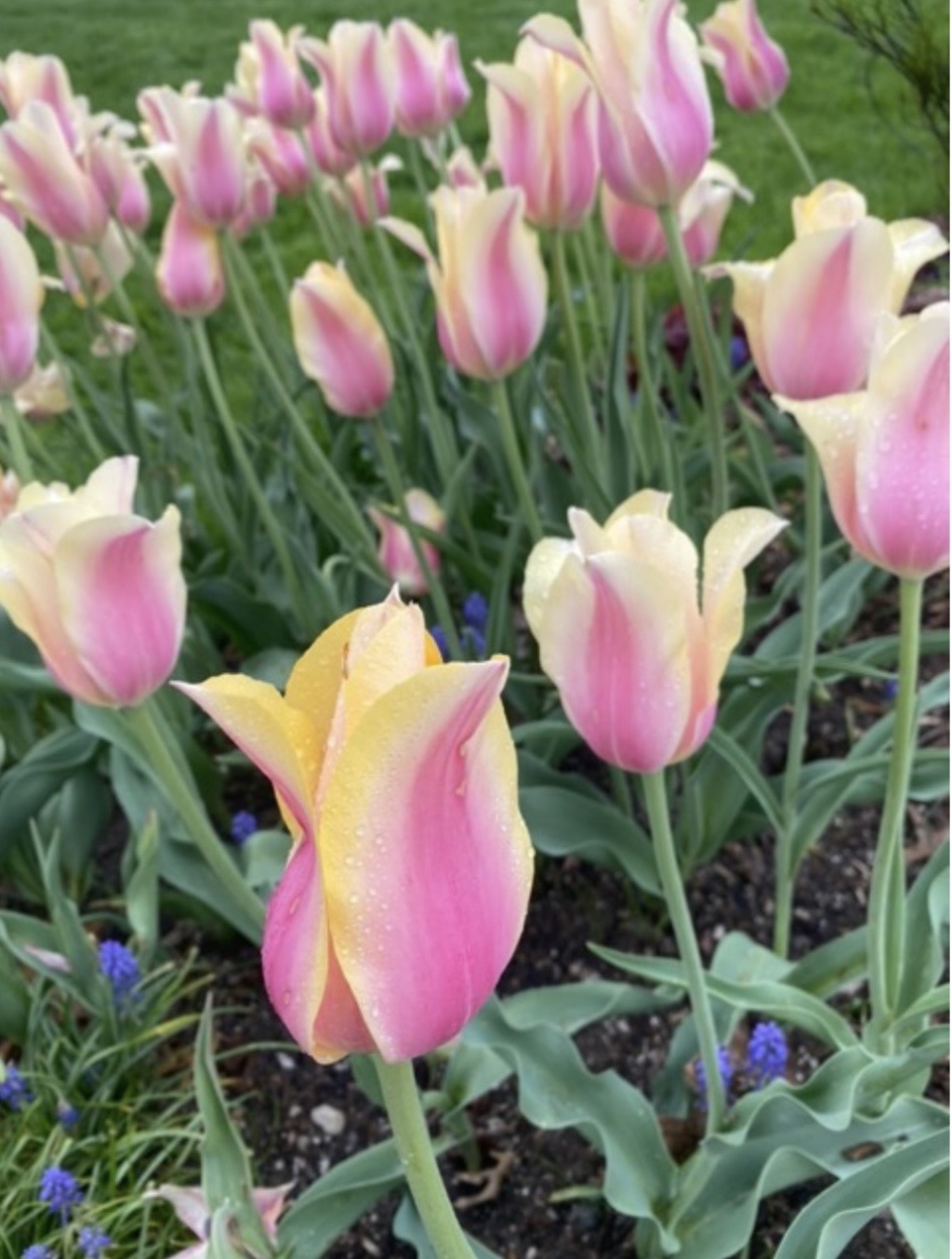
Having sent our daughter on her way to Canada with boxes of possessions, we headed for Chicago. Consulting the map, we saw that we could swing through Holland, Michigan, famed for its Tulip Festival, due to open May 1, a few days away. We guessed that many tulips must already be in bloom, so we planned on lunch among the flowers.
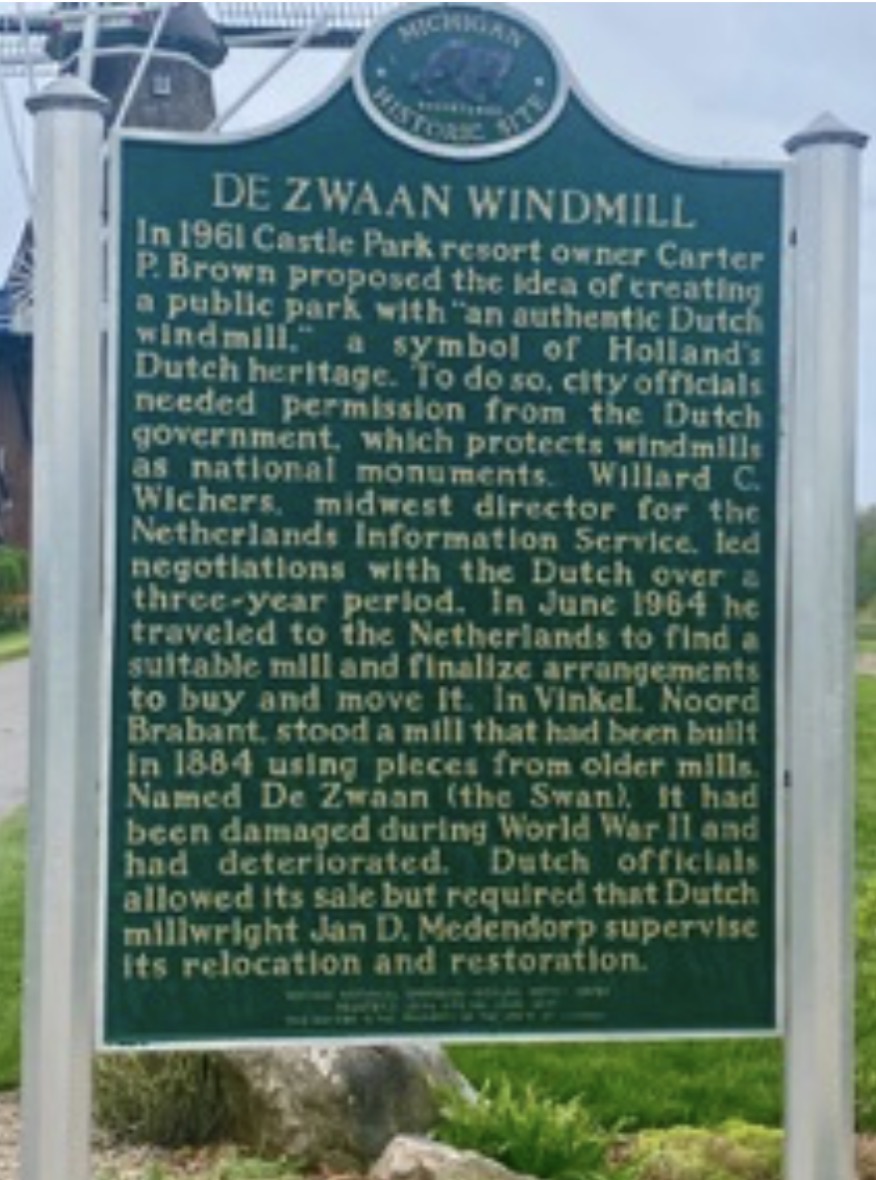
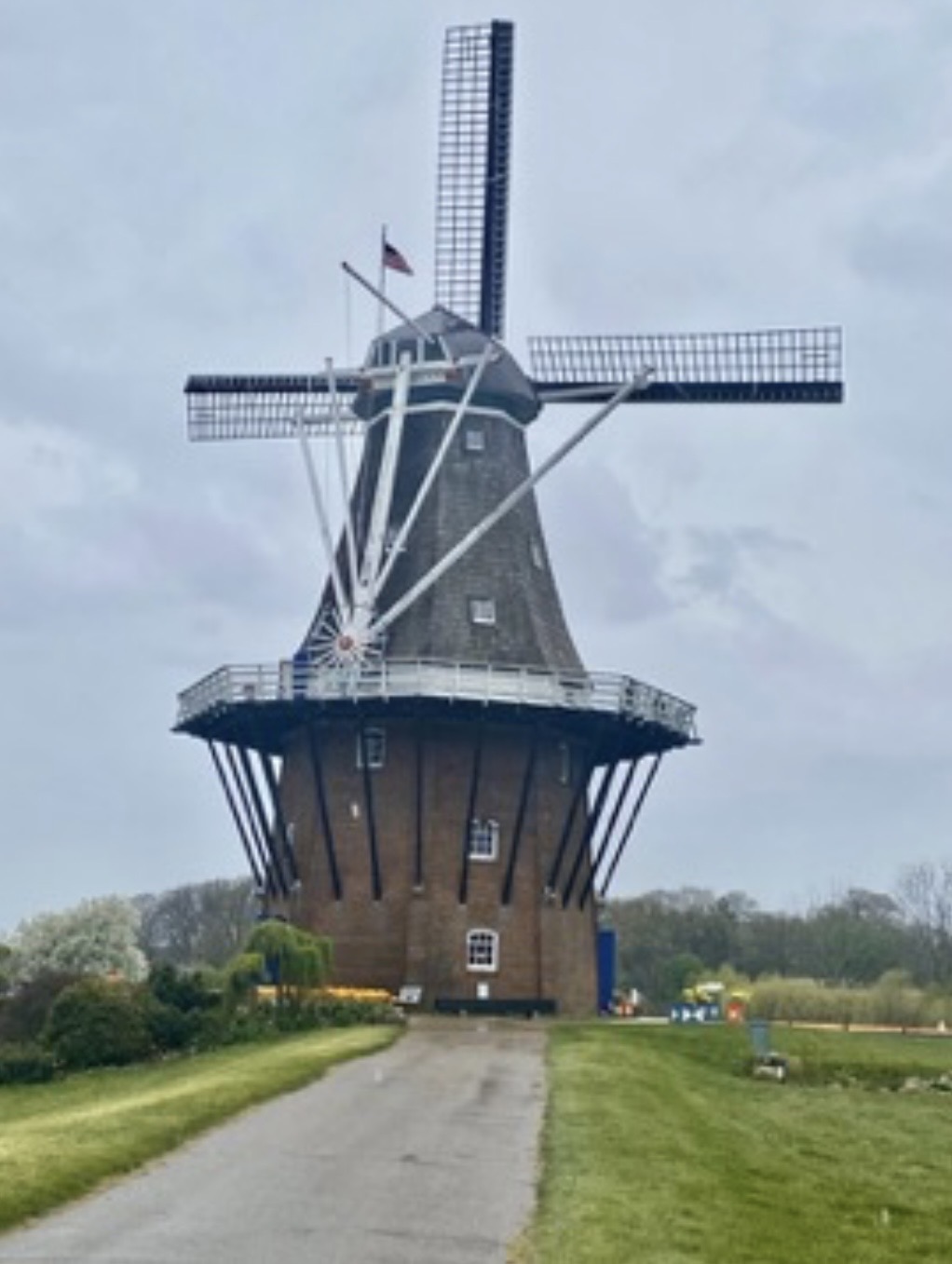
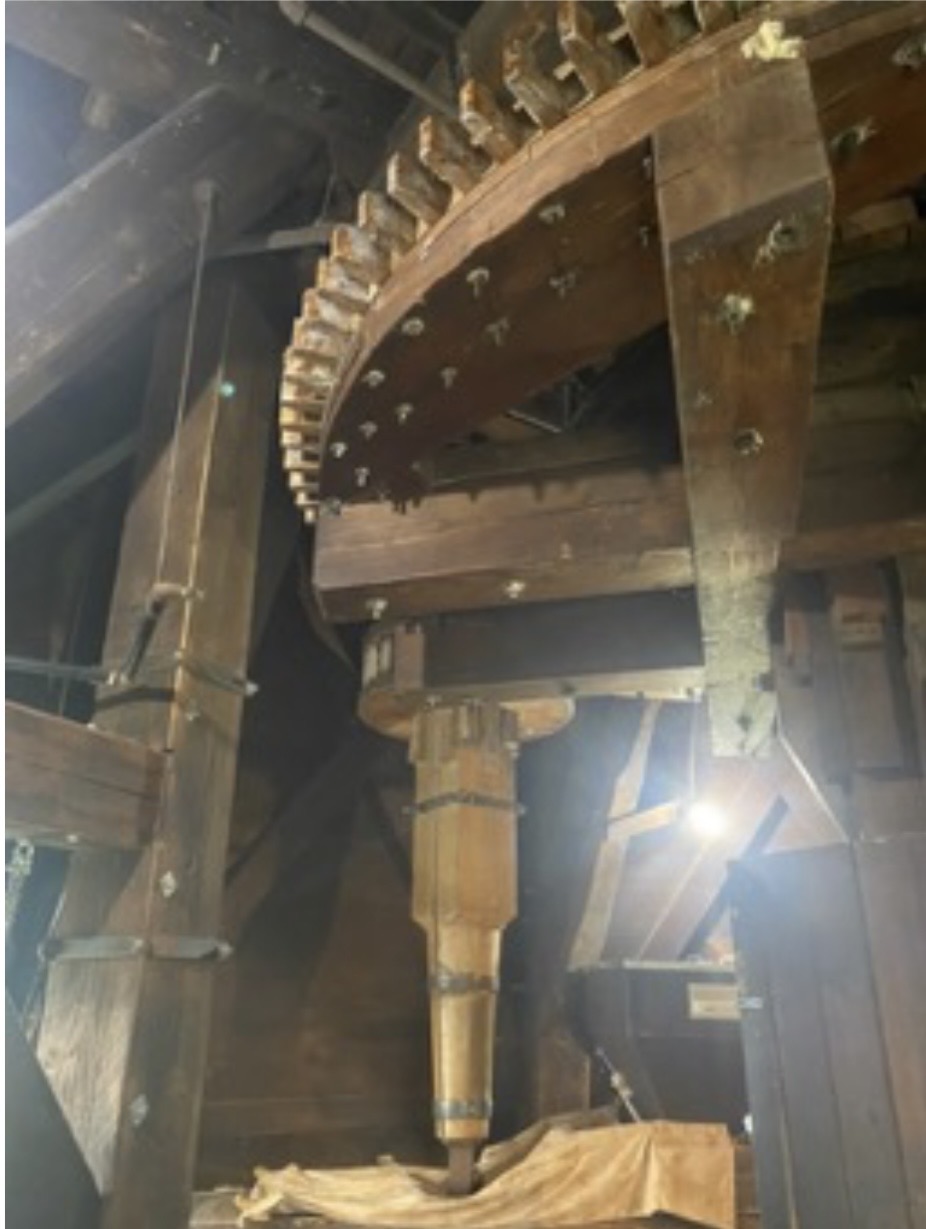
I had not been to Holland for many, many years, having gone to summer camp in the area. We had explored the tulip fields in the Skagit Valley, WA and were interested to see more displays of my favorite spring blossom. Gray skies did not discourage us as we pulled into one of the area’s main attractions, the Windmill Island Gardens, just as the rain started. We took refuge in the windmill itself, the only authentic Dutch windmill still functioning in the US.
Braving the rain, we left the windmill and sampled the tulips, thankfully in full bloom five days before the start of the festival. A return trip to Michigan is definitely in order, not only for the tulips and the DIA, but also much longer exploration of Detroit!