Since 2002 FAR has been headed by Ratti’s daughter, artist Annie Ratti (b. 1956 in Como). For decades, FAR has been promoting research and supporting emerging artists in a progressive and an open environment. The annual program named “Artists' Research Laboratory” (CSAV) was conceived by Annie Ratti in 1995, bringing young artists to research their work through experimentation, and to dialogue with contemporary art visionaries. FAR has also been conducting workshops, seminars, and lectures, focusing on topics that include textile history, art theory, cinema, and culture.
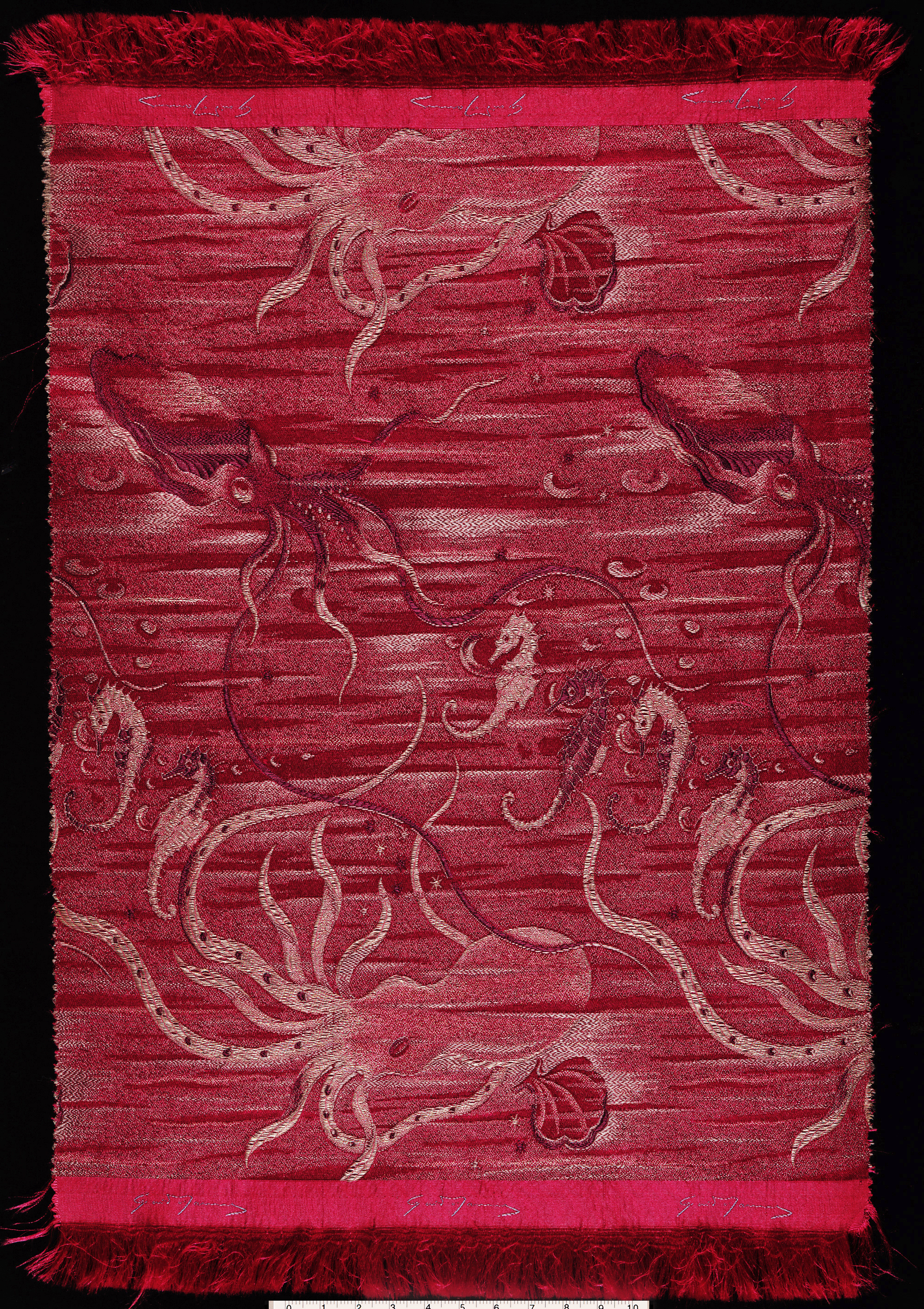
The collection of Antonio Ratti at FAR includes more than 30,000 pieces of textiles, and a library of over 7,800 volumes that concentrate on textiles, crafts, fashion, and visual arts. Employing research, FAR organizes exhibitions where antique textiles from the collection connect with contemporary works of art. In addition, FAR’s beautiful sculpture garden displays site-specific works where visitors and experts from different fields could gather and exchange thoughts and ideas.
On a visit in March of 2026, I saw several superb pieces from Antonio Ratti’s antique textile collection that were exhibited with contemporary works of art in “Animal Stories,” an exhibition currently on view. It was magnificent to be surrounded by historical fabrics with images of animals, and reflect on the dialogue of contemporary works of visual art that focused on the role of animals in our ecosystem.
“Animal Stories” shows pieces with animal images from the past two hundred years in dialogue with contemporary works by international artists Francis Alÿs, Moyra Davey, Joan Jonas, Luigi Ontani, Walid Raad, Annie Ratti and Shimabuku.
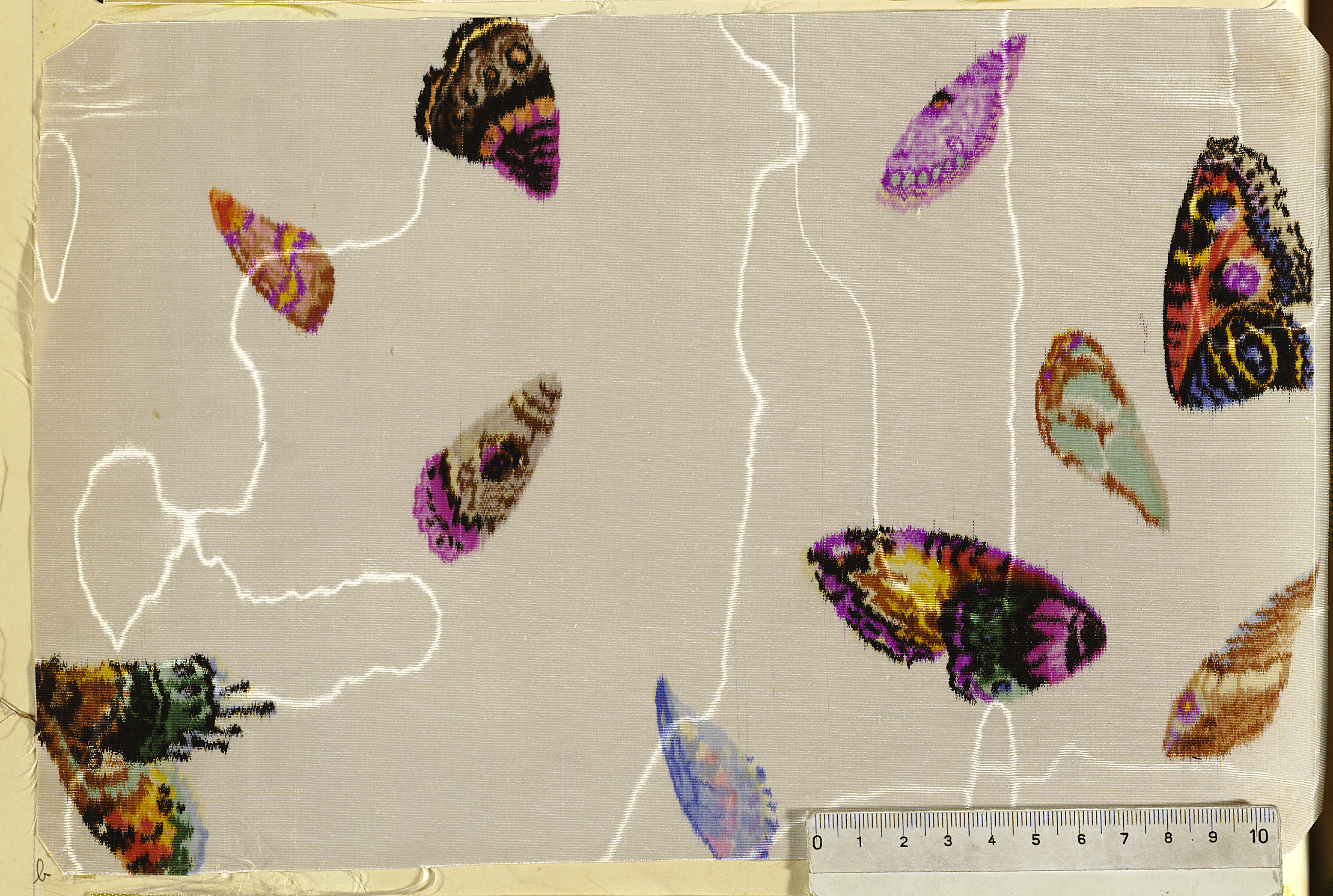
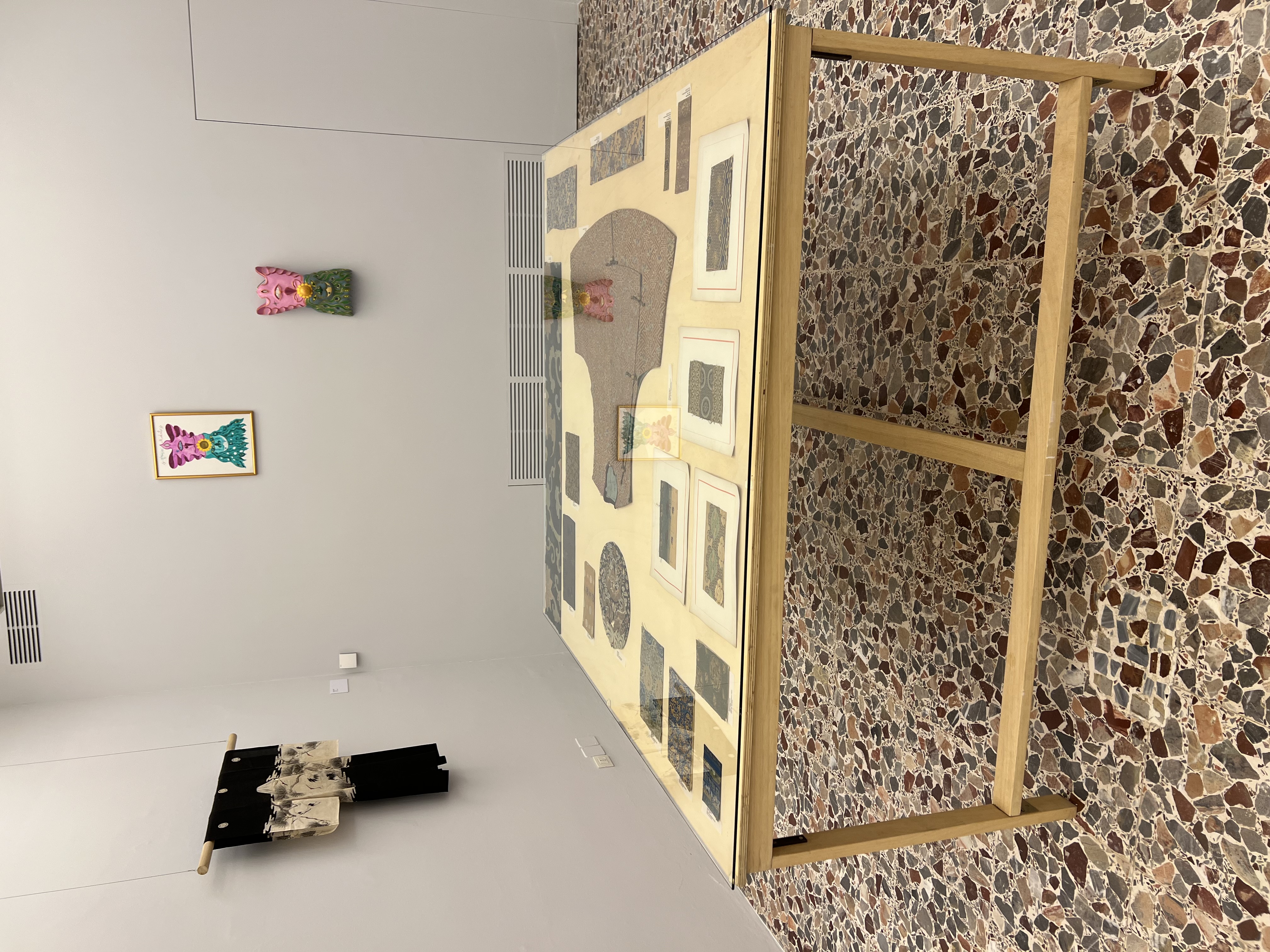
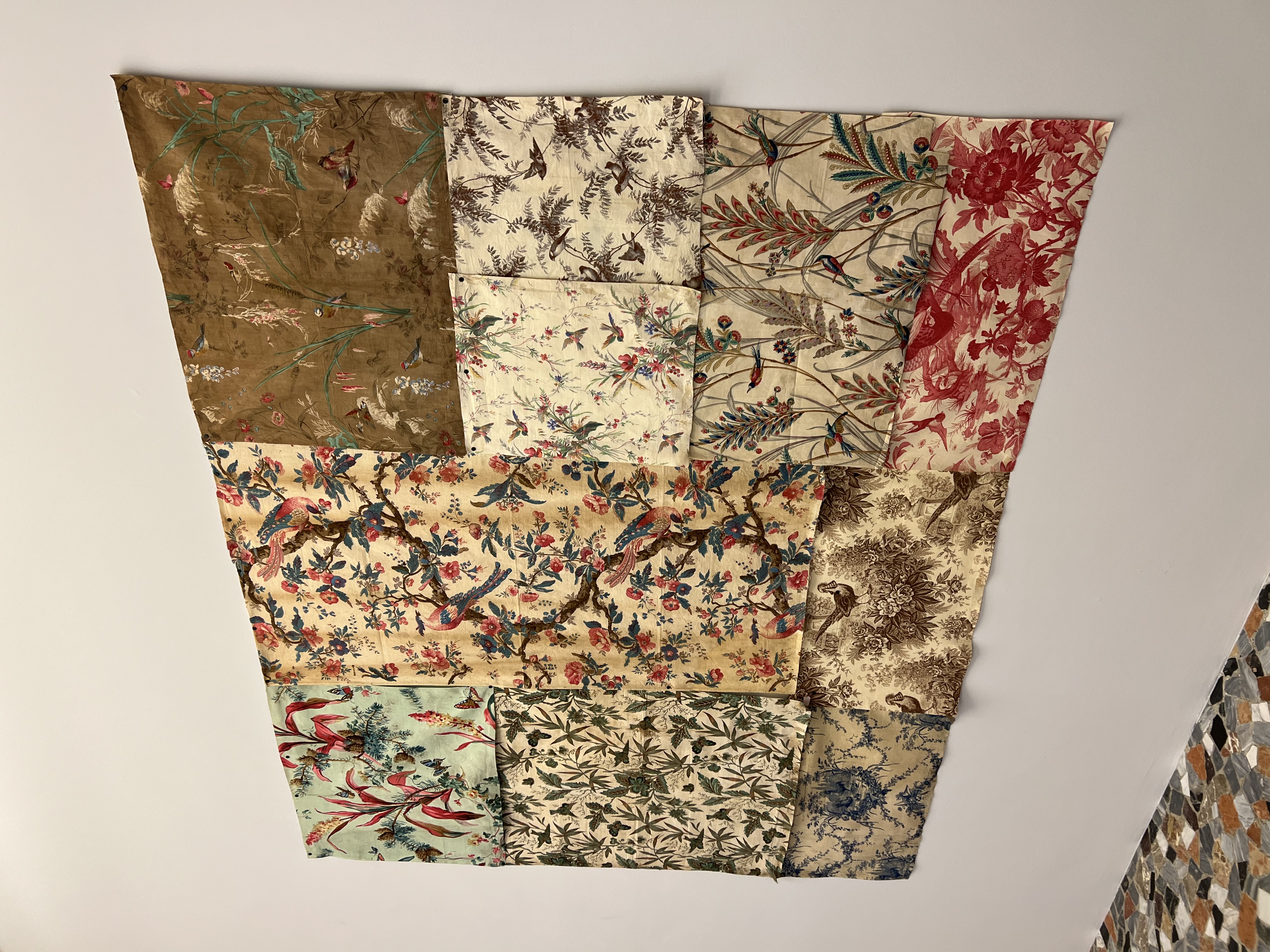
In “Animal Stories” viewers could see a display table, presenting pieces that address images of butterflies. During my visit, I was intrigued by Italian and French printed textiles, unique papers, intricate fabrics, and delicate drawings, that were created in the twentieth century. The exhibition is also showing a magnificent wall dedicated to nineteenth century Alsatian pieces including cotton textiles, furnishing fabrics, and a selection of sample sheets from Lyon, with animal images inspired by Asian works.
“Animal Stories” is showcasing Kimonos and viewers could see a beautiful Heron in flight embroidered and painted on the fabric. Moreover, viewers could enjoy fragments of Chinese and Japanese woven textiles from the eighteenth century, in dialogue with exquisite pieces from the production of a famous Como silk entrepreneur, Guido Ravasi (1877-1946).
During 2012-2014 Japanese artist Shimabuku (b. 1969) created his work entitled “Swan Goes to Sea”. Currently installed at Fondazione Antonio Ratti’s exhibition “Animal Stories,” the piece includes three parts. One part is the text adhered to one of the walls where viewers could read Shimabuku’s short narrative in Italian and in English. Another part is mounted on a separate wall showing a framed poster that documents the work. The third part is an 11:18 minute, single channel video, that follows a swan-shaped paddle boat on a journey from the Asahikawa River to the Seto Sea.
The English narrative, in large black letters, reads “One day, I visited the Asahikawa river bank in Okayama, which was my mother’s hometown. I used to play with the swan boat there when I was child. The same swan boat was still there. And nothing changed in 40 years! While the swan boat had stayed on the same small stretch of river, I was traveling all over the world. I decided to take the swan boat to the sea.” The insightful words are nostalgic, emotional, and humorous, illuminating the tale.
For several years Belgian artist Francis Alÿs (b. 1959) walked in London searching for ways to highlight the city’s pulse and rhythm. The result was his project entitled “Seven Walks”. For the exhibition “Animal Stories” Fondazione Antonio Ratti is showing one of the works entitled “The Nightwatch, 2004,” where viewers could watch a 17:30 minute single channel silent video, screening a wild fox (named Bandit,) roaming at night in London’s National Portrait Gallery.
Since the 1960s, Italian artist Luigi Ontani (b. 1943) has been creating works that include tableaux vivants (living pictures,) photographs, videos, drawings, performances, and sculptures. For the current exhibition “Animal Stories,” Fondazione Antonio Ratti is showing three of Ontani’s works made in 2018, 2019, and 2020. The displayed works include masks of painted wood with natural pigments, made in Bali with Balinese artist Wayan Sukarya, and accompanied by drawings of ink and watercolor on paper.
”Animal Stories” is open Monday through Friday from 10:00 am to 5:00 pm, at Fondazione Antonio Ratti, Villa Sucota. The exhibition will run until June 14, 2026. Additional information is at fondazioneratti.org.